

 实景预览
实景预览
 发送
发送 分享
分享
 详情
详情 指南
指南

 下载图片
下载图片
 相似作品
相似作品 X射线
X射线 幻灯片播放
幻灯片播放 统计数据
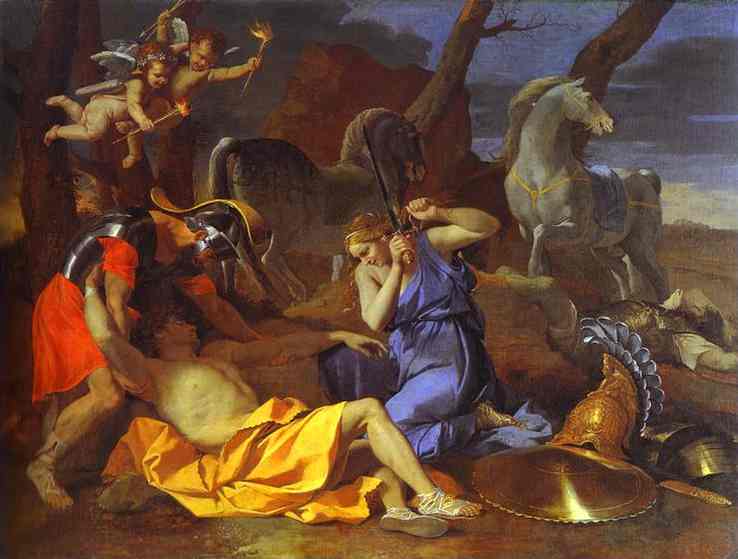
统计数据Tancrede and Erminia

Nicolas Poussin's 'Tancred and Erminia' captures a dramatic mythological scene with intense emotion & classical precision. Explore the masterpiece’s narrative, composition, and artistic legacy at TopImpressionists.
 阅读全文
阅读全文
尼古拉斯·珀斯林是一位法国画家,以其对古典艺术的精湛运用和诗意的表达而闻名。 他创作了《罗马之路》、《七圣餐系列》等经典作品,并以冷静和谐的风格影响了后人。
艺术微喷/版画
博物馆级艺术微喷或帆布版画,制作高效,并提供多种饰面选择。 ( 订购此收藏品的纯手工复刻画作 切换至数字图像销售渠道)




P118B ¥10

P118H ¥10

P118W ¥10

P438Z ¥10

P508JH ¥12

P508YH ¥12

P805H ¥10

P805Z ¥10

P919BZ ¥10

P919G ¥10

P919XJ ¥10

P959ZH ¥10

P968JZ ¥12

W106C ¥8

W218G ¥10

W218JH ¥8

W218Y ¥10

W307PJ ¥10

W316G ¥10

W316PJ ¥8

W316Y ¥10

W398PJ ¥8

W4111J ¥10

W500HY ¥15

W500JH ¥15

W692G ¥12

W849H ¥8

W940BG ¥15

W953PJ ¥8




标准尺寸
定制
CM
INCH
您可以从与原作比例一致的预设尺寸中进行选择。
Loading sizes...

宽度
高度
请输入您所需的宽度和高度,以适配您的画框或墙面。由于印刷品只能进行裁剪,无法超出原图尺寸,因此若比例不一致,画面的一部分将会被裁切。在正式印刷之前,我们会为您发送一份数字效果图供您确认。本页面显示的图片并非最终裁剪后的效果——只有效果图才能展示真实的裁剪情况。


 玻璃选项仅适用于110厘米以下的尺寸。

Tancrede and Erminia
艺术微喷/版画
复刻品尺寸说明
-


总计金额
¥ 464
A Vision of Myth and Romance
Nicolas Poussin’s “Tancred and Erminia” is not merely a depiction of a classical tale; it's an immersive experience, a carefully constructed tableau vivant that invites the viewer into a world of heightened emotion and profound contemplation. Painted around 1631-1634, during his most productive period in Rome, this work exemplifies Poussin’s mastery of capturing both the grandeur of antiquity and the delicate nuances of human feeling. The scene, drawn from Torquato Tasso's epic poem *Gerusalemme Illustre*, unfolds with a deliberate grace – a moment suspended between action and reflection, brimming with unspoken longing and impending conflict.
At first glance, the composition appears deceptively simple: a man, Tancred, holding his sword poised in readiness, stands beside a woman, Erminia, who clutches her bow. They are surrounded by a small group of figures – soldiers, attendants, and perhaps even a watchful shepherd – all rendered with an exquisite attention to detail that speaks volumes about Poussin’s meticulous technique. However, the painting's power lies not just in its subject matter but in the way Poussin orchestrates light, color, and spatial depth to create a deeply atmospheric effect. The use of *chiaroscuro*, the dramatic contrast between light and shadow, is particularly striking, drawing our eye to the central figures while subtly suggesting the turmoil beneath the surface.
The Classical Narrative and its Baroque Execution
The story itself is one of tragic romance. Tancred, a valiant warrior, has been wounded by Erminia’s father, the formidable King Anghiar. Erminia, deeply in love with Tancred, bravely offers to sacrifice herself to save his life, but he refuses her offer, fearing it would bring shame upon her family. The painting captures this pivotal moment – the hesitation before a potentially devastating choice, the unspoken sorrow and the resolute determination etched on their faces. Poussin skillfully employs classical motifs—the heroic posture of Tancred, the vulnerable beauty of Erminia—to elevate the narrative beyond a simple love story into a meditation on honor, duty, and sacrifice.
Despite its rootedness in classical mythology, “Tancred and Erminia” is undeniably a Baroque painting. Poussin’s use of rich, saturated colors – particularly the deep reds and blues – reflects the dramatic intensity characteristic of the era. Furthermore, his emphasis on line and form, combined with his masterful rendering of textures (the sheen of armor, the softness of fabric), creates a sense of visual dynamism that is both captivating and emotionally resonant. The figures are not simply depicted; they are sculpted into being, imbued with a palpable sense of life and movement.
Symbolism and Emotional Resonance
Beyond the immediate narrative, “Tancred and Erminia” is laden with symbolic meaning. The setting – a rugged, mountainous landscape bathed in golden light – evokes a sense of timelessness and spiritual significance. The presence of the shepherd suggests a connection to pastoral ideals, representing innocence and simplicity amidst the complexities of human affairs. Erminia’s bow and arrow are not merely weapons; they symbolize her willingness to defend Tancred, even at the cost of her own life. The shield on the ground hints at past battles and the enduring scars of conflict.
Ultimately, “Tancred and Erminia” is a painting that speaks to the universal themes of love, loss, and courage. It’s a poignant reminder of the choices we face in life and the sacrifices we make for those we cherish. Poussin's ability to capture these profound emotions with such exquisite beauty and technical skill ensures that this masterpiece continues to resonate with viewers centuries after its creation. A reproduction by TopImpressionists offers a remarkable opportunity to experience the full impact of this extraordinary work, bringing its timeless elegance into your home or studio.
问答详情
"Tancrede and Erminia" 的作者是谁?属于哪种艺术流派?
"Tancrede and Erminia" 的背后是 尼古拉·普桑 及其所属的 French Classicism 流派。
尼古拉·普桑 是否还有其他别名或曾用名?
尼古拉·普桑 也被称为 尼科拉斯·普桑, 尼可拉斯·普桑, 尼古拉斯·波桑。
"Tancrede and Erminia" 融合了怎样的色调与情感?
在“Tancrede and Erminia”中,Earthy 色调伴随着Melancholic 的情感。
艺术家简介
尼古拉·普桑:古典主义的永恒守护者
尼古拉·普桑,一个与法国巴洛克绘画宏伟壮丽紧密相连的名字,却是一位灵魂深处扎根于意大利土地的艺术家。1594年出生于诺曼底的勒阿夫尔,他的早期生活略显神秘,但无疑为他日后的艺术生涯奠定了基础。尽管他在1610年代短暂地在巴黎学习,吸收了当时一些不太出名的艺术家的影响,真正点燃了他艺术命运的是1624年前往罗马的旅程。这不仅仅是地理位置上的转移,更是一次沉浸于古老文明的体验,一次通往定义他审美视野的灵感源泉的朝圣之旅。普桑最初的绘画尝试带有威尼斯大师提香式的感性色彩,但即使在这些早期作品中,一种新兴的秩序感和智力严谨性也开始显现——预示着他将如此精湛地完善的风格。罗马岁月:锻造古典理想
罗马对于普桑而言,远不止是一个工作室;它成为了他的艺术熔炉。他置身于学者、考古学家和艺术家组成的充满活力的圈子之中,尤其是卡西亚诺·达尔·波佐,这位对古老文明有着深刻理解的人士,极大地影响了艺术家的创作方法。达尔·波佐致力于细致记录古代遗迹的精神,激发了普桑对历史准确性的尊重和将作品中融入永恒感的渴望。这一时期,普桑逐渐摆脱了一些同时代人那种华丽的奔放,转而拥抱以清晰、平衡和强调线性构图为特征的风格。他一丝不苟地研究拉斐尔的作品,汲取其和谐的布局和优雅的形式,同时也从古希腊雕塑中汲取灵感。他的画作开始充斥着来自古典历史和神话中的人物——他们不再仅仅是装饰性的元素,而是道德美德和哲学理想的化身。历史、神话与圣洁的主题
普桑的艺术作品种类繁多,但始终以他对这些核心原则的承诺为统一。他经常描绘古老历史中的场景——例如德国尼库斯的悲惨命运——赋予其庄严和道德上的重量感。他的神话题作并非简单的故事重述;而是对人性的探索,往往蕴含着丰富的象征意义。《阿卡狄亚》系列,尤其是标志性的《在阿卡狄亚我亦曾存在》,成为了他哲学深度的象征,引发了对死亡和记忆持久力量的思考。除了历史和神话,普桑也转向宗教主题,最著名的莫过于《七件圣礼》——这是一项宏伟的项目,展示了他对神学理解和构图技巧。即使在这些神圣场景中,他也保持着古典式的克制,避免了过度的情感化,而偏爱一种庄严和尊贵的呈现方式。在他职业生涯的后期,广阔的风景越来越突出,将现实主义与理想化的形式相结合,创造出唤起和谐与宁静感的景象。持久的遗产:塑造法国艺术
尽管他一生的大部分时间都在国外度过,但尼古拉·普桑对法国艺术的影响是巨大的。他在1640年应理查贝尔侯爵的要求短暂地返回巴黎,被任命为国王的第一位画家,但他很快就因宫廷生活的压力和阴谋而感到窒息。他随即重返罗马,在那里继续绘画直到1665年去世。他对古典原则的奉献帮助确立了法国艺术训练和实践的标准,影响了后世的艺术家。 他成为了皇家绘画与雕塑学院的重要人物,巩固了他作为法国古典主义基石的地位。 诸如雅克-路易·大卫和保罗·塞尚等艺术家公开承认他们对普桑严谨的方法和智力深度的债务。他的遗产超越了单纯的风格模仿;它代表着秩序、清晰度和古典理想持久力量的承诺——见证了一位致力于通过理性和美的视角提升世界的艺术家的证明。- 重要作品:《德国尼库斯的死亡》、《七件圣礼系列》、《罗马之路》、《奥瑞恩失明》、《四季》。
- 关键特征: 古典构图、线性感、历史和神话主题、宁静的风景。

尼古拉·普桑
1594 - 1665 , 法国
快速概览
- Artistic Movement Or Style: 巴洛克, 古典主义
- Artists Or Movements Influenced By This Artist:
- 雅克-路易·大卫
- 保罗·塞尚
- Artists Who Influenced This Artist:
- 拉斐尔
- 提香
- Date Of Birth: 1594年6月
- Date Of Death: 1665年11月19日
- Full Name: 尼古拉·普桑
- Nationality: 法国人
- Notable Artworks:
- 《德米尼库斯之死》
- 《七 sacrament 系列》
- 《罗马之路》
- 《猎户座被蒙蔽》
- 《四季》
- Place Of Birth: 法国诺曼底安代勒
相关文章

Drama and Light: Discover the Captivating Grandeur of Baroque Art
Immerse yourself in the dramatic splendor of Baroque art. Explore the profound impact of light, shadow, and the Counter-Reformation through an expert historical lens, celebrating the masters who defined an era of unparalleled grandeur and emotional intensity.
探索按主题、风格和特征分类的艺术作品。


