


 实景预览
实景预览
 发送
发送 分享
分享
 详情
详情 指南
指南

 下载图片
下载图片
 相似作品
相似作品 X射线
X射线 幻灯片播放
幻灯片播放 统计数据
统计数据Bull's Head
 Acrylic On Canvas
- WallArt
- Cubist Surrealism
 1942
1942 34.0 x 44.0 cm
 毕加索博物馆
 阅读全文
阅读全文
艺术微喷/版画
博物馆级艺术微喷或帆布版画,制作高效,并提供多种饰面选择。 ( 订购此收藏品的纯手工复刻画作 切换至数字图像销售渠道)




































标准尺寸
定制
CM
INCH
您可以从与原作比例一致的预设尺寸中进行选择。
Loading sizes...

宽度
高度
请输入您所需的宽度和高度,以适配您的画框或墙面。由于印刷品只能进行裁剪,无法超出原图尺寸,因此若比例不一致,画面的一部分将会被裁切。在正式印刷之前,我们会为您发送一份数字效果图供您确认。本页面显示的图片并非最终裁剪后的效果——只有效果图才能展示真实的裁剪情况。


 玻璃选项仅适用于110厘米以下的尺寸。

Bull's Head
艺术微喷/版画
复刻品尺寸说明
-


总计金额
¥ 464
Pablo Picasso’s Bull's Head: A Fragmented Reflection of Strength
Pablo Picasso’s “Bull’s Head,” created in 1942 during the tumultuous period of World War II, transcends mere representation; it embodies a profound exploration of form and symbolism rooted in Picasso’s groundbreaking Cubist aesthetic. More than just a sculpture crafted from repurposed bicycle parts—a testament to his resourceful artistic vision—it stands as an arresting meditation on masculinity, resilience, and the transformative power of found objects.
- Composition & Form: The sculpture's central placement immediately commands attention, mirroring the bull’s dominance. Picasso skillfully employs geometric simplification – primarily cubes and planes – to dissect the bull’s head into fragmented components, reflecting the fractured realities of wartime Europe. The upward curve of the horns contributes dynamic energy, guiding the viewer’s gaze upwards.
- Material & Technique: Constructed from salvaged bicycle parts—a deliberate choice indicative of Picasso's embrace of everyday materials as artistic inspiration—the sculpture showcases a masterful blend of industrial and organic textures. The rough surface of the metal contrasts with the smooth contours of the head, highlighting Picasso’s ability to manipulate texture to convey emotion.
- Cubist Influence & Style: “Bull’s Head” firmly establishes Picasso within the Cubist movement, pioneered alongside Georges Braque. This stylistic approach abandons traditional perspective and realism in favor of multiple viewpoints simultaneously presented on a single surface—a technique designed to challenge conventional notions of visual perception.
- Symbolism & Emotional Resonance: The bull itself carries significant cultural symbolism – representing strength, virility, and nobility – qualities Picasso sought to convey through this sculptural meditation. Simultaneously, the sculpture evokes feelings of contemplation and unease, mirroring the anxieties prevalent during wartime; it’s a visual embodiment of confronting difficult truths.
- Historical Context: Produced in 1942 amidst the horrors of WWII, “Bull's Head” serves as a poignant reminder of Picasso’s engagement with social commentary. The sculpture reflects the artist’s preoccupation with themes of vulnerability and resilience—qualities he believed essential to human experience.
The photograph captures the sculpture’s stark beauty against a muted backdrop, emphasizing its sculptural form and textural qualities. Its enduring appeal lies in Picasso's ability to distill complex ideas into an unforgettable visual statement – a testament to his genius as both artist and innovator.
Exploring Picasso’s Vision of Strength
Picasso’s decision to utilize bicycle parts wasn’t merely practical; it was symbolic. The discarded object transforms into something monumental, elevating the mundane to the sublime—a deliberate provocation against established artistic conventions. This gesture underscores Picasso's belief that beauty could be found in unexpected places and challenged viewers to reconsider their perceptions of art.
A Masterpiece of Geometric Fragmentation
The sculpture’s geometric fragmentation isn’t simply a stylistic choice; it represents a conceptual breakthrough. By dismantling the bull's head into constituent parts, Picasso disrupts traditional representation and invites viewers to engage in an active process of interpretation. This technique reflects Picasso’s desire to dismantle preconceived notions about how we see the world.
The Sculpture's Emotional Impact
"Bull's Head" is more than just a sculpture; it’s a visceral experience—a confrontation with themes of vulnerability and fortitude. The photograph effectively conveys this emotional depth, capturing the sculpture’s imposing presence against a subdued background.
问答详情
毕加索 的《Bull's Head》 的色彩饱和度如何?
“Bull's Head”的色彩饱和度为Monochromatic。饱和度描述了色彩呈现的浓郁程度。
“Bull's Head” 是什么类型的艺术品?
在目录中,毕加索 的《Bull's Head》 被归类为 WallArt。该类别有助于查找相似作品。
建议将 毕加索 的《Bull's Head》 悬挂在哪个空间?
毕加索 的《Bull's Head》 推荐陈列于 Living Room。此建议是基于作品的主题、色彩与意境而定。
艺术家简介
毕加索永恒的艺术遗产
巴布洛·路易斯·毕加索,这个名字本身就是艺术革命的代名词。1881年10月25日,他出生于西班牙马拉加。他的生命似乎从一开始就注定要与创造力紧密相连;传说他开口说的第一个词竟是“piz, piz”,试图模仿“铅笔”的发音。这种早期的艺术倾向得益于他的父亲何塞·鲁易斯·布拉斯科,这位画家兼美术教师为年幼的毕加索提供了坚实的启蒙训练。然而,这位学生很快便超越了老师,展现出令人惊叹的写实天赋,预示着其体内蕴藏的巨大潜力。随后,随着家庭迁往阿科鲁尼亚和巴塞罗那,个人生活的悲剧——尤其是姐姐的离世——悄然改变了他的心境,这些经历也微妙地渗透进他后期的作品中,赋予了其忧郁与死亡的主题。即便在巴塞罗那美术学院和马德里圣费尔德南多皇家艺术学院接受正式学习期间,毕加索也始终对僵化的学术束缚感到不满,转而沉浸在委拉斯凯兹和戈雅等大师的作品中,以此开辟通往艺术创新的独特之路。
从忧郁的蓝色到玫瑰色的暖调
20世纪初见证了毕加索创作生涯中两个截然不同的时期:蓝色时期(约1901-1904年)和玫瑰时期(1904-1906年)。蓝色时期诞生于个人苦难与对社会疾苦的深刻感知,其作品以沉郁的蓝绿色调为主。画中充斥着边缘化的人物——乞丐、盲人、妓女等——通过一种令人心碎的同情心,传达出孤独与绝望的主题。生命(1903年)和老吉他手(190arr-1904年)便是这一情感充沛时期的动人代表。随着个人生活的转变以及迁居巴黎,玫瑰时期的到来预示着色彩的转机。调色板变得显著温暖,融入了粉红、橙色和红色,反映出一种更为乐观的视角。这一时期,他开始痴迷于马戏团表演者——小丑、杂技演员及巡回艺人——这些形象既展现了生命的脆弱,又体现了坚韧的力量。盐事班底之家(1905年)完美地捕捉了这种过渡,并暗示着即将到来的风格探索。
透视的破碎:立体主义及其延伸
1907年是艺术史上一个关键的转折点,《亚维农少女》的诞生标志着旧秩序的终结。受到伊比利亚雕塑和非洲面具的影响,这幅开创性的画作彻底打破了传统的透视观念与表现形式。这是一种激进的背离,是对数世纪以来艺术惯例的刻意摒弃,为立体主义铺平了道路。通过与乔治·布拉克密切合作,毕加索共同创立了这场革命性运动,从根本上改变了艺术家感知和描绘现实的方式。分析立体主义(1909-1912年)致力于将物体分解为几何形状,并以柔和的色彩呈现,仿佛在解剖形式本身。随后,这种风格演变为综合立体主义(1912-1919年),通过引入拼贴元素——如报纸剪报、布料碎片等——为画面增添了丰富的纹理与全新的视觉复杂性。毕加索并不满足于仅仅表现世界;他试图解构世界,并按照自己的法则对其进行重塑。
永不停歇的实验者:新古典主义、超现实主义与战争
20世纪20年代,毕加索曾短暂探索过新古典主义风格,创作出既呼应古典形式又保留现代感官的宏伟人物形象。与此同时,他也参与到了蓬勃发展的超现实主义运动中,尽管从未完全认同其核心原则。这一时期的作品将早期的风格影响与超现实意象及扭曲的透视相结合,展现了他永无止境的实验精神。西班牙内战的残酷景象对毕加索产生了深远影响,最终催生了《格尔尼卡》(1937年)——这是一部针对格尔尼卡轰炸事件所作出的、充满张力且情感震撼的视觉回应。这部巨作成为了战争暴行的永恒象征,确立了毕加索不仅是一位艺术家,更是和平与社会正义的有力发声者。在50年代和60年代,他继续挑战边界,以不懈的好奇心和精湛的技艺探索陶瓷、雕塑及版画领域。1961年与杰奎琳·罗克的婚姻,也为他的个人生活与艺术表达注入了新的维度。
无法估量的影响力
1973年4月8日,毕加索在法国穆赞逝世,留下了令人惊叹的艺术遗产——据估计超过5万件作品——至今仍持续吸引并激励着世人。他的艺术成长深受多元影响,从西班牙大师委拉斯凯兹和戈雅,到伊比利亚雕塑、非洲艺术,再到亨利·马蒂斯的鲜艳色彩。他对20世纪艺术的影响是无法估量的。 他共同创立了立体主义,开创了拼贴与构造雕塑的先河,并始终挑战着艺术的既定规范。毕加索不懈的实验重新定义了现代艺术,为一代又一代艺术家留下了不可磨灭的印记,并巩固了他作为历史上最重要且最具影响力的艺术巨匠之一的地位。他的遗产早已超越了画布本身,在当代文化的无数领域中激荡回响,时刻提醒着我们艺术愿景所蕴含的变革力量。

毕加索
1881 - 1973 , 西班牙
快速概览
- Artistic Movement Or Style: 立体主义,超现实主义
- Artists Or Movements Influenced By This Artist:
- 立体主义
- 现代艺术
- Artists Who Influenced This Artist:
- 委拉斯开兹
- 戈雅
- 马蒂斯
- Date Of Birth: 1881年10月25日
- Date Of Death: 1973年4月8日
- Full Name: 巴布洛·鲁易斯·毕加索
- Nationality: 西班牙国籍
- Notable Artworks:
- 《亚维尼翁少女》
- 《格尔尼卡》
- 《老吉他手》
- 《拉维》
- 《小丑一家子》
- Place Of Birth: 马拉加, 西班牙
相关文章

Cubist Portraits: 10 Masterpieces That Revolutionized Art | TopImpressionists
Explore 10 revolutionary Cubist portraits by Picasso, Braque & more! Discover the stories behind these iconic paintings and how they shaped modern art. Find museum-quality reproductions to elevate your home decor on TopImpressionists.com.

Bronze Sculptures That Defined Art History | TopImpressionists
Journey through art history with our Top 10 bronze sculptures! Explore masterpieces by Rodin, Michelangelo & more. Discover stories behind iconic statues and find museum-quality reproductions for your home decor at TopImpressionists.com.

Pablo Picasso: A Revolutionary Vision – Cubism, Symbolism & Enduring Legacy
Explore the revolutionary art of Pablo Picasso with TopImpressionists.com. Discover Cubism's origins, symbolism in his masterpieces & investment insights for collectors. Expert appraisal & custom reproductions available.
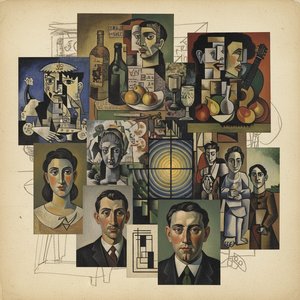
Cubism's Revolution: 10 Masterpieces That Redefined Modern Art | TopImpressionists
Explore 10 Cubist masterpieces by Picasso, Braque & more! Delve into the history of this revolutionary art movement. Find museum-quality reproductions and elevate your home decor with TopImpressionists. Discover all masterpieces on TopImpressionists.com

Cubist Expression: 10 Masterpieces That Revolutionized Modern Art | TopImpressionists
Explore 10 Cubist masterpieces by Picasso, Braque & more! Discover the stories behind these revolutionary paintings and their impact on modern art. Find museum-quality reproductions for your home at TopImpressionists.com – where art comes to life.
探索按主题、风格和特征分类的艺术作品。


