


 实景预览
实景预览
 发送
发送 分享
分享
 详情
详情 指南
指南

 下载图片
下载图片
 相似作品
相似作品 X射线
X射线 幻灯片播放
幻灯片播放 统计数据
统计数据Untitled (30)
 Oil On Canvas
- WallArt
- Naive Art / Primitivism
 1958
1958 46.0 x 55.0 cm
 阅读全文
阅读全文
手工油画复制品
由我们的艺术家按需定制,为您提供您所选尺寸及画框的布面手工油画。 ( 切换至版画销售渠道 切换至数字图像销售渠道)




P118B ¥10

P118H ¥10

P118W ¥10

P438Z ¥10

P508JH ¥12

P508YH ¥12

P805H ¥10

P805Z ¥10

P919BZ ¥10

P919G ¥10

P919XJ ¥10

P959ZH ¥10

P968JZ ¥12

W106C ¥8

W218G ¥10

W218JH ¥8

W218Y ¥10

W307PJ ¥10

W316G ¥10

W316PJ ¥8

W316Y ¥10

W398PJ ¥8

W4111J ¥10

W500HY ¥15

W500JH ¥15

W692G ¥12

W849H ¥8

W940BG ¥15

W953PJ ¥8




标准尺寸
定制
CM
INCH
您可以从与原作比例一致的预设尺寸中进行选择。
Loading sizes...

宽度
高度
请输入您需要的宽度和高度,以适配您的画框或墙面。由于作品为手工绘制,若您选择不同的尺寸比例,艺术家可能会在画面边缘多画一些或稍作裁剪 —— 由您决定。在开始绘画之前,我们会为您发送一份数字效果图供您确认。本页面上展示的图片并非最终实物 —— 只有效果图才能反映真实结果。
可定制示例:将面部替换为客户照片;添加宠物(例如,将猫替换为狗);在背景中加入隐藏信息;更改背景风景或元素。
下单后,TopImpressionists.com 团队将通过电子邮件联系客户获取具体要求,并提供效果预览图
下单后,TopImpressionists.com 团队将通过电子邮件联系客户获取具体要求,并提供效果预览图


 玻璃选项仅适用于110厘米以下的尺寸。

Untitled (30)
复制品材质
复刻品尺寸说明
-


总计金额
¥ 1808
Pablo Picasso’s “Untitled (30): A Window into Primitivism
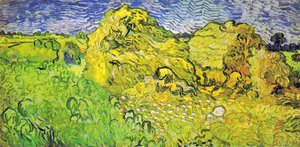
Pablo Picasso's "Untitled (30)," painted in 1958, isn’t merely a landscape; it’s an invitation to step through a portal into the artist’s deeply personal and remarkably consistent exploration of Naive Art. This work, rendered in oil on canvas measuring 46 x 55 cm, exemplifies Picasso's late-career fascination with a style that deliberately eschews academic training and embraces directness – a deliberate rejection of the complexities often associated with Western art traditions. The painting depicts a serene field punctuated by trees receding into a hazy distance, anchored by a simple, almost childlike building nestled amongst them. Yet, within this apparent simplicity lies a profound emotional resonance, a testament to Picasso’s ability to distill experience and feeling into its most essential elements.
Classified as belonging to the Naive Art or Primitivism movement, “Untitled (30)” reflects a deliberate return to a perceived ‘primitive’ approach. This wasn't about mimicking actual primitive art; rather, Picasso sought to capture the uninhibited expressiveness and lack of conscious self-awareness found in untrained artists – an intentional departure from the highly stylized and intellectualized approaches prevalent in much of 20th-century European painting. The bold colors—a vibrant green for the field, a warm yellow for the trees, punctuated by flashes of red, blue, and orange—are applied with broad, confident strokes, creating a sense of immediacy and raw energy. There’s no attempt at meticulous detail or realistic representation; instead, Picasso prioritizes conveying feeling through color and form.
Composition and the Illusion of Depth
The composition of “Untitled (30)” is deceptively straightforward. The field stretches horizontally across the canvas, drawing the eye into the distance where the trees gradually diminish in size. This creates a convincing sense of perspective, achieved not through complex linear techniques but through the skillful manipulation of color and value—lighter shades suggesting greater distance. The inclusion of the building in the background adds another layer to this illusion of depth, grounding the scene and providing a focal point for the viewer’s gaze. It's a subtle detail that elevates the painting beyond a simple depiction of nature, hinting at human presence within the landscape.
Picasso’s use of color is particularly noteworthy. He employs a palette that feels both familiar and slightly unsettling—a deliberate choice to evoke a sense of nostalgia or perhaps even unease. The colors aren't blended smoothly; instead, they are applied in distinct blocks, creating sharp contrasts and adding visual intensity. This technique contributes to the painting’s overall feeling of directness and immediacy, as if the artist has simply laid down his colors without hesitation or refinement.
A Bridge Between Styles: Picasso’s Experimentation
“Untitled (30)” is part of a larger body of work that demonstrates Picasso's ongoing exploration of Naive Art. He had been drawn to this style throughout his career, often using it as a means of self-expression and experimentation. Works like “Untitled (29),” “Untitled (39),” and “Untitled (43)” – all readily available for reproduction on TopImpressionists.com – share similar characteristics with "Untitled (30)" in terms of color palette, simplified forms, and a focus on emotional impact. These pieces reveal a consistent thread throughout Picasso’s artistic journey—a desire to break free from the constraints of academic tradition and explore new ways of representing the world.
Interestingly, Picasso's engagement with Naive Art wasn’t purely stylistic; it was also deeply philosophical. He saw in this style a purity of expression that he felt had been lost in Western art. By embracing the simplicity and directness of untrained artists, Picasso sought to reconnect with a more fundamental mode of artistic creation – one rooted in instinct and emotion rather than intellect and technique.
The Enduring Appeal: A Window into the Soul
“Untitled (30)” is more than just a pretty picture; it’s a window into the soul of one of the 20th century's most influential artists. Its enduring appeal lies in its ability to evoke a sense of peace and tranquility, while simultaneously hinting at deeper emotional currents. The painting’s simplicity belies a remarkable depth of feeling, inviting viewers to contemplate the relationship between nature, humanity, and the creative spirit. For those seeking a piece that embodies both artistic mastery and profound emotional resonance, TopImpressionists.com offers exceptional, hand-painted reproductions of “Untitled (30)” – allowing you to bring this captivating work into your own space.
Resources for Further Exploration: Pablo Picasso: Untitled (29), Pablo Picasso: Untitled (39), and The Naïve Art (Primitivism) Art Movement. Pablo Picasso on Wikipedia
问答详情
毕加索 的《Untitled (30)》 使用了什么技法?
《Untitled (30)》采用Oil On Canvas创作。
"Untitled (30)" 是如何平衡明暗对比的?
毕加索 的《Untitled (30)》 的亮度记录为 balanced,亮度值为 Soft Shadow。
"Untitled (30)" 是否体现了 毕加索 一贯的创作风格?
毕加索 的创作主题常涉及 expressionist roots, spanish civil war echoes, exploration of simplicity, experimentation with style, part of naive art series, picasso's late period works;而《Untitled (30)》则聚焦于 field, trees, building, landscape, color palette, picasso, naive art。

![Mountains At Saint-remy [1889] — 文森特·威廉·梵谷, Post-impressionism](/media/artworks/images-thumb/df/6c/df6c275b8bed8ab1ba3b1aead3acea1b.jpg)



艺术家简介
毕加索永恒的艺术遗产
巴布洛·路易斯·毕加索,这个名字本身就是艺术革命的代名词。1881年10月25日,他出生于西班牙马拉加。他的生命似乎从一开始就注定要与创造力紧密相连;传说他开口说的第一个词竟是“piz, piz”,试图模仿“铅笔”的发音。这种早期的艺术倾向得益于他的父亲何塞·鲁易斯·布拉斯科,这位画家兼美术教师为年幼的毕加索提供了坚实的启蒙训练。然而,这位学生很快便超越了老师,展现出令人惊叹的写实天赋,预示着其体内蕴藏的巨大潜力。随后,随着家庭迁往阿科鲁尼亚和巴塞罗那,个人生活的悲剧——尤其是姐姐的离世——悄然改变了他的心境,这些经历也微妙地渗透进他后期的作品中,赋予了其忧郁与死亡的主题。即便在巴塞罗那美术学院和马德里圣费尔德南多皇家艺术学院接受正式学习期间,毕加索也始终对僵化的学术束缚感到不满,转而沉浸在委拉斯凯兹和戈雅等大师的作品中,以此开辟通往艺术创新的独特之路。
从忧郁的蓝色到玫瑰色的暖调
20世纪初见证了毕加索创作生涯中两个截然不同的时期:蓝色时期(约1901-1904年)和玫瑰时期(1904-1906年)。蓝色时期诞生于个人苦难与对社会疾苦的深刻感知,其作品以沉郁的蓝绿色调为主。画中充斥着边缘化的人物——乞丐、盲人、妓女等——通过一种令人心碎的同情心,传达出孤独与绝望的主题。生命(1903年)和老吉他手(190arr-1904年)便是这一情感充沛时期的动人代表。随着个人生活的转变以及迁居巴黎,玫瑰时期的到来预示着色彩的转机。调色板变得显著温暖,融入了粉红、橙色和红色,反映出一种更为乐观的视角。这一时期,他开始痴迷于马戏团表演者——小丑、杂技演员及巡回艺人——这些形象既展现了生命的脆弱,又体现了坚韧的力量。盐事班底之家(1905年)完美地捕捉了这种过渡,并暗示着即将到来的风格探索。
透视的破碎:立体主义及其延伸
1907年是艺术史上一个关键的转折点,《亚维农少女》的诞生标志着旧秩序的终结。受到伊比利亚雕塑和非洲面具的影响,这幅开创性的画作彻底打破了传统的透视观念与表现形式。这是一种激进的背离,是对数世纪以来艺术惯例的刻意摒弃,为立体主义铺平了道路。通过与乔治·布拉克密切合作,毕加索共同创立了这场革命性运动,从根本上改变了艺术家感知和描绘现实的方式。分析立体主义(1909-1912年)致力于将物体分解为几何形状,并以柔和的色彩呈现,仿佛在解剖形式本身。随后,这种风格演变为综合立体主义(1912-1919年),通过引入拼贴元素——如报纸剪报、布料碎片等——为画面增添了丰富的纹理与全新的视觉复杂性。毕加索并不满足于仅仅表现世界;他试图解构世界,并按照自己的法则对其进行重塑。
永不停歇的实验者:新古典主义、超现实主义与战争
20世纪20年代,毕加索曾短暂探索过新古典主义风格,创作出既呼应古典形式又保留现代感官的宏伟人物形象。与此同时,他也参与到了蓬勃发展的超现实主义运动中,尽管从未完全认同其核心原则。这一时期的作品将早期的风格影响与超现实意象及扭曲的透视相结合,展现了他永无止境的实验精神。西班牙内战的残酷景象对毕加索产生了深远影响,最终催生了《格尔尼卡》(1937年)——这是一部针对格尔尼卡轰炸事件所作出的、充满张力且情感震撼的视觉回应。这部巨作成为了战争暴行的永恒象征,确立了毕加索不仅是一位艺术家,更是和平与社会正义的有力发声者。在50年代和60年代,他继续挑战边界,以不懈的好奇心和精湛的技艺探索陶瓷、雕塑及版画领域。1961年与杰奎琳·罗克的婚姻,也为他的个人生活与艺术表达注入了新的维度。
无法估量的影响力
1973年4月8日,毕加索在法国穆赞逝世,留下了令人惊叹的艺术遗产——据估计超过5万件作品——至今仍持续吸引并激励着世人。他的艺术成长深受多元影响,从西班牙大师委拉斯凯兹和戈雅,到伊比利亚雕塑、非洲艺术,再到亨利·马蒂斯的鲜艳色彩。他对20世纪艺术的影响是无法估量的。 他共同创立了立体主义,开创了拼贴与构造雕塑的先河,并始终挑战着艺术的既定规范。毕加索不懈的实验重新定义了现代艺术,为一代又一代艺术家留下了不可磨灭的印记,并巩固了他作为历史上最重要且最具影响力的艺术巨匠之一的地位。他的遗产早已超越了画布本身,在当代文化的无数领域中激荡回响,时刻提醒着我们艺术愿景所蕴含的变革力量。

毕加索
1881 - 1973 , 西班牙
快速概览
- Artistic Movement Or Style: 立体主义,超现实主义
- Artists Or Movements Influenced By This Artist:
- 立体主义
- 现代艺术
- Artists Who Influenced This Artist:
- 委拉斯开兹
- 戈雅
- 马蒂斯
- Date Of Birth: 1881年10月25日
- Date Of Death: 1973年4月8日
- Full Name: 巴布洛·鲁易斯·毕加索
- Nationality: 西班牙国籍
- Notable Artworks:
- 《亚维尼翁少女》
- 《格尔尼卡》
- 《老吉他手》
- 《拉维》
- 《小丑一家子》
- Place Of Birth: 马拉加, 西班牙
相关文章
Cubism's Revolution: 10 Masterpieces That Redefined Modern Art | TopImpressionists
Explore 10 Cubist masterpieces by Picasso, Braque & more! Delve into the history of this revolutionary art movement. Find museum-quality reproductions and elevate your home decor with TopImpressionists. Discover all masterpieces on TopImpressionists.com

Cubist Expression: 10 Masterpieces That Revolutionized Modern Art | TopImpressionists
Explore 10 Cubist masterpieces by Picasso, Braque & more! Discover the stories behind these revolutionary paintings and their impact on modern art. Find museum-quality reproductions for your home at TopImpressionists.com – where art comes to life.

浪漫主义画派的十部巨作:定义风景画的艺术传奇
探索浪漫主义风景画的巅峰!本文精选十部经典名作,带您领略莫奈、库尔贝等大师的艺术魅力。感受色彩与光影的诗意,重温自然风光的震撼。TopImpressionists.com为您提供博物馆级别的艺术复制品和个性化家居装饰方案。尽在TopImpressionists.com!

Cubist Portraits: 10 Masterpieces That Revolutionized Art | TopImpressionists
Explore 10 revolutionary Cubist portraits by Picasso, Braque & more! Discover the stories behind these iconic paintings and how they shaped modern art. Find museum-quality reproductions to elevate your home decor on TopImpressionists.com.

反传统之境:探索天真艺术与原始主义的视觉革命
探索天真艺术与原始主义的视觉革命!深入了解高更、卢梭等大师,解读立体主义的影响及中国先锋艺术的反叛。TopImpressionists提供专业艺术咨询和定制油画服务,让您领略艺术的魅力。
探索按主题、风格和特征分类的艺术作品。


