

 实景预览
实景预览
 分享
分享 分享
分享
 详情
详情 指南
指南

 下载作品
下载作品
 相似作品
相似作品 X射线
X射线 幻灯片播放
幻灯片播放 问答
问答 统计数据
统计数据The Arc Valley


 展开全文
展开全文
艺术微喷/版画
博物馆级艺术微喷或帆布版画,制作高效,并提供多种饰面选择。 ( 订购纯手工绘制画作 切换至数字图像销售渠道)




P118B ¥10

P118H ¥10

P118W ¥10

P438Z ¥10

P508JH ¥12

P508YH ¥12

P805H ¥10

P805Z ¥10

P919BZ ¥10

P919G ¥10

P919XJ ¥10

P959ZH ¥10

P968JZ ¥12

W106C ¥8

W218G ¥10

W218JH ¥8

W218Y ¥10

W307PJ ¥10

W316G ¥10

W316PJ ¥8

W316Y ¥10

W398PJ ¥8

W4111J ¥10

W500HY ¥15

W500JH ¥15

W692G ¥12

W849H ¥8

W940BG ¥15

W953PJ ¥8




标准尺寸
定制
CM
INCH
您可以从与原作比例一致的预设尺寸中进行选择。
Loading sizes...

宽度
高度
请输入您所需的宽度和高度,以适配您的画框或墙面。由于印刷品只能进行裁剪,无法超出原图尺寸,因此若比例不一致,画面的一部分将会被裁切。在正式印刷之前,我们会为您发送一份数字效果图供您确认。本页面显示的图片并非最终裁剪后的效果——只有效果图才能展示真实的裁剪情况。


 玻璃选项仅适用于110厘米以下的尺寸。

The Arc Valley
艺术微喷/版画
复刻品尺寸
-


最终结算价
¥ 469
A Moment Frozen in Time: Cézanne’s ‘The Arc Valley’
Paul Cézanne's “The Arc Valley,” painted in 1888, is more than just a depiction of the Provençal landscape; it’s a profound meditation on perception and the very nature of seeing. This watercolor captures a pivotal moment in Cézanne’s artistic evolution, marking his decisive shift away from Impressionistic fleeting impressions towards a rigorously constructed, almost geometric representation of reality. The scene unfolds within the Arc Valley near Aix-en-Provence, a region deeply resonant with Cézanne's life and artistic inspiration – a place he returned to repeatedly, seeking solace and subject matter for his increasingly radical explorations.
- Subject Matter: A quintessential Provençal landscape featuring rolling hills, a meandering river, and the distinctive silhouette of the Arc Valley’s namesake rock formation.
- Composition: Cézanne masterfully employs a pyramidal composition, a technique he would later refine in his still lifes, creating a sense of stability and monumental presence within the scene. The placement of figures – individuals enjoying the tranquility of the valley – adds a human element to this otherwise austere landscape.
The Language of Watercolor: Technique and Style
Cézanne’s mastery lies in his innovative use of watercolor, transforming it from a medium typically associated with delicate washes into a tool for constructing form. Notice the deliberate layering of color – thin glazes build up depth and volume, while broader strokes define the contours of the mountains and trees. The artist's meticulous attention to detail is evident in the rendering of textures: the rough bark of the trees, the smooth surface of the river stones, and the undulating grass of the hillside. This technique anticipates the formal concerns of Cubism, where objects are broken down into their constituent parts and reassembled on a flat plane.
The color palette is restrained yet evocative, dominated by earthy tones – ochres, browns, greens, and blues – that reflect the natural hues of the landscape. Cézanne’s use of light and shadow creates a strong sense of depth and atmosphere, drawing the viewer into the heart of the valley.
Historical Context and Artistic Significance
"The Arc Valley" was created during a period of intense artistic experimentation in France. Impressionism, with its focus on capturing fleeting moments of light and color, was beginning to wane, while new movements – Post-Impressionism and Proto-Cubism – were emerging. Cézanne’s work challenged the conventions of traditional landscape painting, paving the way for future generations of artists who sought to redefine our understanding of space and form. His influence can be seen in the works of Picasso, Braque, and countless others who followed.
Painted in 1888, a year before his death, this piece represents a crucial step in Cézanne’s artistic journey – a bold declaration of independence from established artistic norms and a commitment to exploring the fundamental principles of art itself. It is a testament to his unwavering belief that art should not merely imitate nature but rather reveal its underlying structure.
Emotional Impact and Collector's Value
"The Arc Valley" possesses a quiet, contemplative beauty that invites viewers to pause and reflect. The scene evokes a sense of serenity and timelessness, transporting us to the heart of the Provençal countryside. This watercolor is not simply a beautiful landscape; it’s a profound statement about art's ability to capture both the external world and our internal experience. As a significant work by one of the most influential artists of the 20th century, “The Arc Valley” represents a valuable addition to any discerning collection.
常见问题与解答
“The Arc Valley”可以下载吗?
您可以在作品的下载数字图像页面下载保罗·塞尚 的《The Arc Valley》,作为高分辨率数字图像下载。
保罗·塞尚 的《The Arc Valley》 的亮度是多少?
保罗·塞尚 的《The Arc Valley》 的记录亮度为 Luminous。
在家的哪个空间摆放 "The Arc Valley" 的复制品最为合适?
"The Arc Valley" 的复制品非常适合陈设于 Living Room 中。


艺术家简介
保罗·塞尚的早年生活
1839年1月19日,保罗·塞尚出生于艾克斯-普罗旺斯的歌剧院街28号,降生在一个秩序井然的世界。他的父亲路易-奥古斯特·塞尚(Louis-Auguste Cézanne)是当地一位地位显赫的人物,曾共同创立了塞尚与卡巴索银行(Banque Cézanne et Cabassol)。这种经济上的稳固为家庭提供了坚实的后盾,包括保罗和他那两个年幼的妹妹,玛丽和罗斯。然而,这种省级城镇宁静的成长环境,与日后定义了他一生的那种躁动不安的创作冲动,形成了鲜明的对比。
十岁那年,他的正式教育在艾克斯的圣约瑟夫学校开始。随后,他进入波旁学院(Collège Bourbon)就读,遵循着那个阶层青年应有的严谨学术路径。到了1859年,在家族期望的重压之下,他进入艾克斯-普罗旺斯大学的法学院深造。他曾花费两年时间试图掌握法学精髓,但那些枯燥的法律文献并未能在他的灵魂深处激起任何共鸣。1860年,他做出了一个决定性的选择——毅然放弃法学研究,将全部精力转向了对绘画艺术的终身追求。
艺术训练与早年岁月
通往独特视觉语言的探索之旅,始于艾克斯-普罗旺斯的教室。尽管他父亲的雄心壮志在于法律,但这位年轻的艺术家却在约瑟夫·吉贝尔(Joseph Gibert)于自由市立绘画学校的指导下,逐渐找到了自己的立足之地。那是一个严谨观察的时期。到1859年,他在学校的人体写生课程中荣获二等奖,展现出了显而易见的专业技巧。这种系统的艺术训练在位于格拉内博物馆(Musée Granet)内的艾克斯-普罗旺斯绘画学校得以延续,在那里,他进一步磨炼了将三维形态转化为平面表现的能力。
1862年移居巴黎的经历,既是挣扎的岁月,也是至关重要的启蒙期。虽然被美术学院(École des Beaux-Arts)拒之门外是一次挫折,但这也引导他走向了瑞士学院(Académie Suisse),使他能够远离学院派的刻板束缚,继续探索自我。在这些塑造性格的岁月里,他在卢浮宫担任临摹师。这份工作让他得以近距离研习古典大师的作品,吸收古典构图中的厚重感与结构感,而这些积淀最终将深刻影响他日后对自然世界的艺术处理方式。
技法与艺术风格
保罗·塞尚创作生涯的早期,其笔触沉重且富有表现力,并偏好深沉的色调。在这一阶段,他的作品倾向于浪漫主义的戏剧性感官,并深受巴比松画派风景传统的启发。他经历了这些较为阴郁、情感充沛的过渡阶段,随后才逐渐寻得一种更为严谨、更具分析性的观察方式。他试图揭示隐藏在自然界背后的永恒结构,穿透光影转瞬即逝的幻象,去探寻存在之本质的底层几何逻辑。对他而言,一座山峦或一颗水果,皆是由最基本的几何形态——圆锥体、球体与圆柱体——所构成的。
这种对结构的执着追求,催生出一种极具特色的“构建式”绘画方法。他摒弃了传统上利用明暗对比来界定体积的手法,转而采用色彩的调制来塑造形体。通过层层叠加细小且重复的笔触,他构建出色彩的平面,形成具有复杂质感的视觉领域。这种技法使他仅凭色调的变化,便能建立起一种厚重的体积感与重量感。同时,他也挣脱了古典单点透视法的束缚;在他的构图之中,物体往往在空间中保持着一种独立的生命力,使得多个视角的观察结果能够在同一个平面上并存。
《圣维克多尔山》系列
石灰岩构成的 圣维克多尔山 宛如一位永恒的见证者,贯穿了保罗·塞尚的一生,成为锚定他不断演进的艺术视界的重复主题。在漫长的创作生涯中,他无数次回归这座普罗旺斯的标志性地标,创作了约八十幅关于这座山的油画与水彩画。这不仅是对自然的描绘,更是一场对结构的苦修,试图将那片崎岖、灰白的岩石体量,转化为一种由色彩与几何构成的语言。他并非仅仅在观察山峰,他是在试图解构并理解其内在的秩序。
随着他在景观中的游走,他的视角也随之发生着微妙的位移,通过三个主要的观察点来捕捉山体瞬息万变的性格。他曾在贝尔维尤的高处俯瞰,在比比姆斯采石场的深处凝视,也在洛夫山丘上驻足。这些多变的视角让他得以深入探索光影与大气如何改变了山脉在感知中的重量与体积。通过这些不同的角度,这座山成为了他进行空间关系实验与形式构建的载体。
传世杰作与艺术巅峰
保罗·塞尚职业生涯的早期,其创作主题往往沉溺于戏剧性、甚至带有暴力色彩的情感表达中。在1867年至1870年间,他创作了《谋杀》,这件作品以动荡不安的水体和如噩梦般的压抑氛围为特征。这段对情感与肉体强度进行深度探索的时期,与他晚年所追求的结构清晰性形成了鲜明对比。随着他的艺术重心转向对形式永恒性的追求,他的创作主题开始回归到日常生活的宁静之中,并试图在自然世界的几何秩序中寻找真理。
步入19世纪90年代,他的笔触已演变成一种通过色彩来构建体积的有力工具。1893年,他创作了《玩纸牌的人》,通过精妙的构图强调了主体人物的重量感与存在感。这种分析性的创作方法一直延续到他1890年代初的创作晚期,如《抽烟的男人》。与此同时,他也将目光投向了平凡的居家生活,例如约创作于1890年的《带有苹果和报春花盆的静物》,在这些作品中,他摒弃了传统的明暗阴影法,转而利用色彩的微妙变化来界定物体的形状。他的晚期作品往往在寻求一种内在的稳定性,例如他在1903至1904年间完成的《黑城堡》。
在生命的最后岁月里,保罗·塞尚始终致力于将人体形态与自然景观进行和谐的统一。于1906年首次展出的《沐浴者》,便是这一艺术追求的重要见证。这件作品耗费了他长达七年的心血,却在他在世时仍处于未完成的状态。它体现了一种对转瞬即逝的印象主义的自觉背离,转而追求一种密集且富有节奏感的形态排列。
圈子与艺术纽带
保罗·塞尚的青年时代,其社交图景由三位形影不离的好友所维系:艾米尔·佐拉、路易·马格里和巴普蒂斯坦·拜伊。他们共同在时代的智识浪潮中穿行,在共同成长的空间里,就艺术与文学展开热烈的辩论。尽管他的早年生活带有某种与主流格格不入的孤独感,但他的艺术之路最终却与法国绘画史上最重大的变革交织在了一起。在印象派画家 卡米耶·毕沙罗 的指引下,他找到了一位至关重要的导师,正是毕沙罗的影响,引导他从青年时期那种阴暗、沉重的色调,转向对光影与色彩更具结构性的探索。
他与广阔艺术界的关系,往往是一个缓慢且充满艰辛的被认可的过程。在漫长的岁月里,他始终在相对默默无闻中耕耘,这段时期他与 保罗·高更 和 文森特·梵高 等同时代艺术家并肩前行。直到1895年,艺术商安布鲁瓦兹·沃拉尔才在巴黎为他举办了首场个人展览,这一时刻终于让其严谨且具分析性的艺术手法走向了更广泛的受众。这种认可来得颇为迟缓,而他的一生,早已被那种对自然界内在几何结构的、近乎固执且孤独的奉献所定义。
遗产与深远影响
保罗·塞尚所开启的变革,将艺术从对现实的单纯模仿,转向了基于感知与结构的视觉体验构建。通过对几何形态的强调,他为立体主义运动奠定了至关重要的基础。他对自然界所采取的分析式方法,赋予了后世艺术家解构传统主题的可能。巴勃罗·毕加索与乔治·布拉克都从这种方法中汲取了深厚的养分,在塞尚的作品中,他们发现了一种通过体积而非仅仅通过光影来组织空间的新途径。
他的影响力同样延伸到了色彩的领域。那种大胆且非自然主义的色彩运用,给包括亨利·马蒂斯在内的野兽派画家留下了深刻的印象。毕加索与马蒂斯都对他的贡献给予了极高的认可,其中毕加索曾留下过那句名言,称他为“我们所有人的父亲”。保罗·塞尚不仅仅是在描绘世界;他是通过一种严谨的、结构性的视角重构了世界,从而彻底改变了后世世代对物体与空间之间关系的感知方式。
今日何处寻觅他的足迹
保罗·塞尚那深邃的艺术愿景,如今仍散落在世界各大艺术殿堂之中,引领着观众去追溯他艺术生命的演变——从青年时期那充满情感张力、色调深沉的表现主义笔触,逐渐走向晚年那种追求结构清晰与永恒秩序的艺术境界。在纽约,大都会艺术博物馆珍藏着21件重要作品,为我们呈现了一幅完整的艺术成长图谱。而在不远处的纽约市,现代艺术博物馆则收藏有6件作品,其中包括他创作于1904年的杰作《黑城堡》。通过这些馆藏,我们可以清晰地观察到,他是如何逐渐背离同时代画家对转瞬即逝之光影的执着,转而投向对自然界更为永恒、更具几何感的深刻理解。
跨越重洋来到欧洲,巴黎的奥赛博物馆保存着他的19幅画作,这不仅是艺术的汇聚,更是一场与他所承袭并最终重塑的法国艺术传统的深度对话。伦敦的科塔尔美术馆收藏有9件作品,而华盛顿的国家美术馆则拥有11件珍品。这些机构完整地记录了他艺术生涯的不同阶段,从早年对光影关系的初步探索,到晚年对形式本质那近乎狂热的解构。在这些静谧的展厅中观摩他的作品,仿佛能亲耳听到色彩那富有节奏感的、层层堆叠的呼吸声,那是他定义风景与静物艺术的独特语言。
- 《玩纸牌的人》,1893年
- 《大沐浴者》,1900年
- 《从洛夫山看到的圣维克多尔山》,1904年

保罗·塞尚
1839 - 1906 , 法国
艺术家简介
- Artistic Movement Or Style: 后印象主义
- Artists Or Movements Influenced By This Artist:
- 立体主义
- 巴勃罗·毕加索
- 乔治·布拉克
- 野兽派
- 亨利·马蒂斯
- Artists Who Influenced This Artist: ['欧仁·德拉克洛瓦']
- Date Of Birth: 1839年
- Date Of Death: 1906年
- Full Name: 保罗·塞尚
- Nationality: 法国
- Notable Artworks:
- 沐浴者
- 圣维克多尔山系列
- 带有苹果和报春花盆的静物
- 艾米尔·佐拉肖像
- 玩牌者
- Place Of Birth: 法国,艾克斯-普罗旺斯
相关文章

Capturing Light: The Ethereal Beauty and Timeless Legacy of Watercolor Landscapes
Embark on a visual journey through the ethereal beauty of watercolor landscapes. Discover how Impressionist masters captured light and emotion, and learn to bring this timeless, luminous elegance into your home with expert art curation and hand-painted reproductions.

Capturing the Soul: The Most Emotionally Moving Impressionist and Post-Impressionist Masterpieces
Discover the profound emotional depth of Impressionist and Post-Impressionist masterpieces. Explore how legends like Monet, Van Gogh, and Gauguin captured light and soul through evocative landscapes and vibrant brushwork for a timeless connection to art history.

The Beauty of Impermanence: Capturing Decay through Impressionist Eyes
Explore the profound beauty of impermanence through Impressionist and Post-Impressionist eyes. Discover how masters like Monet and Van Gogh captured fleeting light and the poetic essence of nature's transitions in our deep dive into art history and emotional landscapes.
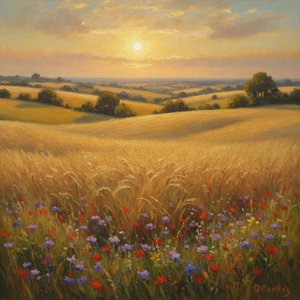
Golden Fields & Sun-Drenched Meadows: Capturing the Soul of Impressionist Landscapes
Immerse yourself in the luminous world of Impressionist landscapes. Discover how masters like Monet and Gauguin captured ephemeral light through plein air painting, and learn to bring the soul of sun-drenched meadows into your home with exquisite, hand-painted oil reproductions.

Beyond the Light: Capturing Raw Emotion and Subjective Vision in Post-Impressionist Landscapes
Explore the profound emotional depth of Post-Impressionist landscapes. Discover how masters like Van Gogh moved beyond light to capture raw human feeling through vibrant color and expressive texture in this expert art history retrospective.
探索按主题、风格和特征分类的艺术作品。


