

 实景预览
实景预览
 分享
分享 分享
分享
 详情
详情 指南
指南

 下载作品
下载作品
 相似作品
相似作品 X射线
X射线 幻灯片播放
幻灯片播放 问答
问答 统计数据
统计数据The Eternal Woman (study)


 展开全文
展开全文
艺术微喷/版画
博物馆级艺术微喷或帆布版画,制作高效,并提供多种饰面选择。 ( 订购纯手工绘制画作 切换至数字图像销售渠道)




P118B ¥10

P118H ¥10

P118W ¥10

P438Z ¥10

P508JH ¥12

P508YH ¥12

P805H ¥10

P805Z ¥10

P919BZ ¥10

P919G ¥10

P919XJ ¥10

P959ZH ¥10

P968JZ ¥12

W106C ¥8

W218G ¥10

W218JH ¥8

W218Y ¥10

W307PJ ¥10

W316G ¥10

W316PJ ¥8

W316Y ¥10

W398PJ ¥8

W4111J ¥10

W500HY ¥15

W500JH ¥15

W692G ¥12

W849H ¥8

W940BG ¥15

W953PJ ¥8




标准尺寸
定制
CM
INCH
您可以从与原作比例一致的预设尺寸中进行选择。
Loading sizes...

宽度
高度
请输入您所需的宽度和高度,以适配您的画框或墙面。由于印刷品只能进行裁剪,无法超出原图尺寸,因此若比例不一致,画面的一部分将会被裁切。在正式印刷之前,我们会为您发送一份数字效果图供您确认。本页面显示的图片并非最终裁剪后的效果——只有效果图才能展示真实的裁剪情况。


 玻璃选项仅适用于110厘米以下的尺寸。

The Eternal Woman (study)
艺术微喷/版画
复刻品尺寸
-


最终结算价
¥ 470
The Eternal Woman (study) by Paul Cézanne: A Study in Myth and Modernity
- Artist: Paul Cézanne
- Date: Unknown, circa 1877
- Style: Early Fauvism, Post-Impressionism
A Dynamic Depiction of Venus and Adonis
Paul Cézanne’s “The Eternal Woman (study)” offers a captivating glimpse into the artist's exploration of classical mythology through a strikingly modern lens. This artwork presents a vibrant and dynamic depiction of the mythological scene of Venus and Adonis, but rendered in a loose, expressive style that foreshadows the Fauvist movement. The composition is deliberately crowded and chaotic, with figures overlapping and interacting within a shallow space, creating a sense of immediacy and emotional intensity. At the center stands Venus, reclining elegantly amidst a throng of male admirers, each reacting to her presence with varying degrees of admiration, pursuit, and ultimately, despair.
Style and Technique: Embracing Color and Emotion
Cézanne prioritizes color and emotional impact over realistic representation in this piece. The painting utilizes bold, flattened shapes and simplified forms, a hallmark of his evolving style that would later influence Cubism. Lines are loose and gestural, contributing to the sense of movement and energy that permeates the canvas. Textures appear rough and impasto-like due to the visible brushstrokes and layering of oil paints on canvas. The dramatic lighting, with a strong directional light source illuminating Venus, creates deep shadows that define the forms and enhance the overall dynamism. The disregard for traditional perspective further emphasizes the artist's focus on conveying atmosphere and emotion rather than spatial accuracy.
Symbolism and Historical Context
“The Eternal Woman (study)” draws directly from classical mythology, specifically the tragic love story between Venus and Adonis. The symbolism is rich: Venus’s nudity represents beauty and desire, while the surrounding men embody a spectrum of human reactions to these forces. This work was created during a period when artists were increasingly moving away from strict academic realism towards more subjective and expressive forms of art. Cézanne's exploration of simplified forms and intense colors aligns with the burgeoning Fauvist movement, which sought to liberate color from its descriptive function and use it as a primary means of expression. The painting reflects a broader cultural fascination with classical themes reinterpreted through a modern sensibility.
Emotional Impact and Lasting Legacy
The emotional impact of “The Eternal Woman (study)” lies in its raw energy and expressive brushwork. The vibrant color palette – predominantly blues and reds contrasted with yellows and browns – amplifies the sense of drama and passion. While seemingly chaotic at first glance, the composition reveals a carefully considered arrangement that draws the viewer’s eye to Venus while simultaneously conveying the complex dynamics between her and her admirers. This work stands as a testament to Cézanne's revolutionary vision and his profound influence on the development of modern art, bridging the gap between Impressionism and Cubism and paving the way for future generations of artists.
常见问题与解答
塞尚 的《The Eternal Woman (study)》 采用了什么技法?
塞尚 在作品《The Eternal Woman (study)》中运用了 Oil On Canvas 技法。该技法界定了原作的材质特性。
为什么“The Eternal Woman (study)”目前的版权状态是这样的?
塞尚 的《The Eternal Woman (study)》 已进入 属于公有领域 —— 其版权已过期。版权保护期自艺术家逝世之日起计算,该艺术家于 1906 年逝世。
塞尚 的《The Eternal Woman (study)》中的主导色调是什么?
“The Eternal Woman (study)”呈现出Warm Sunset Tones色调。
相似作品


艺术家简介
波尔·塞尚:重塑艺术的革命性视界
波尔·塞尚(Paul Cézanne,1839-1906),诞生于普罗旺斯地区的艾克斯-昂-普罗旺斯,是连接印象主义转瞬即逝的光影与立体主义碎片化形式之间的一位伟大桥梁。他的艺术之路并非一帆风顺,反而是充满自我怀疑和批评的缓慢燃烧过程,最终成就了一项彻底改变现代艺术进程的遗产。塞尚出身于一个富裕的家庭——他的父亲最初是一位帽子制造商,后来成为一名银行家——这使他拥有了其他有抱负的艺术家罕见的经济保障,让他能够在没有商业成功的即时压力下全身心地投入到自己的热情之中。尽管他的父亲最初希望他走法律道路,但艺术表达的吸引力最终战胜了一切,他毅然放弃了法律事业,投身于绘画,这一决定将定义他的一生。早期的影响包括其青春期盛行的浪漫主义以及巴比松画派对风景的热爱,但正是通过与保罗·高更和乔治·修拉的相遇,以及他们对色彩和形式的创新方法,塞尚才开始开辟自己独特的道路。从黑暗到结构:风格的演变
塞尚早期的作品常常反映出浪漫主义绘画中具有戏剧性和情感张力的主题——画布上充斥着深色调和富有表现力的笔触。然而,这一初始阶段仅仅是他走向更为分析性和开创性的方法的一个过渡阶段。对简单捕捉光线的瞬间印象感到不满,印象派画家所推崇的这种方式,塞尚踏上了理解并呈现物体内在结构的探索之旅。他寻求的不仅仅是*看到什么*,而是*如何感知*构成现实的基本形式。这促使他将自然形状分解为几何等价物——锥体、圆柱体、球体——预示了数十年前立体主义革命的到来。他的技巧变得具有特征性的重复笔触,精心分层以构建复杂的色彩和纹理领域,从而创造出前所未见的实体感和深度。他并非对幻觉空间感兴趣;相反,他经常从多个视角同时呈现物体,挑战了传统的透视观念,迫使观众积极参与到他的构图的构建中。这种有意的扭曲并非任意,而是试图传达一种更完整的形式理解,代表的不仅是一个瞬间,更是感知的综合体。风景、静物与人像:主要作品和反复出现的主题
塞尚的作品涵盖了令人印象深刻的多样性,包括风景、静物、肖像以及对沐浴者的描绘,但所有这些都统一在他的独特形式和色彩方法之下。《雅斯-德-布凡的池塘》(The Pond at Jas de Bouffan),创作于1880年,体现了他对风景作品的研究,展示了他如何通过精心安排形状和色调来捕捉自然之精髓。艾米尔·佐拉的肖像(Portrait of Émile Zola),创作于1866年,揭示了他的风格发展,并提供了对其亲密好友兼作家智力激情的引人入胜一瞥。他的静物作品,如那些描绘苹果和其他水果的作品,不仅仅是对物体的再现,更是对体积、光线和空间关系的探索。《圣维克多尔山》(Mont Sainte-Victoire)系列成为了塞尚的痴迷,一个反复出现的主题,让他能够几十年如一日地研究形式和透视。这些画作并非仅仅是描绘一座山;它们是对我们如何感知深度、体积以及光线与阴影相互作用的研究。最后,他的沐浴者系列,描绘了田园风光的裸体形象,代表着对人体形式及其与自然的联系的深刻探索,常常蕴含着一种永恒和宁静的沉思。在创新中铸就的遗产:塞尚对现代艺术的影响
波尔·塞尚对后世艺术家的影响是不可估量的。他被广泛认为是“现代艺术之父”,因为他对绘画语言做出了开创性的贡献,为20世纪许多主要艺术运动铺平了道路。巴勃罗·毕加索和乔治·布拉克深深地欠于塞尚对几何形式和多重透视的强调,这些成为了立体主义的核心原则。他大胆的用色也启发了具有亨利·马蒂斯为首的野兽派运动。 即使是超现实主义艺术家也能在塞尚对主观感知和心理深度的探索中找到共鸣。 除了特定的运动之外,塞尚对艺术家的个人愿景的坚持以及他对传统学术约束的拒绝,解放了许多画家去探索新的表达形式。他挑战了对表征本身的定义,将重点从模仿现实转移到基于底层结构和主观感知构建视觉体验。 1906年他的去世标志着并非结束,而是开始——现代艺术史的新纪元,这一新纪元深受他的革命性视界的塑造。
塞尚
1839 - 1906 , 法国
艺术家简介
- Artistic Movement Or Style: 后印象派
- Artists Or Movements Influenced By This Artist:
- 立体主义
- 野兽派
- 超现实主义
- Artists Who Influenced This Artist:
- 浪漫主义
- 巴比松画派
- 保罗·高更
- 乔治·修拉
- Date Of Birth: 1839年1月19日
- Date Of Death: 1906年10月22日
- Full Name: 保罗·塞尚
- Nationality: 法国人
- Notable Artworks:
- Jas de Bouffan池塘
- 埃米尔·佐拉肖像
- 森林
- 圣维克多山系列
- 沐浴者
- Place Of Birth: 法国艾克斯-普罗旺斯
相关文章

Fauvism's Boldest Visions: 10 Masterpieces That Revolutionized Modern Art | TopImpressionists
Explore 10 Fauvist masterpieces by Matisse, Derain & Vlaminck that ignited Modern Art! Discover bold colors, expressionist landscapes & the history of this revolutionary movement. Find museum-quality prints at TopImpressionists.com.

保罗·塞尚:25幅大师杰作,重塑现代艺术与家居美学 | TopImpressionists
探索保罗·塞尚25幅经典杰作!深入了解后印象派大师的艺术生涯、独特技法与色彩运用。TopImpressionists提供高清油画复制品,为您的家居带来博物馆级艺术体验。立即发现更多名画,点亮生活空间!

Mastering Form: A Definitive Guide to the Structural Genius of Paul Cézanne
Explore the structural genius of Paul Cézanne. Discover how his mastery of geometric form and color bridged Impressionism and Cubism in this definitive guide for art enthusiasts and collectors.

保罗·克利25幅杰作:色彩与形式的艺术之旅 | TopImpressionists
探索保罗·克利25幅杰作,领略抽象艺术的魅力!深入了解克利作品背后的故事、色彩构成与艺术灵感。TopImpressionists.com提供高清油画复制品,为您的家居装饰增添艺术气息。立即在线探索完整系列!
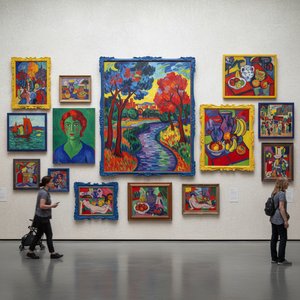
fauve艺术运动的十部巨作:色彩与激情的史诗
探索 fauve 艺术运动的十部杰作!马蒂斯、德兰伊等大师的色彩与激情,定义了现代艺术。深入了解绘画背后的故事,发现壁画、装饰画等经典作品。TopImpressionists.com 提供博物馆品质的艺术复制品和精选家居装饰方案。在线探索完整系列!
探索按主题、风格和特征分类的艺术作品。


