


 实景预览
实景预览
 发送
发送 分享
分享
 详情
详情 指南
指南

 下载图片
下载图片
 相似作品
相似作品 X射线
X射线 幻灯片播放
幻灯片播放 统计数据
统计数据The Sailor
 Oil On Canvas
- WallArt
- Post-Impressionism
 1906
1906- Modern
 107.0 x 74.0 cm
 阅读全文
阅读全文
手工油画复制品
由我们的艺术家按需定制,为您提供您所选尺寸及画框的布面手工油画。 ( 切换至版画销售渠道 切换至数字图像销售渠道)




P118B ¥10

P118H ¥10

P118W ¥10

P438Z ¥10

P508JH ¥12

P508YH ¥12

P805H ¥10

P805Z ¥10

P919BZ ¥10

P919G ¥10

P919XJ ¥10

P959ZH ¥10

P968JZ ¥12

W106C ¥8

W218G ¥10

W218JH ¥8

W218Y ¥10

W307PJ ¥10

W316G ¥10

W316PJ ¥8

W316Y ¥10

W398PJ ¥8

W4111J ¥10

W500HY ¥15

W500JH ¥15

W692G ¥12

W849H ¥8

W940BG ¥15

W953PJ ¥8




标准尺寸
定制
CM
INCH
您可以从与原作比例一致的预设尺寸中进行选择。
Loading sizes...

宽度
高度
您可以输入自定义尺寸,以适配特定的画框或空间。如果所选尺寸与原图比例不符,我们将通过裁剪作品或添加手绘元素来扩展画面。数字样稿将在制作开始前发送给您确认。
请注意,屏幕预览无法准确反映实际的裁剪或扩展效果,只有样稿才能真实呈现最终的构图。
虽然我们提供定制尺寸服务,但为了保留原作比例,建议您从预设列表中选择尺寸。
可定制示例:将面部替换为客户照片;添加宠物(例如,将猫替换为狗);在背景中加入隐藏信息;更改背景风景或元素。
下单后,TopImpressionists.com 团队将通过电子邮件联系客户获取具体要求,并提供效果预览图
下单后,TopImpressionists.com 团队将通过电子邮件联系客户获取具体要求,并提供效果预览图


 玻璃选项仅适用于110厘米以下的尺寸。

The Sailor
复制品材质
复刻品尺寸说明
-


总计金额
¥ 1810
A Visionary in Stillness: Decoding Cézanne’s "The Sailor"
In the twilight of his career, around 1906, Paul Cézanne produced a work that serves as a profound bridge between two eras of modernism. "The Sailor" is far more than a mere portrait; it is a masterclass in the transition from the fleeting light of Impressionism to the structured, geometric foundations of Cubism. As one gazes upon this canvas, there is an immediate sense of weight and permanence that defies the ephemeral nature of much of his contemporaries' work. The subject, a man clad in dark, somber attire, sits with a contemplative intensity that commands the viewer's attention. Through his heavy, deliberate application of paint, Cézanne invites us into a space where time seems to slow, allowing for a deep meditation on the relationship between the human form and the structured world around him.The Architecture of Color and Form
Cézanne’s technique in "The Sailor" reveals his revolutionary departure from purely optical realism. Rather than simply capturing how light dances across a surface, he sought to capture the essence of the subject through what is known as thick impasto brushstrokes. These heavy layers of pigment create a palpable texture, giving the canvas a sculptural quality that makes the man and his surroundings feel physically present. The palette is intentionally muted, dominated by deep blues, earthy browns, and shadows that lend the piece an air of quiet dignity. This controlled use of color does not merely decorate the scene; it builds a structural framework. By utilizing planes of color and rhythmic, repetitive strokes, Cézanne creates a sense of solidity, transforming a simple seated figure into a monumental presence that feels as enduring as stone.A Legacy of Solitude and Strength
Beyond the technical brilliance lies a profound emotional resonance that makes this piece an exquisite choice for discerning collectors and interior designers alike. There is a palpable sense of solitude within the composition—a quiet, introspective moment captured in the stillness of a room. The man’s posture, slightly slouched yet focused, suggests a deep internal dialogue, perhaps mirroring the artist's own struggle to redefine the boundaries of art. For those looking to adorn a space with a piece that evokes sophistication and intellectual depth, "The Sailor" offers an unparalleled atmosphere. It brings with it a sense of historical gravity and a timeless aesthetic that complements both classical and contemporary interiors, serving as a focal point that inspires contemplation and celebrates the enduring power of the human spirit.问答详情
塞尚 的《The Sailor》 使用了什么技法?
《The Sailor》采用Oil On Canvas创作。
是否有面向学生的 塞尚 的《The Sailor》 详情页?
塞尚 的《The Sailor》 的 指南 页面提供了一份可打印的两页式学生资料单:包含作品及其身份信息表、将其置于艺术家生平中的年代轴、艺术家的其他作品、经测量的色板,以及四种格式的即用型引用文献。
创作《The Sailor》时,塞尚 的年龄是多少?
塞尚 在 67 岁时创作了《The Sailor》。艺术家出生于 1839,该作品创作于 1906 年。
塞尚 的《The Sailor》 的复制品适合悬挂在什么位置?
凭借其Portrait的形态,建议将《The Sailor》复制品用于装饰Living Room。
“The Sailor”被归于哪位艺术家名下?
"The Sailor" 的创作者是 塞尚。该作品以 塞尚 的名义编入目录。
塞尚 的《The Sailor》 的技法与风格具有哪些特征?
“The Sailor”采用 Oil On Canvas 创作,呈现出 Post-Impressionism 风格。
"The Sailor" 是在哪一年创作的?
塞尚 的《The Sailor》创作于1906年。
相关艺术品


艺术家简介
波尔·塞尚:重塑艺术的革命性视界
波尔·塞尚(Paul Cézanne,1839-1906),诞生于普罗旺斯地区的艾克斯-昂-普罗旺斯,是连接印象主义转瞬即逝的光影与立体主义碎片化形式之间的一位伟大桥梁。他的艺术之路并非一帆风顺,反而是充满自我怀疑和批评的缓慢燃烧过程,最终成就了一项彻底改变现代艺术进程的遗产。塞尚出身于一个富裕的家庭——他的父亲最初是一位帽子制造商,后来成为一名银行家——这使他拥有了其他有抱负的艺术家罕见的经济保障,让他能够在没有商业成功的即时压力下全身心地投入到自己的热情之中。尽管他的父亲最初希望他走法律道路,但艺术表达的吸引力最终战胜了一切,他毅然放弃了法律事业,投身于绘画,这一决定将定义他的一生。早期的影响包括其青春期盛行的浪漫主义以及巴比松画派对风景的热爱,但正是通过与保罗·高更和乔治·修拉的相遇,以及他们对色彩和形式的创新方法,塞尚才开始开辟自己独特的道路。从黑暗到结构:风格的演变
塞尚早期的作品常常反映出浪漫主义绘画中具有戏剧性和情感张力的主题——画布上充斥着深色调和富有表现力的笔触。然而,这一初始阶段仅仅是他走向更为分析性和开创性的方法的一个过渡阶段。对简单捕捉光线的瞬间印象感到不满,印象派画家所推崇的这种方式,塞尚踏上了理解并呈现物体内在结构的探索之旅。他寻求的不仅仅是*看到什么*,而是*如何感知*构成现实的基本形式。这促使他将自然形状分解为几何等价物——锥体、圆柱体、球体——预示了数十年前立体主义革命的到来。他的技巧变得具有特征性的重复笔触,精心分层以构建复杂的色彩和纹理领域,从而创造出前所未见的实体感和深度。他并非对幻觉空间感兴趣;相反,他经常从多个视角同时呈现物体,挑战了传统的透视观念,迫使观众积极参与到他的构图的构建中。这种有意的扭曲并非任意,而是试图传达一种更完整的形式理解,代表的不仅是一个瞬间,更是感知的综合体。风景、静物与人像:主要作品和反复出现的主题
塞尚的作品涵盖了令人印象深刻的多样性,包括风景、静物、肖像以及对沐浴者的描绘,但所有这些都统一在他的独特形式和色彩方法之下。《雅斯-德-布凡的池塘》(The Pond at Jas de Bouffan),创作于1880年,体现了他对风景作品的研究,展示了他如何通过精心安排形状和色调来捕捉自然之精髓。艾米尔·佐拉的肖像(Portrait of Émile Zola),创作于1866年,揭示了他的风格发展,并提供了对其亲密好友兼作家智力激情的引人入胜一瞥。他的静物作品,如那些描绘苹果和其他水果的作品,不仅仅是对物体的再现,更是对体积、光线和空间关系的探索。《圣维克多尔山》(Mont Sainte-Victoire)系列成为了塞尚的痴迷,一个反复出现的主题,让他能够几十年如一日地研究形式和透视。这些画作并非仅仅是描绘一座山;它们是对我们如何感知深度、体积以及光线与阴影相互作用的研究。最后,他的沐浴者系列,描绘了田园风光的裸体形象,代表着对人体形式及其与自然的联系的深刻探索,常常蕴含着一种永恒和宁静的沉思。在创新中铸就的遗产:塞尚对现代艺术的影响
波尔·塞尚对后世艺术家的影响是不可估量的。他被广泛认为是“现代艺术之父”,因为他对绘画语言做出了开创性的贡献,为20世纪许多主要艺术运动铺平了道路。巴勃罗·毕加索和乔治·布拉克深深地欠于塞尚对几何形式和多重透视的强调,这些成为了立体主义的核心原则。他大胆的用色也启发了具有亨利·马蒂斯为首的野兽派运动。 即使是超现实主义艺术家也能在塞尚对主观感知和心理深度的探索中找到共鸣。 除了特定的运动之外,塞尚对艺术家的个人愿景的坚持以及他对传统学术约束的拒绝,解放了许多画家去探索新的表达形式。他挑战了对表征本身的定义,将重点从模仿现实转移到基于底层结构和主观感知构建视觉体验。 1906年他的去世标志着并非结束,而是开始——现代艺术史的新纪元,这一新纪元深受他的革命性视界的塑造。
塞尚
1839 - 1906 , 法国
快速概览
- Artistic Movement Or Style: 后印象派
- Artists Or Movements Influenced By This Artist:
- 立体主义
- 野兽派
- 超现实主义
- Artists Who Influenced This Artist:
- 浪漫主义
- 巴比松画派
- 保罗·高更
- 乔治·修拉
- Date Of Birth: 1839年1月19日
- Date Of Death: 1906年10月22日
- Full Name: 保罗·塞尚
- Nationality: 法国人
- Notable Artworks:
- Jas de Bouffan池塘
- 埃米尔·佐拉肖像
- 森林
- 圣维克多山系列
- 沐浴者
- Place Of Birth: 法国艾克斯-普罗旺斯
相关文章
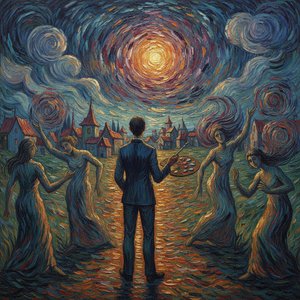
Beyond the Light: Capturing Emotion Through the Expressive Soul of Post-Impressionism
Explore the profound emotional depth of Post-Impressionism. Discover how masters like Van Gogh and Cézanne moved beyond light to capture raw feeling through color and texture. A journey into art history for the true connoisseur.


