





























从与原作比例一致的预设尺寸中进行选择。

您可以输入自定义尺寸,以适配特定的画框或空间。如果您选择的尺寸与原图比例不符,我们将对作品进行裁剪,或通过镜像填充/纯色填充边缘的方式来扩展图像。在开始制作之前,我们会向您发送一份数字效果图供您确认。
请注意,屏幕上的预览并不能反映实际的裁剪或扩展效果。只有效果图才能准确展示最终的构图。
虽然我们提供定制尺寸,但为了保持原图比例,我们建议您从预设列表中选择尺寸。

untitled (3567)
复制品尺寸
Gustave Doré’s “Prisoners’ Round,” a haunting depiction of incarcerated men walking in a desolate prison yard, transcends mere illustration; it is a profound meditation on suffering, confinement, and the human condition. Created in 1890, just months before the artist's tragic death, the painting embodies the Romantic spirit – a fervent embrace of emotion, dramatic lighting, and an exploration of dark themes. The work’s genesis lies in an engraving by Doré himself, originally illustrating London’s Newgate Prison, a poignant commentary on social injustice and the harsh realities of penal life. This initial inspiration was then reinterpreted through a woodblock reproduction, adding another layer to its complex narrative.

Doré’s mastery is immediately apparent in the painting’s meticulous execution. He employs a highly detailed engraving technique, characterized by dense cross-hatching that creates an astonishingly realistic texture – from the rough brickwork of the prison walls to the worn fabric of the prisoners' clothing. The dramatic use of light and shadow, a hallmark of Romanticism, intensifies the emotional impact, casting the scene in a perpetual twilight of despair. The composition is tightly framed, drawing the viewer’s eye directly to the central figures, amplifying their sense of isolation and vulnerability. Notice the deliberate flattening of perspective; this technique further contributes to the claustrophobic atmosphere, trapping the viewer within the confines of the prison yard.
“Prisoners’ Round” is rich in symbolic resonance. The circular path itself suggests a cyclical nature – an endless repetition of suffering and confinement. The prisoners, rendered as anonymous figures, represent not just those incarcerated physically but also the broader human condition, trapped by circumstance, guilt, or despair. The small white butterflies fluttering above the scene introduce a subtle element of hope—a fragile counterpoint to the overwhelming darkness. Some scholars believe that Van Gogh deliberately included a figure resembling himself within the crowd, adding a layer of personal anguish to the artwork’s broader themes. The painting's inspiration from Doré’s original engraving also carries historical weight, referencing the social and political anxieties surrounding imprisonment and punishment in Victorian England.
“Prisoners’ Round” has resonated across generations, finding its way into diverse artistic contexts. It served as a direct inspiration for Vincent van Gogh's own painting, solidifying Doré's influence on the artist. The image was famously recreated in Stanley Kubrick’s “A Clockwork Orange,” demonstrating its enduring power to evoke feelings of unease and psychological distress. Today, "Prisoners' Round" remains a powerful testament to Doré’s artistic vision – a haunting reminder of human vulnerability and the enduring struggle against darkness.

1832 - 1883 , 法国

Explore the profound history of biblical art! Discover Renaissance masterpieces by Giotto & more. Uncover symbolism, artistic techniques, and lasting influence. Expert insights at TopImpressionists.

Explore the art of multi-panel arrangements for impactful interiors. Expert guidance on spatial harmony, visual storytelling & psychological impact – perfect for luxury hotels and discerning collectors. Elevate your space with curated artwork.

Fall in love with art! Explore 10 iconic romantic paintings – from Renaissance classics to Impressionist masterpieces. Discover the stories behind artists like Monet & Klimt, and find museum-quality reproductions for your home at .

TopImpressionists助您甄选理想居室艺术风格!深入解析历史美学,提供个性化定制方案。经验丰富的艺术顾问团队,助力打造充满品味与格调的专属空间。精选名作,提升生活品质。
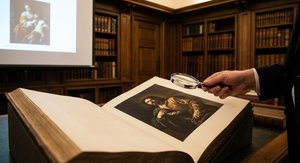
Explore the captivating power of dramatic scenes in art history. Discover Baroque masters like Ribera & Caravaggio, learn about chiaroscuro techniques, and gain insights for building a powerful art collection with TopImpressionists.


第一时间获取最新的艺术新闻、独家优惠及装饰灵感。
向我们介绍您的项目需求,我们的艺术专家将为您提供 3 个个性化的艺术品推荐。
由我们的专家为您精选 3 款心仪之作 —— 完全免费!


 效果预览
效果预览
 切换至手工绘画版
 分享
分享 分享
分享
 详情
详情

 下载
下载
 相似作品
相似作品 X射线
X射线 幻灯片播放
幻灯片播放

 展开详情
展开详情









 玻璃选项仅适用于110厘米以下的尺寸。


