


 实景预览
实景预览
 分享
分享 分享
分享
 详情
详情 指南
指南

 下载作品
下载作品
 相似作品
相似作品 X射线
X射线 幻灯片播放
幻灯片播放 Q&A
Q&A 统计数据
统计数据The Grammar


 展开全文
展开全文
艺术微喷/版画
博物馆级艺术微喷或帆布版画,制作高效,并提供多种饰面选择。 ( 订购纯手工绘制画作 切换至数字图像销售渠道)




P118B ¥10

P118H ¥10

P118W ¥10

P438Z ¥10

P508JH ¥12

P508YH ¥12

P805H ¥10

P805Z ¥10

P919BZ ¥10

P919G ¥10

P919XJ ¥10

P959ZH ¥10

P968JZ ¥12

W106C ¥8

W218G ¥10

W218JH ¥8

W218Y ¥10

W307PJ ¥10

W316G ¥10

W316PJ ¥8

W316Y ¥10

W398PJ ¥8

W4111J ¥10

W500HY ¥15

W500JH ¥15

W692G ¥12

W849H ¥8

W940BG ¥15

W953PJ ¥8




标准尺寸
定制
CM
INCH
您可以从与原作比例一致的预设尺寸中进行选择。
Loading sizes...

宽度
高度
请输入您所需的宽度和高度,以适配您的画框或墙面。由于印刷品只能进行裁剪,无法超出原图尺寸,因此若比例不一致,画面的一部分将会被裁切。在正式印刷之前,我们会为您发送一份数字效果图供您确认。本页面显示的图片并非最终裁剪后的效果——只有效果图才能展示真实的裁剪情况。


 玻璃选项仅适用于110厘米以下的尺寸。

The Grammar
艺术微喷/版画
复刻品尺寸
-


最终结算价
¥ 463
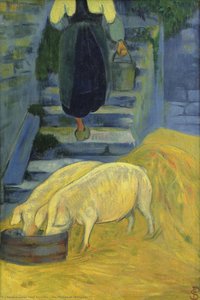
The Grammar: A Pioneering Exploration of Abstraction
Paul Sérusier’s “Grammar,” painted in 1892, stands as a pivotal work not just within the artist's oeuvre but also as a foundational piece in the development of modern art. More than simply a portrait, it’s an intensely personal and experimental exploration of color, form, and the very nature of representation – a bold step towards abstraction that profoundly influenced generations of artists to come. The painting depicts a woman seated on the ground, absorbed in reading a book, a scene rendered with remarkable intimacy and a deliberate departure from traditional academic styles.
Sérusier’s artistic journey was deeply intertwined with the burgeoning Nabis movement, a group of Symbolist painters who sought to move beyond mere imitation of nature towards expressing inner emotions and spiritual truths. He initially studied at the Académie Julian, but it was his summer sojourn in Pont-Aven, Brittany, that proved transformative. There, under the tutelage of Paul Gauguin – a figure whose influence extended far beyond technique – Sérusier encountered the revolutionary approach of Cloisonnism, championed by Gauguin himself. This style, characterized by sharply defined outlines and areas of flat color applied in small, separate strokes, aimed to mimic the appearance of stained glass, creating a sense of luminous clarity and symbolic resonance.
Cloisonnism and the Language of Color
“Grammar” exemplifies this Cloisonnism technique with striking precision. The woman’s figure is not rendered through subtle gradations of tone but rather defined by bold, distinct outlines – a deliberate simplification that prioritizes color and form over meticulous detail. Sérusier employs a vibrant palette, dominated by deep blues, greens, and ochres, creating an atmosphere both serene and slightly melancholic. The colors aren’t blended; instead, they are applied in small, separate strokes, building up layers of hue and texture. This technique, combined with the flattened perspective, creates a sense of immediacy and directness, as if the painting is capturing a fleeting moment of contemplation.
Crucially, Sérusier’s use of color isn't merely descriptive; it carries symbolic weight. The blues evoke a sense of introspection and mystery, while the greens suggest connection to nature – a key theme in Symbolist art. The muted ochres contribute to the painting’s overall feeling of quietude and contemplation. The deliberate choice of colors, rather than realistic representation, is central to the work's expressive power.
A Study in Form and Abstraction
Beyond its technical mastery, “Grammar” represents a significant shift towards abstraction. While not entirely devoid of recognizable forms – the woman’s figure, the book, the surrounding objects – the painting prioritizes the exploration of color and form over strict representation. The simplified shapes, flattened perspective, and emphasis on pure color anticipate later developments in abstract art, foreshadowing the work of artists like Kandinsky and Mondrian. It's a deliberate move away from photographic realism towards a more subjective and expressive approach to visual language.
The painting’s title, “Grammar,” is particularly intriguing. It suggests that Sérusier was not simply depicting a scene but rather exploring the fundamental building blocks of artistic expression – the elements of color, line, and form – in a way that transcends traditional representation. The book itself becomes a symbol of knowledge and contemplation, inviting the viewer to engage with the painting on a deeper level.
Legacy and Inspiration
“Grammar” remains a vital work in the history of modern art, demonstrating Sérusier’s pioneering spirit and his profound influence on subsequent generations. It's a testament to the power of abstraction to convey emotion, ideas, and spiritual truths. Reproductions of this evocative painting continue to inspire artists and collectors alike, offering a glimpse into the heart of artistic innovation and the enduring quest for new forms of visual expression.
常见问题与解答
我可以使用增强现实技术在我的房间里预览 保罗·塞吕西耶 的《The Grammar》 吗?
通过作品的 AR 效果预览 页面,您可以在兼容设备上使用增强现实技术,在自己的墙面上预览 保罗·塞吕西耶 的《The Grammar》。
"The Grammar" 的艺术风格与其创作时代有何关联?
保罗·塞吕西耶 的《The Grammar》 属于 Cloisonnism / Nabis 流派,创作于其作者的 19世纪 时期。
保罗·塞吕西耶 的《The Grammar》 的色彩饱和度与强度如何?
“The Grammar”的色彩饱和度为Muted,色彩强度为Monochromatic。
相似作品




艺术家简介
早年生活与教育
保罗·塞吕西埃,一位法国画家,于1864年11月9日出生在巴黎。他最初在朱利安美术学院学习,并在1880年代中期成为一名监视员。这标志着他艺术旅程的开始,最终将引领他开创抽象艺术并启发先锋派纳比运动、综合主义和罩染法。塞吕西埃并非出身于艺术世家,他对绘画的热情源自对色彩和形式的敏锐感知以及对传统学院派教学的反叛。早期的学习为他打下了坚实的基础,但真正塑造他独特风格的关键在于与新兴艺术家群体的接触。蓬阿万时期的艺术探索
1888年夏天,塞吕西埃前往蓬阿万,加入了一个以保罗·高更为中心的艺术家小团体。在高更的密切指导下,塞吕西埃创作了《护身符》,这是一项极端的罩染法练习,几乎达到了纯粹抽象的程度。这幅作品展示了他创新的风格和勇于尝试新技术的决心。《护身符》并非仅仅是对色彩的简单堆砌,它更是一种对绘画本质的深刻思考——摆脱客观现实的束缚,追求内在情感和精神表达。在蓬阿万,塞吕西埃与高更、贝尔纳等艺术家共同探索新的艺术语言,他们试图通过简化形式、强化色彩来传达更深层次的意义。这段经历对塞吕西埃的影响至关重要,他逐渐形成了自己独特的综合主义风格。纳比运动中的角色
作为一位后印象派画家,塞吕西埃是“纳比”团体的一员,与皮埃尔·邦纳、爱德华·武亚尔和莫里斯·丹尼斯等人并肩作战。尽管他不像一些同伴那样广为人知,但塞吕西埃对抽象艺术的发展做出了不可磨灭的贡献。《纳比》这个名字源于希伯来语“先知”,他们致力于创造一种具有象征意义和精神内涵的艺术。塞吕西埃在纳比运动中扮演着重要的角色,他积极参与团体的展览和讨论,并与其他成员共同探索新的绘画技巧和主题。他的作品常常带有神秘色彩和梦幻般的氛围,反映了他对内在世界的深刻思考。重要作品与艺术遗产
塞吕西埃的代表作包括:- 倾盆大雨 (1893) ,巴黎奥赛博物馆
- 保罗·兰松肖像 (1890) ,巴黎奥赛博物馆
- 忧郁 (1890)
- 蛇食者 (1894) ,华沙国家博物馆
艺术运动与影响
塞吕西埃的作品深受罩染法的影响,这种风格以大胆和平坦的形式和深色轮廓线为特征。这一运动在19世纪末出现,对现代艺术的发展起到了重要作用。塞吕西埃的绘画不仅仅是对色彩和形式的探索,更是一种对传统绘画观念的挑战。他通过简化现实、强化主观感受来创造一种具有独特表现力的艺术语言。此外,他还积极参与教学工作,在兰松美术学院任教,并于1921年出版了他的著作《绘画ABC》。塞吕西埃于1927年10月7日去世于莫尔莱克斯,但他对抽象艺术和纳比运动的贡献将永远被铭记。他的作品启发了无数艺术家,并在现代艺术史上留下了深刻的印记。
保罗·塞吕西耶
1864 - 1927 , 法国
艺术家简介
- 代表作品:
- 《逆风雨》
- 《保罗·兰松肖像》
- 出生地: 法国巴黎
- 出生日期: 1864年11月9日
- 受塞吕西耶影响的艺术家和运动: ['纳比派']
- 国籍: 法国
- 姓名: 路易-保罗-亨利·塞吕西耶
- 影响塞吕西耶的艺术家: ['保罗·高更']
- 艺术运动或风格: 后印象派、 cloisonnism
- 逝世日期: 1927年10月7日
相关文章

The Soul of Color: A Journey into the Emotional Resonance of Lyrical Abstraction
Embark on a cultural journey through Lyrical Abstraction. Explore how masters like Kandinsky used color and motion to translate emotion into visual poetry. Discover the profound beauty of abstract expressionism and learn to curate emotional resonance in your own art collection.