

 实景预览
实景预览
 分享
分享 分享
分享
 详情
详情 指南
指南

 下载作品
下载作品
 相似作品
相似作品 X射线
X射线 幻灯片播放
幻灯片播放 Q&A
Q&A 统计数据
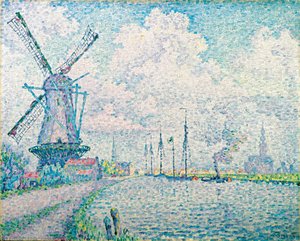
统计数据Dutch Mill at Edam

- 73.0 x 92.0 cm


A serene Neo-Impressionist view of a windmill and tranquil boats by Paul Signac captures the luminous essence of 1898 through masterful Pointillism, inviting you to bring this peaceful Dutch scene into your collection.
 展开全文
展开全文
保罗·西涅克 (1863-1935) 是新印象派的关键画家,点彩画大师。探索他充满活力的海岸风光、港口景色以及对现代艺术的影响!他的作品色彩鲜明,富有科学性,是后印象主义的重要代表。
艺术微喷/版画
博物馆级艺术微喷或帆布版画,制作高效,并提供多种饰面选择。 ( 订购纯手工绘制画作 切换至数字图像销售渠道)




P118B ¥10

P118H ¥10

P118W ¥10

P438Z ¥10

P508JH ¥12

P508YH ¥12

P805H ¥10

P805Z ¥10

P919BZ ¥10

P919G ¥10

P919XJ ¥10

P959ZH ¥10

P968JZ ¥12

W106C ¥8

W218G ¥10

W218JH ¥8

W218Y ¥10

W307PJ ¥10

W316G ¥10

W316PJ ¥8

W316Y ¥10

W398PJ ¥8

W4111J ¥10

W500HY ¥15

W500JH ¥15

W692G ¥12

W849H ¥8

W940BG ¥15

W953PJ ¥8




标准尺寸
定制
CM
INCH
您可以从与原作比例一致的预设尺寸中进行选择。
Loading sizes...

宽度
高度
请输入您所需的宽度和高度,以适配您的画框或墙面。由于印刷品只能进行裁剪,无法超出原图尺寸,因此若比例不一致,画面的一部分将会被裁切。在正式印刷之前,我们会为您发送一份数字效果图供您确认。本页面显示的图片并非最终裁剪后的效果——只有效果图才能展示真实的裁剪情况。


 玻璃选项仅适用于110厘米以下的尺寸。

Dutch Mill at Edam
艺术微喷/版画
复刻品尺寸
-


最终结算价
¥ 463
A Symphony of Light and Color in Edam
In the quietude of the late nineteenth century, few landscapes capture the essence of tranquil maritime life as poignantly as Paul Signac’s Dutch Mill at Edam. Created in 1898, this masterpiece serves as a window into a world where time seems to slow, anchored by the majestic presence of a windmill that stands as a sentinel over the shimmering waters. The scene is far more than a mere depiction of a Dutch landscape; it is a meticulously orchestrated dance of light and atmosphere. As the eye wanders across the canvas, one encounters a serene arrangement of boats drifting upon the water, their forms softly integrated into the surrounding environment. A few solitary figures are scattered throughout the composition, adding a touch of human narrative to the vastness of the scene, suggesting a moment of quiet reflection or the rhythmic, peaceful labor of life by the canal.
The true soul of this painting lies in Signac’s mastery of Neo-Impressionism. Moving beyond the spontaneous brushstrokes of his predecessors, Signac employed the rigorous technique of Pointillism to achieve a scientific yet deeply emotional harmony. Rather than blending pigments on a palette, he applied tiny, distinct dots of pure, unadulterated color directly onto the canvas. This method relies on the viewer's eye to perform the final act of creation, optically mixing the vibrant hues to produce a luminosity that feels almost alive. In Dutch Mill at Edam, this technique allows the sunlight to appear as if it is vibrating against the sails of the mill and dancing upon the ripples of the water, creating a sense of depth and brilliance that traditional blending could never achieve.
A Timeless Addition to the Sophisticated Interior
For the discerning collector or interior designer, this reproduction offers much more than visual beauty; it provides an emotional anchor for a room. The painting’s palette—a sophisticated blend of soft blues, earthy tones, and luminous highlights—possesses a unique ability to evoke feelings of peace and stability. It is a piece that invites contemplation, making it an ideal centerpiece for a study, a quiet reading nook, or a grand living space where one wishes to introduce a sense of historical depth and classical elegance.
Integrating such a high-quality hand-painted reproduction into a modern decor scheme allows for a striking contrast between contemporary minimalism and the rich, textured heritage of the Post-Impressionist era. The structural rhythm of the windmill and the rhythmic application of color dots provide a sophisticated texture that complements both neutral palettes and more eclectic, colorful environments. To own this work is to possess a fragment of art history—a tribute to the scientific beauty of light and the enduring charm of the Dutch landscape, rendered with the precision and passion of a true master.
常见问题与解答
保罗·西涅克 (Bǎo Luó·Xī Né Kè) 的《Dutch Mill at Edam》 描绘了怎样的场景,又传达了怎样的意境?
保罗·西涅克 (Bǎo Luó·Xī Né Kè) 的《Dutch Mill at Edam》 将 windmill, boats, water, people, sails, sky 与 Serene 的氛围完美融合。
保罗·西涅克 (Bǎo Luó·Xī Né Kè) 的《Dutch Mill at Edam》 为室内空间增添了怎样的氛围?
凭借其Serene的意境,建议将“Dutch Mill at Edam”装饰于Living Room。
保罗·西涅克 (Bǎo Luó·Xī Né Kè) 的《Dutch Mill at Edam》 的色彩浓郁度如何?
保罗·西涅克 (Bǎo Luó·Xī Né Kè) 的《Dutch Mill at Edam》 中的色彩呈现出 Balanced 的强度。
相似作品




艺术家简介
保罗·西涅克:和谐的视觉探索
保罗·维克多·儒勒·西涅克,1863年出生于巴黎,是现代艺术发展史上的关键人物,与新印象派的诞生和演变密不可分。最初对建筑感兴趣,年轻时偶然接触到克劳德·莫奈的展览,在他心中点燃了对绘画持久的热情,开启了他重新定义色彩理论和艺术表达道路的旅程。西涅克不仅仅是一位画家;他是一位致力于探索光、色彩以及视觉感知的科学基础的探求者。他的早期作品虽然表现出印象派的倾向,但很快在乔治·修拉的影响下发展起来,形成了一种以精确地运用微小的、纯粹的点彩为特征的合作关系——这种技术旨在通过光学混合在观众眼中融合色彩。这不仅仅是关于美学;它是一种系统化绘画的尝试,将绘画根植于科学原理并挑战传统的艺术规范。与修拉的对话和新印象派的诞生
1884年西涅克与修拉相遇对两位艺术家都产生了变革性的影响。他们共同对欧仁·德拉克洛瓦关于色彩理论的著作着迷,特别是他对互补对比以及色调的情感冲击的探索。两人一起对这些原理进行了严格的研究,并将它们转化为一种革命性的绘画技术。西涅克全心拥抱修拉的愿景,放弃了印象派那种转瞬即逝的笔触,转而采用精确、计算的点彩法。1886年的《克利希大道》是这种新方法的早期见证,展示了西涅克一丝不苟的风格以及他通过科学视角捕捉城市生活活力的决心。然而,他们的合作不仅仅是技术上的;它也是智力上的,源于他们共同提升绘画水平至严谨科学水平的愿望。西涅克成为修拉思想的热忱倡导者,不知疲倦地推广新印象派并捍卫其原则免受批评。修拉1891年早逝使西涅克成为了他们共同艺术愿景的主要捍卫者,他以坚定不移的奉献精神承担了这个角色。海岸遐想与艺术独立
在修拉去世后,西涅克的艺术之旅进入了一个新的维度,深受他对航海的热爱和地中海海岸的吸引力所影响。1892年他在圣特罗佩发现了家园,这里成为了艺术家们的避风港和源源不断的灵感来源。波光粼粼的海水、阳光普照的海港以及风景如画的沿海城镇为探索光线与色彩的相互作用提供了理想的环境。《红浮标,圣特罗佩》(1895年)是这一时期的代表作,展示了他掌握点彩法捕捉海洋鲜艳色调和动态能量的能力。他的技术不断发展,在保持其科学基础的同时变得更加流畅和富有表现力。他开始尝试使用更大的笔触和更广泛的调色板,超越了严格遵守修拉精确的点彩法的做法。西涅克的旅行范围扩展到法国以外,包括意大利、荷兰甚至君士坦丁堡,每一次旅程都丰富了他的艺术词汇并拓宽了他的视野。先锋派赞助人与持久遗产
除了他自己的艺术追求之外,西涅克还在通过他在艺术家独立协会中的领导作用来促进现代艺术的发展中发挥了关键作用。从1908年到1935年去世,他担任协会主席,倡导艺术自由并为新兴人才提供平台,包括亨利·马蒂斯、安德烈·德兰以及其他野兽派和立体派的先驱者。他是最早一批认识并支持他们突破性作品的人之一,展出了一些挑战传统审美规范的有争议的作品。西涅克对包容性的承诺和他拥抱创新的意愿塑造了20世纪艺术的发展轨迹。他的理论著作,特别是《从德拉克洛瓦到新印象派》(1899年),进一步巩固了他作为艺术界领先知识分子的地位。保罗·西涅克的遗产远远超出了他迷人的绘画;他是一位富有远见的艺术家、一位敬业的理论家和一位慷慨的赞助人,深刻影响了现代艺术的发展进程,为后代艺术家留下了不可磨灭的印记。关键日期与成就
- 1863年:出生于法国巴黎。
- 1884年:与乔治·修拉共同创立艺术家独立协会。
- 1886年:创作《克利希大道》,这是早期点彩法的关键作品。
- 1895年:创作《红浮标,圣特罗佩》,展示了他对海岸风光掌握能力。
- 1899年:出版《从德拉克洛瓦到新印象派》,这是一部关于色彩理论的开创性著作。
- 1908 – 1935年:担任艺术家独立协会主席,倡导先锋派艺术家。
- 1935年:在巴黎去世,享年72岁,留下丰富的艺术遗产。

保罗·西涅克 (Bǎo Luó·Xī Né Kè)
1863 - 1935 , 法国
艺术家简介
- Artistic Movement Or Style: 新印象派、点彩画派
- Artists Or Movements Influenced By This Artist:
- 亨利·马蒂斯
- 野兽派
- 安德烈·德兰
- Artists Who Influenced This Artist:
- 克劳德·莫奈
- 乔治·修拉
- Date Of Birth: 1863年11月11日
- Date Of Death: 1935年8月15日
- Full Name: 保罗·维克多·儒勒·西涅克
- Nationality: 法国国籍
- Notable Artworks (List Of Titles):
- 克利希大道
- 红色浮标
- 拉瓦卢斯
- 自行车场
- 科里尤尔海滩
- Place Of Birth (City And Country): 法国巴黎
相关文章

Golden Light & Dutch Skies: The Timeless Magic of Dutch Golden Age Landscapes
Discover the breathtaking beauty of Dutch Golden Age landscapes. Explore the mastery of light, chiaroscuro, and 17th-century realism through an expert art history lens, celebrating the enduring legacy of the Dutch Masters for discerning collectors and art lovers.

Mastering Light & Shadow: A Journey Through the Dutch Golden Age's Luminous Legacy
Embark on a cultural journey through the Dutch Golden Age. Explore the masterful interplay of light and shadow in 17th-century masterpieces, from Rembrandt to Vermeer, and discover how this era of profound realism continues to inspire fine art collectors today.


