


 效果预览
效果预览
 分享
分享 分享
分享
 详情
详情 指南
指南

 下载
下载
 相似作品
相似作品 X射线
X射线 幻灯片播放
幻灯片播放 统计数据
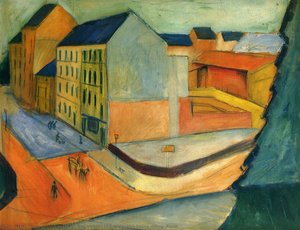
统计数据View from the studio window of the artist in Paris
 Oil On Canvas
- WallArt
- Early Expressionism
 1900
1900 48.0 x 37.0 cm
 不来梅艺术馆
Experience 'View from the Studio Window,' Paula Modersohn-Becker's evocative Parisian scene. A poignant glimpse into her life & art, capturing urban beauty with emotional depth.
 展开详情
展开详情
Paula Modersohn-Becker (1876-1907) 是一位先锋表现主义画家,以大胆的自画像和对母性的深刻描绘而闻名。她的作品挑战传统观念,对20世纪初的艺术发展产生了深远影响,是德国现代艺术的重要代表人物。
手工油画复制品
由我们的艺术家按需定制,为您提供您所选尺寸及画框的布面手工油画。 ( 切换至版画销售渠道 切换至数字图像销售渠道)




P118B $10

P118H $10

P118W $10

P438Z $10

P508JH $12

P508YH $12

P805H $10

P805Z $10

P919BZ $10

P919G $10

P919XJ $10

P959ZH $10

P968JZ $12

W106C $8

W218G $10

W218JH $8

W218Y $10

W307PJ $10

W316G $10

W316PJ $8

W316Y $10

W398PJ $8

W4111J $10

W500HY $15

W500JH $15

W692G $12

W849H $8

W940BG $15

W953PJ $8




标准尺寸
定制
CM
INCH
从与原作比例一致的预设尺寸中进行选择。
Loading sizes...

宽度
高度
您可以输入自定义尺寸,以适配特定的画框或空间。如果所选尺寸与原图比例不符,我们将通过裁剪作品或添加手绘元素来扩展画面。数字样稿将在制作开始前发送给您确认。
请注意,屏幕预览无法准确反映实际的裁剪或扩展效果,只有样稿才能真实呈现最终的构图。
虽然我们提供定制尺寸服务,但为了保留原作比例,建议您从预设列表中选择尺寸。
可定制示例:将面部替换为客户照片;添加宠物(例如,将猫替换为狗);在背景中加入隐藏信息;更改背景风景或元素。
下单后,TopImpressionists.com 团队将通过电子邮件联系客户获取具体要求,并提供效果预览图。
下单后,TopImpressionists.com 团队将通过电子邮件联系客户获取具体要求,并提供效果预览图。


 玻璃选项仅适用于110厘米以下的尺寸。

View from the studio window of the artist in Paris
复制材质
复制品尺寸
-


最终总价
$ 269
A Window Into the Soul: Paula Modersohn-Becker’s “View from the Studio Window of the Artist in Paris”
Painted in 1900, during a pivotal period in her artistic development, Paula Modersohn-Becker's "View from the Studio Window of the Artist in Paris" is more than just a landscape; it’s a profound meditation on selfhood, observation, and the burgeoning currents of early Expressionism. The painting captures a hazy Parisian vista seen through the open window of her studio – a space that served as both sanctuary and crucible for her creative process. It's a deceptively simple composition, yet brimming with layers of meaning and emotional resonance.
Modersohn-Becker’s style at this time is characterized by a delicate balance between observation and subjective feeling. She employs loose, expressive brushstrokes—a hallmark of the Worpswede school to which she briefly belonged – creating an atmosphere of diffused light and atmospheric perspective. The buildings in the background are rendered with a certain vagueness, almost dissolving into the misty haze, while the foreground elements – a few trees, a distant street corner – retain a sharper focus, drawing the viewer’s eye inward. The palette is muted, dominated by cool blues, greys, and browns, punctuated by subtle hints of ochre and rose, lending the scene a melancholic beauty.
The Artist as Observer: A Portrait in Miniature
Crucially, this painting isn't simply a depiction of Paris; it’s a self-portrait. Modersohn-Becker positioned herself within the composition, subtly integrated into the landscape. This intimate inclusion invites us to consider the artist not just as a creator of images, but as an active participant in the world she observes. The placement of her figure—slightly off-center and partially obscured by the window frame—suggests a sense of detachment, yet simultaneously emphasizes her connection to the scene. It’s a quiet assertion of presence, a declaration that the artist's gaze shapes the very reality being captured.
The painting’s historical context is vital to understanding its significance. Modersohn-Becker was navigating a male-dominated art world in late 19th and early 20th century Germany, where women artists faced significant barriers to recognition. Her decision to focus on self-portraits—particularly those depicting pregnancy and motherhood—was a radical act of defiance, challenging conventional representations of female identity and asserting her right to explore the complexities of her own experience.
Symbolism and Emotional Resonance
The hazy atmosphere surrounding the buildings in Paris is laden with symbolism. It evokes a sense of longing, perhaps for a world beyond her immediate surroundings, or a reflection on the transient nature of beauty and memory. The muted colors contribute to this feeling of wistfulness, while the open window suggests an invitation—a glimpse into the artist’s inner world. The painting's emotional impact is profoundly intimate; it speaks to themes of isolation, introspection, and the search for meaning in a rapidly changing world.
Furthermore, the inclusion of the clock in the scene adds another layer of complexity. Time itself becomes a subject of contemplation—a reminder of the fleeting nature of life and the artist’s own mortality. It's a subtle yet powerful element that underscores the painting’s underlying themes of reflection and self-awareness.
A Legacy of Intimacy
“View from the Studio Window of the Artist in Paris” remains one of Modersohn-Becker’s most compelling works, offering a rare and intimate glimpse into her artistic vision. It's a testament to her courage as an artist and her ability to transform personal experience into universal themes. Today, reproductions of this painting continue to resonate with viewers who appreciate its delicate beauty, profound symbolism, and the enduring power of self-expression.
相似艺术品




艺术家简介
一位内视先驱:保拉·莫德松-贝克尔的一生与艺术
保拉·莫德松-贝克尔,这个名字在早期现代艺术的史册中回响着静谧的力量,是一位敢于向内心探索的艺术家。她于1876年2月8日出生于德国德累斯顿,Minna Hermine Paula Becker是她的本名,不幸的是,她在1907年11月30日于沃普斯韦德去世,短暂的三十年里,她开创了非凡的艺术创新和个人勇气的道路。她的故事并非一帆风顺、生前备受赞誉;相反,它证明了个体声音的持久力量,挑战传统并以毫不妥协的诚实探索人类经验的深度。保拉出身于一个相对富裕的家庭,这个家庭笼罩着微妙的阴影——她的叔叔曾试图刺杀普鲁士国王——她的艺术倾向得到了培养,尽管社会期望对她施加了压力。她在伦敦和柏林接受过早期训练,但真正激发她创作灵感的却是位于不莱梅北部沃普斯韦德的艺术家殖民地的氛围。在那里,在志同道合者的社群中,她开始摆脱学术传统的束缚,踏上了一条独特的个人艺术语言之旅。通往表达之路:影响与艺术发展
莫德松-贝克尔的艺术演变并非线性的;它是一个不断质疑、实验和完善的过程。最初受到印象派的影响,她早期的风景画和肖像画表现出对光线的敏感性和氛围感,但她很快感到受其局限性所束缚。1899年前往巴黎旅行以及随后的1903年和1905年的访问成为一个关键时刻。沉浸在法国首都充满活力的艺术氛围中,她遇到了保罗·塞尚、保罗·高更、文森特·梵高等后印象派大师的作品。这些艺术家解放了她,不再仅仅追求表面的再现,而是鼓励她探索色彩、形式和构图的表现潜力。这些画家的影响在她日益大胆的笔触和简化的形式中显而易见。然而,莫德松-贝克尔并非简单地模仿;她将这些影响与自己的深切情感和观察融为一体。她在沃普斯韦德圈子内与埃米尔·诺尔德和弗朗茨·克鲁姆巴赫等艺术家的相遇进一步推动她走向一种更具情感冲击力和主观风格。她开始专注于肖像画,特别是女性和母亲的肖像画,力求捕捉她们不仅外貌上的相似之处,而且内在的生活——她们的脆弱、力量和复杂性。她试图描绘主题的本质,超越表面的外观来揭示其深层心理。打破界限:自画像与身份探索
莫德松-贝克尔作品中最具突破性的方面是她的自画像系列,特别是那些描绘自己裸体或怀孕的自画像。这些作品在当时具有革命性意义,挑战了社会规范和艺术惯例,这些规范规定了应该如何表现女性——或者说,*不应该*如何直接而毫不妥协地表现她们。她不是将自己呈现为欲望的对象;相反,她利用自己的身体作为探索身份、女性气质、母性和人类状况的媒介。《戴着项链的自画像》、《第六次结婚纪念日自画像》以及其他无数自画像不仅仅是对形式和色彩的研究;它们是深刻的心理调查。它们揭示了一个女人在努力理解自我,质疑社会期望并肯定其艺术能动性的形象。这些绘画是大胆的自我表达行为,为后代女性艺术家铺平了道路,使她们能够通过艺术探索自己的身份和经历。她敢于面对禁忌话题并挑战传统审美观念,巩固了她作为真正先驱者的地位。她以罕见诚实地审视自己,创作出既脆弱又充满力量的图像。遗产与持久影响
保拉·莫德松-贝克尔短暂的事业创造了一批惊人的作品——超过700幅绘画和1000幅素描。尽管生前鲜为人知,但她对德国表现主义发展的影响现在已得到广泛认可。她被认为是连接印象派与表现主义之间关键人物,为恩斯特·路德维希·基尔希纳和埃米尔·诺尔德等艺术家奠定了基础。1927年,一项具有里程碑意义的事件巩固了她在艺术史上的地位:在不莱梅成立保拉·莫德松-贝克尔博物馆——第一家专门致力于女性艺术家作品的博物馆。这一举动不仅仅是对她艺术成就的致敬;它承认了她作为女性艺术家的重要性以及女性在艺术领域进步的象征。她的绘画今天仍然引起观众共鸣,提供对人类状况、母性、身份和意义探寻的永恒见解。她是一位超前于时代的女性,其艺术愿景继续挑战和激励着我们。作品中的关键主题
- 母性:莫德松-贝克尔对母亲和儿童的描绘尤其感人,捕捉了母爱的复杂性、脆弱性和社会期望。
- 自画像:她的自画像代表了一种激进的自我探索行为,并挑战了艺术中女性的传统表现形式。
- 身份:这位艺术家一生都在努力解决身份问题,探索女性气质、婚姻和艺术独立等主题。
- 人类状况:她的作品经常反映出对人类经验的深刻同情心,以诚实和心理深度描绘主题。
- 精神追寻:一种精神渴望感贯穿于她的大部分艺术作品中,反映了她在快速变化的世界中寻求意义和联系。

保拉·莫德松-贝克尔
1876 - 1907 , 德国
艺术家简介
- Artistic Movement Or Style: 表现主义
- Artists Or Movements Influenced By This Artist: ['德国表现主义']
- Artists Who Influenced This Artist:
- 塞尚
- 高更
- 梵高
- Date Of Birth: 1876年2月8日
- Date Of Death: 1907年11月30日
- Full Name: Paula Modersohn-Becker
- Nationality: 德国国籍
- Notable Artworks (List Of Titles):
- 颈链自画像
- 母与婴孩
- 虎百合少女
- Place Of Birth (City And Country): 德国德累斯顿
相关文章

Unmasking Emotion: A Journey Through the Raw Power and Visceral Beauty of German Expressionism
Explore the raw emotional power of German Expressionism. From Kirchner to Die Brücke, discover how artists used distortion and vibrant color to unmask the human psyche. A deep dive into art history for the discerning collector and enthusiast.

Beyond Reality: The Dreamlike Power of Surrealist Expressionism and the Subconscious Mind
Explore the profound depths of Surrealist Expressionism. Discover how masters like Dalí used dream logic and subconscious imagery to redefine reality through emotionally resonant, museum-quality art.