


 实景预览
实景预览
 发送
发送 分享
分享
 详情
详情 指南
指南

 下载图片
下载图片
 相似作品
相似作品 X射线
X射线 幻灯片播放
幻灯片播放 统计数据
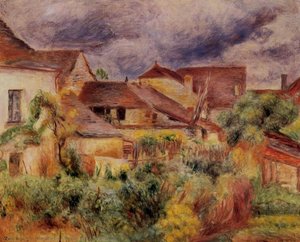
统计数据La Roche-Guyon


Discover Pierre-Auguste Renoir's 'La Roche-Guyon,' a serene landscape capturing village charm & Impressionist light. Explore this iconic painting’s details, artistic style, and its place in art history.
 阅读全文
阅读全文
“印象主義畫家雷諾爾,以捕捉光線與色彩的靈動變化聞名於世。他的作品如《 Moulin de la Galette》和《 午餐遊艇派對》,充滿了歡樂與美感,持續影響後人,成為藝術史上的經典。”
艺术微喷/版画
博物馆级艺术微喷或帆布版画,制作高效,并提供多种饰面选择。 ( 订购此收藏品的纯手工复刻画作 切换至数字图像销售渠道)




P118B ¥10

P118H ¥10

P118W ¥10

P438Z ¥10

P508JH ¥12

P508YH ¥12

P805H ¥10

P805Z ¥10

P919BZ ¥10

P919G ¥10

P919XJ ¥10

P959ZH ¥10

P968JZ ¥12

W106C ¥8

W218G ¥10

W218JH ¥8

W218Y ¥10

W307PJ ¥10

W316G ¥10

W316PJ ¥8

W316Y ¥10

W398PJ ¥8

W4111J ¥10

W500HY ¥15

W500JH ¥15

W692G ¥12

W849H ¥8

W940BG ¥15

W953PJ ¥8




标准尺寸
定制
CM
INCH
您可以从与原作比例一致的预设尺寸中进行选择。
Loading sizes...

宽度
高度
请输入您所需的宽度和高度,以适配您的画框或墙面。由于印刷品只能进行裁剪,无法超出原图尺寸,因此若比例不一致,画面的一部分将会被裁切。在正式印刷之前,我们会为您发送一份数字效果图供您确认。本页面显示的图片并非最终裁剪后的效果——只有效果图才能展示真实的裁剪情况。


 玻璃选项仅适用于110厘米以下的尺寸。

La Roche-Guyon
艺术微喷/版画
复刻品尺寸说明
-


总计金额
¥ 464
La Roche-Guyon: A Serene Vision of Rural Life by Pierre-Auguste Renoir
Pierre-Auguste Renoir’s “La Roche-Guyon,” painted in 1885, isn't merely a landscape; it’s an immersion into a fleeting moment of idyllic tranquility. The painting captures the essence of a small French village nestled within the verdant folds of the Vexin region, a place seemingly untouched by the anxieties and rapid changes of its time. More than just a picturesque scene, “La Roche-Guyon” embodies Renoir’s signature Impressionist style – an attempt to capture not just what is seen, but also the *feeling* of light, atmosphere, and the transient beauty of everyday life.
The composition immediately draws the eye to the prominent house with its distinctive red roof, a beacon amidst the surrounding greenery. This central structure isn’t imposing; rather, it feels integrated into the landscape, as if grown organically from the earth itself. Smaller buildings—a modest chapel, perhaps, or a farmer's dwelling—are scattered thoughtfully throughout the scene, adding to the village’s charm and sense of community. Renoir masterfully employs a technique of layering trees – some close enough to almost touch the houses, others receding into the distance – creating an illusion of depth that pulls the viewer into this peaceful world. The artist's use of broken brushstrokes and vibrant color is particularly evident in the dappled sunlight filtering through the leaves, lending the scene a luminous quality that feels both realistic and dreamlike.
The Impressionist Palette: Light and Color as Subject
Renoir’s approach to painting was deeply influenced by his contemporaries within the Impressionist movement. Like Monet and Sisley, he prioritized capturing the effects of light on color rather than meticulously rendering every detail. In “La Roche-Guyon,” this is strikingly evident. The greens are not uniform; they range from deep emerald to pale lime, reflecting the varying conditions of light and shadow. Similarly, the reds of the roof and other structures aren’t solid blocks of color but instead shimmer with hints of orange and pink, mirroring the warmth of the sun. This deliberate manipulation of color is central to Renoir's ability to evoke a specific mood – one of serenity, warmth, and quiet contemplation.
The painting’s atmosphere is remarkably peaceful, almost suspended in time. It’s as if the scene has been captured at a moment when life unfolds at its own unhurried pace. The absence of figures—no villagers strolling through the streets, no children playing—further contributes to this sense of stillness and invites the viewer to simply *be* within the painting's embrace.
A Window into Renoir’s World and Artistic Context
To understand “La Roche-Guyon,” it’s helpful to consider Renoir’s broader artistic journey. Initially apprenticed as a porcelain painter, he found his true calling in capturing the vibrancy of Parisian life and the beauty of the natural world. His early works were influenced by artists like Rubens and Watteau, who emphasized sensuality and elegance. However, he also absorbed elements from Realist painters such as Courbet and Manet, particularly their depictions of modern urban scenes. “La Roche-Guyon” represents a culmination of these influences – a harmonious blend of beauty, observation, and Impressionistic technique.
The painting’s creation coincided with Renoir's time spent in La Roche-Guyon, a village he frequented during the summers of 1885 and 1886. This personal connection undoubtedly informed his artistic choices, allowing him to capture not just a landscape but also a feeling of belonging and appreciation for the simple pleasures of rural life. It’s a testament to Renoir's ability to transform an ordinary scene into something extraordinary through his masterful use of color, light, and composition.
Beyond the Canvas: Exploring Renoir’s Legacy
“La Roche-Guyon” stands as a significant example of Impressionism’s impact on art history. The movement's emphasis on capturing fleeting moments and subjective experiences revolutionized painting techniques and challenged traditional notions of representation. Renoir’s work, alongside that of Monet, Degas, and Cézanne, helped to establish the Impressionists as leading figures in the late 19th-century art world.
If you're captivated by the beauty and tranquility of “La Roche-Guyon,” TopImpressionists.com offers exquisite hand-painted reproductions that faithfully capture the painting’s original charm. Explore our collection to bring this timeless masterpiece into your home or office, allowing its serene atmosphere to inspire and uplift.
Further Exploration: For a deeper dive into Renoir's artistic life, we recommend visiting our artist page or browsing our selection of other Impressionist masterpieces at TopImpressionists.com.
问答详情
我该如何获取雷诺阿 的《La Roche-Guyon》的数字文件?
您可以在 数字图像 页面直接购买 “La Roche-Guyon” 的 高分辨率数字图像下载。
我可以在全屏幻灯片模式下观看“La Roche-Guyon”吗?
您可以在作品的幻灯片播放页面上观看“La Roche-Guyon”的幻灯片展示。
“La Roche-Guyon”代表了雷诺阿艺术生涯的哪个阶段?
在雷诺阿的艺术生涯中,"La Roche-Guyon"创作于Mature Period时期。这一阶段有助于将其与艺术家的其他作品进行比较。
相关艺术品


艺术家简介
光与生机的诗人:皮埃尔-奥古斯特·雷诺阿
皮埃尔-奥古斯特·雷诺阿,这位诞生于1841年法国利穆日的艺术家,其一生如同一首欢快的颂歌,献给阳光、色彩和人间的欢乐。从瓷器工坊的学徒到印象派大师,雷诺阿的艺术之路并非一帆风顺,却始终闪耀着对美的执着追求与对生活的热爱。他的童年时光在巴黎度过,这座充满活力的大都市为他提供了无尽的灵感源泉。最初,为了生计,他不得不从事瓷器绘画工作,但这并未阻碍他对艺术的渴望。频繁光顾卢浮宫,细致研究大师们的作品,逐渐培养了他对美的敏锐感知和精湛的绘画技巧。年轻时的雷诺阿在查尔斯·格莱尔的工作室学习,在那里结识了莫奈、西思蕾等未来的印象派同伴,这为他们共同开启一场艺术革命奠定了基础。从现实主义到光芒四射的印象
雷诺阿的艺术生涯并非一蹴而就,他的创作受到多种风格的影响,并不断演变。早期,他深受古斯塔夫·柯贝和马奈等现实主义大师的影响,力求真实地描绘当代生活。然而,鲁本斯与瓦托作品中那充满光彩的色彩和感性的造型却深深吸引了他,激发他对美的追求和对欢乐场景的偏爱。这些早期的影响逐渐融合,形成了雷诺阿独特的艺术风格,其特点是鲜艳的色彩、跳跃的笔触以及捕捉瞬间光影效果的能力。1874年,他积极参与了第一次印象派画展,尽管最初受到了一些批评,但这次展览标志着他对传统学术规范的挑战和对全新艺术视野的拥抱。雷诺阿的作品,如《Moulin de la Galette的舞蹈》,正是这种风格的典范,它将观众带入巴黎夜生活的生动场景之中,感受那阳光洒落下的欢快氛围。捕捉生命中的转瞬即逝:代表作与主题
雷诺阿的画作是对生活简单快乐的颂歌——亲密的聚会、沐浴在阳光下的风景以及人体的优美形态。他的《波雅特河畔野餐》堪称其最具代表性的作品之一,描绘了一群朋友悠闲地享受着塞纳河畔的午后时光。这幅画作完美地展现了他捕捉光线和运动的能力,人物被温暖的阳光笼罩,水面泛着粼粼波光。而《浴后的女人》则体现了雷诺阿对女性身体之美的细腻描绘,柔和的色调和优雅的姿态令人赏心悦目。《Bougival的舞蹈》同样是一件杰作,他运用流畅的笔触捕捉了瞬间的印象和氛围,营造出一种动感和即兴的感觉。雷诺阿并非关注宏大的历史叙事或戏剧性的寓言,而是专注于描绘日常生活中蕴含的美好,将平凡的时刻提升为艺术作品。向形式与结构转变:晚年与遗产
1890年代,雷诺阿的风格发生了一个显著的变化。虽然他从未完全放弃印象派的根基,但他开始转向更具雕塑感和古典主义的创作手法,这受到他在意大利旅行以及对形式和结构的重新关注的影响。随着年龄增长,关节炎逐渐限制了他的行动能力,迫使他调整绘画技巧。尽管面临这些挑战,雷诺阿仍然坚持不懈地进行创作,他的作品呈现出更加饱满的人物形象和更温暖的色调。晚年的画作往往流露出一种沉思的氛围,但依然保留着对美的赞颂这一贯注的主题。除了艺术成就之外,雷诺阿的家族也为世界贡献了宝贵的文化遗产——他的儿子让·雷诺成为了一位著名的电影导演,将创造精神传承给后代。1919年,皮埃尔-奥古斯特·雷诺阿离开了人世,留下了无数令人惊叹的作品,这些作品至今仍激励着并取悦着世界各地的观众。他无疑是艺术史上最受喜爱的艺术家之一,以其非凡的能力捕捉生活中的欢乐和人类体验之美而闻名于世。持久的影响
- 雷诺阿对后世艺术家的影响是不可否认的。他对光、色彩以及捕捉瞬间的强调为许多现代艺术运动铺平了道路。
- 他对美的赞颂和感性表达至今仍能引起观众的共鸣,使他的作品具有普遍吸引力。
- 他在确立印象派作为艺术史上一股重要力量方面发挥了关键作用,挑战了传统惯例并为艺术表达开辟了新的可能性。
- 他画作经久不衰的人气——在无数海报、日历和其他商品上被复制——证明了他的作品具有永恒的品质。

雷诺阿
1841 - 1919 , 法国
快速概览
- Artistic Movement Or Style: 印象派
- Artists Or Movements Influenced By This Artist: 印象派
- Artists Who Influenced This Artist:
- 鲁本斯
- 瓦陶
- Date Of Birth: 1841年2月25日
- Date Of Death: 1919年12月3日
- Full Name: 皮埃尔-奥古斯特·雷诺阿
- Nationality: 法国人
- Notable Artworks:
- 《磨坊舞会》
- 《塞纳河畔的午宴》
- 《沐浴女郎》
- 《布吉瓦尔的舞蹈》
- Place Of Birth: 法国利穆日
相关文章

保罗·塞尚:25幅大师杰作,重塑现代艺术与家居美学 | TopImpressionists
探索保罗·塞尚25幅经典杰作!深入了解后印象派大师的艺术生涯、独特技法与色彩运用。TopImpressionists提供高清油画复制品,为您的家居带来博物馆级艺术体验。立即发现更多名画,点亮生活空间!

Impressionistic Landscapes: 10 Masterpieces That Changed Art & Decor
Journey into the heart of Impressionism! Explore 10 masterpieces by Monet, Renoir & Degas that revolutionized landscape art. Discover their stories, techniques & find museum-quality reproductions to elevate your home decor on TopImpressionists.com.

雷诺阿大师25幅经典之作:光影中的艺术与生活 | TopImpressionists
探索雷诺阿25幅经典之作,感受印象派大师的光影魅力与色彩诗意。从《舞会》到《煎饼磨坊》,TopImpressionists为您呈现艺术背后的故事与技巧。高品质艺术复制品,点亮您的家居空间!立即在TopImpressionists.com探索完整系列。

Evocations of Place: A Historical Journey Through Landscape Art
Explore the rich history of landscape art with TopImpressionists. Discover renowned artists, movements like Impressionism & Romanticism, and expert guidance for collecting timeless pieces. Find your perfect serene escape today!

Evocations of Place: A Historical Journey Through Landscape Art
Explore the rich history of landscape art with TopImpressionists. Discover renowned artists, movements like Impressionism & tonalism, and expert guidance for collecting timeless pieces. Find your perfect serene escape today!
探索按主题、风格和特征分类的艺术作品。


