


 实景预览
实景预览
 发送
发送 分享
分享
 详情
详情 指南
指南

 下载图片
下载图片
 相似作品
相似作品 X射线
X射线 幻灯片播放
幻灯片播放 统计数据
统计数据The Spring 1

Discover "The Spring 1" by Pierre-Auguste Renoir – a dreamy Impressionist portrait of a nude woman in lush foliage. Explore its soft brushstrokes, romantic mood & timeless beauty. Perfect for art lovers!
 阅读全文
阅读全文
“印象主義畫家雷諾爾,以捕捉光線與色彩的靈動變化聞名於世。他的作品如《 Moulin de la Galette》和《 午餐遊艇派對》,充滿了歡樂與美感,持續影響後人,成為藝術史上的經典。”
艺术微喷/版画
博物馆级艺术微喷或帆布版画,制作高效,并提供多种饰面选择。 ( 订购此收藏品的纯手工复刻画作 切换至数字图像销售渠道)




P118B ¥10

P118H ¥10

P118W ¥10

P438Z ¥10

P508JH ¥12

P508YH ¥12

P805H ¥10

P805Z ¥10

P919BZ ¥10

P919G ¥10

P919XJ ¥10

P959ZH ¥10

P968JZ ¥12

W106C ¥8

W218G ¥10

W218JH ¥8

W218Y ¥10

W307PJ ¥10

W316G ¥10

W316PJ ¥8

W316Y ¥10

W398PJ ¥8

W4111J ¥10

W500HY ¥15

W500JH ¥15

W692G ¥12

W849H ¥8

W940BG ¥15

W953PJ ¥8




标准尺寸
定制
CM
INCH
您可以从与原作比例一致的预设尺寸中进行选择。
Loading sizes...

宽度
高度
请输入您所需的宽度和高度,以适配您的画框或墙面。由于印刷品只能进行裁剪,无法超出原图尺寸,因此若比例不一致,画面的一部分将会被裁切。在正式印刷之前,我们会为您发送一份数字效果图供您确认。本页面显示的图片并非最终裁剪后的效果——只有效果图才能展示真实的裁剪情况。


 玻璃选项仅适用于110厘米以下的尺寸。

The Spring 1
艺术微喷/版画
复刻品尺寸说明
-


总计金额
¥ 463
A Glimpse of Eden: Exploring Renoir’s “The Spring 1”
This captivating painting, unequivocally in the style of Pierre-Auguste Renoir, transports us to a sun-dappled haven where beauty and tranquility reign. It's an intimate portrait of a nude woman immersed within the burgeoning life of spring – a scene that embodies the core tenets of Impressionism: fleeting moments, sensual delight, and the evocative power of light.Impressionistic Harmony: Style & Technique
“The Spring 1” is a masterclass in Impressionistic technique. Renoir’s signature loose brushstrokes are immediately apparent, dissolving form into shimmering patches of color. The soft focus isn't a lack of skill, but rather an intentional choice to capture the *impression* of light and atmosphere, prioritizing feeling over precise detail. Observe how the artist builds texture through layered paint, creating a palpable sense of depth within the lush foliage. The organic lines echo the natural world, mirroring the curves of the woman’s body and the swaying branches overhead. This isn't about photographic realism; it’s about conveying an emotional experience – a feeling of warmth, serenity, and perhaps, a touch of wistful longing.A Celebration of Femininity & Nature
The subject matter itself is deeply rooted in Renoir’s artistic preoccupations. He was renowned for his depictions of women, not as distant ideals but as vibrant, sensual beings enjoying life's pleasures. Here, the woman isn’t posed; she *exists* within this idyllic landscape, a harmonious extension of nature herself. The muted palette – soft pinks, earthy browns, and verdant greens – further enhances this sense of naturalism and intimacy. Her expression is serene, yet carries a subtle melancholic undertone, inviting contemplation.Symbolic Resonance: Fertility & Vulnerability
Beyond its aesthetic appeal, “The Spring 1” invites symbolic interpretation. The abundant foliage speaks to themes of fertility, growth, and the renewal inherent in springtime. Her nudity, a recurring motif in Renoir’s work (and harking back to classical traditions), isn't overtly provocative but rather alludes to vulnerability, innocence, and an uninhibited connection with nature. It represents a return to a more primal state of being, free from the constraints of societal expectations.Renoir & The Impressionist Revolution
To understand this painting fully, it’s crucial to consider its historical context. Pierre-Auguste Renoir (1841-1919) was a leading figure in the Impressionist movement, which emerged as a radical departure from academic art traditions of the 19th century. Impressionists rejected rigid rules and sought to capture the subjective experience of light and color *en plein air* – outdoors, directly observing nature. Renoir’s work, alongside that of Monet, Degas, and others, challenged conventional notions of beauty and paved the way for modern art. His artistic lineage extends back through masters like Rubens and Watteau, artists who also celebrated sensuality and the joys of life.Emotional Impact & Interior Design
“The Spring 1” evokes a sense of peaceful contemplation and romantic nostalgia. Its soft colors and dreamlike quality make it an ideal addition to interiors seeking a calming and sophisticated ambiance. Imagine this piece gracing a bedroom, living room, or study – its presence would undoubtedly inspire tranquility and invite moments of quiet reflection. A high-quality reproduction will capture the essence of Renoir’s brushwork and luminosity, bringing a touch of Impressionistic magic into your space.问答详情
雷诺阿 的《The Spring 1》 的色彩和谐度如何?
"The Spring 1" 的色彩和谐度记录为 Unified Palette。
什么样的摆放方式最适合 雷诺阿 的《The Spring 1》 的画幅?
雷诺阿 的《The Spring 1》 的 Tall 格式推荐用于 Living Room。画幅与空间的结合,将为您提供复制品摆放的指引。
"The Spring 1" 的主题与 雷诺阿 常有的创作主题有何关联?
在雷诺阿已记录的主题——impressionist light & color, classical beauty ideals, nature's serene embrace, romantic, sensual mood, french artistic tradition, renoir's female subjects, exploring fleeting moments——之中,"The Spring 1" 则将焦点转向了nude figure, impressionism, landscape, botanical, romance, soft light, french art, renoir。
相关艺术品


艺术家简介
光与生机的诗人:皮埃尔-奥古斯特·雷诺阿
皮埃尔-奥古斯特·雷诺阿,这位诞生于1841年法国利穆日的艺术家,其一生如同一首欢快的颂歌,献给阳光、色彩和人间的欢乐。从瓷器工坊的学徒到印象派大师,雷诺阿的艺术之路并非一帆风顺,却始终闪耀着对美的执着追求与对生活的热爱。他的童年时光在巴黎度过,这座充满活力的大都市为他提供了无尽的灵感源泉。最初,为了生计,他不得不从事瓷器绘画工作,但这并未阻碍他对艺术的渴望。频繁光顾卢浮宫,细致研究大师们的作品,逐渐培养了他对美的敏锐感知和精湛的绘画技巧。年轻时的雷诺阿在查尔斯·格莱尔的工作室学习,在那里结识了莫奈、西思蕾等未来的印象派同伴,这为他们共同开启一场艺术革命奠定了基础。从现实主义到光芒四射的印象
雷诺阿的艺术生涯并非一蹴而就,他的创作受到多种风格的影响,并不断演变。早期,他深受古斯塔夫·柯贝和马奈等现实主义大师的影响,力求真实地描绘当代生活。然而,鲁本斯与瓦托作品中那充满光彩的色彩和感性的造型却深深吸引了他,激发他对美的追求和对欢乐场景的偏爱。这些早期的影响逐渐融合,形成了雷诺阿独特的艺术风格,其特点是鲜艳的色彩、跳跃的笔触以及捕捉瞬间光影效果的能力。1874年,他积极参与了第一次印象派画展,尽管最初受到了一些批评,但这次展览标志着他对传统学术规范的挑战和对全新艺术视野的拥抱。雷诺阿的作品,如《Moulin de la Galette的舞蹈》,正是这种风格的典范,它将观众带入巴黎夜生活的生动场景之中,感受那阳光洒落下的欢快氛围。捕捉生命中的转瞬即逝:代表作与主题
雷诺阿的画作是对生活简单快乐的颂歌——亲密的聚会、沐浴在阳光下的风景以及人体的优美形态。他的《波雅特河畔野餐》堪称其最具代表性的作品之一,描绘了一群朋友悠闲地享受着塞纳河畔的午后时光。这幅画作完美地展现了他捕捉光线和运动的能力,人物被温暖的阳光笼罩,水面泛着粼粼波光。而《浴后的女人》则体现了雷诺阿对女性身体之美的细腻描绘,柔和的色调和优雅的姿态令人赏心悦目。《Bougival的舞蹈》同样是一件杰作,他运用流畅的笔触捕捉了瞬间的印象和氛围,营造出一种动感和即兴的感觉。雷诺阿并非关注宏大的历史叙事或戏剧性的寓言,而是专注于描绘日常生活中蕴含的美好,将平凡的时刻提升为艺术作品。向形式与结构转变:晚年与遗产
1890年代,雷诺阿的风格发生了一个显著的变化。虽然他从未完全放弃印象派的根基,但他开始转向更具雕塑感和古典主义的创作手法,这受到他在意大利旅行以及对形式和结构的重新关注的影响。随着年龄增长,关节炎逐渐限制了他的行动能力,迫使他调整绘画技巧。尽管面临这些挑战,雷诺阿仍然坚持不懈地进行创作,他的作品呈现出更加饱满的人物形象和更温暖的色调。晚年的画作往往流露出一种沉思的氛围,但依然保留着对美的赞颂这一贯注的主题。除了艺术成就之外,雷诺阿的家族也为世界贡献了宝贵的文化遗产——他的儿子让·雷诺成为了一位著名的电影导演,将创造精神传承给后代。1919年,皮埃尔-奥古斯特·雷诺阿离开了人世,留下了无数令人惊叹的作品,这些作品至今仍激励着并取悦着世界各地的观众。他无疑是艺术史上最受喜爱的艺术家之一,以其非凡的能力捕捉生活中的欢乐和人类体验之美而闻名于世。持久的影响
- 雷诺阿对后世艺术家的影响是不可否认的。他对光、色彩以及捕捉瞬间的强调为许多现代艺术运动铺平了道路。
- 他对美的赞颂和感性表达至今仍能引起观众的共鸣,使他的作品具有普遍吸引力。
- 他在确立印象派作为艺术史上一股重要力量方面发挥了关键作用,挑战了传统惯例并为艺术表达开辟了新的可能性。
- 他画作经久不衰的人气——在无数海报、日历和其他商品上被复制——证明了他的作品具有永恒的品质。

雷诺阿
1841 - 1919 , 法国
快速概览
- Artistic Movement Or Style: 印象派
- Artists Or Movements Influenced By This Artist: 印象派
- Artists Who Influenced This Artist:
- 鲁本斯
- 瓦陶
- Date Of Birth: 1841年2月25日
- Date Of Death: 1919年12月3日
- Full Name: 皮埃尔-奥古斯特·雷诺阿
- Nationality: 法国人
- Notable Artworks:
- 《磨坊舞会》
- 《塞纳河畔的午宴》
- 《沐浴女郎》
- 《布吉瓦尔的舞蹈》
- Place Of Birth: 法国利穆日
相关文章

Beyond the Light: Capturing Raw Emotion and Subjective Vision in Post-Impressionist Landscapes
Explore the profound emotional depth of Post-Impressionist landscapes. Discover how masters like Van Gogh moved beyond light to capture raw human feeling through vibrant color and expressive texture in this expert art history retrospective.

The Beauty of Impermanence: Capturing Decay through Impressionist Eyes
Explore the profound beauty of impermanence through Impressionist and Post-Impressionist eyes. Discover how masters like Monet and Van Gogh captured fleeting light and the poetic essence of nature's transitions in our deep dive into art history and emotional landscapes.
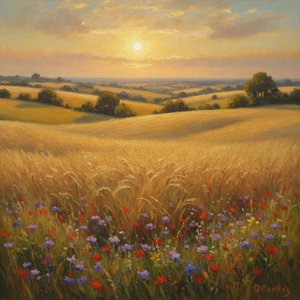
Golden Fields & Sun-Drenched Meadows: Capturing the Soul of Impressionist Landscapes
Immerse yourself in the luminous world of Impressionist landscapes. Discover how masters like Monet and Gauguin captured ephemeral light through plein air painting, and learn to bring the soul of sun-drenched meadows into your home with exquisite, hand-painted oil reproductions.

Capturing the Soul: The Most Emotionally Moving Impressionist and Post-Impressionist Masterpieces
Discover the profound emotional depth of Impressionist and Post-Impressionist masterpieces. Explore how legends like Monet, Van Gogh, and Gauguin captured light and soul through evocative landscapes and vibrant brushwork for a timeless connection to art history.

The Art of Connection: Capturing Beautiful Gatherings through Impressionist Masterpieces
Explore the profound beauty of human connection through Impressionist and Post-Impressionist masterpieces. Discover how masters like Renoir and Van Gogh captured light, emotion, and communal joy in timeless works of art designed to inspire your home.
探索按主题、风格和特征分类的艺术作品。


