


 实景预览
实景预览
 发送
发送 分享
分享
 详情
详情 指南
指南

 下载图片
下载图片
 相似作品
相似作品 X射线
X射线 幻灯片播放
幻灯片播放 统计数据
统计数据Midday
 Oil On Canvas
- WallArt
- Contemporary Realism
 1927
1927- Modern
 69.0 x 92.0 cm
 Courtauld Gallery
A serene moment of rural connection unfolds in Raymond James Coxon's 1927 oil painting Midday, where masterful realism and warm ochre tones capture the tranquil beauty of the Surrey countryside for your collection.
 阅读全文
阅读全文
英国艺术家雷蒙德·詹姆斯·考克森(1896-1997)擅长创作风景、肖像及抽象作品。他以大胆的人物形象和二战战争艺术闻名,其艺术风格在数十年的创作生涯中不断演变。
手工油画复制品
由我们的艺术家按需定制,为您提供您所选尺寸及画框的布面手工油画。 ( 切换至版画销售渠道 切换至数字图像销售渠道)




P118B $10

P118H $10

P118W $10

P438Z $10

P508JH $12

P508YH $12

P805H $10

P805Z $10

P919BZ $10

P919G $10

P919XJ $10

P959ZH $10

P968JZ $12

W106C $8

W218G $10

W218JH $8

W218Y $10

W307PJ $10

W316G $10

W316PJ $8

W316Y $10

W398PJ $8

W4111J $10

W500HY $15

W500JH $15

W692G $12

W849H $8

W940BG $15

W953PJ $8




标准尺寸
定制
CM
INCH
您可以从与原作比例一致的预设尺寸中进行选择。
Loading sizes...

宽度
高度
您可以输入自定义尺寸,以适配特定的画框或空间。如果所选尺寸与原图比例不符,我们将通过裁剪作品或添加手绘元素来扩展画面。数字样稿将在制作开始前发送给您确认。
请注意,屏幕预览无法准确反映实际的裁剪或扩展效果,只有样稿才能真实呈现最终的构图。
虽然我们提供定制尺寸服务,但为了保留原作比例,建议您从预设列表中选择尺寸。
可定制示例:将面部替换为客户照片;添加宠物(例如,将猫替换为狗);在背景中加入隐藏信息;更改背景风景或元素。
下单后,TopImpressionists.com 团队将通过电子邮件联系客户获取具体要求,并提供效果预览图
下单后,TopImpressionists.com 团队将通过电子邮件联系客户获取具体要求,并提供效果预览图


 玻璃选项仅适用于110厘米以下的尺寸。

Midday
复制品材质
复刻品尺寸说明
-


总计金额
$ 269
Raymond James Coxon: A Legacy of Rural Landscapes and Bold Portraits
Raymond James Coxon (August 18, 1896 – January 31, 1997) was an English artist whose prolific career spanned nearly a century, leaving an indelible mark on the landscape and portrait painting traditions of his time. Born in Hanley, Staffordshire, he embarked on a journey that began with military service during World War I and culminated in a distinguished artistic life characterized by unwavering dedication to craft and exploration of diverse stylistic approaches. Coxon’s formative years instilled within him a profound appreciation for observation and detail—qualities that would permeate his subsequent artistic endeavors. Early Life and Artistic Training Coxon's upbringing fostered an early interest in art, propelling him towards formal education at Leek High School followed by enrollment at Leeds School of Art and subsequently the Royal College of Art. His formative years were particularly enriched by a friendship with Henry Moore, forging connections that would influence their artistic trajectories. The RCA’s curriculum under Sir William Rothenstein instilled in Coxon a rigorous approach to composition and color theory—elements he skillfully incorporated into his mature works. He honed his skills through intensive studio practice and embraced experimentation with various mediums, establishing himself as a versatile artist capable of capturing both grandeur and intimacy. Midday: A Moment Frozen in Time “Midday,” painted circa 1927, exemplifies Coxon’s signature style—a masterful blend of realism and expressive brushwork that conveys a palpable sense of tranquility and connection between humans and animals within the serene backdrop of Surrey countryside. Executed on canvas measuring 69 x 92 cm, this oil painting resides at The Courtauld Gallery in London, United Kingdom, safeguarding its artistic heritage for future generations. Coxon’s deliberate use of warm hues—particularly ochre and amber—creates an atmosphere of warmth and luminosity, mirroring the golden light filtering through the trees during midday hours. The Composition Speaks Volumes The painting depicts a man standing beside a horse, while another person sits on the ground near a cow. A third figure is seen walking towards them, adding a subtle dynamism to the scene without disrupting the overall stillness. Coxon’s meticulous attention to detail—evident in the textured brushstrokes capturing the contours of the horse’s musculature and the gentle folds of the cow’s hide—demonstrates his commitment to portraying subjects with accuracy and sensitivity. Furthermore, the inclusion of two horses and a cow underscores the significance of livestock within rural life—a theme recurrent throughout Coxon's oeuvre. Exploring Similar Works and Artistic Influences For those interested in delving deeper into Coxon’s artistic vision, “Dewpond,” completed shortly after Midday, offers another compelling glimpse into his ability to capture the evocative beauty of Surrey landscapes. Similarly, works by artists such as Anthony Vandyke Copley Fielding and John Wilson Carmichael showcase diverse stylistic approaches—ranging from Impressionistic brushstrokes to meticulous realism—reflecting the broader artistic currents of the early 20th century. Examining these comparative pieces illuminates Coxon’s evolution as an artist and underscores his enduring contribution to British art history. A Timeless Reflection on Rural Harmony “Midday” transcends mere visual representation; it embodies a profound appreciation for the natural world and the harmonious coexistence between humans and animals—themes that resonate powerfully with viewers today. Raymond James Coxon's legacy continues to inspire artists and collectors alike, securing his place as one of England’s most respected landscape painters. Its quiet grandeur serves as a poignant reminder of simpler times and the enduring beauty found in observing the rhythms of rural life.艺术家简介
百年视野:雷蒙德·詹姆斯·考克森的一生与传承
二十世纪英国艺术史的叙述往往聚焦于突如其来的艺术运动与激进的风格变革,然而,很少有人能像雷蒙德·詹姆斯·考克逊(Raymond James Coxon)这样,如此深刻地体现出艺术演进中那股持久不息的精神。1896年出生于斯塔福德郡汉利,考克逊的艺术旅程跨越了近一个世纪的创意探索,展现出惊人的生命力与风格广度。他的生命轨迹深受历史动荡潮汐的影响——从第一次世界大战那令人心碎的惨烈经历,到战后重建时期宁静而沉思的时刻。这幅宏大的时间画布让他得以亲眼见证并参与英国美学景观的转型,见证了艺术如何从他青年时代严谨的古典根基,逐步迈向更加细腻且具实验性的现代主义。
考克逊的艺术身份是在利兹艺术学院与皇家艺术学院这些享有盛誉的殿堂中锻造而成的。正是在这些塑造性格的关键岁月里,他在威廉·罗森斯坦爵士(Sir William Rothenstein)等影响力人物的悉心指导下,培养了对技艺精湛近乎虔诚的追求。他早期的学术成就堪称雄心勃勃;其毕业作品是一幅受马萨乔《逐出伊甸园》启发的宏伟壁画,这幅作品展现了一位年轻艺术家驾驭宏大古典叙事与复杂人类情感的能力。这一时期也伴随着重要的社交纽带,最著名的便是他与传奇雕塑家亨利·摩尔(Henry Moore)的友谊,这使考克逊置身于一个充满活力的艺术家圈层之中,而正是这个圈层后来重新定义了英国雕塑与绘画的边界。
从战场到画布
由于在第一次世界大战期间服役于机枪兵团,考克逊的职业轨迹发生了不可逆转的改变。尽管战争带来了巨大的苦难,但也为他提供了一个独特且直观的视角,这种视角永远地影响了他的观察技巧。在骑兵部门服役期间,考克逊利用水彩小品来记录前线那稍纵即逝、往往极其残酷的现实。这些小尺幅的作品如同窥视混乱世界的私密窗口,要求极高的精准度与捕捉氛围的能力,而这后来也成为了他广泛艺术作品中的标志性特征。这段记录时期的经历在他心中植入了一种对“瞬间”重要性的深刻理解——即通过画笔尖端冻结时间的艺术能力。
随着数十年的岁月流逝,考克逊的作品开始反映出一种从纯粹具象形式向外迈出的迷人步伐。尽管他始终深植于风景与肖像画的传统之中,但一种向抽象主义靠拢的趋势已清晰可见。他的风景画,例如充满感染力的《萨里郡的迪温庞德》(Dewpond, Surrey),展示了对光影与地形的高超掌控力,同时也暗示了对自然界更深层、更具结构性的理解。同样,他的肖像画——以优雅的休息中的模特(Model Resting)为代表——通过对色调与形态的精妙运用来传达人物的神韵与存在感,将他训练中获得的古典纪律与现代对于纹理和空间的敏锐感知完美融合。
持久的艺术印记
雷蒙德·詹姆斯·考克逊的意义不仅在于其题材的广泛性,更在于他能够在不断变迁的艺术时代中保持其作品的生命力。他的作品集构成了连接维多利亚时代晚期传统主义价值观与二十世纪中期实验精神的一座桥梁。无论是捕捉《特雷马多克》(Tremadoc)那粗犷的美感,还是探索人体结构的复杂性,考克逊的作品始终锚定于对绘画技艺的真诚奉献。
回望他的一生,便是在追溯英国艺术本身的演进过程:
- 技艺精湛:建立在古典原则与严谨学术训练之上的基石。
- 历史见证:一位其视野因亲历全球冲突而变得锐利的艺术家。
- 风格多变:从细腻的水彩小品到大胆的抽象探索,实现了无缝的艺术转型。
- 深远影响:一份由终身致力于观察与诠释周围世界所定义的艺术遗产。

雷蒙德·詹姆斯·考克森
1896 - 1997 , 英国
快速概览
- Artistic Movement Or Style: 风景与肖像画;抽象作品
- Artists Or Movements Influenced By This Artist: ['马萨乔']
- Artists Who Influenced This Artist: ['亨利·摩尔']
- Date Of Birth: 1896年8月18日
- Date Of Death: 1997年1月31日
- Full Name: 雷蒙德·詹姆斯·考克森
- Nationality: 英国
- Notable Artworks:
- 模特休息
- 特雷马多克
- 正午
- Place Of Birth: 英国汉利
相关文章

康斯塔布尔大师之作:25幅传世风景画赏析 | TopImpressionists
探索康斯塔布尔的25幅传世杰作!沉浸于英国田园风光,感受浪漫主义绘画大师的光影与色彩。高清油画复制、艺术品购买尽在TopImpressionists.com,为您的家居增添经典之美。立即在线探索完整系列!
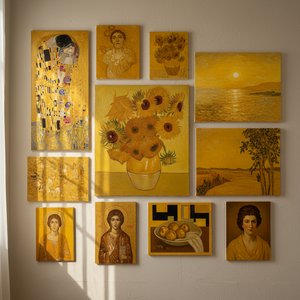
Golden Hues: Top 10 Paintings Dominated by Yellow Ochre |
Explore 10 iconic paintings bathed in golden yellow ochre! From Van Gogh's sunflowers to Monet’s haystacks, discover the stories behind these masterpieces. Find museum-quality art reproductions & elevate your home decor on .

Sandstone & Sunlight: 10 Masterpieces of Earth-Toned Art |
Journey through 10 iconic paintings bathed in 'sand' tones – from Van Gogh to Monet. Explore the stories, techniques & warm palettes of these timeless masterpieces. Find museum-quality art reproductions at and bring classic beauty home.

Earthy Hues & Masterpieces: Top 10 Paintings Dominated by Clay Tones |
Explore 10 iconic paintings dominated by rich clay tones – from Rembrandt's warmth to Van Gogh’s earthy landscapes. Discover art history, techniques & find museum-quality reproductions at . Explore the full collection online!

Earthy Hues & Masterpieces: Top 10 Paintings with 'Mushroom' Tones |
Explore 10 iconic paintings with captivating 'mushroom' tones! Discover Van Gogh, Monet & Rembrandt’s masterpieces—earthy palettes, rich history & artistic techniques. Find museum-quality art reproductions and curated decor ideas at
