

 实景预览
实景预览
 发送
发送 分享
分享
 详情
详情 指南
指南

 下载图片
下载图片
 相似作品
相似作品 X射线
X射线 幻灯片播放
幻灯片播放 统计数据
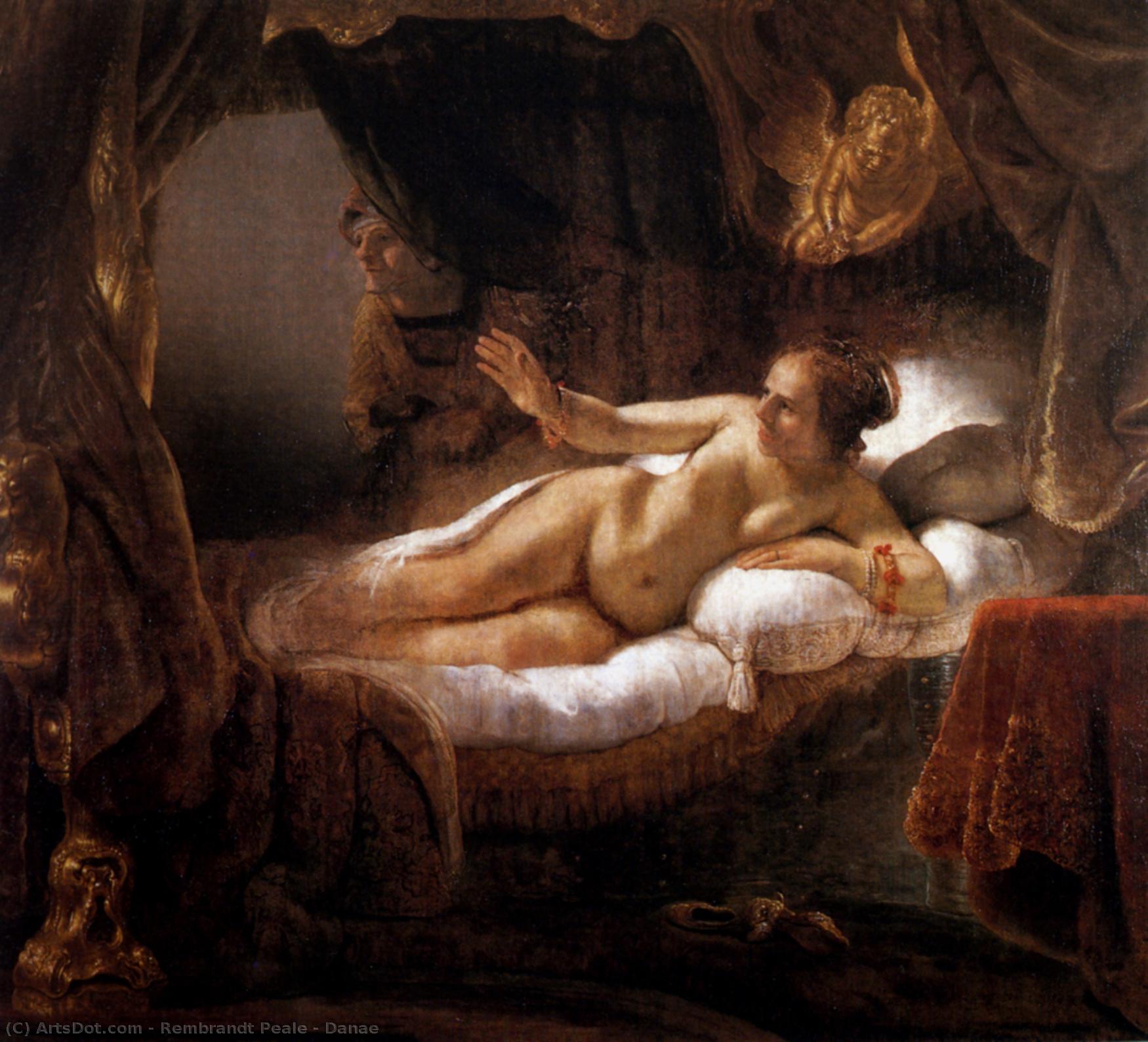
统计数据Danae
 Oil On Canvas
- WallArt
- Baroque
 1643
1643 203.0 x 185.0 cm
 冬宫博物馆 (Hermitage Museum)
 阅读全文
阅读全文
艺术微喷/版画
博物馆级艺术微喷或帆布版画,制作高效,并提供多种饰面选择。 ( 订购此收藏品的纯手工复刻画作 切换至数字图像销售渠道)




P118B ¥10

P118H ¥10

P118W ¥10

P438Z ¥10

P508JH ¥12

P508YH ¥12

P805H ¥10

P805Z ¥10

P919BZ ¥10

P919G ¥10

P919XJ ¥10

P959ZH ¥10

P968JZ ¥12

W106C ¥8

W218G ¥10

W218JH ¥8

W218Y ¥10

W307PJ ¥10

W316G ¥10

W316PJ ¥8

W316Y ¥10

W398PJ ¥8

W4111J ¥10

W500HY ¥15

W500JH ¥15

W692G ¥12

W849H ¥8

W940BG ¥15

W953PJ ¥8




标准尺寸
定制
CM
INCH
您可以从与原作比例一致的预设尺寸中进行选择。
Loading sizes...

宽度
高度
请输入您所需的宽度和高度,以适配您的画框或墙面。由于印刷品只能进行裁剪,无法超出原图尺寸,因此若比例不一致,画面的一部分将会被裁切。在正式印刷之前,我们会为您发送一份数字效果图供您确认。本页面显示的图片并非最终裁剪后的效果——只有效果图才能展示真实的裁剪情况。


 玻璃选项仅适用于110厘米以下的尺寸。

Danae
艺术微喷/版画
复刻品尺寸说明
-


总计金额
¥ 464
Danae: A Baroque Drama of Divine Desire
Rembrandt Peale’s “Danaë,” painted in 1643, is not merely a depiction of Greek mythology; it's a visceral exploration of desire, vulnerability, and the unsettling power of the divine. This arresting oil on canvas immediately commands attention with its dramatic chiaroscuro – a masterful manipulation of light and shadow that plunges the scene into an opulent, almost suffocating darkness, punctuated by the radiant glow of Zeus’s golden rain. The painting's mood is profoundly evocative, hinting at both beauty and impending doom, a hallmark of the Baroque style which Peale expertly employs.
At the heart of the composition lies Danaë, reclining on a luxurious bed draped in rich fabrics and adorned with pillows. Her nudity, while undeniably provocative, isn’t presented as overtly sensual; rather, it emphasizes her vulnerability and passive acceptance of fate. The sheer curtain partially concealing her body subtly reveals the descending golden rain – not a gentle blessing, but a torrent of shimmering light that feels both miraculous and threatening. This visual paradox is crucial to understanding the painting's central theme: the precarious balance between divine gift and potential corruption.
The Anatomy of Baroque Drama
Peale’s technical skill is evident in every brushstroke. The impasto technique – building up thick layers of paint – creates a remarkable sense of texture, particularly in the drapery and the swirling golden rain. These areas practically leap off the canvas, drawing the viewer into the scene with an almost tactile quality. The use of line is equally deliberate; flowing lines define the luxurious fabrics, while sharp, angular lines delineate the architectural elements within the chamber, creating a dynamic interplay between organic curves and geometric precision.
Furthermore, Peale’s understanding of perspective is subtly flattened, prioritizing emotional impact over strict realism. This choice contributes to the painting's dreamlike quality, intensifying the sense of drama and heightening the viewer’s engagement with the narrative. The lighting itself – a strong directional light illuminating Danaë’s face and upper body – serves to heighten her importance within the composition while simultaneously shrouding the background in shadow, creating an atmosphere of mystery and foreboding.
Mythological Symbolism and Historical Context
“Danaë” is rooted firmly in Greek mythology. The story recounts how Zeus, disguised as a shower of golden rain, seduced Danaë, daughter of King Aetius, and fathered Perseus, the hero who would later slay Medusa. The golden rain isn’t simply a symbol of fertility; it represents Zeus's divine intervention – an irresistible force that disrupts the natural order and exposes Danaë to his desires. The painting captures this moment of transgression and the subsequent consequences for both woman and family.
Painted during a period of intense artistic experimentation, “Danaë” reflects the influence of the Dutch Baroque masters, particularly Rembrandt van Rijn (hence Peale’s namesake). However, Peale adapts these influences to create a distinctly American style. The painting also speaks to the broader cultural anxieties of the time – concerns about unchecked power, the role of women in society, and the relationship between humanity and the divine. It's important to note that Peale was part of a burgeoning artistic community in Philadelphia, and his work contributed significantly to the development of American portraiture and landscape painting.
A Legacy of Likeness: The Peale Museum Connection
Rembrandt Peale’s legacy extends beyond this single masterpiece. He was a pivotal figure in establishing America's first museum – The Peale Museum – alongside his father, Charles Willson Peale. This institution, dedicated to showcasing art, natural history, and scientific specimens, played a crucial role in fostering public engagement with the arts and sciences. The museum itself stands as a testament to Peale’s commitment to education and cultural enrichment. Reproductions of works like “Danae” are now available through TopImpressionists.com, allowing enthusiasts worldwide to experience the power and beauty of this iconic painting.
问答详情
伦勃特·皮尔 (Lúnbó Tè · Pí'Ěr) 的《Danae》 的主导色是什么?
Black (#140a09) 是 伦勃特·皮尔 (Lúnbó Tè · Pí'Ěr) 的《Danae》 的主导色。
我能否更详细地查看“Danae”?
您可以在作品的 X射线检测 页面上逐层探索 “Danae”;该交互式查看器的设计灵感源自修复师使用的光源台,通过十一层光学读数呈现图像细节。
伦勃特·皮尔 (Lúnbó Tè · Pí'Ěr) 的《Danae》 的色彩营造出怎样的情感?
伦勃特·皮尔 (Lúnbó Tè · Pí'Ěr) 的《Danae》 将 Earthy 色调与 Melancholic 的基调完美融合。
艺术家简介
早期生活与艺术启蒙
伦勃朗·皮尔(Rembrandt Peale),1778年出生于宾夕法尼亚州的巴克斯县,成长在一个深深扎根于美国早期蓬勃发展的艺术环境的家庭中。他的父亲查尔斯·威尔逊·皮尔不仅仅是一位艺术家,更是一种文化力量——一位画家、博物馆创始人,以及坚信艺术具有塑造国家认同力的热情人士。正是在这种充满活力的环境中,年轻的伦勃朗接受了最初的训练,与他的兄弟姐妹们一起,从父亲熟练的手中学习肖像画和风景画技巧。赋予他“伦勃朗”这个名字本身,就呼应着荷兰大师哈曼松·凡·莱因,象征着查尔斯·威尔逊·皮尔对儿子的期望——希望他能够传承一种卓越的艺术传统。从一个令人惊讶的年龄开始,伦勃朗便展现出非凡的天赋,仅仅十三岁时就完成了他的第一幅自画像,这件作品已经预示了他成熟风格中那种精确和雄心壮志。这幅早期的作品不仅仅是对技术技能的展示;更是一份意图声明,一位年轻的艺术家宣告了他的美国艺术舞台的存在。新古典主义的影响与巴黎时期
伦勃朗·皮尔的艺术之旅在他三十岁出头的年纪带他来到了巴黎,这是一个关键的经历,深刻地塑造了他的美学敏感性。沉浸在欧洲文化的中心,他遇到了当时盛行的法国新古典主义——一种强调秩序、清晰和回归古典理想的风格。这种影响显而易见于皮尔后来的作品中,其特点是精致的草图技巧、平衡的构图以及对细节一丝不苟的关注。虽然他的父亲的肖像画通常具有某种质朴的活力,但伦勃朗的作品则倾向于更抛光和理想化的表现手法。正是在这个时期,他采用了古蜡法(encaustic technique),一种利用蜡作为媒介的古代方法,表明了他致力于探索绘画创新方法的决心。然而,皮尔并没有简单地模仿欧洲风格;他将它们适应到美国语境中,创作出既美学上令人愉悦又具有历史意义的作品。他对捕捉准确肖像的奉献精神,结合他的新古典主义训练,使他能够创造出象征着国家不断演变的认同感和对文化独立的渴望的图像。一位多产的肖像画家:记录一个时代
伦勃朗·皮尔的职业生涯异常多产,其特点是对艺术完美的不懈追求以及致力于记录他那个时代的杰出人物。他因其乔治·华盛顿的肖像画而闻名,创作了超过七十幅他的标志性“祖国之父”(Patriae Pater)的复制品。这些图像不仅仅是物理外观的表现;它们是精心构建的国家自豪感和领导力的象征。皮尔理解肖像画塑造公众认知并为集体记忆做出贡献的力量。除了华盛顿,他还绘制了众多其他有影响力的人物,包括托马斯·杰斐逊、约翰·卡尔霍恩以及美国精英阶层中的各种成员。他的肖像画不仅限于政治人物;他还捕捉普通公民的形象,一瞥日常美国人的生活和愿望。《留着胡须的男子》(Man with a Beard),虽然年代不详,但体现了他捕捉个人性格和心理深度的技巧。每一笔都不仅仅揭示了物理特征,还暗示了坐姿者的内在世界。超越画布:皮尔博物馆与持久遗产
伦勃朗·皮尔的贡献超出了绘画领域;他是一位富有远见的博物馆创始人,致力于教育公众和促进艺术欣赏。1814年,他在马里兰州巴尔的摩建立了他的第一个博物馆——一个开创性的机构,为许多现代艺术博物馆的前身。这不仅仅是展示艺术品的画廊;它被设想为一个学习中心,提供绘画、雕塑和自然历史标本展览。这座博物馆后来成为巴尔的摩市第二座市政厅,然后被修复成皮尔博物馆,延续了他通过艺术服务公众的遗产。他对让所有人都能接触到艺术的承诺反映了对艺术变革力量的深刻信念。今天,伦勃朗·皮尔的作品收藏在世界各地的著名机构中,包括华盛顿特区国家肖像画廊,并继续因其历史意义和艺术价值而受到赞扬。他的影响体现在后代美国肖像画家的作品中,巩固了他在美国艺术史上的关键地位。持久的印象
伦勃朗·皮尔的一生致力于艺术创作和文化丰富。他不仅仅是一位画家;更是一位历史学家、教育家和美国认同感的倡导者。他的肖像画为了解那个时代的人格和价值观提供了宝贵的见解,而他的博物馆则成为一个快速变化的国家的启蒙灯塔。他的遗产不仅体现在他众多的艺术作品中,还体现在他的先锋精神和他对艺术力量的坚定承诺中。 他留下的作品继续激励着今天的观众,提醒我们保护我们的文化遗产和庆祝前人的成就的重要性。
伦勃特·皮尔 (Lúnbó Tè · Pí'Ěr)
1778 - 1860 , 美国
快速概览
- Artistic Movement Or Style: 新古典主义
- Artists Who Influenced This Artist: ['伦勃朗·凡·莱因']
- Date Of Birth: 1778年2月22日
- Date Of Death: 1860年
- Full Name: 伦勃朗·皮尔
- Nationality: 美国人
- Notable Artworks:
- 华盛顿画像(圆孔型)
- 留胡须男子肖像
- 约翰·皮尔波特肖像
- Place Of Birth (City And Country): 宾夕法尼亚州巴克斯县,美国
相关文章

Mastering the Light: A Deep Dive into Rembrandt's Chiaroscuro Technique
Explore the profound mastery of Rembrandt's chiaroscuro technique. Delve into the dramatic interplay of light and shadow that defined the Dutch Golden Age and continues to inspire visual storytelling and fine art collectors worldwide.