





























从与原作比例一致的预设尺寸中进行选择。

您可以输入自定义尺寸,以适配特定的画框或空间。如果您选择的尺寸与原图比例不符,我们将对作品进行裁剪,或通过镜像填充/纯色填充边缘的方式来扩展图像。在开始制作之前,我们会向您发送一份数字效果图供您确认。
请注意,屏幕上的预览并不能反映实际的裁剪或扩展效果。只有效果图才能准确展示最终的构图。
虽然我们提供定制尺寸,但为了保持原图比例,我们建议您从预设列表中选择尺寸。

Untitled (D2WW5J)
复制品尺寸
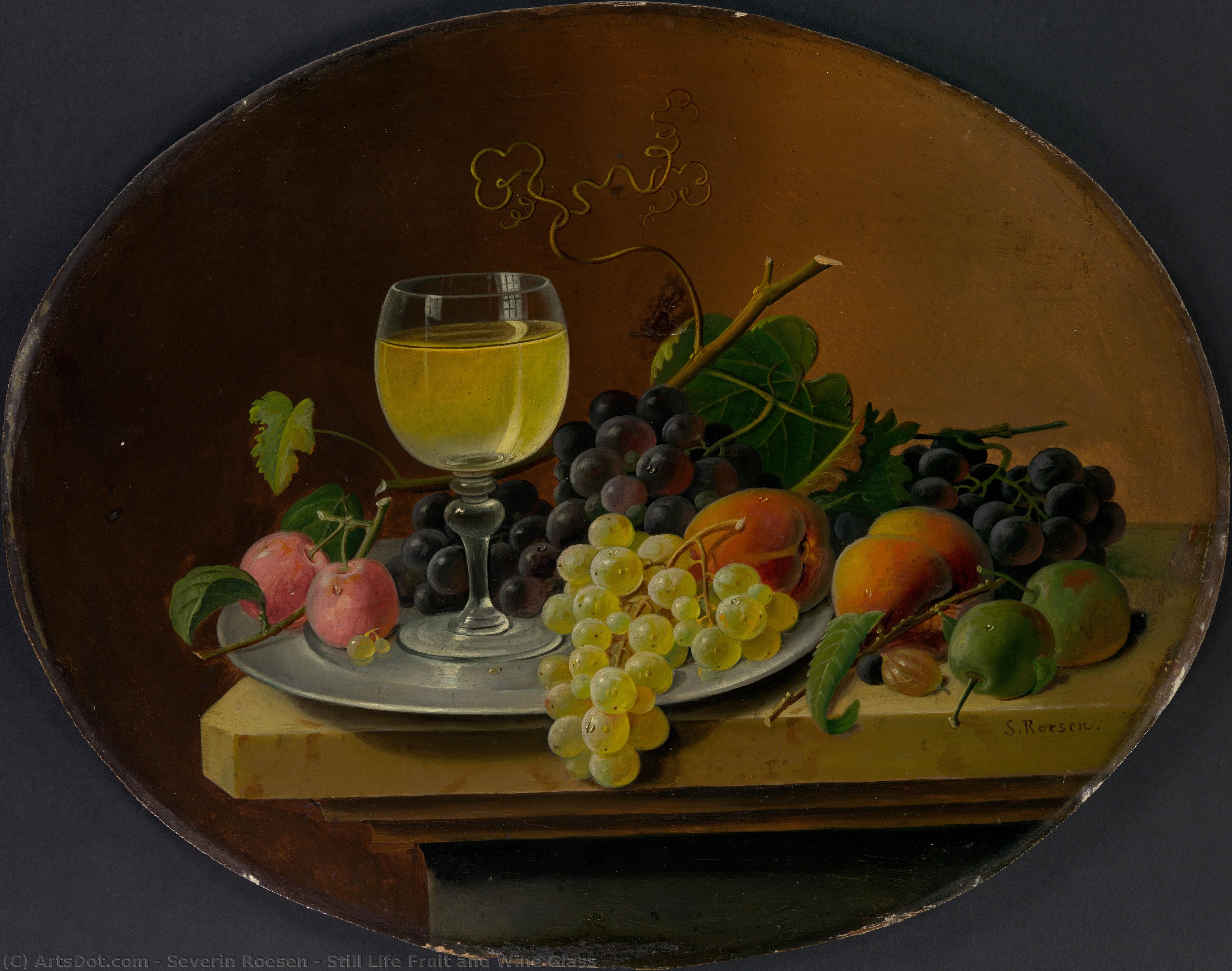
To gaze upon Severin Roesen’s "Still Life Fruit and Wine Glass" is to step directly into the sun-drenched, opulent bounty of a bygone era. This painting is not merely an arrangement of objects; it is a carefully orchestrated celebration of life's ephemeral sweetness. The composition bursts with color—the deep, velvety tones of ripe grapes contrasting against the bright blush of apples and the warm glow emanating from scattered oranges. Roesen masterfully captures the very essence of abundance, presenting a tabletop overflowing with nature’s finest gifts. One can almost smell the mingled perfumes of citrus zest and overripe fruit as the eye wanders across the painted surface.
Roesen's technique is characterized by an exquisite attention to texture, a hallmark of his celebrated genre. Observe how the artist renders the varying skins of the produce; the waxy sheen on a perfect apple contrasts beautifully with the dusty matte finish of a pear, while the clustered grapes suggest both weight and delicate fragility. The inclusion of the wine glass adds a touch of sophisticated human presence to what might otherwise be a purely natural study. It suggests conviviality, perhaps marking the end of a beautiful day's gathering. His handling of light is particularly noteworthy; it seems to emanate from an unseen source, catching highlights on the curved surfaces and deepening the shadows in rich, believable gradients.
Painted around 1865, this work situates itself within a period where still life painting flourished as both a technical exercise and a profound meditation. For Roesen, an artist whose career was deeply rooted in the traditions of German craftsmanship, these depictions were vehicles for exploring color theory and material representation. The sheer volume of fruit speaks to a cultural appreciation for harvest cycles and earthly prosperity—a visual testament to nature's generous hand during the mid-Victorian period.
Beyond its immediate beauty, this still life carries layers of symbolism that have captivated collectors for generations. Fruit, in art history, is a perennial symbol of fertility, pleasure, and the passage of time itself—a beautiful reminder of memento mori softened by vibrant color. The wine glass hints at celebration and shared moments. Owning or displaying a reproduction of this piece invites that same feeling into your own space: a sense of enduring warmth, cultivated beauty, and the quiet joy found in simple, perfect things.
For those seeking to infuse an interior with the romance and depth of 19th-century European painting, this subject matter is unparalleled. Whether placed above a console table or incorporated into gallery wall groupings, Roesen’s vision offers immediate visual richness. A high-quality reproduction allows you to connect directly with the meticulous skill of a master, bringing home not just paint on canvas, but a tangible piece of romantic artistic history.
塞维林·罗森(Severin Roesen,1815 – 约1872年)是一位颇具神秘色彩的美国艺术家,他是一位德国移民,以其迷人的水果和花卉静物画作而闻名。尽管关于他的传记资料很少——主要集中在他出生于德国博帕德(Boppard)的信息上——罗森凭借其大量的作品和独特的艺术风格,在19世纪中期成为这一体裁的首屈一指的实践者之一。
我们对罗森早年生活知之甚少。他于1816年2月5日在普鲁士(现德国)博帕德接受洗礼,其家族渊源可追溯到Stephanus和Margaretha Krebs。虽然关于他的正规教育的确切信息尚不清楚,但有证据表明他在科隆磨练了他的艺术技能,成为一名瓷器画家——这项工艺将影响他后来的色彩和纹理探索。
1847年与索菲亚·雅各比娜·兰布里希特的婚姻标志着他家庭生活的新开始,他们有两个孩子。罗森于1847年12月搬到纽约市,恰逢他参与美国艺术联盟,他在1848年至1852年间展出了十一幅画作——这关键时刻表明了他致力于在美国新兴的艺术领域中确立自己的地位。
索菲亚·兰布里希特于1849年10月不幸去世,促使罗森与威廉敏·路德维希结婚,并在宾夕法尼亚州建立了一个家。他们的家庭继续壮大,迎来了米妮(生于1854年)和奥斯卡(生于1857年),进一步丰富了他的个人生活。
罗森的艺术轨迹在约1863年搬到宾夕法尼亚州威廉斯波特时发生了决定性的转变——这个地点将成为他创作成果的代名词。在此期间,他积极参与宾夕法尼亚州的艺术社群,并在马里兰历史学会和宾夕法尼亚美术学院等机构展出作品。
罗森独特的风格——以对细节一丝不苟的关注和对色彩的出色运用为特征——深受17世纪荷兰静物画家的深刻影响,特别是扬·凡·胡伊斯姆(Jan van Huysum)。他采用了一种优先考虑精确排列和明亮笔触的技术,反映了他前驱者所确立的惯例。
罗森最值得称赞的成就可能是他创作了三百多幅静物画——考虑到可用的有限的传记数据,这是一个惊人的数字。值得注意的是,只有大约二十几幅画作带有日期,这突显了艺术家致力于捕捉转瞬即逝的美丽并将其保存在持久构图中的奉献精神。
罗森的静物作品通常描绘着丰富的果实、鲜花和精致的器皿,这些都以一种既奢华又充满活力的方式呈现。他擅长运用光影来创造深度感和立体感,使他的画作栩栩如生。
他对细节的关注不仅仅是表面上的模仿;它反映了他对自然世界的深刻观察以及将日常物体转化为艺术珍品的愿望。罗森的作品通常带有象征意义,例如水果代表着丰饶和富足,而花朵则象征着短暂的美丽和生命的脆弱。
他深受荷兰黄金时代静物画的影响,特别是扬·凡·胡伊斯姆的精湛技艺。罗森借鉴了胡伊斯姆对光线、色彩和纹理的运用,并将其融入了自己的独特风格中。然而,他的作品也体现了美国19世纪中期的审美情趣,反映了当时社会对富足和繁荣的追求。
罗森的艺术遗产在威廉斯波特得到了充分的体现——这座城市是他创作生涯的核心。当地历史学家朱迪思·汉森·奥图尔(Judith Hansen O’Toole)发现了他在这座城市的大量画作,这些作品是那个时代审美情趣的缩影,反映了19世纪中期美国社会对丰富和繁荣的广泛赞赏。
雅各布·弗洛克(Jacob Flock),威廉斯波特一位著名的酒店业者和啤酒酿造商,收藏了罗森五十多幅画作——这一举动表明艺术家在当地德裔美国社区中的受欢迎程度。这些画作以住宿和啤酒交换——罗森最喜欢的饮料——这展示了艺术与日常生活之间的共生关系。
他的最后一件带有日期的画作可以追溯到1872年,标志着他一生致力于艺术探索的顶峰。尽管缺乏关于他随后生活的全面传记信息,但罗森对美国静物绘画做出的持久贡献是不可否认的——这一遗产通过其作品的非凡生存得以保存。
塞维林·罗森的作品不仅具有艺术价值,还提供了关于19世纪中期美国社会和文化的重要见解。他的静物画反映了当时人们对富足、繁荣和自然美的追求。
他作为一名德国移民艺术家,为美国艺术景观做出了独特的贡献,将欧洲的绘画传统与美国的审美情趣相结合。罗森的作品也体现了那个时代艺术赞助模式的变化,从传统的贵族赞助转向新兴中产阶级的支持。
尽管他的生平资料相对稀少,但塞维林·罗森仍然是美国静物画史上的重要人物。他那迷人的作品继续吸引着观众,并提醒我们艺术的力量在于捕捉转瞬即逝的美丽和庆祝生活的丰富性。

1815 - 1872 , 德国
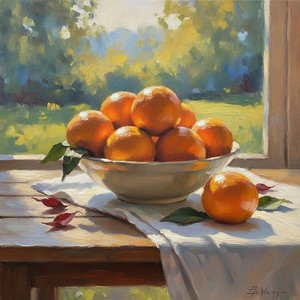
Embark on a sensory journey through Impressionist masterpieces. Discover how Renoir and Cézanne captured the vibrant light and luscious textures of sun-drenched oranges in exquisite still life paintings designed to inspire and transform your home.


第一时间获取最新的艺术新闻、独家优惠及装饰灵感。
向我们介绍您的项目需求,我们的艺术专家将为您提供 3 个个性化的艺术品推荐。
由我们的专家为您精选 3 款心仪之作 —— 完全免费!

 效果预览
效果预览
 购买手绘画作
 分享
分享 分享
分享
 详情
详情

 下载
下载
 相似作品
相似作品 X射线
X射线 幻灯片播放
幻灯片播放


 展开详情
展开详情









 玻璃选项仅适用于110厘米以下的尺寸。


