

 实景预览

 印象派油画
 分享
 分享
 详情
 作品详情表


 下载作品
 相似作品
 X射线
 幻灯片播放
 问答

 统计数据
Window (西蒙尼·马蒂尼, 1312)


42 x 24 cm 起售价 ¥327 的帆布画与艺术微喷
- 全球免费邮寄,3至4周送达
- 卷轴装打印件,3至4周内送达
- 100天无忧退货,全额退款
- ArtShopReviews.com 上 241 位客户评分为 4.9/5
材质与媒介
 了解更多
我们的经济型印制品:采用 260 g/m² 的聚酯纤维画布而非棉布印刷相同的图像,通过普通邮政以卷轴形式寄送,周期为 3 至 4 周。仅提供卷轴装(不含内框及画框),且不提供加急制作,适用于单边长度在 80 cm 或以下的尺寸。价格比棉质画布印制品便宜约 30%。
此尺寸暂不可用:至少有一边必须小于或等于 80 cm。
仅限卷装:请选择卷装画布以购买此版画。
适用于长边不超过 110 cm 的尺寸。若尺寸超过此范围,则将采用哑光棉质画布进行印刷。
此尺寸无法选择哑光档案级画布:两侧长度均须在 110 cm 或以下。您的打印件将改为使用哑光棉质画布制作。
玻璃选项仅适用于110厘米以下的尺寸。
尺寸
·您可以从与原作比例一致的预设尺寸中进行选择。
正在加载尺寸...

宽度
高度
请输入您所需的宽度和高度,以适配您的画框或墙面。由于印刷品只能进行裁剪,无法超出原图尺寸,因此若比例不一致,画面的一部分将会被裁切。在正式印刷之前,我们会为您发送一份数字效果图供您确认。本页面显示的图片并非最终裁剪后的效果——只有效果图才能展示真实的裁剪情况。
标准尺寸
定制
厘米
英寸
完成
·
白色边缘 ¥1

边缘晕染效果 ¥1

延展式 ¥1

P118B ¥10

P118H ¥10

P118W ¥10

P438Z ¥10

P508JH ¥12

P508YH ¥12

P805H ¥10

P805Z ¥10

P919BZ ¥10

P919G ¥10

P919XJ ¥10

P959ZH ¥10

P968JZ ¥12

W106C ¥8

W218G ¥10

W218JH ¥8

W218Y ¥10

W307PJ ¥10

W316G ¥10

W316PJ ¥8

W316Y ¥10

W398PJ ¥8

W4111J ¥10

W500HY ¥15

W500JH ¥15

W692G ¥12

W849H ¥8

W940BG ¥15

W953PJ ¥8

H24-GOLD ¥30
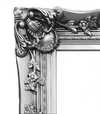
H24-SILVER ¥30
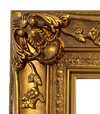
H36-GOLD ¥70
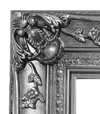
H36-SILVER ¥70
采用保护管包装寄送,方便您交由专业的装裱师进行装裱。
增值服务
可选附加内容包含哪些内容?
全球配送()仅需 2 周即可送达,无需等待标准流程的 4/5 周。(27 December)
经济型聚酯帆布印画不支持加急制作及快递服务,将通过普通邮政寄送。
保护性清漆
展品铭牌
青铜铭牌雕刻详情
这款优雅的铭牌刻有艺术家姓名与作品名称,工艺精湛,呈现永恒之美。
采用青铜材质打造,表面处理细腻优雅。文字经激光精密雕刻,字迹清晰且永不褪色。铭牌尺寸为 9x2 厘米,小巧精致且易于阅读。材质坚固耐用、抗刮擦,呈现出专业博物馆级的质感。随附背胶,安装简便。
透明亚克力铭牌详情
铭牌包含精美的雕刻细节,包括艺术家姓名、作品名称、创作日期、媒介类型(如布面油画或水彩)、作品简介,以及可跳转至作品完整信息的二维码。
采用透明亚克力材质打造,外观简约现代。文字采用黑色UV雕刻工艺,确保视觉对比鲜明。尺寸为10x15厘米,确保极佳的阅读体验。配备两个金属挂钩,可稳固地安装在墙面上。铭牌设计具备耐候性,适用于多种环境,并包含可与智能手机扫描无缝衔接的互动功能。
黑色亚克力铭牌详情
这款优雅的铭牌包含刻有艺术家姓名、作品名称、创作日期、媒介类型(如布面油画或水彩)、作品简介以及用于快速获取更多信息的二维码。
铭牌采用精选黑色亚克力材质,表面处理工艺考究,质感高级。文字采用白色激光雕刻,对比度高,清晰易读。尺寸为10x15厘米,设计便于阅读。配有两枚金属挂钩,便于专业安装。设计风格简约,适配各种室内风格。此外,铭牌具有耐候性且经久耐用,并内置数字化集成功能,可实现移动端兼容。
玻璃选项仅适用于110厘米以下的尺寸。
 玻璃选项仅适用于110厘米以下的尺寸。
- 全球免费邮寄,3至4周送达
- 优质亚麻画布
- 全程运输保险
- 关税退款保证
- 色彩精准还原保证
- 100天无忧退货,全额退款
- 100% 退款保证
- 多件购买优惠


Window:西蒙尼·马蒂尼 与International Gothic时期的经典之作
Simone Martini’s ‘Window,’ created in 1312, exemplifies the elegance of Early Gothic style. This fresco showcases vibrant colors and detailed depictions of people and animals within a stunning stained glass composition. Located at Pinacoteca Nazionale Siena, it's a captivating glimpse into medieval artistry. Discover museum-quality reproductions on TopImpressionists.
关于艺术品详情
Simone Martini’s Window: A Fragment of Siena’s Gothic Soul
The painting “Window” by Simone Martini—a masterpiece executed in 1312—isn't merely an image; it’s a portal into the artistic fervor and spiritual contemplation of Siena during its zenith as a medieval principality. More than just depicting a simple architectural element, Martini transforms this commonplace feature into a vehicle for profound symbolism and masterful execution, embodying the very essence of International Gothic style. Its unassuming appearance belies the intricate artistry that defines it.- Subject Matter: The composition centers around a stained glass window—a motif prevalent in Sienese churches at the time—illuminated by diffused light. Within its frame are meticulously rendered figures, including human forms and avian creatures – doves symbolizing peace and divine grace – creating a harmonious blend of earthly and celestial realms.
- Style: Martini’s work exemplifies International Gothic style, characterized by delicate lines, luminous colors, and an emphasis on elegance and refinement. Unlike the harsher realism championed by Giotto di Bondone, Martini prioritizes beauty and expressive detail, prioritizing visual impact over strict anatomical accuracy. This stylistic choice reflects Siena's cultural aspirations during a period marked by papal patronage and artistic innovation.
- Technique: Martini employed tempera paint on panel—a technique favored for its vibrancy and durability—allowing him to achieve astonishing levels of color saturation and textural nuance. The artist’s meticulous layering of glaze, combined with painstaking attention to detail in rendering drapery folds and facial expressions, speaks volumes about his dedication to craftmanship.
Historical Context: Siena Under Papal Influence
Siena flourished as a center of papal diplomacy and artistic production during the early 14th century. The papacy actively encouraged artistic endeavors, fostering a competitive environment where artists like Martini sought to elevate their reputations through ambitious commissions—particularly those honoring religious saints. This patronage fueled stylistic experimentation and ensured that Siena’s art would resonate across Europe. Martini's "Window" stands as testament to this era of cultural dynamism and papal ambition.Symbolism: Light, Faith, and Divine Harmony
The window itself serves as a potent symbol—representing divine illumination and the gateway to spiritual understanding. The doves adorning the composition reinforce this theme, symbolizing purity, peace, and the Holy Spirit’s presence. Martini skillfully integrates these visual cues into a carefully balanced composition that reflects Siena's devout Catholic faith. The artist’s deliberate use of color—particularly blues and golds—further enhances the painting’s spiritual aura, conveying grandeur and transcendence.Emotional Impact: A Moment Frozen in Time
“Window” transcends mere representation; it evokes a feeling of serene contemplation and wonder. Martini's masterful rendering captures not only the visual beauty of the stained glass but also its emotional resonance—a reflection of Siena’s artistic spirit and its unwavering belief in divine grace. Viewing this artwork is akin to stepping back into a moment frozen in time, allowing oneself to be transported by the artistry and symbolism of a bygone era. It remains an enduring emblem of Gothic elegance and a captivating glimpse into the soul of medieval Siena.常见问题与解答
Window 的这件复制品是手绘的还是印刷的?
印刷:Window 将以艺术微喷(giclée)工艺印制在棉质画布或爱普生(Epson)档案级画布纸上。
Window 我该选择什么尺寸?
尺寸从 41.7 x 24.0 cm (¥327) 到 246.6 x 141.8 cm (¥2288) 不等;本页表格列出了主要步骤及其价格。
物流配送需要多长时间?
卷轴装裱的版画通过普通邮政免费寄送,预计3至4周送达;拉伸装裱或带框版画的送达时间为4至5周。仅在选择本页面提供的付费“快递送达”选项时,才提供快递服务。您可以在100天内无条件退货并获得全额退款。
西蒙尼·马蒂尼 在创作《Window》时使用了什么媒介?
Acrylic On Canvas
艺术速览与艺术小测验
关于 西蒙尼·马蒂尼

西蒙尼·马蒂尼
1284 - 1344, 意大利
关于 西蒙尼·马蒂尼 的简介
- Artistic Movement Or Style: 国际哥特式
- Artists Or Movements Influenced By This Artist: ['国际哥特式']
- Artists Who Influenced This Artist:
- 杜乔·迪·布翁尼塞纳
- 乔托
- Date Of Birth: 1284年
- Date Of Death: 1344年
- Full Name: 西蒙尼·马丁尼
- Nationality: 意大利
- Notable Artworks:
- 《圣母崇拜》
- 《圣路易斯为他的兄弟加冕》
- 《圣玛格丽特与圣安萨努斯的报喜》
- 《复活儿童的奇迹》
- 《在圣殿中发现基督》
- Place Of Birth: 意大利,锡耶纳


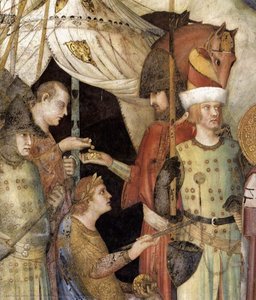


西蒙尼·马蒂尼
Window
() ·
含框总尺寸: ·
总计