

 实景预览
实景预览
 发送
发送 分享
分享
 详情
详情 指南
指南

 下载图片
下载图片
 相似作品
相似作品 X射线
X射线 幻灯片播放
幻灯片播放 统计数据
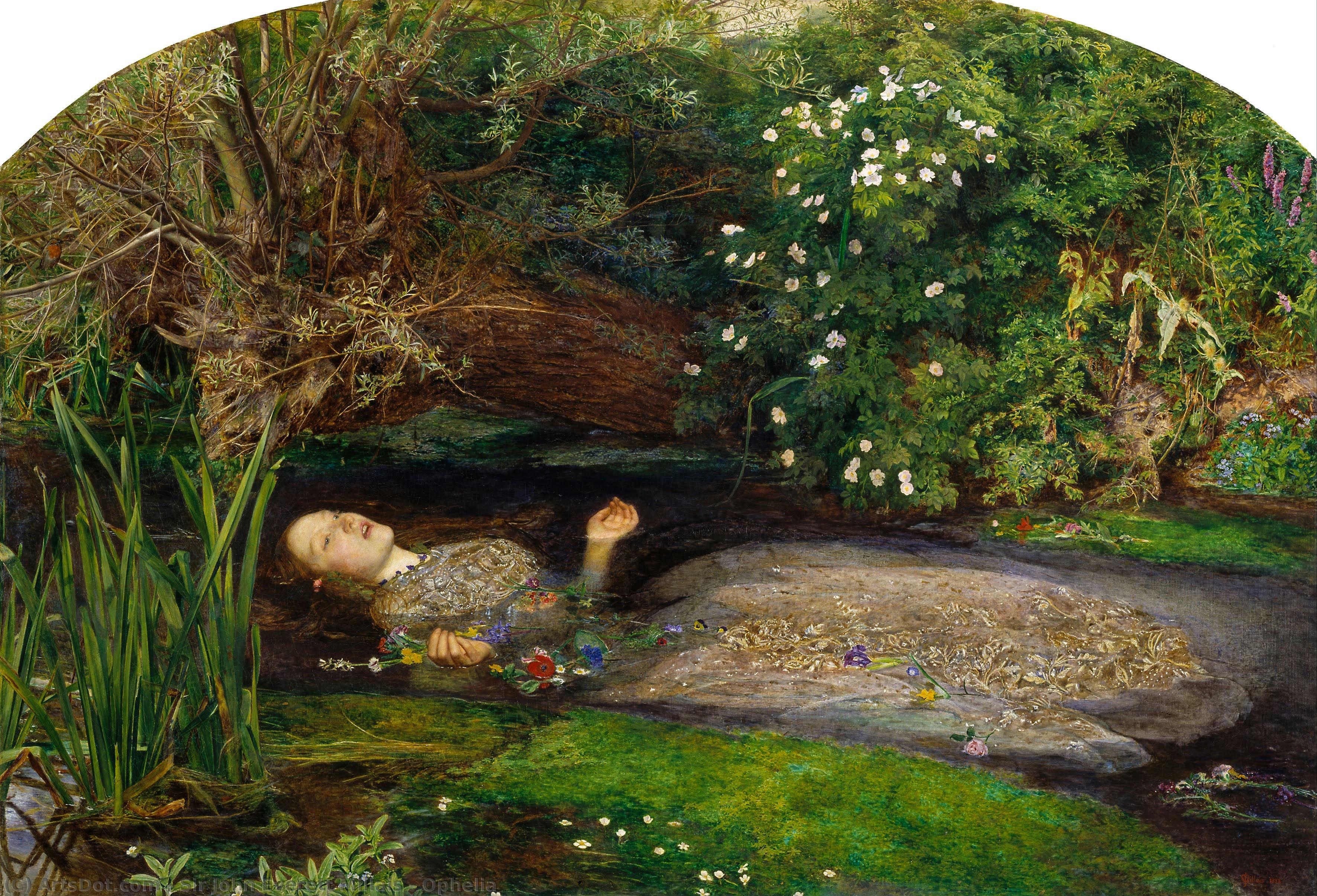
统计数据Ophelia
 Oil On Canvas
- WallArt
- Pre-Raphaelite
 1851
1851 11.0 x 76.0 cm
 泰特不列顛美术馆
 阅读全文
阅读全文
艺术微喷/版画
博物馆级艺术微喷或帆布版画,制作高效,并提供多种饰面选择。 ( 订购此收藏品的纯手工复刻画作 切换至数字图像销售渠道)




P118B ¥10

P118H ¥10

P118W ¥10

P438Z ¥10

P508JH ¥12

P508YH ¥12

P805H ¥10

P805Z ¥10

P919BZ ¥10

P919G ¥10

P919XJ ¥10

P959ZH ¥10

P968JZ ¥12

W106C ¥8

W218G ¥10

W218JH ¥8

W218Y ¥10

W307PJ ¥10

W316G ¥10

W316PJ ¥8

W316Y ¥10

W398PJ ¥8

W4111J ¥10

W500HY ¥15

W500JH ¥15

W692G ¥12

W849H ¥8

W940BG ¥15

W953PJ ¥8




标准尺寸
定制
CM
INCH
您可以从与原作比例一致的预设尺寸中进行选择。
Loading sizes...

宽度
高度
Type the width and the height you need, to fit your frame or your wall. A print can only be cut, never made bigger than the picture, so a size with a different shape loses a part of the image. We send you a digital mockup to approve before we print anything. The picture shown on this page does not show the real cut — only the mockup does.


 玻璃选项仅适用于110厘米以下的尺寸。

Ophelia
艺术微喷/版画
复刻品尺寸说明
-


总计金额
¥ 464
A Frozen Moment of Melancholy: Millais’s “Ophelia”
Sir John Everett Millais's "Ophelia," painted in 1851–52, isn’t merely a depiction of a tragic Shakespearean scene; it’s an immersive experience—a meticulously crafted tableau of sorrow and beauty that continues to captivate viewers over a century and a half later. This iconic Pre-Raphaelite masterpiece transcends its literary source, becoming a profound meditation on loss, innocence, and the poignant surrender to nature's embrace. The painting immediately draws the eye with its luminous palette and astonishing level of detail, inviting the viewer into a world both idyllic and profoundly mournful.
Millais’s genius lies not just in his technical skill—though that is undeniably remarkable—but in his ability to evoke an atmosphere of palpable grief. He achieved this through a radical departure from conventional artistic practices for the time, choosing to paint *en plein air* (outdoors) and working directly from nature. This commitment to realism, coupled with the Pre-Raphaelite Brotherhood’s fascination with medieval and Renaissance art, resulted in a work that feels simultaneously ancient and utterly contemporary. The scene unfolds along the Hogsmill River near Ewell, Surrey, where Millais meticulously recreated the landscape, capturing the dappled sunlight filtering through the foliage and the shimmering reflections on the water's surface.
The Figure of Despair
At the heart of “Ophelia” is her figure—a young woman reclining gracefully in the stream, her expression a mixture of serene acceptance and heartbreaking resignation. Elizabeth Siddall, Millais’s model for Ophelia, endured an extraordinary ordeal to achieve this portrayal. For weeks, she posed submerged in a bathtub filled with cold water, draped in heavy velvet robes to simulate the chill of the river. This dedication to realism extended beyond mere appearance; it was a deliberate attempt to capture the physical sensation of drowning—a testament to Millais’s commitment to portraying the subject matter with unflinching honesty.
The details surrounding Siddall's posing are particularly poignant, revealing the demanding nature of Pre-Raphaelite art production. The discomfort she experienced led to a severe illness, requiring medical attention and ultimately shaping the painting’s atmosphere of vulnerability. Millais’s careful observation of her posture, the delicate drape of her gown, and the subtle expression on her face all contribute to the overwhelming sense of tragedy.
Symbolism Woven into the Scene
“Ophelia” is rich in symbolic detail, each element carefully chosen to deepen the narrative’s emotional resonance. The flowers scattered around her—violets, pansies, poppies, willow branches, and daisies—are not merely decorative; they carry specific meanings rooted in Victorian symbolism. Violets represent faithfulness and modesty, while poppies symbolize death and sleep. The willow branch, a traditional symbol of mourning, drapes over the riverbank, mirroring Ophelia’s descent into sorrow. Even the arrangement of the flowers suggests a deliberate composition—a visual representation of her fragmented thoughts and memories.
The inclusion of a silver casket, partially submerged in the water, further reinforces the theme of loss and remembrance. It is a relic from her past, a symbol of her shattered engagement and the world she has lost. The presence of a small mouse nestled amongst the embroidery on the table adds an unexpected layer of detail—a reminder of mortality and the fragility of life.
A Legacy of Beauty and Sorrow
“Ophelia” remains one of the most celebrated paintings in the Pre-Raphaelite canon, admired for its technical brilliance, emotional depth, and enduring power. It’s a work that invites repeated viewing—each encounter revealing new layers of meaning and nuance. Beyond its artistic merit, “Ophelia” has become an iconic image of female vulnerability and tragic beauty, frequently referenced in literature, film, and popular culture. Its depiction of a young woman surrendering to the embrace of nature continues to resonate with viewers today, serving as a poignant reminder of the ephemeral nature of life and the enduring power of art to capture both its splendor and its sorrow.
Reproductions of “Ophelia” offer an accessible way to experience this masterpiece firsthand. Whether displayed in a grand salon or a cozy study, this evocative image will undoubtedly spark conversation and inspire contemplation for years to come.
艺术家简介
约翰·埃弗雷特·米莱斯:前拉斐尔派的奇才
1829年出生于南安普顿的约翰·埃弗雷特·米莱斯,十一岁就进入皇家艺术学院——有史以来最年轻的学生。这一早期的天赋预示着他将定义一个艺术运动并以其惊人的现实主义和深刻的情感捕捉维多利亚时代的想象力。从很小的时候起,米莱斯就拥有非凡的观察天赋,这种品质成为他艺术风格的基石。他不仅仅是描绘他所看到的景象;他一丝不苟地重现它们,将每一笔都注入近乎摄影般的逼真度。这种对真实表现的奉献使他与众不同,并最终促使他对英国艺术既定的惯例提出了挑战。兄弟会的诞生与艺术反叛
1848年,米莱斯与丹特·加布里埃尔·罗塞蒂和威廉·霍尔曼·亨特一起创立了前拉斐尔派兄弟会,他的艺术轨迹发生了重大的转折。这不仅仅是一种审美选择;它反对他们认为学院派艺术的虚假性——一种已经远离自然世界和早期文艺复兴大师(那些在拉斐尔*之前*工作的人)的真诚的艺术。前拉斐尔派试图恢复扬·凡·艾克和弗拉·安杰利科等艺术家的清晰度、细节和鲜艳的色彩。他们的宣言是忠于自然,拒绝理想化的形式,并拥抱从文学、神话和日常生活中汲取的题材。米莱斯早期的作品,如《伊莎贝拉》,立即展示了这种新的方法——一丝不苟的关注细节与一种引人入胜且常常激怒观众的叙事强度相结合。他在此期间最具争议的作品,《基督在父母家中》(1849-50),将圣家族描绘成普通的工人阶级家庭,这引发了评论家的愤怒,他们认为其现实主义令人不安甚至亵渎神灵。不断演变的风格与维多利亚时代的敏感性
19世纪50年代中期标志着米莱斯个人和艺术生涯的重大变化。他与埃菲·格雷的婚姻(在她与约翰·罗斯金的婚姻被宣布无效后)深刻地影响了他的作品。他从早期前拉斐尔派绘画中那种强烈细节化、象征化的风格转向了更广阔、更具氛围感的现实主义。这种转变不仅仅是风格偏好的问题;它反映了他对当代生活日益增长的参与以及捕捉自然世界转瞬之美的愿望。《秋叶》一幅描绘一群年轻女子在河上漂流落叶的宁静画作,就体现了这种新的方向——一种充满忧郁和怀旧感的氛围。他还作为一名肖像画家取得了相当大的成功,捕捉了约翰·格莱斯顿和本杰明·迪斯雷利等维多利亚时代重要人物的形象。这段时期见证了米莱斯获得了广泛的普及和经济保障,但这也受到了来自一些人批评的声音,他们认为他已经妥协了他的艺术原则。遗产与持久的影响
尽管受到这些批评,约翰·埃弗雷特·米莱斯仍然是19世纪英国最重要的艺术家之一。他的影响远远超出了前拉斐尔派兄弟会;他帮助重新定义了现实主义和叙事绘画的标准,激励了几代艺术家。他标志性的图像——《奥菲利亚》,以其令人难忘的美丽和象征意义而闻名,《雨果特》(1851-1852),描绘了一段动人的宗教冲突和禁忌之爱的时刻,以及无数其他作品——今天继续引起观众的共鸣。米莱斯将一丝不苟的观察与深刻的情感相结合、他对色彩和构图的掌握以及他挑战艺术惯例的意愿巩固了他作为真正创新者的地位。1896年,当他去世几个月后,他被选为皇家艺术学院院长,这证明了他的持久遗产。他的作品继续在世界各地的博物馆和收藏中受到赞扬,确保了他的美丽和力量将世代相传。主要作品与藏品
- 《基督在父母家中》(1849-1850):伦敦泰特不列颠美术馆——一部体现早期前拉斐尔派现实主义的杰作。
- 《奥菲利亚》 (1851-1852):伦敦泰特不列颠美术馆——也许是他最著名的作品,以其令人难忘的美丽和象征意义而闻名。
- 《雨果特》(1851-1852):私人收藏——一部描绘宗教冲突和禁忌之爱的戏剧性画作。
- 《玛丽安娜》 (1850-1851):曼彻斯特艺术馆——受莎士比亚和丁尼生启发,展示了米莱斯捕捉氛围的能力。
- 《秋叶》(1855-1856):曼彻斯特城市艺术画廊——一幅宁静而富有表现力的画作,反映了他不断演变的风格。

米莱斯爵士
1829 - 1896 , 英国
快速概览
- Artistic Movement Or Style: 前拉斐尔派,现实主义
- Artists Or Movements Influenced By This Artist: 前拉斐尔派运动
- Date Of Birth: 1829年6月8日
- Date Of Death: 1896年8月13日
- Full Name: 约翰·埃弗里特·米莱斯爵士
- Nationality: 英国国籍
- Notable Artworks (List Of Titles):
- 《克里斯汀之家…》
- 《奥菲莉亚》
- 《雨燕》
- 《玛丽安娜》
- Place Of Birth (City And Country): 英国南安普顿
相关文章

The Pre-Raphaelite Brotherhood: Rediscovering Beauty, Romance, and Medieval Magic in Victorian Art
Embark on a journey through the Pre-Raphaelite Brotherhood. Discover the romantic symbolism, medieval magic, and radical beauty of Rossetti and Burne-Jones in this expert exploration of Victorian art history.


