

 实景预览
实景预览
 发送
发送 分享
分享
 详情
详情 指南
指南

 下载图片
下载图片
 相似作品
相似作品 X射线
X射线 幻灯片播放
幻灯片播放 统计数据
统计数据Bacchanale


 阅读全文
阅读全文
艺术微喷/版画
博物馆级艺术微喷或帆布版画,制作高效,并提供多种饰面选择。 ( 订购此收藏品的纯手工复刻画作 切换至数字图像销售渠道)




P118B ¥10

P118H ¥10

P118W ¥10

P438Z ¥10

P508JH ¥12

P508YH ¥12

P805H ¥10

P805Z ¥10

P919BZ ¥10

P919G ¥10

P919XJ ¥10

P959ZH ¥10

P968JZ ¥12

W106C ¥8

W218G ¥10

W218JH ¥8

W218Y ¥10

W307PJ ¥10

W316G ¥10

W316PJ ¥8

W316Y ¥10

W398PJ ¥8

W4111J ¥10

W500HY ¥15

W500JH ¥15

W692G ¥12

W849H ¥8

W940BG ¥15

W953PJ ¥8




标准尺寸
定制
CM
INCH
您可以从与原作比例一致的预设尺寸中进行选择。
Loading sizes...

宽度
高度
请输入您所需的宽度和高度,以适配您的画框或墙面。由于印刷品只能进行裁剪,无法超出原图尺寸,因此若比例不一致,画面的一部分将会被裁切。在正式印刷之前,我们会为您发送一份数字效果图供您确认。本页面显示的图片并非最终裁剪后的效果——只有效果图才能展示真实的裁剪情况。


 玻璃选项仅适用于110厘米以下的尺寸。

Bacchanale
艺术微喷/版画
复刻品尺寸说明
-


总计金额
¥ 464
The Frenzied Dance of Divinity: Peter Paul Rubens’s “Bacchanale”
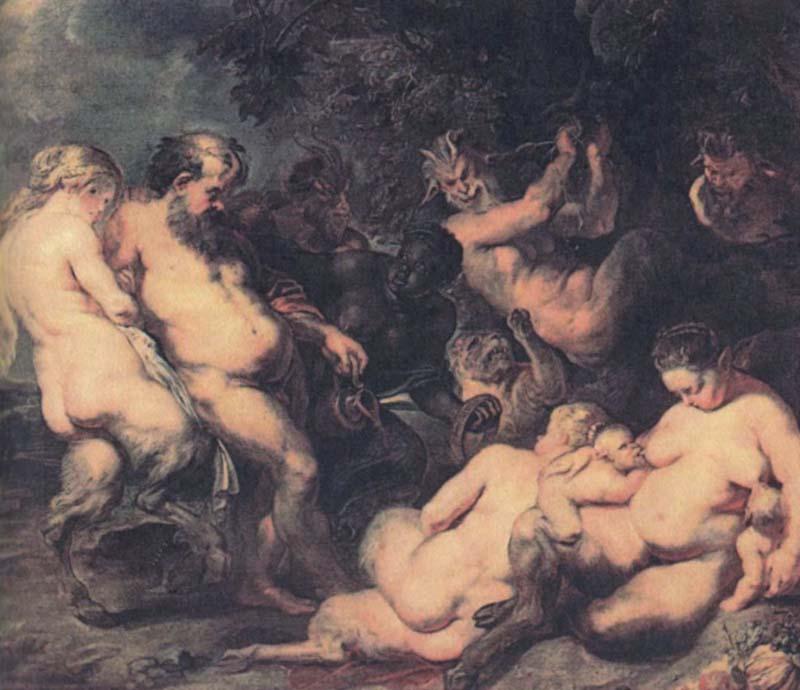
Peter Paul Rubens' "Bacchanale," painted around 1615, isn’t merely a depiction of revelry; it’s a visceral embodiment of the Baroque spirit—a tempestuous collision of classical mythology, raw emotion, and dynamic movement. This monumental oil on canvas transports us to a moonlit forest, teeming with figures caught in an ecstatic dance before Bacchus, the god of wine and fertility. The painting pulsates with life, demanding our attention and inviting us into its chaotic, intoxicating world. It’s a work that speaks not just to the eye but directly to the senses, capturing the very essence of unbridled joy and primal instinct.
Rubens, a master of color and composition, was deeply influenced by the Counter-Reformation's need for dramatic religious imagery. Yet, he skillfully blended this influence with his own exuberant style, creating works that were both profoundly spiritual and intensely sensual. “Bacchanale” exemplifies this duality perfectly. The figures, rendered in Rubens’ signature glowing palette of reds, golds, and deep blues, are not idealized heroes but deeply human—prone to lust, intoxication, and a complete abandonment of restraint. This departure from the more restrained styles of earlier periods was revolutionary, reflecting a shift towards embracing earthly pleasures within a framework of religious devotion.
A Symphony of Form and Color
Technically, “Bacchanale” is a tour de force. Rubens’s brushwork is loose and energetic, creating an immediate sense of movement and dynamism. Notice how he uses rapid, short strokes to depict the swirling fabrics and the frenzied gestures of the dancers. The figures are not meticulously rendered with anatomical precision; instead, they are captured in moments of intense emotion, their forms simplified and exaggerated to heighten the drama. The use of *chiaroscuro* – the dramatic contrast between light and dark – further emphasizes this sense of movement and adds a layer of theatricality to the scene. The lighting seems to emanate from within the figures themselves, bathing them in an otherworldly glow.
Rubens’s mastery of color is equally remarkable. He employs a vibrant, almost overwhelming palette, using rich reds and golds to represent the intoxicating effects of wine and revelry. These warm tones are juxtaposed with cooler blues and greens, creating a dynamic visual tension that mirrors the emotional turmoil of the scene. The sheer intensity of the colors contributes significantly to the painting’s overall impact, drawing the viewer into its chaotic embrace.
Mythological Roots and Symbolic Layers
The subject matter itself—the bacchanal—is steeped in classical mythology. The Bacchanalia were wild festivals held in honor of Dionysus (Bacchus), where participants indulged in wine, music, dance, and ecstatic rituals. These celebrations represented a temporary escape from the constraints of civilized society, a return to primal instincts and a celebration of life’s fleeting pleasures. In “Bacchanale,” Rubens transforms this ancient myth into a powerful allegory for human nature—a reminder of our capacity for both joy and excess.
Beyond the mythological narrative, the painting is rich in symbolic detail. The abundance of food and drink symbolizes fertility and prosperity, while the nudity of the figures represents freedom from shame and social constraints. Even the forest setting itself can be interpreted symbolically—representing a wild, untamed space where human desires are unleashed without restraint. The inclusion of satyrs and nymphs further reinforces the painting’s connection to pagan traditions, adding another layer of complexity to its meaning.
A Legacy of Baroque Grandeur
“Bacchanale” stands as one of Rubens' most celebrated works, a testament to his artistic genius and his ability to capture the spirit of the Baroque era. Its dramatic composition, vibrant colors, and powerful emotional impact continue to resonate with viewers today. Reproductions of this masterpiece offer a remarkable opportunity to experience the intensity and dynamism of Rubens’s vision—a chance to step into a world of ecstatic revelry and witness the raw beauty of human passion. It's a painting that invites contemplation, sparking questions about our own relationship to pleasure, excess, and the enduring power of myth.
问答详情
鲁本斯 的《Bacchanale》 的创作日期是哪一年?
鲁本斯 的《Bacchanale》 的创作年份为 1615。
"Bacchanale"创作于哪一年,属于哪种艺术流派?
"Bacchanale"创作于1615年,属于Baroque dynamism运动。
"Bacchanale" 是否支持增强现实 (AR) 预览?
通过作品的 AR 预览 页面,您可以在兼容设备上使用增强现实技术,在自己的墙面上预览 鲁本斯 的《Bacchanale》。
艺术家简介
Sir Peter Paul Rubens:巴洛克艺术的巅峰
Sir Peter Paul Rubens,一个在艺术史上熠熠生辉的名字,不仅仅是一位画家,更是一位外交家、学者和文化建筑师,他深刻地改变了十七世纪欧洲的艺术格局。 他于德国西根出生于1577年,早年生活充满变迁——这经历潜移默化地影响了他的作品中蕴含着戏剧性和情感深度。他的父亲约翰·鲁本斯是一位逃离宗教迫害的律师,将家庭从西班牙统治下的安特卫普迁回,这一最初的流亡培养了他坚韧和适应能力,这些品质贯穿了他多方面的职业生涯。 在父亲去世后,他于1587年回到安特卫普,在那里接受了人文主义教育,并在大约1590年开始艺术训练,师从托比亚斯·韦哈赫特和亚当·范诺尔特,熟练掌握绘画技巧和素描技能。 然而,与奥托·范威恩的合作却至关重要,这让他接触到了文艺复兴时期艺术的丰富遗产——一个他将热情拥抱的世界。文艺复兴的启迪与艺术的融合
在1600年,鲁本斯踏上了变革性的旅程前往意大利,这是一次对艺术视界的终极洗礼。 他整整八年沉浸于米开朗琪罗、拉斐尔和提塞亚的作品之中,吸收了他们的形式美学、色彩技巧和构图理念。 这些文艺复兴大师的影响在鲁本斯早期的意大利作品中显而易见,这些作品以古典主题和理想化的人物为特色。 然而,鲁本斯并没有简单地模仿; 他将这些影响与自己的天赋相结合,发展出一种独特的风格,这种风格具有鲜艳的色彩、动态构图和对人体形态的感性描绘。 他一丝不苟地研究了人体结构,从而塑造了人物既有物理现实又有情感力量——充满活力和运动的身体,这正是他巴洛克风格的标志。 这段时期不仅是艺术发展过程,也是深刻的思想启迪,培养了他对古典神话和文学的热爱,这些主题将成为他作品中的反复出现的主题。 返回安特卫普于1608年之后,鲁本斯迅速确立了作为时代最杰出的艺术家的位置,无数委托为他而来,证明了他的卓越才华和在艺术领域占据领先地位。多才多艺的画家:超越界限的创作
鲁本斯是一位极具多样性和创造力的艺术家。 他不满足于单一的艺术形式; 相反,他在历史绘画、神话场景、肖像画、风景画和宗教作品等多个领域都取得了卓越成就——这充分体现了他的多才多艺和无限潜力。 他创作的大幅画作通常用于教堂、宫殿和公共空间,展现了他惊人的技术水平和戏剧性叙事能力。 他运用了精湛的油画技巧,通过点彩法创造纹理和深度,同时巧妙地运用光线和阴影来增强视觉冲击力。 他经常采用象征符号和人物形象,为作品增添了复杂含义和解读空间。 这些创作不仅展现了他艺术天赋,更体现了他对时代精神的深刻理解和创新能力。巴洛克风格的巅峰与影响
鲁本斯的作品具有独特的巴洛克风格特征:动态构图、鲜艳色彩、感性描绘以及对人体形态的精妙表现。 他将文艺复兴时期古典艺术的理想美学与当时社会的需求相结合,为艺术创作开辟了全新道路。 通过对人体结构的细致研究和对光线运用的创新尝试,鲁本斯不仅创造了视觉上的震撼力,更赋予作品深刻的情感表达能力。 他对绘画技巧的精湛掌握以及对历史题材的巧妙处理,使他的作品超越了传统艺术形式的限制,成为当时艺术审美的重要标准。 鲁本斯的作品影响了无数后人,例如安东尼·范戴克、雅各布·乔丹斯和欧仁·德拉克罗瓦等画家都从鲁本斯的动态构图、鲜艳色彩和感性人物形象中汲取灵感。 他不仅定义了巴洛克艺术风格——他提升了绘画的艺术价值和影响力,巩固了安特卫普作为十七世纪欧洲艺术中心的地位。 他将成为艺术史上的一个永恒传奇,象征着人类创造力的强大力量以及巴洛克艺术风格的辉煌与壮丽。 鲁本斯的作品不仅是艺术成就的象征,也是文化历史的重要遗产。 通过对古典艺术的继承和创新,他为欧洲艺术发展开辟了崭新的方向,并在艺术史上留下了深刻而持久的影响。 他是一位真正的艺术家大师,他的作品将继续激励后人不断探索艺术的边界与可能性。
鲁本斯
1577 - 1640 , 德国
快速概览
- Artistic Movement Or Style: 巴洛克藝術風格
- Artists Or Movements Influenced By This Artist: ['安東尼·萬·迪克']
- Artists Who Influenced This Artist:
- 米開朗琪羅斯
- 拉斐爾
- 提提安
- Date Of Birth: 1577年6月28日
- Date Of Death: 1640年5月30日
- Full Name: Sir Peter Paul Rubens
- Nationality: 荷蘭人
- Notable Artworks:
- 十字架昇起畫作
- 聖母瑪利亞與聖嬰的處刑畫作
- Place Of Birth: 德國SIEGEN
相关文章

Drama in Nature: The Captivating Grandeur of Baroque Landscapes and the Art of Emotional Spectacle
Explore the breathtaking drama of Baroque landscapes. From Rubens's grand vistas to the mastery of chiaroscuro, discover how 17th-century artists transformed nature into a theatrical stage of emotion and light. A deep dive for true art enthusiasts.

Drama and Light: Discover the Captivating Grandeur of Baroque Art
Immerse yourself in the dramatic splendor of Baroque art. Explore the profound impact of light, shadow, and the Counter-Reformation through an expert historical lens, celebrating the masters who defined an era of unparalleled grandeur and emotional intensity.


