

 实景预览
实景预览
 发送
发送 分享
分享
 详情
详情 指南
指南

 下载图片
下载图片
 相似作品
相似作品 X射线
X射线 幻灯片播放
幻灯片播放 统计数据
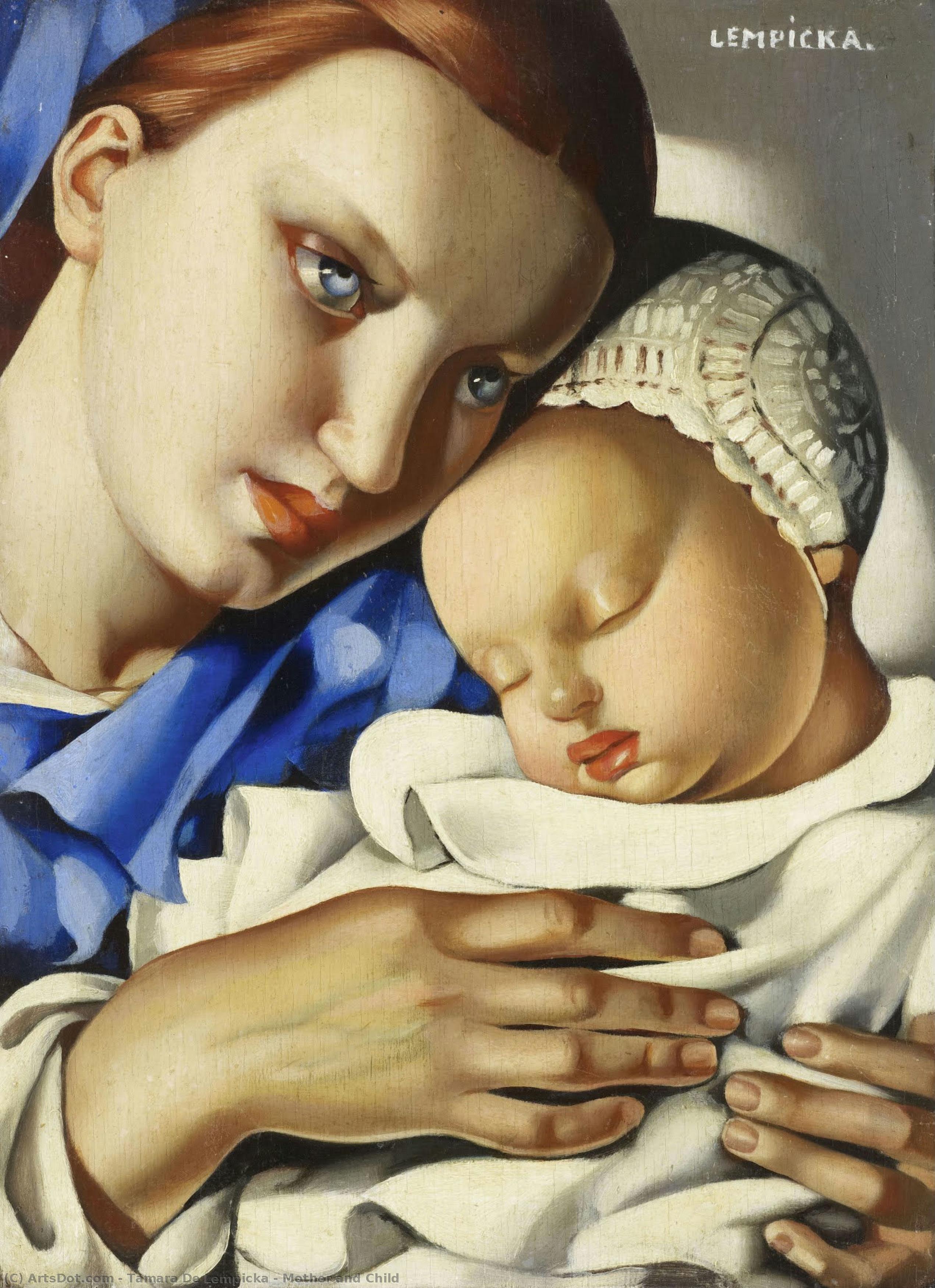
统计数据Mother and Child
 Oil On Canvas
- WallArt
- Cubist Abstract
 33.0 x 24.0 cm
 Grand Palais
Experience Tamara de Lempicka's 'Mother and Child,' a captivating Art Deco portrait of a Polish aristocrat and her baby. Explore the beauty, intimacy, and historical context of this iconic masterpiece.
 阅读全文
阅读全文
塔玛拉·德·兰皮卡(1898-1980),标志性的波兰装饰艺术画家!探索她迷人的肖像和风格化的裸体作品,展现了贵族风范和现代女性魅力。她是爵士时代优雅的象征,对艺术史影响深远。
艺术微喷/版画
博物馆级艺术微喷或帆布版画,制作高效,并提供多种饰面选择。 ( 订购此收藏品的纯手工复刻画作 切换至数字图像销售渠道)




P118B ¥10

P118H ¥10

P118W ¥10

P438Z ¥10

P508JH ¥12

P508YH ¥12

P805H ¥10

P805Z ¥10

P919BZ ¥10

P919G ¥10

P919XJ ¥10

P959ZH ¥10

P968JZ ¥12

W106C ¥8

W218G ¥10

W218JH ¥8

W218Y ¥10

W307PJ ¥10

W316G ¥10

W316PJ ¥8

W316Y ¥10

W398PJ ¥8

W4111J ¥10

W500HY ¥15

W500JH ¥15

W692G ¥12

W849H ¥8

W940BG ¥15

W953PJ ¥8




标准尺寸
定制
CM
INCH
您可以从与原作比例一致的预设尺寸中进行选择。
Loading sizes...

宽度
高度
请输入您所需的宽度和高度,以适配您的画框或墙面。由于印刷品只能进行裁剪,无法超出原图尺寸,因此若比例不一致,画面的一部分将会被裁切。在正式印刷之前,我们会为您发送一份数字效果图供您确认。本页面显示的图片并非最终裁剪后的效果——只有效果图才能展示真实的裁剪情况。


 玻璃选项仅适用于110厘米以下的尺寸。

Mother and Child
艺术微喷/版画
复刻品尺寸说明
-


总计金额
¥ 464
A Portrait of Intimate Strength: Deconstructing Tamara de Lempicka's 'Mother and Child'
Tamara de Lempicka’s “Mother and Child,” painted in 1953, is more than just a depiction of familial love; it’s a carefully constructed tableau of aristocratic poise, quiet resilience, and the enduring power of maternal connection. Born Maria Teresa Górska in Warsaw in 1898, de Lempicka’s life was one of dramatic shifts – from a privileged Polish upbringing to a whirlwind romance with Tadeusz Łempicki, a tumultuous period during the Russian Revolution, and ultimately, a successful career as a celebrated Art Deco painter. This particular work, created later in her life, offers a poignant glimpse into her artistic evolution and her deeply personal understanding of motherhood.
The painting immediately draws the eye to the central figures: a woman, presumably Tamara herself, cradling a small child within her arms. The composition is strikingly formal, reminiscent of classical portraiture yet imbued with the sharp angles and geometric precision characteristic of de Lempicka’s signature style. She eschews loose brushstrokes or expressive gestures in favor of clean lines, precise modeling, and a deliberate flattening of perspective – techniques borrowed from Cubism but filtered through her own unique vision. The palette is restrained: muted browns, creams, and ochres dominate, creating a sense of understated elegance and timelessness. This careful control over color and form reflects de Lempicka’s meticulous approach to art, mirroring the precision she applied to her portraits.
Art Deco Elegance and Polish Roots
“Mother and Child” is firmly rooted in the Art Deco movement, a style that flourished in the 1920s and 30s, characterized by its geometric forms, luxurious materials, and celebration of modernity. De Lempicka embraced this aesthetic wholeheartedly, incorporating it into her portraits of wealthy patrons – industrialists, financiers, and socialites – who sought to project an image of sophistication and success. However, the painting also subtly hints at de Lempicka’s Polish heritage. The woman's posture, the rich fabrics of her clothing, and the overall sense of dignified reserve evoke a distinctly Eastern European sensibility—a quiet strength born from a history shaped by both privilege and upheaval.
The historical context is crucial to understanding the painting’s deeper meaning. De Lempicka had experienced significant personal turmoil – a divorce, the loss of her husband, and the challenges posed by World War II. “Mother and Child” can be interpreted as a reflection on these experiences, a yearning for stability and connection amidst a world in constant flux. The act of cradling the child represents not just maternal love but also a desire to nurture and protect—a powerful antidote to the anxieties and uncertainties of her life.
Symbolism of Protection and Legacy
The pose itself is laden with symbolism. The woman’s hand gently supporting the child conveys a sense of protection, security, and unwavering devotion. Her gaze is direct and confident, suggesting an inner strength that transcends mere motherhood. The child, nestled securely in her arms, embodies the future—a continuation of lineage, a promise of hope. It's not a sentimental depiction of blissful domesticity; rather, it’s a portrait of resilience and quiet determination.
Furthermore, the painting subtly references the concept of legacy. De Lempicka herself was a prolific artist who left behind a significant body of work—a testament to her enduring talent and artistic vision. “Mother and Child” can be seen as an extension of this legacy, a visual representation of the values she held dear: family, beauty, and the pursuit of excellence. It’s a poignant reminder that even in moments of personal struggle, the bonds of love and the desire to create something lasting can provide solace and purpose.
A Timeless Masterpiece for the Home
Reproductions of “Mother and Child” offer a beautiful addition to any interior space. The painting’s elegant composition and restrained palette complement a wide range of design styles, from classic to contemporary. Its powerful symbolism resonates with viewers on an emotional level, evoking feelings of warmth, security, and enduring love. Whether displayed in a formal living room or a more relaxed setting, this timeless masterpiece will undoubtedly serve as a focal point—a reminder of the beauty and strength found within the bonds of family.
问答详情
“Mother and Child”提供下载吗?
"Mother and Child" 提供下载:该作品的 下载 页面提供 高分辨率数字图像下载。
“Mother and Child”这一Cubist Abstract背后蕴含着怎样的国族渊源?
这件Cubist Abstract风格的作品《Mother and Child》出自一位出生于波兰的艺术家之手。
《Mother and Child》这一Cubist Abstract风格的作品传达了怎样的情感基调?
"Mother and Child" 在 Cubist Abstract 运动中蕴含着 Romantic 的情感基调。
艺术家简介
波兰贵族与装饰艺术的化身
塔玛拉·德·伦皮卡,原名玛丽亚·特蕾莎·古尔斯卡,1898年出生于华沙,是一位如同她所描绘肖像一样迷人而复杂的女性。她的生活故事宛如一部小说——一个充满贵族背景、革命动荡、艺术觉醒和持久魅力的旋风。她出身于富裕的波兰犹太家庭,早年生活浸润在欧洲文化之中,游历温泉胜地,接触到精致的上流社会。这种特权背景在她心中培养了对美和优雅的欣赏,深刻影响了她的审美视野。然而,她童年的田园诗般的生活被俄罗斯革命打破。与丈夫塔德乌什·伦皮卡一同逃离政治动荡,她开始了在巴黎的新篇章,这座城市正成为艺术创新的中心。正是在这里,装饰艺术运动蓬勃发展之际,塔玛拉真正找到了自己的声音。
开创独特的审美风格
伦皮卡的艺术之旅并非源于正规的学院训练,而是源于她充满激情的自我发现和导师的指导。她曾短暂地师从莫里斯·德尼和安德烈·洛特,吸收他们的技巧,同时锻造出自己独特的风格。让-多米尼克·安格尔的影响在她新古典主义的精确性和对形式的强调中显而易见,但她巧妙地融入了立体主义的碎片化视角和几何抽象——这种大胆融合定义了她的标志性审美。她的绘画作品以抛光表面、流畅线条和对人物的刻意风格化为特征,充分体现了装饰艺术拥抱现代性和奢华。她不仅仅是画肖像,而是创造偶像。她的模特——通常是贵族或富裕精英——被描绘成一种冷静而精致的气质,体现了爵士时代解放的精神。绿色的布加迪自画像或许是最具代表性的作品,完美地展现了自信独立和汽车速度的形象,以无与伦比的优雅捕捉了现代生活的一瞬间。
辉煌与认可
1925年巴黎国际装饰艺术及工业展览会是伦皮卡职业生涯中的一个关键时刻。她的参与帮助将装饰艺术推向主流,巩固了她作为时代领先艺术家的声誉。 1927年她在波尔多展览会上凭借阳台上的基泽特获得一等奖,进一步奠定了这一地位,这幅画完美地体现了她的标志性风格——古典姿态与现代感性的融合。在20世纪20年代末和30年代,伦皮卡备受富裕赞助人的追捧,他们渴望委托肖像画来永恒化他们的地位和魅力。例如玛乔丽·费里的画像充分展示了她捕捉人物内在本质的能力——他们的抱负、自信和精致品味。除了肖像画之外,她还探索神话主题,如亚当与夏娃,展现了她的多才多艺和求知欲。
遗产与重塑
第二次世界大战的爆发迫使伦皮卡于1939年迁居美国,在那里她继续绘画,但发现自己有些脱离不断演变的艺术格局。她的风格与战前欧洲的魅力紧密相连,在动荡和不确定性席卷全球的世界中显得不太相关。然而,她在20世纪60年代和70年代装饰艺术复兴期间经历了显著的人气复苏。新一代人发现了她的画作,被其永恒的优雅和大胆的审美愿景所吸引。塔玛拉·德·伦皮卡于1980年在墨西哥城去世,选择将骨灰撒在波波卡特佩特火山上——这是符合一位活出自我的人格的最后一次反抗和独立行为。今天,她被誉为装饰艺术运动中最重要的人物之一,她的画作继续以其美丽、精致和对逝去时代的回忆而激发人们的敬畏和赞赏。她的遗产超越了美学;她仍然是一位代表女性赋权和在历史上由男性主导的领域中进行艺术创新的标志性人物。
重要作品
- 绿色的布加迪自画像:装饰艺术的定义性图像,展现了独立与现代感。
- 玛乔丽·费里的画像:她肖像画技巧的出色典范,捕捉了优雅和神秘感。
- 亚当与夏娃:展示了她以独特风格探索神话主题的作品。
- 两个朋友:反映了她早期的立体主义影响和实验。
- 春天:一幅充满活力的春日画作,展现了她对色彩和形式的掌握能力。
- Printemps: 伦皮卡捕捉季节精髓并以优雅风格呈现其美的另一个典范。

坦玛拉·德·兰皮卡 (Tǎn Mǎ Lā · Dé Lán Pí Kǎ)
1898 - 1980 , 波兰
快速概览
- Artistic Movement Or Style: 装饰艺术、立体主义
- Artists Or Movements Influenced By This Artist: ['装饰艺术运动']
- Artists Who Influenced This Artist: ['让-多米尼克·安格尔']
- Date Of Birth: 1898年5月16日
- Date Of Death: 1980年3月18日
- Full Name: 塔玛拉·德·兰皮卡
- Nationality: 波兰国籍
- Notable Artworks (List Of Titles):
- 绿色布加迪自画像
- 费里小姐肖像
- 亚当和夏娃
- Place Of Birth (City And Country): 波兰华沙
相关文章

The Gilded Age Revisited: Art Deco's Modernity & Luxury
Explore the captivating world of Art Deco paintings & the Gilded Age's enduring legacy. Discover iconic artists like Tamara de Lempicka & invest in museum-quality reproductions with TopImpressionists.

Tamara de Lempicka: Art Deco Iconoclasm & the Construction of Modern Femininity
Explore the captivating world of Tamara de Lempicka, Art Deco icon. Discover her life, groundbreaking paintings, and lasting influence on modern art. Expert insights for collectors.

The Jazz Age Canvas: Exploring Artistic Responses to Societal Shifts in 1920s America
Explore the artistic brilliance of the Jazz Age! Discover Art Deco's influence, Modernism’s impact & iconic artists like Tamara de Lempicka. Find museum-quality reproductions and expert art consultation at TopImpressionists.

About Us
Discover our story! We bring world-class art into your life through expert curation, personalized creations, and free previews. Trusted by individuals and businesses since 2000.

戈雅大师25幅杰作:西班牙灵魂的艺术之旅| TopImpressionists
探索戈雅大师的25幅杰作!深入了解西班牙绘画巨匠Francisco Goya的艺术世界,从洛可可到浪漫主义风格,感受黑加仑时代的情感力量。TopImpressionists.com提供高品质油画复制品和家居装饰灵感。立即在线发现所有名画!


