艺术家简介
A Legacy Forged in Ink: The Life and Art of Thomas Nast
Born amidst the rolling hills of Landau in der Pfalz, Germany, in 1840, Thomas Nast’s journey to becoming “the father of American cartooning” was one shaped by immigration, artistic passion, and a relentless commitment to social commentary. His early life, marked by his father's liberal political views and subsequent emigration to the United States, instilled within him a sense of both cultural identity and a keen awareness of societal injustices. Arriving in New York City at the tender age of six, young Thomas struggled with formal education but found solace and expression through drawing. This innate talent, nurtured by brief studies with Alfred Fredericks and Theodore Kaufmann, quickly propelled him into the world of reportorial art as a draftsman for Frank Leslie’s Illustrated Newspaper. It was a formative period, honing his observational skills and laying the groundwork for the powerful visual narratives he would later become renowned for.
From Sentimental Scenes to Satirical Force
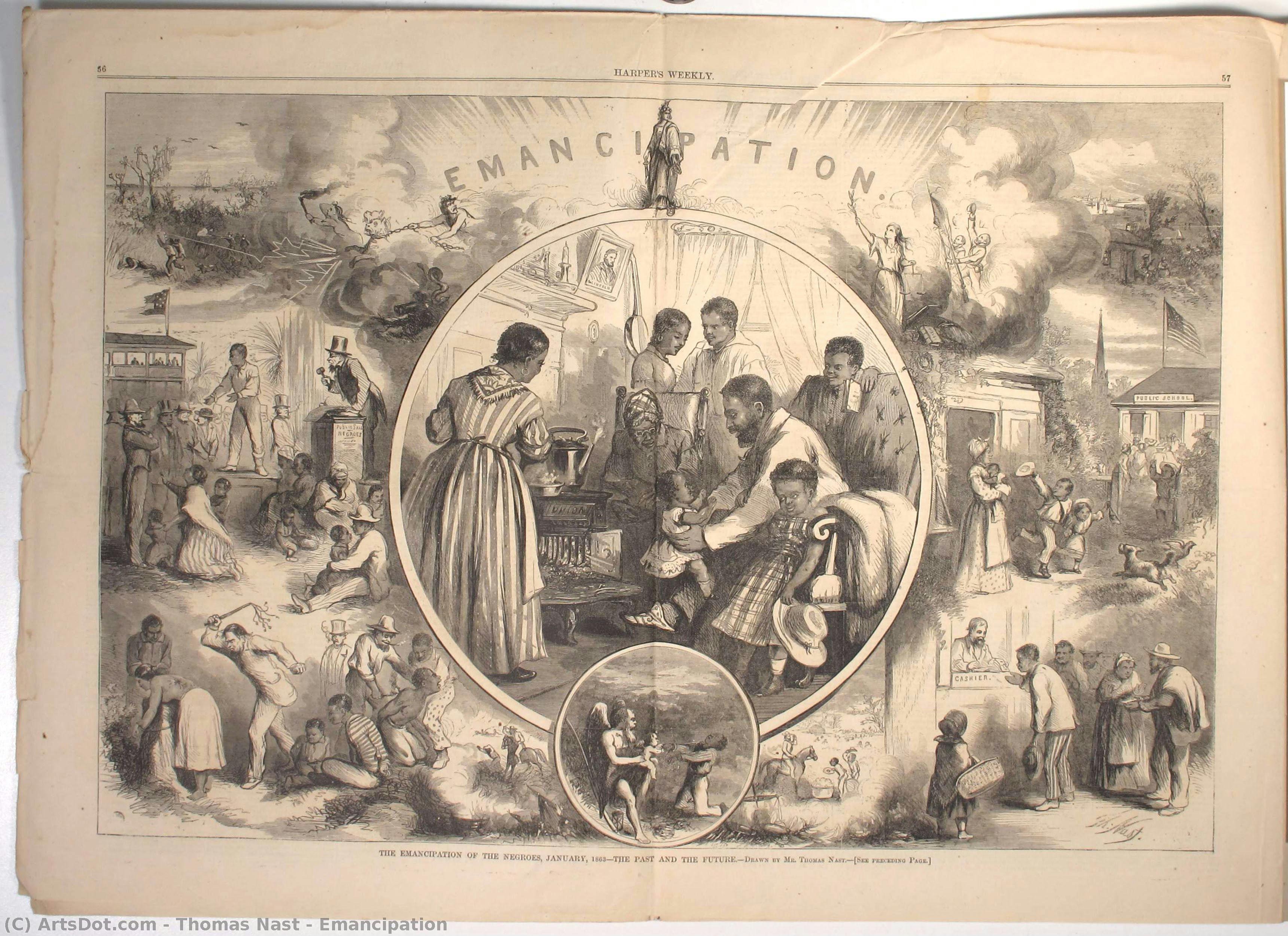
Nast's artistic evolution mirrored the tumultuous landscape of 19th-century America. Initially drawn to sentimental compositions, his style began to sharpen as he joined Harper’s Weekly in 1859 – a pivotal association that would last for decades. A sojourn to England and Italy, documenting events like the Sayers-Heenan prize fight and Garibaldi's unification campaign, broadened his perspective and refined his technique. The outbreak of the Civil War proved transformative. Nast wholeheartedly embraced the Union cause, using his art as a potent weapon against slavery and disunion. His depictions of battlefields and poignant scenes of homefront life resonated deeply with the public, earning him praise from President Lincoln himself, who famously declared Nast “our best recruiting sergeant.” However, it was after the war that Nast truly found his voice – a biting, satirical edge directed at political corruption and societal ills. He transitioned from brush and ink wash to drawing directly on wood blocks with pencil, influencing the engravers and resulting in his signature bold cross-hatching style—a technique that lent immediacy and dramatic impact to his work.
Exposing Corruption and Shaping Symbols
Thomas Nast’s name is inextricably linked with the dismantling of Boss Tweed's notorious Tammany Hall political machine in New York City. Through relentless caricatures, he exposed the rampant corruption and brazen theft that characterized Tweed’s reign. His depictions of Tweed as a corpulent, menacing figure – often surrounded by symbols of greed and exploitation – captivated the nation and fueled public outrage. These cartoons weren't merely artistic expressions; they were instrumental in bringing down one of the most powerful political forces of the era, leading to Tweed’s arrest and eventual conviction. Beyond his exposé of Tammany Hall, Nast left an indelible mark on American iconography. He didn’t invent Santa Claus, but he *defined* the modern image of the jolly, rotund gift-giver, drawing inspiration from German traditions like Saint Nicholas and Weihnachtsmann. Similarly, while not the originator of the Republican elephant or the Democratic donkey, Nast popularized these symbols through his masterful artwork, cementing their place in American political discourse. He also significantly contributed to the popularization of Uncle Sam as a national personification.
A Lasting Influence and Complex Legacy
Nast’s influence extended far beyond the realm of political cartooning. His innovative style, impactful subject matter, and unwavering commitment to social commentary established him as a true pioneer in American visual culture. He illustrated over one hundred books throughout his career, demonstrating his versatility and artistic range. However, his legacy is not without its complexities. Some of his work reflected the prejudices of his time, containing anti-Catholic and anti-Irish sentiments that are now rightly viewed with criticism. Despite these flaws, his contributions to American art and political thought remain undeniable. Later in life, financial difficulties led him to accept a position as consul to Ecuador under President Theodore Roosevelt, but he tragically succumbed to yellow fever in Guayaquil in 1902. Thomas Nast’s work continues to resonate today, reminding us of the power of art to challenge authority, shape public opinion, and leave an enduring mark on history. He was, and remains, a true master of his craft—a prince of caricature whose legacy is etched in ink for generations to come.






 定制手绘复刻品
 分享
分享 分享
分享
 详情
详情

 下载
下载
 相似作品
相似作品 X射线
X射线 幻灯片播放
幻灯片播放
 展开详情
展开详情






































 玻璃选项仅适用于110厘米以下的尺寸。


