工作室 — 全球免运费 — 预计2–6周送达
照片转油画定制 愿望清单 购物车
效果预览效果预览 AR 预览AR 预览 购买手绘画作 购买手绘画作购买图片 购买图片 分享分享
详情详情 加入收藏 加入收藏 下载下载 相似作品相似作品 X射线X射线 幻灯片播放幻灯片播放

Bird

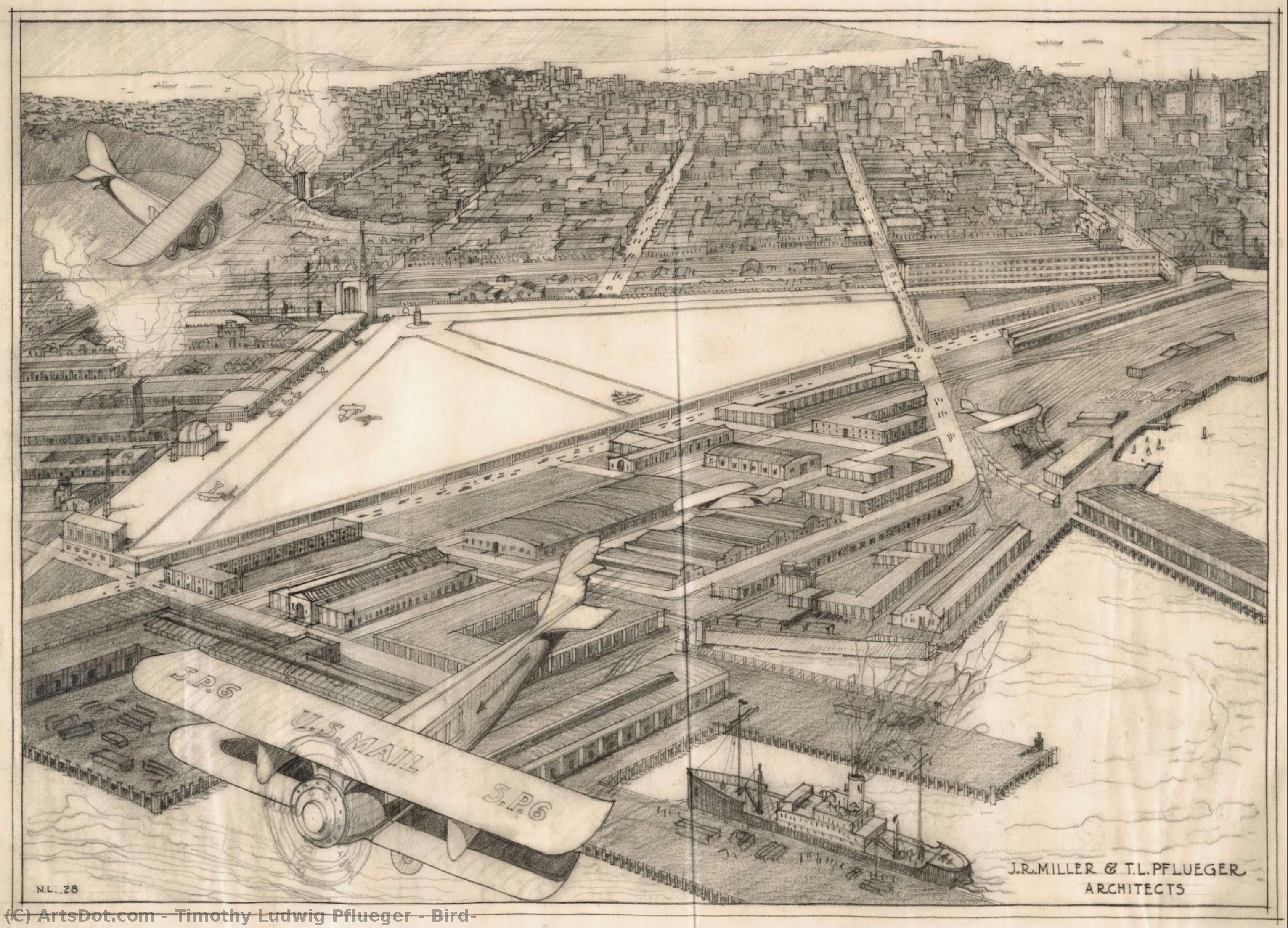
Explore Timothy Pflueger's "Bird" – a captivating black & white drawing capturing an airport scene from 1927, showcasing his signature architectural style and San Francisco’s vibrant era.

Timothy Ludwig Pflueger (1892-1946): San Francisco's Art Deco master. Architect of iconic hotels like the Mark Hopkins & Castro Theatre, and a key founder of SFMOMA. Explore his innovative designs.

艺术微喷/版画

博物馆级艺术微喷或帆布版画,制作高效,并提供多种饰面选择。 (购买手绘画作 购买手绘画作购买图片 购买图片)

P118B $10
P118H $10
P118W $10
P438Z $10
P508JH $12
P508YH $12
P805H $10
P805Z $10
P919BZ $10
P919G $10
P919XJ $10
P959ZH $10
P968JZ $12
W106C $8
W218G $10
W218JH $8
W218Y $10
W307PJ $10
W316G $10
W316PJ $8
W316Y $10
W398PJ $8
W4111J $10
W500HY $15
W500JH $15
W692G $12
W849H $8
W940BG $15
W953PJ $8

Standard
custom
CM
INCH

从与原作比例一致的预设尺寸中进行选择。

宽度
高度

您可以输入自定义尺寸,以适配特定的画框或空间。如果您选择的尺寸与原图比例不符,我们将对作品进行裁剪,或通过镜像填充/纯色填充边缘的方式来扩展图像。在开始制作之前,我们会向您发送一份数字效果图供您确认。
请注意,屏幕上的预览并不能反映实际的裁剪或扩展效果。只有效果图才能准确展示最终的构图。
虽然我们提供定制尺寸,但为了保持原图比例,我们建议您从预设列表中选择尺寸。

全球配送(),仅需 2 周即可送达,无需等待标准流程的 4/5 周。(17 August)

why_choose_icon
全球免费特快专递服务
why_choose_icon
优质亚麻画布
why_choose_icon
全程运输保险
why_choose_icon
关税退款保证
why_choose_icon
色彩还原度保证
why_choose_icon
60天退货政策(仅限制造缺陷)
why_choose_icon
100%退款保证
why_choose_icon
多件购买优惠

总计金额

$ 69

reproduction

Bird

艺术微喷/版画

复制品尺寸

-

最终总价

$ 69

作品概览

  • Notable elements: Airport scene, aircraft
  • Medium: Drawing
  • Movement: Art Deco
  • Location: San Francisco Museum of Modern Art
  • Style: Streamline Moderne
  • Year: 1927
  • Artist: Timothy Pflueger

艺术知识测试

每道题只有一个正确答案。

题目 1:
What is the primary subject depicted in Timothy Pflueger’s ‘Bird’?
题目 2:
In what decade was Timothy Pflueger actively creating works like ‘Bird’?
题目 3:
What architectural style is most prominently associated with Timothy Pflueger’s work, as evidenced by ‘Bird’?
题目 4:
The image of 'Bird' shows a scene primarily featuring what type of vehicles?
题目 5:
Timothy Ludwig Pflueger is known for his contributions to which city's architectural landscape?

藏品详情

A Glimpse of Flight: Timothy Pflueger’s “Bird”

Timothy Ludwig Pflueger's "Bird," painted in the mid-1920s during a pivotal era of San Francisco’s architectural and artistic blossoming, is more than just a depiction of an aircraft; it’s a vibrant encapsulation of optimism and technological advancement. Pflueger, a visionary architect deeply involved in shaping the city's skyline and interior spaces – from the opulent Mark Hopkins Hotel to the iconic Castro Theatre – captured a moment of exhilarating progress, reflecting the burgeoning belief in speed, modernity, and the boundless possibilities of the future. The painting isn’t merely about machines; it’s about the *feeling* of flight, the dream of conquering the skies that gripped a generation.

The Artist and His Time

Born in 1892 amidst the recovering energy of San Francisco following the devastating earthquake and fire of 1906, Pflueger’s trajectory was remarkably unconventional for an architect. He eschewed formal education, instead learning through hands-on experience as a draftsman, absorbing the practicalities of construction and design within Miller & Colmesnil. This apprenticeship instilled in him a deep understanding of materials and a keen eye for detail – qualities that would become hallmarks of his distinctive style. The 1920s were a period of dramatic transformation in San Francisco; Art Deco’s geometric elegance, combined with the streamlined aesthetic of Streamline Moderne, dominated architectural expression. Pflueger skillfully blended these influences, creating designs that were both sophisticated and undeniably forward-looking.

A Study in Movement and Light

The painting itself is a masterclass in capturing dynamic movement. Pflueger’s technique employs loose, expressive brushstrokes to convey the speed and energy of the aircraft soaring through the air. The planes are not rendered with photographic precision but rather as suggestions of form, their outlines blurred by motion. Notice how he utilizes varying shades of grey and white – a deliberate choice that emphasizes the play of light and shadow, creating an illusion of depth and volume. The background is deliberately atmospheric, suggesting a vast expanse of sky punctuated by the distant silhouettes of buildings, grounding the scene in a recognizable urban landscape. The artist’s use of perspective draws the viewer's eye upwards, mirroring the upward trajectory of the aircraft.

Symbolism and the Spirit of an Age

"Bird" is deeply intertwined with the symbolism of its time. The rise of aviation represented a fundamental shift in human experience – a liberation from earthly constraints and a promise of unprecedented connectivity. The painting embodies this spirit of exploration and ambition, reflecting the optimism that characterized the 1920s. Furthermore, Pflueger’s inclusion of automobiles on the ground below subtly acknowledges the interconnectedness of transportation systems—a testament to the era's fascination with technological integration. The bird itself, a universally recognized symbol of freedom and aspiration, serves as a potent metaphor for the boundless possibilities offered by this new age of flight.

This reproduction offers a beautiful window into a transformative period in San Francisco’s history and the visionary work of Timothy Ludwig Pflueger. It's an ideal addition to any collection, bringing a touch of Art Deco elegance and the spirit of innovation to your home or office.


艺术家简介

A San Francisco Visionary: The Life and Legacy of Timothy Ludwig Pflueger

Timothy Ludwig Pflueger, born in 1892 amidst the burgeoning energy of San Francisco, was more than just an architect; he was a shaper of experience. His story is one of remarkable ascent, rising from working-class beginnings to become a defining force in the city’s architectural landscape and a key figure in the development of Art Deco and Streamline Moderne styles on the West Coast. Pflueger's path diverged sharply from the conventional routes of his profession – he never attended college, instead honing his skills through practical experience as a draftsman, beginning at age fifteen with Miller & Colmesnil. This hands-on approach instilled in him an intimate understanding of materials and construction, which would later become hallmarks of his innovative designs. He wasn’t simply designing buildings; he was crafting environments that resonated with the spirit of a rapidly changing era.

Blending Styles: The Architectural Signature of Pflueger

Pflueger's genius lay in his ability to synthesize diverse influences into a uniquely Californian aesthetic. While deeply rooted in the Beaux-Arts tradition, his work transcended stylistic boundaries, incorporating elements of Art Deco’s geometric precision, the sleek dynamism of Streamline Moderne, and even subtle nods to Neo-Mayan and Mission Revival architecture. This eclectic approach wasn't haphazard; it was deliberate, reflecting a desire to create spaces that were both sophisticated and distinctly Californian. He possessed an uncanny ability to capture the zeitgeist, translating the optimism and technological advancements of the early 20th century into tangible form. His designs weren’t merely functional structures but statements of cultural aspiration. The interiors he created – particularly the opulent cocktail lounges at San Francisco's iconic hotels like the Mark Hopkins, St. Francis, and Fairmont – became synonymous with glamour and sophistication, defining an era of social elegance. These spaces were not afterthoughts; they were integral to his architectural vision, meticulously designed to enhance the overall experience.

Landmarks of a City: Pflueger’s Enduring Contributions

The physical embodiment of Pflueger's legacy is etched into the San Francisco cityscape. The Castro Theatre, completed in 1922, stands as perhaps his most beloved creation – a stunning example of Spanish Colonial Revival architecture that continues to enchant audiences today. Beyond its aesthetic beauty, the theatre represents Pflueger’s commitment to creating spaces for community and cultural enrichment. Similarly, the Alameda Theatre, with its soaring Art Deco façade, exemplifies his mastery of dramatic architectural forms. His work extended beyond entertainment venues; he designed numerous office buildings, including significant contributions to the Pacific Stock Exchange, showcasing a versatility that cemented his reputation as one of San Francisco’s leading architects. He was also deeply involved in projects for prominent social clubs – the Bohemian Club, Olympic Club, and “The Family” – designing both buildings and interiors that reflected their exclusive character. These commissions demonstrate not only his architectural skill but also his ability to navigate the complex social landscape of San Francisco's elite circles.

Beyond Architecture: A Champion of the Arts

Pflueger’s influence extended far beyond the realm of architecture. He was a passionate advocate for the arts, serving as a board member of the San Francisco Art Association and playing a pivotal role in the establishment of the San Francisco Museum of Modern Art (SFMOMA). This commitment to fostering artistic expression underscores his belief that art and architecture were inextricably linked – both essential components of a vibrant cultural life. He understood that buildings weren’t simply shelters but canvases for creative expression, and he actively sought opportunities to collaborate with artists like Ralph Stackpole and Diego Rivera, integrating their work into his architectural designs. His involvement in the arts wasn't merely philanthropic; it was an integral part of his artistic philosophy, a belief that architecture should be informed by and contribute to the broader cultural landscape.

A Lasting Impression: Pflueger’s Historical Significance

Timothy Ludwig Pflueger passed away in 1946, leaving behind a legacy that continues to inspire architects and designers today. His innovative blend of styles, his commitment to creating immersive environments, and his unwavering support for the arts have cemented his place as a true visionary. He demonstrated that architectural brilliance doesn’t require formal education but rather a keen eye, a relentless work ethic, and a deep understanding of human experience. Pflueger's buildings are not merely historical artifacts; they are living testaments to his creativity and enduring influence – landmarks that continue to shape the character of San Francisco and remind us of the power of architecture to transform our lives. His story serves as an inspiring reminder that innovation can flourish from humble beginnings, and that true artistry lies in the ability to synthesize diverse influences into something uniquely beautiful and meaningful.
Timothy Ludwig Pflueger

Timothy Ludwig Pflueger

1892 - 1946 , United States of America

艺术家简介

  • Artistic Movement Or Style: Art Deco, Streamline Moderne
  • Artists Or Movements Influenced By This Artist: ['California Art Deco architects']
  • Date Of Birth: 1892
  • Date Of Death: 1946
  • Full Name: Timothy Ludwig Pflueger
  • Nationality: American
  • Notable Artworks:
    • Castro Theatre
    • Mark Hopkins Hotel lounges
    • St. Francis Hotel designs
    • Fairmont Hotel designs
  • Place Of Birth: San Francisco, USA
© TopImpressionists.com — 版权所有  ·  100% 手绘 · 满意保证 · 全球免运费
VISA MASTERCARD