实景预览
实景预览
 分享
分享 分享
分享
 详情
详情 指南
指南

 下载作品
下载作品
 相似作品
相似作品 X射线
X射线 幻灯片播放
幻灯片播放 问答
问答 统计数据
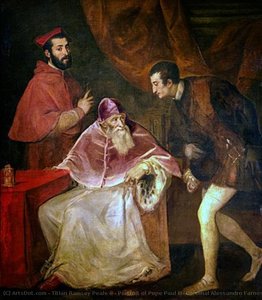
统计数据The Annunciation

- 280.0 x 21.0 cm


Discover Titian’s "The Annunciation" (1557), a Baroque masterpiece! Explore its dramatic lighting, dynamic composition & rich colors of this Venetian painting.
 展开全文
展开全文
美国艺术家蒂坦·拉姆齐·皮尔二世(1799-1885),继承了家族艺术传统,同时深受文艺复兴时期威尼斯画派影响。他的作品以精湛的技法、丰富的色彩和对宗教题材的深刻理解而闻名,“献银币”、“牧羊人和仙女”等作品展现了他独特的艺术风格,连接了古典主义与新兴美洲文化。
艺术微喷/版画
博物馆级艺术微喷或帆布版画,制作高效,并提供多种饰面选择。 ( 订购纯手工绘制画作 切换至数字图像销售渠道)




P118B ¥10

P118H ¥10

P118W ¥10

P438Z ¥10

P508JH ¥12

P508YH ¥12

P805H ¥10

P805Z ¥10

P919BZ ¥10

P919G ¥10

P919XJ ¥10

P959ZH ¥10

P968JZ ¥12

W106C ¥8

W218G ¥10

W218JH ¥8

W218Y ¥10

W307PJ ¥10

W316G ¥10

W316PJ ¥8

W316Y ¥10

W398PJ ¥8

W4111J ¥10

W500HY ¥15

W500JH ¥15

W692G ¥12

W849H ¥8

W940BG ¥15

W953PJ ¥8




标准尺寸
定制
CM
INCH
您可以从与原作比例一致的预设尺寸中进行选择。
Loading sizes...

宽度
高度
请输入您所需的宽度和高度,以适配您的画框或墙面。由于印刷品只能进行裁剪,无法超出原图尺寸,因此若比例不一致,画面的一部分将会被裁切。在正式印刷之前,我们会为您发送一份数字效果图供您确认。本页面显示的图片并非最终裁剪后的效果——只有效果图才能展示真实的裁剪情况。


 玻璃选项仅适用于110厘米以下的尺寸。

The Annunciation
艺术微喷/版画
复刻品尺寸
-


最终结算价
¥ 470
The Annunciation: A Baroque Dialogue of Grace and Revelation
Titian Ramsay Peale II’s “The Annunciation,” painted in 1557, is more than just a depiction of a pivotal biblical moment; it's a carefully constructed tableau brimming with the emotional intensity and dramatic lighting characteristic of late Renaissance – specifically, Baroque – art. This masterful work transports us to a space both sacred and subtly unsettling, inviting contemplation on themes of divine grace, human humility, and the profound mystery at the heart of faith. Peale’s interpretation diverges from purely literal representation, opting instead for a heightened emotionalism that resonates powerfully with viewers centuries later.
The scene unfolds within an undefined, almost dreamlike space – a dark void punctuated by subtle architectural elements suggesting a modest dwelling. The focus immediately draws the eye to the kneeling woman, Mary, rendered in exquisite detail. Her posture conveys both vulnerability and profound absorption; her hands clasped together, her gaze fixed upward with an expression of awe and gentle surprise. This isn’t merely a passive recipient of divine news but a figure actively engaged in a momentous encounter. The artist skillfully uses light to sculpt her form, highlighting the delicate contours of her face and emphasizing the weight of this revelation.
A Symphony of Color and Movement
Peale's palette is dominated by rich browns, deep golds, and muted reds – colors that evoke a sense of solemnity and reverence. These warm tones are juxtaposed with cooler blues and purples in the swirling clouds above, creating a dynamic interplay between earthly humility and celestial splendor. The drapery, particularly the voluminous robes of the angel, is rendered with meticulous attention to detail, utilizing layered impasto – thick applications of paint that create a tactile, almost sculptural effect. This technique not only adds depth and texture but also contributes to the overall sense of drama and movement within the composition.
The use of curved lines—particularly in the flowing drapery and the wings of the angel—is paramount to the painting’s dynamic feel. These lines guide the viewer's eye through the scene, creating a sense of continuous motion and upward aspiration. The positioning of the ascending cherubs further reinforces this feeling of ascension, symbolizing the divine presence reaching down to earth. The pyramidal composition, anchored by Mary’s kneeling form and culminating in the angel and celestial elements, provides stability while simultaneously directing the eye upwards towards the heavens.
Symbolism and Artistic Echoes
“The Annunciation” is rich in symbolic meaning. The angel, rendered with powerful wings and a commanding presence, represents divine grace and the messenger of God’s will. Mary's posture embodies humility and receptivity – she is not demanding answers but humbly accepting the extraordinary news. The architectural details, though subtly suggested, hint at the familiar setting of Nazareth, grounding the miraculous event in a tangible reality. The painting draws heavily on the artistic traditions of the High Renaissance, particularly the works of Raphael and Leonardo da Vinci, yet Peale imbues it with a distinctly Baroque sensibility – a heightened emotionalism, dramatic lighting, and an emphasis on movement and dynamism.
Furthermore, it’s important to consider Peale's lineage. As the son of Charles Willson Peale, a pivotal figure in early American art and founder of the first museum, Titian Ramsay Peale II inherited a legacy of scientific observation and artistic exploration. This influence is evident in his meticulous detail and his commitment to capturing both the beauty and the complexity of the natural world – as seen in his extensive wildlife paintings. “The Annunciation” thus represents a fascinating synthesis of High Renaissance ideals with New World sensibilities, creating an artwork that is both timelessly beautiful and deeply rooted in its historical context. It’s a powerful testament to the enduring appeal of religious iconography and the artist's ability to translate profound spiritual themes into visually arresting form.
常见问题与解答
在 蒂坦·拉姆齐·皮尔二世 的《The Annunciation》 中,艺术流派与时代背景是如何交汇的?
蒂坦·拉姆齐·皮尔二世 的《The Annunciation》 属于 Baroque 流派,创作于其作者的 19世纪 时期。
什么样的摆放方式最适合 蒂坦·拉姆齐·皮尔二世 的《The Annunciation》 的画幅?
关于 蒂坦·拉姆齐·皮尔二世 的《The Annunciation》,记录了其规格 (Portrait) 与建议摆放空间 (Living Room) 这两项陈列信息。
在购买之前,我可以在自己的墙上预览 蒂坦·拉姆齐·皮尔二世 的《The Annunciation》 吗?
“The Annunciation” 支持增强现实(AR)预览:通过作品的 AR 效果预览 页面,您可以在兼容设备上查看该作品呈现在您专属空间的效果。
艺术家简介
蒂坦·拉姆齐·皮尔二世:新世界的回忆
蒂坦·拉姆齐·皮尔二世(Titian Ramsay Peale II)占据着19世纪美国艺术风景中一个迷人而常常被忽视的地位。他于1799年出生在费城,深深扎根于艺术世家——他是查尔斯·威尔逊·皮尔(Charles Willson Peale)最小的儿子,这位人物是早期美国肖像画的关键人物,也是首个国家博物馆的创始人。尽管他的父亲留下了巨大的遗产,但蒂坦开辟了自己的道路,这其中深深植根于文艺复兴时期艺术理想,特别是从威尼斯流传下来的那些理想。他并非简单地复制风格;他正在传递一种深刻的艺术感觉,在他的画布上注入了细致入微的细节和充满活力的色彩调板,使他与许多同时代人区分开来。他的生活在蓬勃发展的美国身份的背景下展开,然而他的艺术心灵仍然与古典大师紧密相连,从而创造了一种旧世界敬畏和新世界表达之间的引人注目的张力。自然主义素描到画家画布
皮尔早年的人生充满了对艺术和自然历史的双重热情——这种结合是由他父亲多方面的追求所培养的。他陪同考察队,特别是1819年至1820年斯蒂芬·哈里曼·朗(Stephen Harriman Long)前往落基山脉的旅程,以越来越精湛的艺术眼光记录植物和动物。这个时期不仅仅是关于记录观察结果;而是关于*理解*形式、光线和纹理——这些技能在他完全专注于绘画时将证明其价值。他作为自然家的工作启发了他的艺术,为他对自然世界的描绘赋予了科学的精确性,同时也使它们充满了超越简单记录的情感共鸣。他不仅仅是在向我们展示事物是什么样子的;他是在揭示它们的内在之美和精神意义。《贡金献币》(The Tribute Money)就是一个很好的例子,它以鲁本斯式的光影运用呈现出戏剧性的效果,“仙女与牧羊人”则巧妙地融合了自然、神话和感性美。威尼斯影响与神圣的幻象
威尼斯色彩主义的影响——由提香(Titian)等艺术家所倡导,强调丰富而发光的色彩和大气效果——在皮尔的作品中显而易见。他并非简单地复制这些大师;他正在内化他们的原则,并将它们适应到自己的艺术视野中。这尤其体现在他的宗教作品中,《四位圣徒的祭坛宝库》和《牧羊人的敬拜》等画作不仅仅是圣经场景的描绘;它们是身临其境的体验,通过精心安排的构图和运用色彩来唤起情感,将观众带入精神沉思的世界。这些作品中对细节的细致关注不仅体现了他的技术技能,还体现了他对主题的深刻敬畏。重塑与持久意义
在20世纪的大部分时间里,蒂坦·拉姆齐·皮尔二世很大程度上被排除在艺术史叙事之外。他的作品并不完全符合流行的趋势,他对古典风格的奉献似乎在快速变化的艺术环境中显得过时。然而,近年来出现了一种对他的贡献日益增长的重新评估。学者和收藏家正在认识到其绘画中美国情怀与欧洲传统独特融合的特点。对他作品的重新发现不仅仅是填补艺术史上的空白;而是为了更深入地理解塑造19世纪美国的复杂文化力量。皮尔代表了不同世界之间的桥梁,是对古典理想持久力量的证明,也是一个提醒,艺术创新通常源于影响力的意想不到的组合。他的画作,现在可以在TopImpressionists、乌菲齐美术馆和皮蒂宫等收藏中找到,为美国艺术史的一个被遗忘的角落提供了引人注目的一瞥——这个角落被文艺复兴的光辉照亮。
蒂坦·拉姆齐·皮尔二世
1799 - 1885 , 美国
艺术家简介
- 全名: Titian Ramsay Peale II
- 出生日期: 1799年
- 国籍: 美国
- 影响艺术家:
- Titian
- 威尼斯画派大师
- 艺术风格: 文艺复兴时期
- 著名作品:
- 祭坛圣像与四位圣徒
- 牧羊人的敬拜
- 美丽
- 贡币
- 圣家与牧羊人
相关文章

Golden Light & Rich Color: The Timeless Magic of Venetian Renaissance Art
Explore the luminous beauty of Venetian Renaissance art. Discover how masters like Titian used colorito and golden light to redefine painting through texture, emotion, and atmospheric brilliance in a masterclass of historical artistry.

Drama and Light: Discover the Captivating Grandeur of Baroque Art
Immerse yourself in the dramatic splendor of Baroque art. Explore the profound impact of light, shadow, and the Counter-Reformation through an expert historical lens, celebrating the masters who defined an era of unparalleled grandeur and emotional intensity.