


 实景预览
实景预览
 发送
发送 分享
分享
 详情
详情 指南
指南

 下载图片
下载图片
 相似作品
相似作品 X射线
X射线 幻灯片播放
幻灯片播放 统计数据
统计数据The Fisherman


 阅读全文
阅读全文
艺术微喷/版画
博物馆级艺术微喷或帆布版画,制作高效,并提供多种饰面选择。 ( 订购此收藏品的纯手工复刻画作 切换至数字图像销售渠道)




P118B ¥10

P118H ¥10

P118W ¥10

P438Z ¥10

P508JH ¥12

P508YH ¥12

P805H ¥10

P805Z ¥10

P919BZ ¥10

P919G ¥10

P919XJ ¥10

P959ZH ¥10

P968JZ ¥12

W106C ¥8

W218G ¥10

W218JH ¥8

W218Y ¥10

W307PJ ¥10

W316G ¥10

W316PJ ¥8

W316Y ¥10

W398PJ ¥8

W4111J ¥10

W500HY ¥15

W500JH ¥15

W692G ¥12

W849H ¥8

W940BG ¥15

W953PJ ¥8




标准尺寸
定制
CM
INCH
您可以从与原作比例一致的预设尺寸中进行选择。
Loading sizes...

宽度
高度
请输入您所需的宽度和高度,以适配您的画框或墙面。由于印刷品只能进行裁剪,无法超出原图尺寸,因此若比例不一致,画面的一部分将会被裁切。在正式印刷之前,我们会为您发送一份数字效果图供您确认。本页面显示的图片并非最终裁剪后的效果——只有效果图才能展示真实的裁剪情况。


 玻璃选项仅适用于110厘米以下的尺寸。

The Fisherman
艺术微喷/版画
复刻品尺寸说明
-


总计金额
¥ 464
A Moment Frozen in Time: The Essence of Algonquin
Tom Thomson's "The Fisherman" isn't merely a depiction of a solitary figure casting his line; it’s a profound immersion into the heart of Canadian wilderness, a distilled essence of the early 20th century’s burgeoning interest in capturing the soul of the land. Painted in 1917, during a pivotal period for both Thomson and the nascent Group of Seven, this oil on wood panel vibrates with an almost palpable sense of tranquility and rugged beauty. The scene unfolds within a dramatically rendered landscape – a rocky outcrop framing a rushing river, culminating in a distant, imposing waterfall. It’s a vista that speaks to the vastness and untamed spirit of Algonquin Park, a place that would become inextricably linked with Thomson's artistic vision.
Thomson, a self-taught artist who emerged from humble beginnings as a pen illustrator, possessed an uncanny ability to translate the raw energy of nature onto canvas. He eschewed academic precision in favor of a direct, emotionally charged approach – a technique that resonated deeply with the Canadian landscape and its people. “The Fisherman” exemplifies this style perfectly; the brushstrokes are loose and expressive, conveying movement and texture with remarkable immediacy. The artist doesn’t attempt to replicate reality with photographic accuracy but rather captures the *feeling* of being present in that specific moment, bathed in the light and surrounded by the sounds of nature.
Impressionistic Brushwork & a Palette of Earth
The painting's power lies significantly in its masterful use of color and texture. Thomson employs a predominantly warm palette – deep reds, oranges, and browns dominate, mirroring the hues of autumn foliage and the earth itself. These rich tones are juxtaposed with cooler blues and greens within the river and surrounding vegetation, creating a dynamic visual harmony. Crucially, he utilizes thick impasto—a technique involving applying paint in heavy layers—to build up texture on the rocks, water surface, and even the fisherman’s clothing. This tactile quality invites the viewer to almost *feel* the roughness of the stone beneath their fingertips or the coolness of the flowing water.
The composition itself is carefully considered. The diagonal thrust of the river draws the eye into the distance, while the towering cliffs provide a sense of scale and drama. Geometric shapes – triangles for the cliffs, curves for the river, and rectangles for the fisherman’s attire – are subtly integrated within the overall impressionistic style. This interplay between structured form and loose brushwork contributes to the painting's captivating visual rhythm.
Symbolism & a Portrait of the Canadian Spirit
Beyond its technical brilliance, “The Fisherman” carries significant symbolic weight. The solitary figure represents not just a fisherman but also embodies a deeper connection with nature – a theme central to Thomson’s work and increasingly important in early 20th-century Canada. The act of fishing itself can be interpreted as a metaphor for the human relationship with the natural world: a quiet, respectful engagement seeking sustenance and understanding. The vastness of the landscape underscores the individual's place within it – a humbling reminder of both our dependence on and connection to the environment.
Furthermore, the painting reflects the growing national identity in Canada at the time. Thomson’s focus on the Canadian wilderness resonated with a desire for self-expression and independence from European influences. His work helped to establish a distinctly Canadian artistic voice, paving the way for the Group of Seven and shaping the country's visual landscape for generations to come. “The Fisherman” stands as a testament to this legacy – a timeless image that continues to evoke feelings of peace, solitude, and profound connection with the natural world.
问答详情
汤姆·汤姆森 的《The Fisherman》 的色彩基调是什么?
汤姆·汤姆森 的《The Fisherman》 采用了 Earthy 色调,并以 Quinacridone Magenta (#81574c) 作为主导色。
汤姆·汤姆森 的《The Fisherman》 的亮度是多少?
汤姆·汤姆森 的《The Fisherman》 记录的亮度为 Soft Shadow。
“The Fisherman” 是什么类型的艺术品?
汤姆·汤姆森 的《The Fisherman》 被归类为 WallArt。该类别描述了原作的艺术形式。
相关艺术品


艺术家简介
加拿大荒野的先驱
托马斯·约翰·汤姆森(Thomas John Thomson),在几代加拿大人心中,仅仅以“汤姆·汤姆森”这一名字为人所知。他是这个国家艺术遗产中一位关键且带有神秘色彩的人物。尽管他的艺术生涯极其短暂——在三十九岁时便不幸戛然而止——但他却深刻地塑造了加拿大艺术的发展进程。作为享誉盛名的“七人画派”(Group of Seven)的重要先驱,他留下了大量令人心驰神往的风景画,其情感张力至今仍能与观众产生深层的共鸣。他的故事是一段大器晚成的传奇,是一个不安的灵魂在安大略州荒野那未经雕琢的美丽中寻找到自我声音的过程,同时也伴随着围绕其英年早逝而产生的持久谜团。从乡村岁月到艺术觉醒
1877年8月5日,汤姆森出生于安大略州的克莱尔蒙特(Claremont)。他的早年生活沉浸在乡村生活的律动之中,作为农耕家庭的十个孩子之一,这种成长环境赋予了他与自然界之间深厚的情感纽籍——尽管这种联系最初并未通过艺术形式表达出来。由于疾病和现实生活的压力,他的正规教育断断续续。在全身心投入艺术创作之前,汤姆森曾涉足过多种职业:他曾在铁铸造厂工作,短暂地就读于商业学院,甚至远赴西部的西雅图,在那里磨练自己作为商业艺术家的技能。这段时期对他而言具有深远的塑造意义;这不仅是在 Maring & Ladd 等公司积累了书法与设计的技术熟练度,更重要的是让他邂逅了一些后来成为加拿大艺术界核心人物的艺术家,其中包括 J.E.H. MacDonald 和 Lawren Harris。这些交集为他提供了至关重要的思想与艺术环境,滋养了他潜在的天赋。然而,真正点燃汤姆森艺术激情的是1912年对阿尔冈昆公园(Algonquin Park)的发现。在 MacDonald 的鼓励下,他开始描绘公园内那些令人屏息的壮丽景观,由此开启了一段通过风景画进行自我探索的旅程。独特风格的演变
汤姆森早期的作品展现出一种充满潜力但尚未成熟的天赋。虽然这些作品已具备了对构图与色彩的理解,但仍缺乏那种后来定义其成熟期作品的独特语汇。然而,随着时间的推移,他的风格经历了一场剧烈的变革。他逐渐摒弃了传统的技法,转而拥抱一种更加大胆、更具表现力的方法,其特征是鲜艳的色彩、厚涂的颜料——即“肌理画法”(impast)——以及充满动感的笔触。这些作品不仅仅是对风景的再现,更是直觉式的诠释,传达出加拿大荒野的生命力、氛围感以及情感强度。他的题材几乎完全集中在风景上:参天的巨木、辽阔的天空、波光粼粼的湖泊、蜿蜒的河流,以及地形中光影交织的细微变化。他捕捉的不只是他所“看到”的景象,更是沉浸在那种环境中所能“感受到”的情绪。这种赋予画作即时感与情感共鸣的能力,使他在同辈艺术家中脱颖而出。传承与深远影响
诸如《松树》(The Jack Pine)、《西风》(The West Wind)、《月光下的帆船》(Moonlight Sail)以及《秋日的桦树林》(Birch Grove, Autumn)等杰作,已成为加拿大身份认同与国家自然之美的标志性象征。尽管他在1920年“七人画派”正式成立前便已离世,但汤姆森被广泛视为该团体的非正式成员——一位奠基性的影响力人物,其艺术愿景为后继者的开创性工作铺平了道路。他对大胆色彩、表现主义笔触以及独特加拿大题材的运用,深刻影响了该画派的发展方向。1917年7月,他在独木舟湖(Canoe Lake)溺水身亡的经过至今仍笼罩在迷雾之中,为他的生命与艺术增添了一抹神秘色彩。那究竟是一场悲剧性的意外,还是另有隐情?这种模糊性数十年来不断引发人们的遐想,进一步巩固了汤姆森在加拿大文化中传奇人物的地位。如今,他的作品主要收藏于安大略美术馆、加拿大国家美术馆、麦克米伦加拿大艺术收藏馆以及汤姆·汤姆森美术馆等加拿大重要机构,确保了他的艺术视野能够持续激励并吸引后世一代又一代的人。他本身就是一种证明,证明了艺术表达能够捕捉一个民族灵魂精髓的力量。永恒的象征
汤姆森被理所当然地誉为加拿大现代艺术的先驱,他打破了欧洲传统的束缚,锻造出了一种独特的加拿大美学。他的画作不仅仅是风景,更是加拿大荒野与民族认同的强大象征。其作品经久不衰的流行程度,印证了其永恒的品质与普世的魅力。他并非仅仅描绘所见之物;他描绘的是身为加拿大人、与北方辽阔壮丽景观相连的那种“心境”。他的遗产仍在不断壮大,确立了他作为加拿大最受爱戴且最重要的艺术家之一的地位——他是这个国家艺术遗产中真正的图腾。
汤姆·汤姆森
1877 - 1917 , 加拿大
快速概览
- Artistic Movement Or Style: 加拿大现代主义
- Artists Or Movements Influenced By This Artist: ['七人画派']
- Artists Who Influenced This Artist:
- J.E.H. MacDonald
- Lawren Harris
- Date Of Birth: 1877年8月5日
- Date Of Death: 1917年7月8日
- Full Name: Thomas John Thomson
- Nationality: 加拿大
- Notable Artworks:
- 杰克松树
- 西风
- 月光帆船
- 秋季的桦树林
- Place Of Birth: 加拿大,克莱蒙特
相关文章

The Soul of Impressionism: Why Oil on Canvas Captures Eternal Light and Timeless Emotion
Discover the enchanting alchemy of Impressionism. Explore how the mastery of oil on canvas, through glazing and impasto, captures eternal light and emotion. Perfect for lovers of Monet and Van Gogh seeking the profound depth of hand-painted fine art.

The Timeless Charm of Oil on Board: Reimagining Texture and Light through the Impressionist Lens
Discover the profound intimacy of oil on panel. Explore how Impressionist masters used rigid supports to capture light, texture, and impasto depth through exquisite, handmade oil reproductions for discerning collectors.
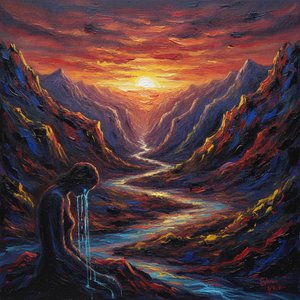
Capturing Emotion: A Journey Through the Soul of Expressionist Landscapes
Explore the profound emotional depth of Expressionist landscapes. Discover how Post-Impressionist masters moved beyond light to capture the soul through vibrant color and form. A curated journey for true art lovers seeking the beauty of expressive mastery.

Beyond the Light: Capturing Raw Emotion and Subjective Vision in Post-Impressionist Landscapes
Explore the profound emotional depth of Post-Impressionist landscapes. Discover how masters like Van Gogh moved beyond light to capture raw human feeling through vibrant color and expressive texture in this expert art history retrospective.