


 实景预览
实景预览
 发送
发送 分享
分享
 详情
详情 指南
指南

 下载图片
下载图片
 相似作品
相似作品 X射线
X射线 幻灯片播放
幻灯片播放 统计数据
统计数据Cottages


 阅读全文
阅读全文
艺术微喷/版画
博物馆级艺术微喷或帆布版画,制作高效,并提供多种饰面选择。 ( 订购此收藏品的纯手工复刻画作 切换至数字图像销售渠道)




P118B ¥10

P118H ¥10

P118W ¥10

P438Z ¥10

P508JH ¥12

P508YH ¥12

P805H ¥10

P805Z ¥10

P919BZ ¥10

P919G ¥10

P919XJ ¥10

P959ZH ¥10

P968JZ ¥12

W106C ¥8

W218G ¥10

W218JH ¥8

W218Y ¥10

W307PJ ¥10

W316G ¥10

W316PJ ¥8

W316Y ¥10

W398PJ ¥8

W4111J ¥10

W500HY ¥15

W500JH ¥15

W692G ¥12

W849H ¥8

W940BG ¥15

W953PJ ¥8




标准尺寸
定制
CM
INCH
您可以从与原作比例一致的预设尺寸中进行选择。
Loading sizes...

宽度
高度
请输入您所需的宽度和高度,以适配您的画框或墙面。由于印刷品只能进行裁剪,无法超出原图尺寸,因此若比例不一致,画面的一部分将会被裁切。在正式印刷之前,我们会为您发送一份数字效果图供您确认。本页面显示的图片并非最终裁剪后的效果——只有效果图才能展示真实的裁剪情况。


 玻璃选项仅适用于110厘米以下的尺寸。

Cottages
艺术微喷/版画
复刻品尺寸说明
-


总计金额
¥ 464
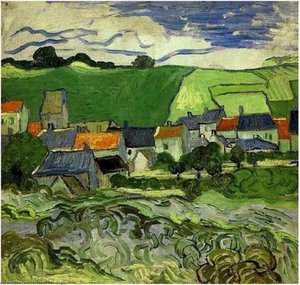
Cottages: A Window into Post-Impressionist Tranquility
Vincent van Gogh’s “Cottages,” painted in 1883, isn't merely a depiction of a rural village; it’s an immersive experience—a carefully constructed tableau designed to evoke a profound sense of peace and nostalgia. This oil on canvas, residing within the broader series exploring peasant life, offers a glimpse into Van Gogh’s evolving artistic vision during a pivotal period in his career. The scene unfolds with a quiet dignity: humble cottages, their thatched roofs blending seamlessly with the surrounding greenery, nestled beneath a serene sky. It's a landscape imbued with a palpable sense of warmth and community, yet simultaneously tinged with a subtle melancholy—a characteristic hallmark of Van Gogh’s mature style.
The painting’s genesis lies within the burgeoning Post-Impressionist movement, an era defined by artists seeking to move beyond the fleeting impressions of light and color favored by their predecessors. Post-Impressionism wasn't a rigid school but rather a diverse collection of artists—including Van Gogh himself, Paul Cézanne, Paul Gauguin, and Georges Seurat—who experimented with subjective expression, symbolic content, and emotional depth. Van Gogh’s “Cottages” exemplifies this shift; he abandons the purely observational approach of earlier Impressionists, instead layering his own feelings and interpretations onto the scene. The vibrant yellows dominating the cottages aren't simply a representation of color but rather convey warmth, light, and perhaps even a hint of optimism—a deliberate choice to imbue the humble dwellings with an aura of comfort and security.
The Language of Color and Texture
Van Gogh’s distinctive technique is immediately apparent. He employs thick, impasto brushstrokes – literally building up layers of paint directly onto the canvas – creating a tactile surface that invites close inspection. The individual strokes are visible, contributing to the painting's dynamism and energy. Notice how he uses short, broken lines to depict the thatched roofs, suggesting their texture and movement in the breeze. The greens and blues of the landscape aren’t blended smoothly; instead, they’re applied with a sense of urgency, conveying a feeling of vitality and growth. This deliberate manipulation of color and texture is central to Van Gogh's expressive style—a means of communicating not just what he *saw*, but how he *felt* about what he saw.
The composition itself is carefully considered. The cottages are arranged in a loose, asymmetrical grouping, creating a sense of visual interest and preventing the scene from feeling static. A few figures—likely peasants engaged in daily tasks—are scattered throughout the landscape, adding to the painting’s narrative quality. These figures aren't idealized or romanticized; they appear as ordinary people going about their lives, contributing to the overall sense of authenticity and realism.
Symbolism and Emotional Resonance
Beyond its visual appeal, “Cottages” is rich in symbolism. The humble cottages represent a connection to rural life, a theme that was increasingly important to Van Gogh during this period. He saw in these simple dwellings a sense of stability and community—a stark contrast to the alienation and uncertainty he often experienced in urban environments. The sky, painted in shades of blue and grey, suggests both tranquility and melancholy – reflecting the artist’s own complex emotional state. The presence of animals, likely dogs, adds another layer of meaning, symbolizing loyalty, companionship, and a connection to nature.
Van Gogh's fascination with rural life stemmed from his desire to understand the lives of ordinary people—particularly the working class. He believed that art should serve as a means of social commentary, offering insights into the experiences of those often overlooked by society. “Cottages” is therefore not just a pretty picture; it’s a poignant meditation on themes of poverty, community, and the beauty of the natural world.
Bringing "Cottages" Home: A Hand-Painted Reproduction
At TopImpressionists.com, we are proud to offer meticulously hand-painted oil reproductions of Van Gogh's “Cottages,” capturing the essence of this iconic artwork with unparalleled detail and authenticity. Our skilled artists utilize only the finest materials—traditional oil paints on archival canvas—to faithfully recreate every brushstroke, color nuance, and textural element of the original. Each reproduction is a testament to our commitment to preserving Van Gogh’s legacy and making his art accessible to collectors and admirers worldwide.
Whether you're an avid art collector, an interior designer seeking to add a touch of Post-Impressionist charm to your home, or simply someone who appreciates the beauty of Van Gogh’s work, our hand-painted reproduction of “Cottages” offers a unique opportunity to own a piece of art history. Explore our collection and discover how you can bring this timeless masterpiece into your life today. Special offer on oil paintings.
问答详情
建议将 文森特·威廉·梵谷 的《Cottages》 用于何种用途?
文森特·威廉·梵谷 的《Cottages》 的复制品非常适合用于 Statement。这一建议源于作品的主题、意境与色彩。
文森特·威廉·梵谷 的《Cottages》 为室内空间增添了怎样的氛围?
文森特·威廉·梵谷 的《Cottages》 营造出一种 Calm 的氛围,推荐用于 Living Room。作品的情绪感即是其为周围空间带来的意境。
"Cottages" 在 Post-Impressionism 流派中有多高的知名度?
文森特·威廉·梵谷 的《Cottages》 被归类为 Iconic,并属于 Post-Impressionism 流派。




艺术家简介
用激情绘就的一生:文森特·梵高
文森特·威廉·梵高,这个名字本身就是鲜艳色彩与原始情感的代名词,至今仍是艺术史上最广为人知且最受爱戴的人物之一。1853年3月30日,他出生于荷兰的赞德特,从一个在迷茫中寻找人生目标的青年,蜕变为一位富有远见的艺术大师,这段旅程是一曲关于奉献、挣扎以及最终成就永恒遗产的动人赞歌。尽管他在生前几乎没有获得商业上的成功——在去世前仅售出了一幅名为《红葡萄园》的画作——但梵高对现代艺术的影响是无法估量的,他为表现主义开辟了道路,并激励了无数后继者。他的故事不仅仅关乎笔触与画布;它更是一份见证,证明了人类情感在面对逆境时依然能够绽放光彩的力量。
早年岁月与艺术觉醒
梵高的早期生活充满了未竟的抱负。在最终投身绘画之前,他曾尝试过各种职业——艺术品经销商、教师,甚至传教士——直到27岁这一相对较晚的年纪,他才决定全身心地致力于绘画事业。这些早期的经历深刻地塑造了他的世界观,并渗透进他的艺术创作之中。他的初期作品描绘了比利时乡村农民的生活场景,反映了他对劳动人民深切的同情,以及使用沉郁色调来表现他们苦难生活的尝试。在让·弗朗索瓦·米勒等艺术家的影响下,梵高试图通过朴素的现实主义来捕捉这些个体的尊严与韧性。然而,1886年移居巴黎成为了他艺术生涯的转折点。在那里,他接触到了印象派和后印象派,吸收了莫奈、雷诺阿和毕沙罗等大师的技术。这种接触拓宽了他的艺术视野,促使他开始尝试更鲜艳的色彩和更自由的笔触,尽管他的作品中始终保留着一种在许多同时代艺术家身上都难以寻觅的独特情感强度。在此期间,他的弟弟提奥——一位艺术品经销商——发挥了至关重要的作用,不仅提供了经济支持,还成为了他与巴黎艺术界之间不可或缺的纽带。他们之间广泛的通信为研究梵高的艺术发展与个人挣扎提供了极其宝贵的见解。
南方的光芒与爆发性的创造力
为了寻求更具活力的景观和一种精神上的新生,梵高于1888年搬到了法国南部的阿尔勒。这一举动标志着他创作高峰期的到来,其特征是色彩的爆发式运用和独特的厚涂技法——通过将颜料厚厚地涂抹在画布上,创造出一种仿佛充满能量、不断脉动的纹理表面。正是在这里,他创作出了一些最具代表性的杰作:《向日葵》、《夜间咖啡馆》和《星夜》。普罗旺斯强烈的阳光似乎点燃了他的想象力,促使他以前所未有的生命力去描绘风景与静物。出于对艺术协作的渴望,他甚至邀请保罗·高更加入阿尔勒,希望建立一个乌托邦式的艺术家殖民地。然而,两人的关系却变得异常动荡,最终以一场激烈的冲突告终,导致梵高割掉了自己的耳朵。这一事件凸显了他精神状态的脆弱,也标志着他进入住院治疗时期以及心理痛苦日益加剧的开始。
后期岁月与持久的遗产
在精神崩溃之后,梵高自愿进入了圣雷米的疗养院,在那里他继续保持着高产的创作状态,用画笔捕捉着周围景观中的美丽与动荡。他在这一时期创作的作品,如《星夜》,充满了宇宙般的奇迹感与深邃的情感深度。随后,他在保罗·加歇医生的照料下搬到了奥维尔,但内心的挣扎并未停止。1890年7月29日,年仅37岁的梵高因自杀身亡,生命就此陨落。尽管生前鲜为人知,但由于他的嫂子约瑟芬·梵高-邦格的坚持不懈,他的作品在死后赢得了巨大的声誉。正是这位继承了他遗产并致力于推广其艺术的女性,让世界看到了他的光芒。如今,梵高的画作因其情感强度、创新技法和永恒的美感而享誉全球。他的遗产早已超越了画布本身;他已成为艺术激情、逆境中的坚韧以及艺术表达人类最深层情感之力量的象征。
关键影响与艺术发展
- 早期现实主义: 让·弗朗索瓦·米勒对农民生活的描绘深刻影响了梵高的早期作品。
- 印象派与后印象派: 在巴黎接触到莫奈、雷诺阿、毕沙罗等大师,极大地拓宽了他的色调与技法。
- 日本浮世绘: 梵高深受他热衷收藏的日本木版画影响。其大胆的构图和纯粹的色彩平面深刻改变了他的个人风格。
- 情感表达: 最重要的是,梵高力求通过艺术传达情感,将主观体验置于客观再现之上。这种对情感强度的追求成为了他作品的核心特征,并为表现主义铺平了道路。

文森特·威廉·梵谷
1853 - 1890 , 荷兰
快速概览
- 全名: 文森特·威廉·梵高
- 出生地点: 赞德尔特,荷兰
- 出生日期: 1853年3月30日
- 去世日期: 1890年7月29日
- 受影响的艺术流派:
- 表现主义
- 野兽派
- 国籍: 荷兰
- 影响艺术家:
- 伦勃朗·凡·莱因
- 让-弗朗索瓦·米勒
- 艺术流派: 后印象主义
- 著名作品:
- 《土豆吃者》
- 《向日葵》
- 《星夜》
- 《夜间咖啡馆》
相关文章

The Soul of the Brushstroke: Decoding Van Gogh's Emotional Impasto
Explore the profound emotional depth of Van Gogh's impasto technique. Discover how his sculptural brushstrokes and textured oil layers define Post-Impressionism through an expert art-historical lens, perfect for discerning collectors and fine art enthusiasts.

Capturing the Light: A Journey Through the Ethereal Magic of Impressionism and Post-Impressionism
Embark on a cultural journey through the luminous world of Impressionism. Discover the profound beauty of Monet, Van Gogh, and Cézanne through expert art history insights and explore how to bring these timeless masterpieces into your home with museum-quality hand-painted reproductions.

Beyond the Light: Capturing Raw Emotion and Subjective Vision in Post-Impressionist Landscapes
Explore the profound emotional depth of Post-Impressionist landscapes. Discover how masters like Van Gogh moved beyond light to capture raw human feeling through vibrant color and expressive texture in this expert art history retrospective.

Timeless Impressionism: Bringing the Soul of Monet and Van Gogh into Your Cultural Space
Discover the soul of Impressionism. Explore how the luminous light of Monet and the emotional depth of Van Gogh can transform your home with premium, hand-painted oil reproductions designed for the discerning art lover.

Beyond the Light: Discovering the Soul and Emotional Depth of Post-Impressionism
Embark on a cultural journey through Post-Impressionism. Discover the profound emotional depth of masters like Van Gogh and Cézanne, exploring how they moved beyond light to capture the very soul of human experience through vibrant color and symbolic form.
探索按主题、风格和特征分类的艺术作品。


![鸢尾花 [1889]](/media/artworks/images-thumb/ca/85/ca85582a4fd1dc392efef83ec4dc3124.jpg)

