


 效果预览
效果预览
 分享
分享 分享
分享
 详情
详情 指南
指南

 下载
下载
 相似作品
相似作品 X射线
X射线 幻灯片播放
幻灯片播放 统计数据
统计数据Cliff
 Impressionism
 1872
1872 17.0 x 25.0 cm
Discover Vincenzo Cabianca’s ‘Cliff’ (1872) – an evocative impressionistic oil painting of a coastal scene. Explore its loose brushwork, earthy tones & solitary figure. A unique piece for art collectors.
Explore the macchiaioli paintings of Vincenzo Cabianca – Italian landscapes & portraits capturing sunlight's effects. Discover his unique realism & influence.
 展开详情
展开详情
艺术微喷/版画
博物馆级艺术微喷或帆布版画,制作高效,并提供多种饰面选择。 ( 购买手绘画作 切换至数字图像销售渠道)




































标准尺寸
定制
CM
INCH
从与原作比例一致的预设尺寸中进行选择。
Loading sizes...

宽度
高度
您可以输入自定义尺寸,以适配特定的画框或空间。如果您选择的尺寸与原图比例不符,我们将对作品进行裁剪,或通过镜像填充/纯色填充边缘的方式来扩展图像。在开始制作之前,我们会向您发送一份数字效果图供您确认。
请注意,屏幕上的预览并不能反映实际的裁剪或扩展效果。只有效果图才能准确展示最终的构图。
虽然我们提供定制尺寸,但为了保持原图比例,我们建议您从预设列表中选择尺寸。


 玻璃选项仅适用于110厘米以下的尺寸。

Cliff
艺术微喷/版画
复制品尺寸
-


最终总价
$ 69
相似艺术品


艺术家简介
William Blake: A Visionary Poet and Artist
William Blake (1757–1827) remains one of the most enigmatic and profoundly influential figures in Western art and literature. Born into a modest family in London, his life was marked by both artistic brilliance and periods of perceived instability – a duality that deeply informed his work. More than simply a poet or painter, Blake envisioned himself as a “prophet,” channeling divine inspiration to create a unique body of illuminated books and prints that challenged conventional notions of beauty, morality, and the very nature of reality. His art wasn’t merely decorative; it was a complex system of symbolic language designed to unlock spiritual truths.
Blake's early artistic training began at the drawing academy of Henry Pars, followed by an apprenticeship with the commercial engraver James Basire. This conventional foundation provided him with essential technical skills, but Blake quickly sought to transcend mere craftsmanship. He yearned for a form of art that combined poetic expression with visual power – a vision he ultimately realized through his revolutionary “relief etching” technique. This method, developed after the tragic death of his younger brother Robert in 1784, allowed him to create both text and image simultaneously on a single copper plate, granting him unprecedented control over every aspect of the creative process. This innovation fundamentally altered the relationship between poetry and visual art, establishing Blake as a pioneer in their integration.
The Illuminated Books: A Poetic Universe
Blake’s most significant contribution lies in his “illuminated books”—a series of hand-printed volumes that combined verse with intricate engravings. These weren't simply illustrated poems; they were complete works of art, each sheet meticulously designed and executed by Blake himself. Titles like *Songs of Innocence and of Experience*, *The Marriage of Heaven and Hell*, *The Book of Prophecies*, and *Jerusalem* represent a vast and complex exploration of spiritual themes, social critique, and the human condition.
*Songs of Innocence and of Experience* is perhaps his most famous collection, divided into two parts that explore contrasting perspectives on childhood, morality, and societal structures. The “Innocence” poems depict a world of joyful simplicity and natural harmony, while the “Experience” poems expose the darker realities of human suffering, injustice, and corruption. Blake’s use of symbolism is extraordinarily rich; seemingly simple images—a lamb, a tiger, a tree—carry layers of meaning that invite repeated interpretation. His work was deeply influenced by his religious beliefs, particularly his interest in the mystical teachings of Emanuel Swedenborg, which informed his vision of a divine realm accessible through imagination and intuition.
The Pre-Raphaelite Connection & Artistic Style
While often categorized as a Romantic artist, Blake’s work predates many of the defining characteristics of the Romantic movement. He is frequently considered a “Pre-Romantic,” anticipating key themes and stylistic innovations that would later emerge in the 1850s with the formation of the Pre-Raphaelite Brotherhood. Blake shared with these artists a rejection of academic conventions and a fascination with medieval art, folklore, and mythology. His prints, particularly his large color works—*The Liberty*, *The Vision of Reason in Nightmare*, and *The Garden of Forking Paths*—display a bold use of color, dynamic composition, and an intensely expressive style.
Blake’s artistic style is characterized by its dreamlike quality, symbolic imagery, and often unsettling juxtapositions. He frequently employed techniques borrowed from medieval manuscript illumination, incorporating intricate borders, decorative patterns, and vibrant colors into his prints. His figures are often rendered with a sense of ethereal beauty and otherworldly grace, reflecting his belief in the power of imagination to transcend the limitations of the material world. His use of light and shadow creates dramatic effects, emphasizing the emotional intensity of his subjects.
Legacy and Historical Significance
During his lifetime, Blake was largely misunderstood and dismissed as a madman. His unconventional ideas and eccentric behavior alienated him from the mainstream art establishment, and his work received little critical attention until the late 19th century. However, in the 20th century, Blake’s visionary poetry and prints were rediscovered by a new generation of critics and artists, including T.S. Eliot, W.B. Yeats, and Ezra Pound. These figures recognized the profound originality and spiritual depth of his work, elevating him to the status of a major literary and artistic genius.
Today, William Blake is celebrated as one of the most important figures in Western art history. His innovative techniques, symbolic language, and exploration of universal themes continue to inspire artists, writers, and thinkers across diverse fields. His work serves as a powerful reminder of the transformative potential of imagination and the enduring relevance of spiritual seeking. The Metropolitan Museum of Art’s extensive collection of Blake's works offers a unique opportunity for viewers to engage with this extraordinary artist’s visionary universe.

vincenzo cabianca
1827 - 1902 , Italy
艺术家简介
- Artistic Movement Or Style: Romanticism, Pre-Raphaelite
- Artists Or Movements Influenced By This Artist:
- Frye
- Romantic poetry
- Artists Who Influenced This Artist:
- Raphael
- Michelangelo
- Dürer
- Delacroix
- Swedenborg
- Date Of Birth: November 28, 1757
- Date Of Death: August 12, 1827
- Full Name: William Blake
- Nationality: British
- Notable Artworks:
- Songs of Innocence
- Songs of Experience
- The Marriage of Heaven and Hell
- Jerusalem
- Place Of Birth: London, England
相关文章

Capturing the Soul: The Most Emotionally Moving Impressionist and Post-Impressionist Masterpieces
Discover the profound emotional depth of Impressionist and Post-Impressionist masterpieces. Explore how legends like Monet, Van Gogh, and Gauguin captured light and soul through evocative landscapes and vibrant brushwork for a timeless connection to art history.
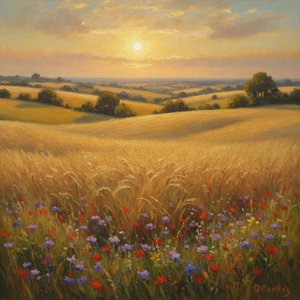
Golden Fields & Sun-Drenched Meadows: Capturing the Soul of Impressionist Landscapes
Immerse yourself in the luminous world of Impressionist landscapes. Discover how masters like Monet and Gauguin captured ephemeral light through plein air painting, and learn to bring the soul of sun-drenched meadows into your home with exquisite, hand-painted oil reproductions.
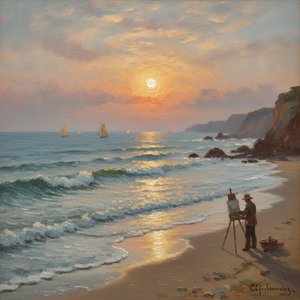
Whispers of the Waves: Discovering the Luminous Beauty and Timeless Light of Impressionist Coastal Art
Experience the breathtaking luminosity of Impressionist coastal art. From Monet’s shores to Sorolla’s sun-drenched waves, discover our exquisite hand-painted oil reproductions and bespoke commissions. Bring the timeless beauty of maritime masters into your home with TopImpressionists.com.

The Beauty of Impermanence: Capturing Decay through Impressionist Eyes
Explore the profound beauty of impermanence through Impressionist and Post-Impressionist eyes. Discover how masters like Monet and Van Gogh captured fleeting light and the poetic essence of nature's transitions in our deep dive into art history and emotional landscapes.

Beyond the Light: Capturing Raw Emotion and Subjective Vision in Post-Impressionist Landscapes
Explore the profound emotional depth of Post-Impressionist landscapes. Discover how masters like Van Gogh moved beyond light to capture raw human feeling through vibrant color and expressive texture in this expert art history retrospective.