





























从与原作比例一致的预设尺寸中进行选择。

您可以输入自定义尺寸,以适配特定的画框或空间。如果您选择的尺寸与原图比例不符,我们将对作品进行裁剪,或通过镜像填充/纯色填充边缘的方式来扩展图像。在开始制作之前,我们会向您发送一份数字效果图供您确认。
请注意,屏幕上的预览并不能反映实际的裁剪或扩展效果。只有效果图才能准确展示最终的构图。
虽然我们提供定制尺寸,但为了保持原图比例,我们建议您从预设列表中选择尺寸。

Bathsheba
复制品尺寸
Willem Drost’s “Bathsheba” – a painting produced just before the artist embarked on a journey to Italy in 1654 – is not merely a portrait; it's an intimate tableau, a carefully constructed moment suspended between vulnerability and quiet strength. The subject, identified as Bathsheba, wife of King David, isn’t depicted in grand ceremonial attire or amidst bustling courtly scenes. Instead, Drost presents her within the confines of a darkened chamber, bathed in a dramatic interplay of light and shadow that immediately draws the viewer's eye to her face – a study in subtle expression and restrained emotion. The painting whispers of a story untold, a private drama unfolding within the walls of a royal residence.
Drost’s “Bathsheba” is inextricably linked to a seminal work by his master, Rembrandt van Rijn – "Bathsheba at Her Bath," created in the same year. While Rembrandt's version explodes with vibrant color and captures the raw intensity of David’s lustful gaze, Drost adopts a more restrained approach. He consciously echoes Rembrandt’s composition—the central figure, the darkened room, the implied narrative—but subtly shifts the focus from overt drama to a quieter, more introspective mood. It's as if Drost is attempting to distill the essence of Rembrandt’s masterpiece into a more controlled and elegant form, revealing a different facet of the same compelling story.
Historical Context:The painting emerged during a period of significant artistic transition in the Netherlands. Rembrandt's influence was pervasive, shaping the direction of portraiture and influencing countless artists. Drost’s work represents a deliberate engagement with this legacy, demonstrating both admiration for his mentor and a desire to forge his own distinct style.
The painting is rich in symbolic resonance, primarily centered around the biblical narrative of David and Bathsheba. The letter held delicately in her hand – a detail borrowed from Rembrandt’s version – represents the consequences of David's transgression: an acknowledgment of his sin and a plea for forgiveness. Bathsheba’s expression—a mixture of sadness, resignation, and perhaps even a hint of defiance—suggests she is grappling with the weight of her situation. The darkened room itself can be interpreted as representing the moral shadows cast by David's actions, while the single shaft of light illuminating Bathsheba symbolizes hope or divine grace.
“Bathsheba” is more than just a portrait; it’s a profound meditation on human emotion, moral consequence, and the enduring power of art. Drost's masterful use of chiaroscuro, combined with his subtle rendering of Bathsheba’s expression, creates an image that lingers in the memory long after viewing. It is a testament to the artist’s skill and sensitivity, offering a rare glimpse into the private world of a biblical heroine and inviting viewers to contemplate the complexities of human desire and divine judgment. Reproductions capture this delicate balance of light and shadow, allowing audiences to experience the painting's emotional depth in their own homes.

1633 - 1659 , 荷兰

Transform your cherished travel photos into timeless oil paintings with expert artists at TopImpressionists.com. Museum-quality reproductions & custom portraits – preserve your memories beautifully.

Commission breathtaking bespoke fantasy art with skilled oil painters. Explore techniques, artist selection & preservation tips. Invest in a unique masterpiece today!

Journey through art history with our guide to 10 legendary oil on canvas masterpieces! Explore iconic works by Van Gogh, Monet & Rembrandt. Find museum-quality reproductions and elevate your home decor at . Discover all masterpieces online.
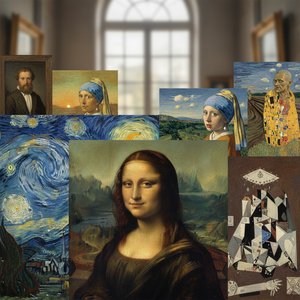
Journey through art history with our Top 10 oil paintings! Explore iconic works by Van Gogh, Monet & Rembrandt. Discover timeless masterpieces and find museum-quality reproductions for your home at .

Delve into the power of 'Mars Black' with 10 iconic paintings by masters like Rembrandt & Caravaggio. Explore dramatic chiaroscuro, gothic art, and timeless beauty. Find museum-quality reproductions & elevate your home decor on .


第一时间获取最新的艺术新闻、独家优惠及装饰灵感。
向我们介绍您的项目需求,我们的艺术专家将为您提供 3 个个性化的艺术品推荐。
由我们的专家为您精选 3 款心仪之作 —— 完全免费!


 效果预览
效果预览
 购买手绘画作
 分享
分享 分享
分享
 详情
详情

 下载
下载
 相似作品
相似作品 X射线
X射线 幻灯片播放
幻灯片播放


 展开详情
展开详情









 玻璃选项仅适用于110厘米以下的尺寸。


