





























从与原作比例一致的预设尺寸中进行选择。

您可以输入自定义尺寸,以适配特定的画框或空间。如果您选择的尺寸与原图比例不符,我们将对作品进行裁剪,或通过镜像填充/纯色填充边缘的方式来扩展图像。在开始制作之前,我们会向您发送一份数字效果图供您确认。
请注意,屏幕上的预览并不能反映实际的裁剪或扩展效果。只有效果图才能准确展示最终的构图。
虽然我们提供定制尺寸,但为了保持原图比例,我们建议您从预设列表中选择尺寸。

BETHSABEE
复制品尺寸
Willem Drost’s “Bethsabée,” painted in 1654, is not merely a depiction of a biblical scene; it's a profound meditation on vulnerability, temptation, and the quiet drama of human emotion. Often overshadowed by the towering legacy of Rembrandt van Rijn – to whom he was apprenticed – Drost’s work reveals a strikingly individual style, characterized by an exquisite sensitivity to light, texture, and psychological nuance. This painting, currently residing in the Louvre, offers a rare glimpse into the artistic world of 17th-century Amsterdam, a period brimming with both innovation and intense competition amongst its celebrated painters.
The composition immediately draws the viewer’s eye to Bethsabée herself, positioned slightly off-center within a darkened chamber. The scene unfolds as a private moment of revelation – she receives a letter from King David, an event steeped in biblical intrigue and fraught with moral complexity. Drost masterfully avoids overt theatricality, instead opting for a restrained elegance that invites contemplation. Unlike Rembrandt’s more overtly dramatic portrayal of the same subject, Drost focuses on Bethsabée's internal state, conveying a sense of hesitant anticipation and perhaps even a touch of melancholy. The careful arrangement of her hands – folded gracefully upon a book – speaks volumes about her composure and inner strength in the face of an uncertain future.
Drost’s technical skill is evident in every brushstroke. He employs a masterful use of chiaroscuro, dramatically contrasting areas of light and shadow to sculpt Bethsabée's form and create an atmosphere of intimacy. The rich, velvety textures of her gown are rendered with meticulous detail, while the dark background serves to heighten the luminosity of her face and hands. Noticeably, Drost’s brushwork is a delicate balance between loose, expressive strokes – particularly in the drapery – and precise detailing, especially in the rendering of skin tones. This combination creates a sense of both immediacy and refinement, reflecting the artist's ability to seamlessly blend influences from both his master, Rembrandt, and the Venetian painters who profoundly shaped his artistic development.
“Bethsabée” is deeply rooted in biblical narrative, referencing the story of David’s illicit affair with Bathsheba. However, Drost transcends a simple illustration of this tale; he delves into the psychological complexities of the characters involved. The letter itself – its contents deliberately obscured – becomes a potent symbol of temptation and choice. Bethsabée's expression is enigmatic, suggesting a blend of apprehension, curiosity, and perhaps even resignation. Her posture conveys a quiet dignity amidst a potentially scandalous situation. The painting’s enduring power lies in its ability to evoke universal themes of desire, loyalty, and the consequences of human actions – themes that resonate powerfully across centuries.
For decades, Willem Drost’s work was largely dismissed as mere imitations of Rembrandt. However, recent scholarship has dramatically reshaped our understanding of his artistic contribution. His talent for capturing subtle emotions and creating atmospheric depth is now widely recognized, solidifying his place as a significant figure in the Dutch Golden Age. “Bethsabée” stands as a testament to Drost’s remarkable skill and offers a poignant glimpse into a complex and fascinating artist whose story continues to unfold.

1633 - 1659 , 荷兰

Transform your cherished travel photos into timeless oil paintings with expert artists at TopImpressionists.com. Museum-quality reproductions & custom portraits – preserve your memories beautifully.
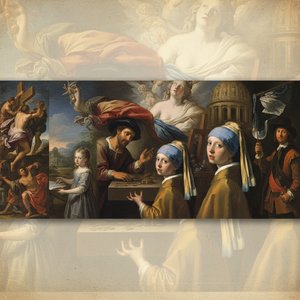
探索巴洛克艺术的辉煌!本文精选十部巨作,带您领略卡拉瓦乔、伦勃朗等大师的光影魔法与戏剧张力。从黄金时代到宗教绘画,感受奢华与精致。TopImpressionists.com为您提供博物馆品质的艺术复制品和家居装饰灵感。尽在TopImpressionists.com!

深入探索荷兰黄金时代绘画的文化创新与现实主义反思。本文解读伦勃朗、维米尔等大师的作品,并结合玛莉特·韦斯特曼的图像学研究,揭示艺术史背后的社会语境与现代性意识觉醒。

Commission breathtaking bespoke fantasy art with skilled oil painters. Explore techniques, artist selection & preservation tips. Invest in a unique masterpiece today!

Journey through art history with our guide to 10 legendary oil on canvas masterpieces! Explore iconic works by Van Gogh, Monet & Rembrandt. Find museum-quality reproductions and elevate your home decor at . Discover all masterpieces online.


第一时间获取最新的艺术新闻、独家优惠及装饰灵感。
向我们介绍您的项目需求,我们的艺术专家将为您提供 3 个个性化的艺术品推荐。
由我们的专家为您精选 3 款心仪之作 —— 完全免费!


 效果预览
效果预览
 购买手绘画作
 分享
分享 分享
分享
 详情
详情

 下载
下载
 相似作品
相似作品 X射线
X射线 幻灯片播放
幻灯片播放

 展开详情
展开详情









 玻璃选项仅适用于110厘米以下的尺寸。


