

 实景预览

 印象派油画
 分享
 分享
 详情
 作品详情表


 下载作品
 相似作品
 X射线
 幻灯片播放
 问答

 统计数据
Washington Monument (威廉·亨利·巴特利特)


38 x 26 cm 起售价 ¥327 的帆布画与艺术微喷
- 全球免费邮寄,3至4周送达
- 卷轴装打印件,3至4周内送达
- 100天无忧退货,全额退款
- ArtShopReviews.com 上 241 位客户评分为 4.9/5
材质与媒介
 了解更多
我们的经济型印制品:采用 260 g/m² 的聚酯纤维画布而非棉布印刷相同的图像,通过普通邮政以卷轴形式寄送,周期为 3 至 4 周。仅提供卷轴装(不含内框及画框),且不提供加急制作,适用于单边长度在 80 cm 或以下的尺寸。价格比棉质画布印制品便宜约 30%。
此尺寸暂不可用:至少有一边必须小于或等于 80 cm。
仅限卷装:请选择卷装画布以购买此版画。
适用于长边不超过 110 cm 的尺寸。若尺寸超过此范围,则将采用哑光棉质画布进行印刷。
此尺寸无法选择哑光档案级画布:两侧长度均须在 110 cm 或以下。您的打印件将改为使用哑光棉质画布制作。
玻璃选项仅适用于110厘米以下的尺寸。
尺寸
·您可以从与原作比例一致的预设尺寸中进行选择。
正在加载尺寸...

宽度
高度
请输入您所需的宽度和高度,以适配您的画框或墙面。由于印刷品只能进行裁剪,无法超出原图尺寸,因此若比例不一致,画面的一部分将会被裁切。在正式印刷之前,我们会为您发送一份数字效果图供您确认。本页面显示的图片并非最终裁剪后的效果——只有效果图才能展示真实的裁剪情况。
标准尺寸
定制
厘米
英寸
完成
·
白色边缘 ¥1

边缘晕染效果 ¥1

延展式 ¥1

P118B ¥10

P118H ¥10

P118W ¥10

P438Z ¥10

P508JH ¥12

P508YH ¥12

P805H ¥10

P805Z ¥10

P919BZ ¥10

P919G ¥10

P919XJ ¥10

P959ZH ¥10

P968JZ ¥12

W106C ¥8

W218G ¥10

W218JH ¥8

W218Y ¥10

W307PJ ¥10

W316G ¥10

W316PJ ¥8

W316Y ¥10

W398PJ ¥8

W4111J ¥10

W500HY ¥15

W500JH ¥15

W692G ¥12

W849H ¥8

W940BG ¥15

W953PJ ¥8

H24-GOLD ¥30
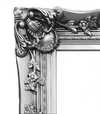
H24-SILVER ¥30
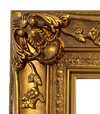
H36-GOLD ¥70
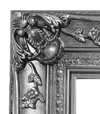
H36-SILVER ¥70
采用保护管包装寄送,方便您交由专业的装裱师进行装裱。
增值服务
可选附加内容包含哪些内容?
全球配送()仅需 2 周即可送达,无需等待标准流程的 4/5 周。(27 December)
经济型聚酯帆布印画不支持加急制作及快递服务,将通过普通邮政寄送。
保护性清漆
展品铭牌
青铜铭牌雕刻详情
这款优雅的铭牌刻有艺术家姓名与作品名称,工艺精湛,呈现永恒之美。
采用青铜材质打造,表面处理细腻优雅。文字经激光精密雕刻,字迹清晰且永不褪色。铭牌尺寸为 9x2 厘米,小巧精致且易于阅读。材质坚固耐用、抗刮擦,呈现出专业博物馆级的质感。随附背胶,安装简便。
透明亚克力铭牌详情
铭牌包含精美的雕刻细节,包括艺术家姓名、作品名称、创作日期、媒介类型(如布面油画或水彩)、作品简介,以及可跳转至作品完整信息的二维码。
采用透明亚克力材质打造,外观简约现代。文字采用黑色UV雕刻工艺,确保视觉对比鲜明。尺寸为10x15厘米,确保极佳的阅读体验。配备两个金属挂钩,可稳固地安装在墙面上。铭牌设计具备耐候性,适用于多种环境,并包含可与智能手机扫描无缝衔接的互动功能。
黑色亚克力铭牌详情
这款优雅的铭牌包含刻有艺术家姓名、作品名称、创作日期、媒介类型(如布面油画或水彩)、作品简介以及用于快速获取更多信息的二维码。
铭牌采用精选黑色亚克力材质,表面处理工艺考究,质感高级。文字采用白色激光雕刻,对比度高,清晰易读。尺寸为10x15厘米,设计便于阅读。配有两枚金属挂钩,便于专业安装。设计风格简约,适配各种室内风格。此外,铭牌具有耐候性且经久耐用,并内置数字化集成功能,可实现移动端兼容。
玻璃选项仅适用于110厘米以下的尺寸。
 玻璃选项仅适用于110厘米以下的尺寸。
- 全球免费邮寄,3至4周送达
- 优质亚麻画布
- 全程运输保险
- 关税退款保证
- 色彩精准还原保证
- 100天无忧退货,全额退款
- 100% 退款保证
- 多件购买优惠


Washington Monument:威廉·亨利·巴特利特 与Romanticism时期的经典之作
A towering obelisk rises against a stormy sky in this detailed steel engraving, where fine lines define the stone and surrounding foliage.
威廉·亨利·巴特利特:简介
探索英国艺术家威廉·亨利·巴特利特(1809-1854)笔下细腻的风景与建筑。发现他描绘英国、美国及其他地区的经典钢版画作品——开启一场穿越历史的视觉之旅!
关于艺术品详情
The Depiction of Washington Monument by William Henry Bartlett
In this monochrome depiction, William Henry Bartlett presents the Washington Monument, a significant national landmark. The towering obelisk dominates the scene, rising sharply against a stormy sky. To the left of the central structure, a building is partially obscured by foliage, providing a sense of architectural context to the landscape. The artist uses a central perspective to ensure the monument remains the primary focal point of the entire composition.
To provide a sense of scale against the massive stone structure, Bartlett includes figures in the foreground. These individuals are arranged in a loose group, grounding the monumental setting within a human presence. The surrounding landscape is rendered with a level of detail that suggests the texture of the stone and the organic forms of the nearby trees. This approach allows the viewer to grasp the sheer height of the obelisk through its relationship to the people and the buildings below.
Composition and Visual Elements of the Work
The composition is anchored by a central perspective, positioning the towering obelisk as the undeniable focal point. This verticality is emphasized by the monument's immense height as it rises sharply against a stormy sky. The sheer scale of the structure is balanced by a building situated to the left, which adds a layer of architectural complexity to the scene. This placement prevents the composition from feeling purely symmetrical, offering instead a more naturalistic arrangement of the landscape.
In the foreground, a loose group of figures is arranged to establish a sense of depth. These human elements provide a necessary sense of scale, allowing the viewer to grasp the true magnitude of the stone structure. The arrangement leads the eye from the detailed foreground through the midground, toward the monument itself. Through this careful layering, the work achieves a structured sense of space, guiding the viewer's gaze upward toward the dramatic intersection of stone and sky.
Technique and Artistic Style of the Artist
The work is a refined example of 19th-century topographical art, a style dedicated to the precise documentation of landscapes and architectural landmarks. This particular piece appears to be an engraving or a lithograph, rendered with a meticulous hand that prioritizes accuracy. Through the use of fine lines, the artist defines the intricate details of the monument's masonry and the organic textures of the surrounding foliage. It is a quiet, disciplined approach to representation.
To achieve a sense of three-dimensional form, the artist employs sophisticated hatching and cross-hatching techniques. These methods allow for subtle shading and modeling, giving weight to the stone structure and depth to the sky. The technique relies on a careful arrangement of lines and shading to suggest texture, from the smooth surfaces of the obelisk to the more irregular, rougher elements of the landscape. This method ensures that the viewer perceives the physical presence of the monument through tonal variation rather than color.
Visual Characteristics and Use of Light
The work relies on a grayscale palette, moving through a deliberate range from deep blacks to the lightest whites. This tonal variation is essential to the piece, as the lighting appears dramatic, creating strong contrasts between light and shadow. Such intensity suggests the atmosphere of an overcast or stormy day, casting the monument in a light that feels both heavy and significant. Through these shifts in value, the artist manages to define the sheer scale of the obelisk against the sky.
Depth is achieved through a careful application of perspective. Linear perspective guides the eye into the scene, while atmospheric perspective is employed to soften the distant elements. As the landscape recedes, details become less defined, allowing the foreground figures to remain sharply delineated. This technique provides a sense of immense space, placing the viewer within a specific, tangible environment.
Texture is suggested through meticulous line work. Fine lines define the smooth, stone surface of the monument, while other marks convey the rough bark of the trees and the flowing fabric of the clothing worn by the figures in the foreground. This attention to detail allows the viewer to perceive the different materials present in the scene, from the geometric rigidity of the architecture to the organic forms of the surrounding nature.
常见问题与解答
Washington Monument 的这件复制品是手绘的还是印刷的?
印刷:Washington Monument 将以艺术微喷(giclée)工艺印制在棉质画布或爱普生(Epson)档案级画布纸上。
Washington Monument 我该选择什么尺寸?
尺寸从 38.0 x 26.3 cm (¥327) 到 245.4 x 169.7 cm (¥2668) 不等;本页表格列出了主要步骤及其价格。
物流配送需要多长时间?
卷轴装裱的版画通过普通邮政免费寄送,预计3至4周送达;拉伸装裱或带框版画的送达时间为4至5周。仅在选择本页面提供的付费“快递送达”选项时,才提供快递服务。您可以在100天内无条件退货并获得全额退款。
威廉·亨利·巴特利特 在创作《Washington Monument》时使用了什么媒介?
Engraving
艺术速览与艺术小测验
关于 威廉·亨利·巴特利特

威廉·亨利·巴特利特
1809 - 1854, 英国
关于 威廉·亨利·巴特利特 的简介
- Artistic Movement Or Style: 地形艺术
- Artists Or Movements Influenced By This Artist: ['维多利亚时代风景画']
- Artists Who Influenced This Artist: ['约翰·布里顿 (John Britton)']
- Date Of Birth: 1809年3月26日
- Date Of Death: 1854年9月13日
- Full Name: 威廉·亨利·巴特利特 (William Henry Bartlett)
- Nationality: 英国
- Notable Artworks:
- 美国风景
- 加拿大风景
- 耶路撒冷漫步
- 朝圣者之父
- Place Of Birth: 英国伦敦

威廉·亨利·巴特利特
Washington Monument
() ·
含框总尺寸: ·
总计