


 效果预览
效果预览
 分享
分享 分享
分享
 详情
详情 指南
指南

 下载
下载
 相似作品
相似作品 X射线
X射线 幻灯片播放
幻灯片播放 统计数据
统计数据Summer Cloud


Winslow Homer’s tranquil watercolor captures summer leisure—a sailboat drifting peacefully alongside figures enjoying the shore—reflecting Impressionism's understated elegance and showcasing masterful technique in a timeless American landscape.
 展开详情
展开详情
美国写实主义大师温斯洛·霍默 (1836-1910),以描绘海洋、风景和19世纪生活而闻名。他的作品如《海流》、《微风》等,展现了对自然力量的深刻理解与美国精神的真实写照,是美国艺术史上的重要人物。
艺术微喷/版画
博物馆级艺术微喷或帆布版画,制作高效,并提供多种饰面选择。 ( 购买手绘画作 切换至数字图像销售渠道)




P118B $10

P118H $10

P118W $10

P438Z $10

P508JH $12

P508YH $12

P805H $10

P805Z $10

P919BZ $10

P919G $10

P919XJ $10

P959ZH $10

P968JZ $12

W106C $8

W218G $10

W218JH $8

W218Y $10

W307PJ $10

W316G $10

W316PJ $8

W316Y $10

W398PJ $8

W4111J $10

W500HY $15

W500JH $15

W692G $12

W849H $8

W940BG $15

W953PJ $8




标准尺寸
定制
CM
INCH
从与原作比例一致的预设尺寸中进行选择。
Loading sizes...

宽度
高度
您可以输入自定义尺寸,以适配特定的画框或空间。如果您选择的尺寸与原图比例不符,我们将对作品进行裁剪,或通过镜像填充/纯色填充边缘的方式来扩展图像。在开始制作之前,我们会向您发送一份数字效果图供您确认。
请注意,屏幕上的预览并不能反映实际的裁剪或扩展效果。只有效果图才能准确展示最终的构图。
虽然我们提供定制尺寸,但为了保持原图比例,我们建议您从预设列表中选择尺寸。


 玻璃选项仅适用于110厘米以下的尺寸。

Summer Cloud
艺术微喷/版画
复制品尺寸
-


最终总价
$ 69
A Moment Frozen in Time: Exploring Winslow Homer’s “Summer Clouds”
Winslow Homer's "Summer Clouds," painted in 1881, isn’t merely a depiction of a coastal scene; it’s an embodiment of the American spirit—a quiet confidence born from observation and grounded in the realities of everyday life. Unlike many European artists of his era focused on grand narratives and idealized forms, Homer honed his craft through commercial illustration, developing an unparalleled ability to convey atmosphere and emotion with remarkable precision. This formative experience instilled within him a deep understanding of capturing the essence of American landscapes and human interaction.- Subject Matter: The painting portrays a sailboat drifting gently across calm waters, accompanied by several figures—a man standing at the bow, two women seated in the back, and children playing on shore – creating an intimate tableau of leisure and companionship.
- Style: Homer’s signature style is characterized by its understated elegance and masterful use of watercolor. He eschewed dramatic chiaroscuro lighting favored by his contemporaries, opting instead for soft hues that illuminate the scene with a diffused glow. This technique prioritizes capturing subtle tonal variations and conveying a sense of tranquility.
- Technique: Homer’s meticulous brushwork contributes significantly to the painting's impact. He employed wet-on-wet watercolor layering—a technique where paint is applied while still damp—allowing colors to blend seamlessly and creating luminous washes that mimic the hazy quality of summer afternoons. The artist skillfully rendered textures, from the weathered planks of the boat to the grassy shoreline, demonstrating a profound respect for natural detail.
Historical Context: Impressionism's Quiet Cousin
While “Summer Clouds” doesn’t align with the flamboyant exuberance of Impressionism—which was gaining momentum at the time—it represents a crucial counterpoint to its dominant aesthetic. Homer’s approach reflects a broader trend within American art toward realism and psychological depth. He wasn't attempting to capture fleeting moments of visual sensation; rather, he sought to convey an emotional resonance rooted in memory and experience. This deliberate restraint speaks volumes about the values of his era—a preference for honest representation over theatrical spectacle.Symbolism Beyond Surface Beauty
Beyond its picturesque depiction of coastal life, “Summer Clouds” carries symbolic weight. The sailboat itself symbolizes aspiration and movement, albeit gentle ones, mirroring the journey of American identity—evolving slowly but steadily toward greater self-awareness and independence. The figures on board represent human connection and contentment – a celebration of simple pleasures and shared moments amidst the natural world. Homer’s careful composition invites contemplation about the beauty of ordinary life and the importance of preserving traditions.Emotional Resonance: A Balm for the Soul
Ultimately, “Summer Clouds” succeeds in evoking a profound sense of peace and nostalgia. The muted palette and soft brushstrokes create an atmosphere of serenity that transports viewers back to a bygone era—a time when life moved at a slower pace and human relationships held paramount importance. It’s a painting that speaks to the universal desire for connection with nature and for savoring the beauty of everyday experiences, cementing Homer's legacy as one of America’s most enduring artistic voices.


艺术家简介
一位美国精神的画笔:温斯洛·霍默的生平与艺术
温斯洛·霍默,1836 年出生于波士顿,并非在传统欧洲美术学院中打磨出的艺术家。相反,他从一种独特的美国经验中崛起,这种经验植根于实用主义和观察。他的旅程并非始于宏大的历史画卷,而是作为一名为《哈珀周刊》服务的商业插画家开始,年仅十二岁就已崭露头角。这段早期的学徒生涯对他产生了深远的影响,磨练了他以清晰度和细节捕捉场景的非凡能力——这些技能将成为他成熟作品中的标志性特征。他并非在巴黎学习透视法;他是在学习 *看* 美国,它的民众,以及它不断展开的故事。波士顿熙熙攘攘的街道、新英格兰乡村生活的宁静尊严,这些都是他的第一批主题,以一种为报纸印刷需求服务的精确性呈现出来。这个基础使他能够过渡到绘画领域,最初是水彩画,然后充分利用油画所蕴含的表达潜力。从田园风光到自然的原始力量
霍默早期的画作常常描绘着田园诗般的场景——孩子们玩耍、农民照料田地、家庭生活的宁静时刻。这些作品虽然迷人,却暗示着一种等待释放的更深层次的艺术敏感性。无疑,内战成为了这场转变的催化剂。作为《哈珀周刊》的战争特派记者,霍默亲眼目睹了冲突的残酷现实。他没有关注英雄般的战斗或宏大的战略;相反,他记录了士兵和平民的日常生活,在混乱中默默流逝的悲伤和韧性时刻。这段经历深刻地改变了他的艺术视野。田园风光让位于更具挑战性的主题:与创伤作斗争的老兵、在新世界中航行的解放奴隶以及受苦难触及的风景的朴素之美。他开始探索挣扎、孤立和人类与自然之间不稳定的关系的主题——这些主题将主导他的最有力作品。他的风格也随之演变,变得更加大胆和直接,反映了他所目睹的原始情感冲击。掌握光线、质感和美国风景
温斯洛·霍默的艺术技巧因其坚实性和纹理而立即具有辨识度。他并不感兴趣于转瞬即逝的印象;他想要在画布上构建一种有形现实的感觉。他的油画以直接绘画的方式为特征——自信地涂抹颜料层,创造深度和光泽。他拥有非凡的能力来捕捉光线,无论是阳光在海洋上的耀眼光芒还是乡村风景中黄昏的柔和光芒。这种掌握也延伸到他的水彩画中,他在那里通过充满活力的色彩和精致的晕染实现了非凡的大气效果。《拂风》(A Fair Wind)于 1876 年绘制,完美地体现了这种技能——对美国航海生活的典型描绘,充满了活力和运动。几十年后创作的《墨西哥湾流》或许是他最具代表性的作品,它是一个强大而象征性的肖像,描绘了一个人与自然的力量搏斗,是人类在巨大逆境中挣扎的比喻。他不仅仅是在画他所看到的;他是在传递一种感觉,一种关于人性真相的情感。在美国现实主义中铸就的遗产
虽然霍默钦佩巴若纳学派(以其对乡村生活的真实描绘而闻名)的欧洲艺术家,并承认来自库尔贝和米莱特的的影响,但他最终开辟了他自己的独特美国道路。他拒绝了盛行的学术惯例,而是专注于捕捉他的国家的独特精神。《拂风》中帆船的姿态、阳光在水面上的闪烁,都体现出他对光线和运动的敏锐观察力。他的遗产在于他能够以诚实和真实地描绘美国的能力,而没有浪漫化或理想化它。他不希望模仿欧洲风格;他想要创造一种独特的美国艺术,反映它的风景、人民及其挑战。《天真》是一幅感人的作品,描绘了在自然背景下成长的童年,而《科学家》则展示了他捕捉人类心理的技巧,都是对这一承诺的证明。他的影响可以从后来的美国画家的作品中看到,他们试图以类似的方式直接和情感地描绘自己的国家。持久的印象:霍默的历史意义
温斯洛·霍默的艺术为 19 世纪的美国提供了一个深刻的窗口,提供了对那个时代社会、政治和文化景观的宝贵见解。他的画作不仅仅是美丽的代表;它们是关于人类韧性、自然之美以及美国经验复杂性的有力声明。他于 1910 年去世,留下了一大批作品,这些作品至今仍能引起观众的共鸣。他能够捕捉到正在经历快速变化的国家的本质——从内战后的影响到新世纪的曙光——确保了他作为美国最重要的艺术家之一的地位。他不仅仅是在画画;他是在记录一个时代,将其保存给后代。- 他的作品继续激励着当代艺术家。
- 霍默仍然是美国现实主义发展中的关键人物。

温斯洛·霍默
1836 - 1910 , 美国
艺术家简介
- 全名: 温斯洛·霍默
- 出生地点: 美国波士顿
- 出生日期: 1836年10月3日
- 去世日期: 1910年
- 受其影响的艺术家: ['美国画家']
- 国籍: 美国
- 影响艺术家:
- 巴比松画派
- 库尔贝
- 米莱
- 艺术流派或风格: 美国现实主义
- 著名作品:
- 清风拂面 (A Fair Wind)
- 海流
- 纯真
- 科学之士
相关文章
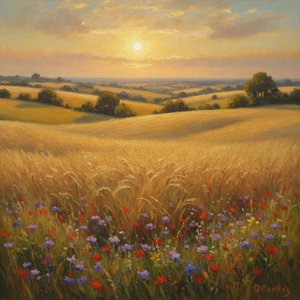
Golden Fields & Sun-Drenched Meadows: Capturing the Soul of Impressionist Landscapes
Immerse yourself in the luminous world of Impressionist landscapes. Discover how masters like Monet and Gauguin captured ephemeral light through plein air painting, and learn to bring the soul of sun-drenched meadows into your home with exquisite, hand-painted oil reproductions.

Capturing the Soul of Nature: A Journey Through the Sublime Majesty of American Romanticism
Explore the breathtaking beauty of American Romanticism. Discover how Hudson River School masters captured the sublime spirit of the wilderness through luminous oil landscapes and emotional depth. A journey into the soul of nature for the true art enthusiast.

The Beauty of Impermanence: Capturing Decay through Impressionist Eyes
Explore the profound beauty of impermanence through Impressionist and Post-Impressionist eyes. Discover how masters like Monet and Van Gogh captured fleeting light and the poetic essence of nature's transitions in our deep dive into art history and emotional landscapes.

Capturing Light: The Ethereal Beauty and Timeless Legacy of Watercolor Landscapes
Embark on a visual journey through the ethereal beauty of watercolor landscapes. Discover how Impressionist masters captured light and emotion, and learn to bring this timeless, luminous elegance into your home with expert art curation and hand-painted reproductions.

Capturing the Soul: The Most Emotionally Moving Impressionist and Post-Impressionist Masterpieces
Discover the profound emotional depth of Impressionist and Post-Impressionist masterpieces. Explore how legends like Monet, Van Gogh, and Gauguin captured light and soul through evocative landscapes and vibrant brushwork for a timeless connection to art history.
探索按主题、风格和特征分类的艺术作品。


