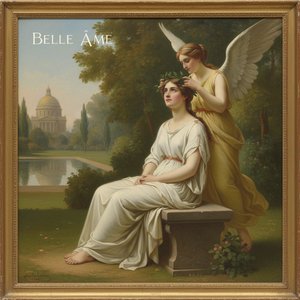
Erich Wolfsfeld: A Life Painted in Shadows and Light
Erich Wolfsfeld, a German artist born in 1884 in the small Prussian town of Krojanke (now Krajenka, Poland), possessed an artistic journey marked by both profound personal upheaval and remarkable creative output. His life unfolded against the backdrop of shifting political landscapes – from the burgeoning anxieties of early 20th-century Europe to the devastating realities of two world wars and the rise of Nazi Germany. Wolfsfeld’s story is not simply one of a painter; it's a testament to resilience, artistic adaptation, and a deep engagement with the human condition, particularly through his evocative portrayals of marginalized figures and scenes of rural life. His career spanned several decades, evolving from early printmaking explorations to mature oil paintings imbued with social commentary and a distinctive, almost melancholic beauty.Early Years and Artistic Training
Wolfsfeld’s artistic foundation began in Berlin, where he enrolled at the prestigious Academy of Arts. There, he honed his skills under the tutelage of Konrad Böse, a follower of Adolph von Menzel, and Hans Meyer, mastering the intricate techniques of etching. A pivotal moment arrived with his studies in Paris at the Académie Julien, under Jules Lefèbvre, exposing him to the vibrant artistic currents of the French capital. This period solidified his technical abilities and broadened his stylistic horizons. Notably, he spent time in Rome between 1908 and 1909, immersing himself in the classical traditions and absorbing influences from fellow expatriate German artists like Otto Greiner and Max Klinger – a group known for their exploration of realism and social critique. Early works focused heavily on etching, producing striking images of nudes and scenes of urban poverty, demonstrating an early sensitivity to the plight of the less fortunate.Travels and Influences: North Africa and Beyond
Wolfsfeld’s artistic trajectory took a significant turn with his travels throughout Europe and, crucially, into North Africa and the Middle East beginning in 1928. These journeys proved transformative, profoundly impacting his subject matter and aesthetic sensibilities. He was particularly drawn to the stark beauty of desert landscapes and the dignity of Arab subjects – often depicted in traditional dress against dramatic skies. These experiences are reflected in paintings like “Moroccan Musicians,” a vibrant depiction of North African life that captures both its energy and its inherent melancholy. The influence of these travels is evident in his later works, characterized by earthy tones, evocative brushwork, and a heightened sense of atmosphere. He meticulously documented these expeditions through sketches and watercolors, which served as inspiration for his paintings.Political Upheaval and Exile
The rise of the Nazi regime in Germany irrevocably altered Wolfsfeld’s life and career. As a Jewish artist, he faced increasing discrimination and ultimately lost his position as professor at the Berlin Academy in 1935. Forced to flee for his safety, he emigrated to Britain in 1939, bringing with him a substantial body of work. This displacement was deeply unsettling, yet it also presented new opportunities. He initially settled in Sheffield, where he found patronage and exhibited his paintings at the Graves Art Gallery. The internment camp experience during World War II further compounded his difficulties, but he persevered, eventually establishing himself as a respected artist in London.Later Years and Legacy
Following the war, Wolfsfeld continued to paint prolifically, exploring themes of poverty, social injustice, and the enduring spirit of humanity. His work during this period is characterized by a quiet dignity and a profound empathy for his subjects. He was elected an associate member of the Royal Society of Painter-Etchers and Engravers in 1956, shortly before his death in London in 1956. His legacy endures through a significant body of work – encompassing paintings, etchings, and drawings – which is now housed in museums across England and beyond. His art offers a poignant glimpse into the lives of ordinary people, reflecting both the hardships they faced and their inherent resilience. The Ben Uri Art Gallery in London played a crucial role in preserving and promoting his legacy, organizing memorial exhibitions that brought renewed attention to his work. Erich Wolfsfeld’s paintings remain powerful testaments to the human spirit, painted with a sensitivity and depth rarely seen in contemporary art.问答详情
Erich Wolfsfeld 属于哪些艺术流派?
全部流派 页面按艺术流派对 Erich Wolfsfeld 的作品进行了分类。
Erich Wolfsfeld 来自哪里?
Erich Wolfsfeld 出生于 Poland。
Erich Wolfsfeld 的创作时期属于哪个历史阶段?
Erich Wolfsfeld 的创作活跃于 Modern 时期,这一时期确立了艺术家在艺术史上的地位。
Erich Wolfsfeld 的艺术生涯是如何划分为不同时期的?
Erich Wolfsfeld 的 艺术历程 是一个随滚动条变化的艺术时间轴,按创作时期进行章节划分,并按时间顺序呈现艺术家的作品。