Thomas Schütte: A Biography
Early Life and Education
Born in Oldenburg, Germany, in 1954, Thomas Schütte is a prominent figure in contemporary art. He received his artistic training at the prestigious Kunstakademie Düsseldorf from 1973 to 1981. His instructors included influential artists such as Gerhard Richter, Fritz Schwegler, Daniel Buren, and Benjamin Buchloh, shaping his conceptual approach to art.
Artistic Development and Style
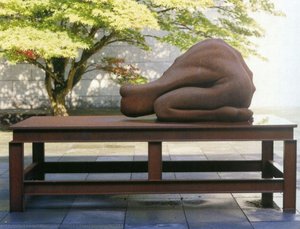
Schütte’s artistic practice is remarkably diverse, encompassing sculpture, architectural designs, and drawings. He doesn't adhere to a single style; instead, he explores various forms and materials, often characterized by a sense of ambiguity and critical engagement with societal norms. His early work frequently involved wooden figures and installations that questioned traditional sculptural conventions.
- Sculptural Experimentation: Schütte’s sculptures range from small-scale figurative works to monumental public installations.
- Architectural Models: He is renowned for his intricate architectural models, often fantastical and thought-provoking, challenging conventional notions of space and functionality.
- Drawing & Woodcuts: His drawings and woodcuts offer a more intimate exploration of form and texture, frequently displaying surreal or unsettling imagery.
Influences and Themes
Schütte’s work is influenced by a broad range of sources, including art history, philosophy, and architecture. He engages with themes such as the human condition, cultural memory, societal structures, and the role of art itself. His pieces often provoke questions about identity, power, and the complexities of modern life.
Major Achievements and Recognition
- First US Solo Show (1989): Schütte gained significant recognition with his first solo exhibition in New York at Marian Goodman Gallery.
- Fourth Plinth Commission (2007): His “Model for a hotel” was installed on the Fourth Plinth in Trafalgar Square, London – a highly visible public art commission.
- Venice Biennale Golden Lion (2005): He received the prestigious Golden Lion award at the Venice Biennale for his outstanding contribution to contemporary art.
- Düsseldorf Prize (2010): Awarded the Düsseldorf Prize, recognizing his significant artistic achievements.
- Auction Successes: His sculptures have achieved impressive prices at auction, demonstrating their market value and collector demand. For example, “Großer Geist No. 16” sold for $4.1 million in 2010.
Historical Significance and Legacy
Thomas Schütte’s work has had a profound impact on contemporary sculpture and installation art. He challenges traditional artistic boundaries, prompting viewers to question their perceptions of the world around them. His diverse practice and intellectual rigor have established him as one of the most important artists of his generation. His pieces are held in major museum collections worldwide, including the Tate, MoMA, and the Art Institute of Chicago, ensuring his lasting legacy within art history.
问答详情
我可以通过主题来探索 Thomas Schütte 的作品吗?
Thomas Schütte 的 主题索引 旨在通过主题对艺术家的作品进行分类索引。
我可以通过关键词来探索 Thomas Schütte 的作品吗?
Thomas Schütte 的 关键词分类 页面通过关键词对艺术家的作品进行了分类。
在哪里可以浏览 Thomas Schütte 的全部作品?
您可以在 Thomas Schütte 的 全部作品 页面上浏览其在 本站 上的所有作品。
如何按特定色调查找 Thomas Schütte 的作品?
您可以在Thomas Schütte的按色调浏览页面上,按色调浏览其作品。