A Life Woven in Silk: The Story of Henriette Fortuny
Adèle Henriette Elisabeth Nigrin, known to the world as Henriette Fortuny, was more than just a muse; she was a pioneering force in textile design and a creative partner whose contributions were long overshadowed by her husband, Mariano Fortuny. Born in Fontainebleau, France, in 1877, Henriette’s early life offered few clues to the extraordinary artistic journey that lay ahead. She came from a modest background—her father an administrator at the École d’Application de l’Artillerie et du Génie—and initially found herself navigating the conventional path of marriage. However, her destiny took a dramatic turn when she met Mariano Fortuny in Paris around 1902. This encounter wasn't merely a romantic connection; it was the spark that ignited a lifelong collaboration and transformed both their lives.
Venice as Workshop and Inspiration
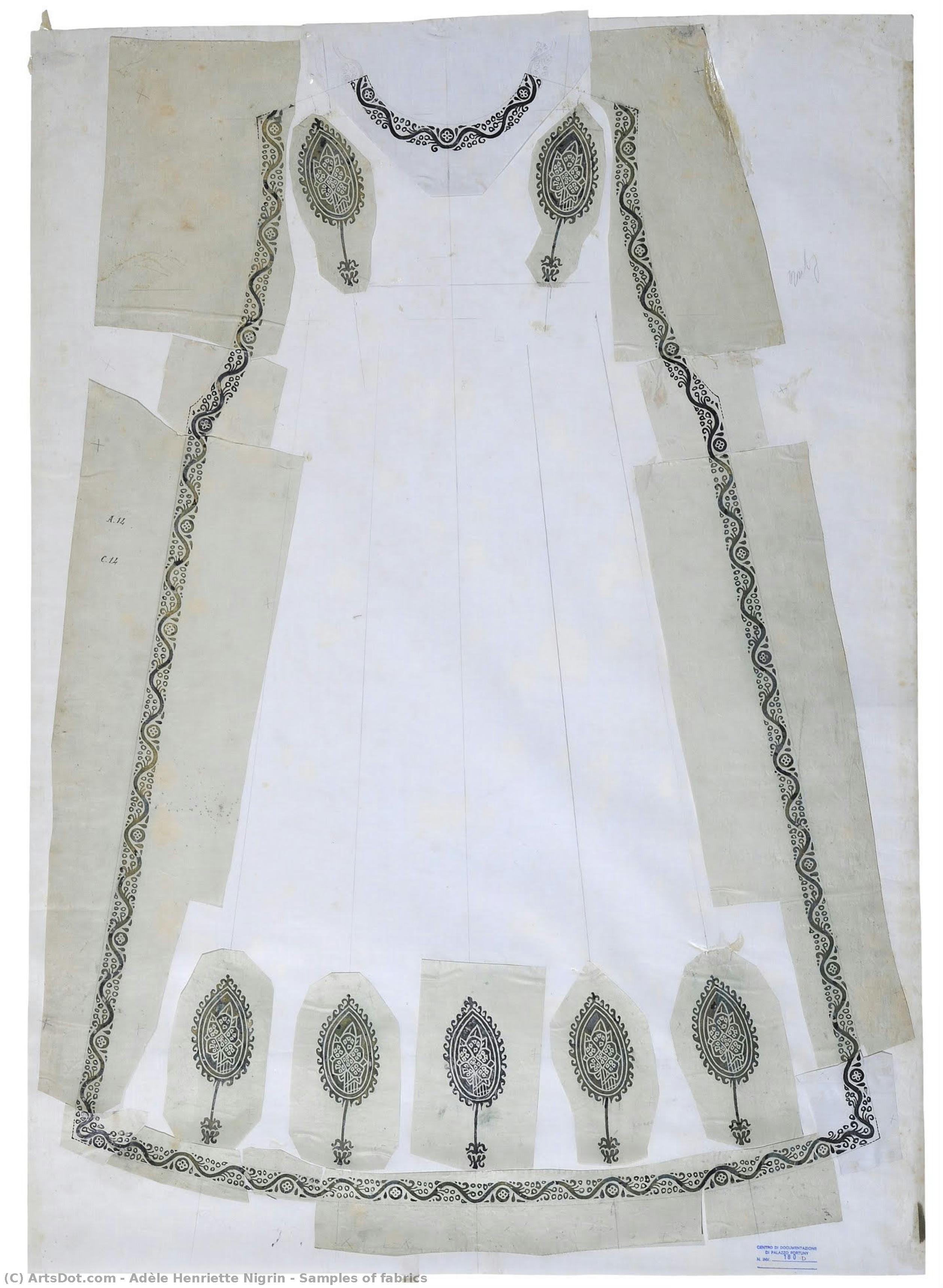
The move to Venice in 1902 marked a pivotal moment. The couple established themselves at Palazzo Pesaro degli Orfei, which quickly became more than just a residence—it evolved into a vibrant workshop and laboratory of artistic experimentation. Mariano, already recognized for his innovative stage lighting designs, found in Henriette a kindred spirit with an acute eye for color, texture, and form. While Mariano explored the technical aspects of printing and dyeing, Henriette immersed herself in researching pigments, meticulously applying them to wood stencils, and developing unique fabric treatments. The Palazzo itself became integral to their process; its atmosphere—a blend of Byzantine grandeur and bohemian creativity—fueled their imagination. It was a space where ancient techniques were revived and reimagined, and where the boundaries between art, fashion, and interior design began to blur. The city’s rich history, particularly its connection to the East and its tradition of luxurious textiles, profoundly influenced their aesthetic vision.
The Delphos Gown and the Revolution in Pleating
Henriette Fortuny's most significant achievement was arguably her role in developing the revolutionary pleating machine and, subsequently, the iconic Delphos gown. Though often credited solely to Mariano, historical evidence—including a handwritten note on the patent itself acknowledging Henriette Brassart as the inventor—reveals her central contribution. The machine, patented in 1909, allowed for the creation of complex, sculptural pleats that draped beautifully and resisted wrinkling. This innovation wasn’t simply about aesthetics; it was a technical breakthrough that enabled the production of garments with an unprecedented fluidity and elegance. The Delphos gown, inspired by classical Greek sculpture, became synonymous with Fortuny's name—a timeless design favored by artists, actresses, and socialites alike. It represented a departure from the restrictive fashions of the era, offering women a new freedom of movement and expression.
A Collaborative Spirit and Lasting Legacy
The partnership between Henriette and Mariano was one of mutual respect and shared vision. While Mariano often took the lead in presenting their work to the public, Henriette remained the driving force behind many of the fabrics’ color palettes and the intricate details that defined their designs. She also managed the workshop, cultivated relationships with an international clientele, and ensured the quality and consistency of their creations. After Mariano's death in 1949, Henriette dedicated herself to preserving his legacy, meticulously cataloging their collection and donating works to museums across Italy and Spain. In a final act of generosity, she bequeathed Palazzo Fortuny to the city of Venice in 1965, ensuring that their artistic haven would be open to future generations. Today, the Museo Fortuny stands as a testament to their collaborative spirit—a place where visitors can experience the beauty and innovation that Henriette Fortuny helped bring into being. Her story serves as a powerful reminder of the often-unacknowledged contributions of women in the arts and the enduring power of creative partnership.
Beyond the Gown: A Broader Influence
Henriette Fortuny’s impact extends beyond the Delphos gown. She was instrumental in developing a wide range of fabrics—from printed silks to luxurious velvets—that were used not only for clothing but also for interior decoration. Their designs, often inspired by ancient motifs and Eastern patterns, brought a sense of exoticism and sophistication to homes around the world.
- Textile Innovation: Her research into natural dyes and printing techniques pushed the boundaries of textile art.
- Venetian Aesthetic: She helped establish a distinctive Venetian aesthetic that blended historical influences with modern sensibilities.
- Artistic Collaboration: Her partnership with Mariano Fortuny demonstrated the power of creative collaboration and mutual inspiration.
- Preservation of Legacy: Her dedication to preserving her husband’s work ensured its lasting impact on art, fashion, and design.
Henriette Fortuny's legacy is one of quiet determination, artistic vision, and a profound understanding of the interplay between color, texture, and form. She was not merely a muse but a true innovator whose contributions deserve to be celebrated alongside those of her more famous husband.
Her story continues to inspire artists and designers today, reminding us that beauty is often born from collaboration, experimentation, and a deep respect for the past.


 معاينة الحجم الحقيقي
 اشترِ نسخة مطبوعة
 مشاركة
 مشاركة
 التفاصيل

 تحميل الملف
 قطع مشابهة
 الأشعة السينية
 عرض شرائح

 عرض المزيد



