

 معاينة الحجم الواقعي
 إرسال
إرسال مشاركة
 عرض التفاصيل
 دليل الأعمال الفنية للطلاب

 تحميل
تحميل
 قطع مشابهة
 الأشعة السينية
 عرض شرائح متتابع
 Q&A
Q&A الإحصائيات
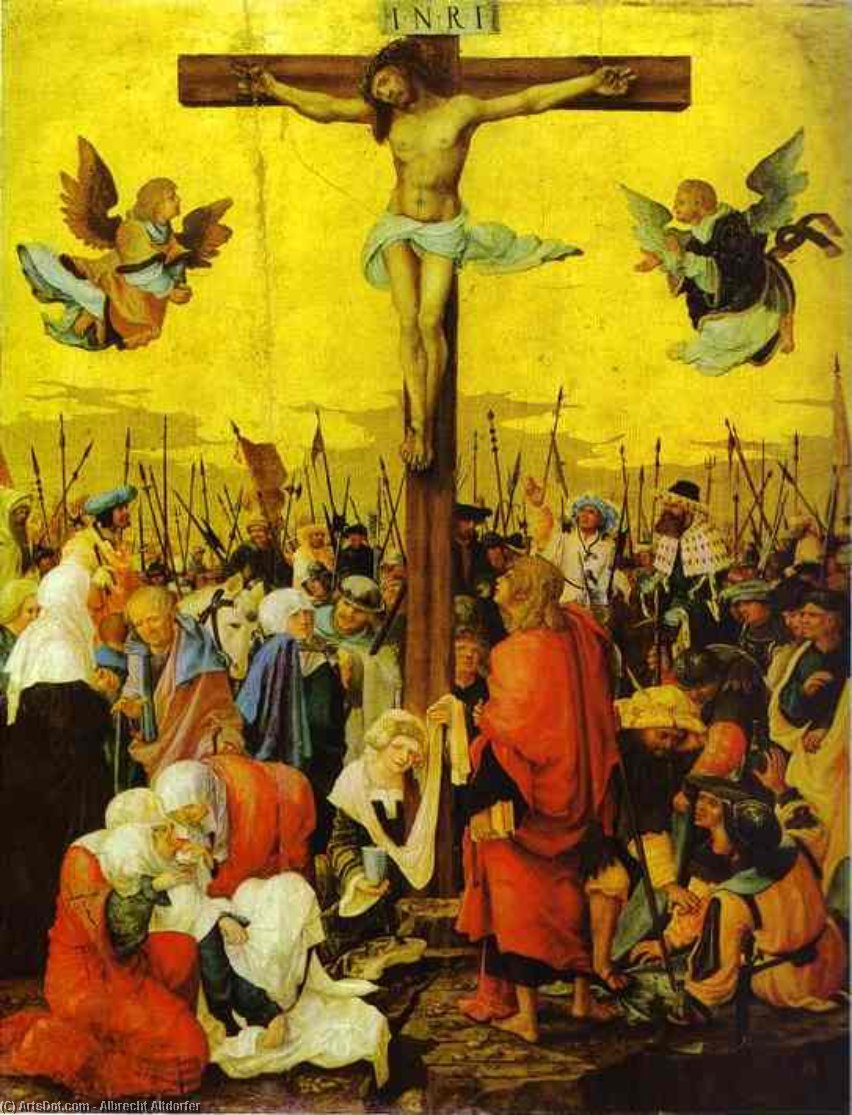
Crucifixion
 Oil On Canvas
- WallArt
- German Renaissance Landscape
 1526
1526 29.0 x 21.0 cm
 Staatliche Museen
Albrecht Altdorfer's "Crucifixion" (1526) is a dramatic, evocative depiction of Christ’s suffering, showcasing the artist's pioneering landscape style and masterful use of color within the Northern Renaissance.
 اقرأ المزيد
"ألبرخت ألtdورفر (1480-1538): رائد مدرسة الدانوب في فن عصر النهضة الألمانية، اشتهر بمناظره الطبيعية الخلابة ولوحاته التاريخية مثل "معركة الإسكندر عند إصوس". استكشف أعماله الفنية المبتكرة ورؤيته الفريدة."
احصل على ملف جاهز للطباعة يتجاوز بمراحل جودة المعاينة عبر الإنترنت. فكل صورة رقمية نبيعها مستمدة من نسخة أصلية عالية الدقة في قاعدة بياناتنا — تتراوح عرضها عادةً بين 5,000 إلى 15,000 بكسل — مما يتيح لك الطباعة بأحجام كبيرة، أو الاقتصاص بدقة، أو إعادة إنتاج التفاصيل الدقيقة بكل ثقة.
لا تخرج أي صورة من استوديو الخاص بنا دون أن تمر بعملية معالجة دقيقة؛ حيث يقوم خبير رقمي بمطابقة الألوان مع اللوحة الأصلية وتصحيحها عند الضرورة، ثم يعمل على تحسين الوضوح والتفاصيل باستخدام أدوات ترميم احترافية — مع الحفاظ دائماً على أمانة نقل ضربات فرشاة الفنان وأسلوبه. والنتيجة هي صورة تبدو كأنها اللوحة ذاتها، وليست مجرد مسح ضوئي خاضع للفلاتر.
تتم عملية الاعتماد قبل الإتمام النهائي: حيث يرسل خبيرنا الصورة عبر البريد الإلكتروني في غضون 72 ساعة لمراجعتها من قبلك. هل لم تنل النتيجة إعجابك؟ يمكنك طلب تحسينات أو تصحيحات، أو طلب استرداد الأموال إذا لم تكن الجودة بالمستوى المطلوب.
هذه هي الجودة التي يعتمد عليها الناشرون، واستوديوهات التصميم، والمعارض، والمطابع.
صورة رقمية
حمّل ملفاً عالي الدقة للعرض الشخصي، والطباعة، والمشاريع الإبداعية. ( التبديل إلى المطبوعات اطلب نسخة مرسومة يدويًا)
مزايا مُضمّنة مع كل طلب صورة رقمية
خدمة تسليم رقمي احترافية ومضمونة
عندما تختار TopImpressionists.com، فأنت لا تحصل على مجرد صورة فحسب، بل ستحصل على عمل فني رقمي مُحسّن باحترافية، صُمم بدقة متناهية ومصحوب بضمان الرضا. إليك كل ما يتضمنه طلبك تلقائياً:

تسليم سريع عبر البريد الإلكتروني
ستصلك ملفات صورك الرقمية عالية الدقة عبر البريد الإلكتروني في غضون 72 ساعة من إتمام الطلب - لتكون جاهزة للاستخدام الفوري.

ملف رقمي مُعزز بالذكاء الاصطناعي
يتم تحسين عملك الفني باحترافية باستخدام أدوات الذكاء الاصطناعي المتقدمة والتحرير اليدوي، لضمان أقصى درجات التفاصيل والوضوح ودقة الألوان.

إعادة إرسال مجانية مدى الحياة
هل حذفت ملفك أو فقدته عن طريق الخطأ؟ لا تقلق - سنعيد إرساله إليك في أي وقت، مجاناً.

بدون رسوم استيراد - على الإطلاق
استمتع بأعمالك الفنية فوراً دون أي رسوم جمركية أو ضرائب أو مصاريف شحن - فالتحميلات الرقمية دائماً ما تكون معفاة من الضرائب.

ضمان دقة الألوان
نضمن لك دقة انعكاس الألوان الأصلية في صورتك الرقمية بأقصى قدر ممكن، وذلك باستخدام أدوات احترافية وتقنيات متطورة لإدارة الألوان.

ضمان الرضا لمدة 100 يوم
إذا لم تكن راضياً عن صورتك الرقمية، فسنقوم بتعديلها أو استرداد 100% من قيمتها خلال 100 يوم - دون طرح أي أسئلة.

ضمان استعادة الأموال بنسبة 100%
لم تكن راضياً؟ استرد كامل المبلغ خلال 100 يوم من استلام ملفك الرقمي - دون طرح أي أسئلة.

خصومات الطلبات الكبيرة
اشتري 3 صور، ووفر 10% - اشتري 5، ووفر 15% - اشتري +10، ووفر 20%. مثالية للمشاريع الإبداعية، والمعارض، والوكالات.
The Weight of Sorrow: Albrecht Altdorfer’s “Crucifixion”
Albrecht Altdorfer's "Crucifixion," painted in 1526, isn’t merely a depiction of a pivotal religious event; it’s a visceral experience. Emerging from the burgeoning German Renaissance, Altdorfer wasn’t simply replicating biblical narratives; he was forging a new visual language, one deeply rooted in the natural world yet imbued with profound spiritual intensity. This particular rendition transcends simple illustration, becoming a landscape saturated with grief and a haunting meditation on sacrifice. The painting immediately commands attention not through grand scale – it's remarkably intimate, measuring just 29 x 21 cm – but through its masterful manipulation of light, color, and composition to evoke an overwhelming sense of sorrow.
The scene unfolds against a dramatically rendered landscape—a brooding, almost primeval forest. The trees, rendered in thick, layered brushstrokes of deep greens, browns, and purples, seem to writhe with the weight of the event. This isn’t a picturesque vista; it's a wilderness imbued with an unsettling energy. Altdorfer deliberately eschews traditional depictions of serene backgrounds, instead presenting a landscape actively participating in the drama. The distant mountains, shrouded in mist and shadow, amplify the feeling of isolation and despair. Notice how the artist uses atmospheric perspective – lighter hues for objects further away – to create a sense of depth and distance, drawing the viewer’s eye into the heart of the scene.
A Pioneer of Landscape
Albrecht Altdorfer stands as a pivotal figure in art history, largely credited with establishing landscape painting as an independent artistic subject within Europe. Prior to his work, landscapes were typically relegated to mere backgrounds for religious or mythological scenes. However, Altdorfer recognized the power of the natural world to convey emotion and meaning. His meticulous observation of nature—evident in the detailed rendering of foliage, rocks, and atmospheric conditions—transformed the landscape from a passive backdrop into an active participant in the narrative. This shift was revolutionary, paving the way for later generations of landscape artists like Albert Bierstadt and Frederic Church.
His background as a town architect and council member further informs his artistic approach. Altdorfer possessed a keen eye for spatial relationships and a deep understanding of how to create a sense of harmony and balance within a composition. This skill is brilliantly demonstrated in “Crucifixion,” where the human figure—Jesus—is carefully positioned within the landscape, creating a dynamic interplay between the earthly realm and the divine.
Symbolism and Emotional Resonance
Beyond its technical brilliance, "Crucifixion" resonates deeply with viewers through its potent symbolism. The stark simplicity of Jesus’s pose – arms outstretched, head bowed – is profoundly moving. Altdorfer avoids any overtly dramatic or theatrical elements, opting instead for a quiet, understated portrayal of suffering. The figures surrounding the cross—angels and soldiers—are rendered in muted tones, emphasizing the central tragedy. Even the light itself seems to weep, casting long shadows across the landscape.
The choice of a dark, foreboding forest as the setting is particularly significant. Forests have historically been associated with death, mourning, and the unknown. In this context, it serves as a powerful metaphor for the spiritual darkness surrounding Jesus’s sacrifice. The painting isn't simply depicting an event; it’s exploring the profound emotional consequences of that event—the grief, despair, and sense of loss experienced by those who witnessed it.
A Timeless Masterpiece
“Crucifixion” is more than just a religious painting; it’s a testament to Altdorfer's artistic genius and his ability to capture the essence of human emotion. The meticulous detail, masterful use of color and light, and profound symbolism combine to create an unforgettable image that continues to resonate with viewers centuries after its creation. Reproductions, like this one, offer a remarkable opportunity to experience the power and beauty of this iconic work, bringing its haunting message into our own spaces.
الأسئلة والأجوبة
ما نوع العمل الفني "Crucifixion" للفنان ألبريشت ألTdورفر؟
" Crucifixion " هي قطعة من نوع WallArt.
ما الذي تشترك فيه "Crucifixion" مع بقية أعمال ألبريشت ألTdورفر؟
تتشارك لوحة "Crucifixion" مع أعمال ألبريشت ألTdورفر الأخرى في أسلوبها الذي ينتمي إلى German Renaissance Landscape والموضوعات المتكررة: danube school landscape influence, medieval religious symbolism strong, early renaissance artistic trends, german cultural identity depicted, altdorfer's innovative landscape role.
هل تُحفظ قطعة "Crucifixion" في البلد الذي ينتمي إليه مبتكرها؟
لا - العمل الفني محفوظ خارج البلاد. بلد ميلاد ألبريشت ألTdورفر هو ألمانيا، بينما يقع المتحف الذي يحتفظ بالنسخة الأصلية من "Crucifixion" في Germany.
سيرة الفنان
مقدمة: ألبرخت ألtdورفر، رائد منظر الشمال الأوروبي
ولد ألبرخت ألtdورفر حوالي عام 1480 في ريغنسبورغ بألمانيا، ويعد شخصية محورية تربط بين أواخر العصور القوطية وبدايات عصر النهضة الألمانية. لم يكن مجرد فنان *في* عصره؛ بل أعاد تشكيل مسارها الفني بنشاط، وخاصة في مجال الرسم المناظر الطبيعية. ينحدر ألtdورفر من عائلة متجذرة بعمق في التقاليد الفنية - فقد كان والده، أولريش ألtdورفر، رسامًا ومصورًا مصغرًا - وسرعان ما تميز الابن ليس كمتابع، بل كمبتكر. قدمت ريغنسبورغ، وهي مدينة إمبراطورية حرة تقع في موقع استراتيجي على نهر الدانوب، خلفية ثقافية نابضة بالحياة لسنواته التكوينية. وقد شكل هذا الموقع حساسيته الفنية بعمق، وغرس ارتباطًا بالعالم الطبيعي الذي سيصبح محور أعماله. بالإضافة إلى فنه، كان ألtdورفر رجلًا يتمتع بمسؤوليات مدنية، حيث شغل منصب مهندس المدينة وعضو المجلس - وهو دليل على مواهبه المتنوعة. ومع ذلك، فقد كشف عن صوته الفني الفريد من خلال فنه - وخاصة نقوشه ورسوماته المبكرة حوالي عام 1506، مثل *وصمات القديس فرنسيس* و *القديس جيروم* - مما أشار إلى الحدة العاطفية والتفصيل الدقيق الذي سيميز أسلوبه الناضج.مدرسة الدانوب ورؤية ثورية
يُعرف ألtdورفر في المقام الأول بأنه أحد أعضاء مدرسة الدانوب الرائدة، وهي مجموعة مؤثرة من الفنانين النشطين في جنوب ألمانيا خلال القرن السادس عشر. شاركت هذه الحلقة الفنية اهتمامًا مشتركًا باستكشاف الإمكانات التعبيرية للمناظر الطبيعية، ورفعت مكانتها من مجرد خلفية لتصبح موضوعًا مركزيًا بحد ذاته. قبل ألtdورفر، كانت المناظر الطبيعية بمثابة إعدادات للروايات الدينية أو التاريخية؛ لقد تجرأ على تصوير الطبيعة *من أجل نفسها*، وملأها بالجو والصدى العاطفي. أثبتت الرحلة التحويلية أسفل نهر الدانوب وفي جبال الألب حوالي عام 1511 أنها حاسمة لتطوره الفني. أشعلت المناظر الطبيعية الدرامية والغابات الكثيفة والجبال الشاهقة بداخله شغفًا بتصوير الطبيعة بدقة وإحساس غير مسبوقين. أصبح، بحق، أول رسام مناظر طبيعية حديث، لا يكرر ببساطة ما رآه بل ينقل استجابة عاطفية - إحساس بالرهبة والغموض وحتى الارتباط الروحي. لم يكن هذا مجرد دقة طبوغرافية؛ كان الأمر يتعلق بالتقاط *تجربة* التواجد في منظر طبيعي. يجسد عمله، مثل “الصنوبرة الكبيرة”، هذا التحول، ويقدم تصويرًا هادئًا ومعقدًا لجمال الطبيعة.روائع وتأثيرات فنية
على مدار حياته المهنية، أنتج ألtdورفر مجموعة متنوعة من الأعمال تشمل اللوحات والرسومات والنقوش والتصاميم المعمارية. من بين إنجازاته الأكثر شهرة *معركة الإسكندر عند إسوس* (1529)، التي كلف بها الدوق ويليام الرابع من بافاريا. تُظهر هذه اللوحة الضخمة براعته في التكوين والتفصيل، بالإضافة إلى استخدامه المبتكر للمناظر الطبيعية لتعزيز التوتر الدرامي للمشهد المعركة. تخلق الغيوم المتصاعدة والجبال الوعرة والفوضى الجنونية للجنود إحساسًا طاغيًا بالطاقة والبهجة. عززت تعاونه مع الإمبراطور ماكسيميليان الأول في إنسبروك عام 1513 آفاقه الفنية وقدمت فرصًا لمشاريع واسعة النطاق. لم يتشكل أسلوب ألtdورفر بمعزل عن الآخرين؛ فقد استوعب التأثيرات من مصادر مختلفة. إن الغنائية الشعرية لجورجيوني، والشخصيات التعبيرية للوكاس كرانخ الأكبر، والتفاصيل الدقيقة لألبرخت دورر تركت بصماتها جميعًا على عمله. ومع ذلك، فقد قام بتجميع هذه التأثيرات في رؤية شخصية فريدة من نوعها تتميز بالحدة العاطفية والإضاءة الدرامية والمناظر الطبيعية المثيرة. تُظهر نقوشه، مثل “فينوس بعد الاستحمام” مهارته في هذا الوسيط، وتعرض خطوطًا دقيقة وتفاصيل معقدة.الإرث والتأثير الدائم
يمتد الإرث الفني لألبرخت ألtdورفر إلى أبعد من 55 لوحة و 120 رسمًا والعديد من النقوش التي أنشأها خلال حياته. لقد غير بشكل أساسي الطريقة التي تعامل بها الفنانون مع الرسم المناظر الطبيعية، مما مهد الطريق للأجيال القادمة لاستكشاف إمكاناتها التعبيرية. يمكن رؤية تأثيره في أعمال رسامي الرومانسية الألمانية اللاحقين الذين سعوا أيضًا إلى التقاط الجمال الساحر والقوة العاطفية للطبيعة. اليوم، يتم تمثيل فن ألtdورفر في مجموعات المتاحف الرئيسية حول العالم، بما في ذلك متحف Ostdeutsche Galerie في ألمانيا - الذي يضم *مادونا (ماريا الجميلة من ريغنسبورغ)* - و Kunstsammlungen und Museen Augsburg في النمسا. لا تزال روحه المبتكرة ومهارته التقنية واتصاله العميق بالعالم الطبيعي تلهم الفنانين وتأسر الجماهير بعد قرون من وفاته عام 1538. يظل شخصية بارزة في عصر النهضة الألمانية، وهو رائد حقيقي تجرأ على رؤية المناظر الطبيعية ليس كمجرد مشهد بل كقوة قوية قادرة على إثارة المشاعر العميقة والمعنى الروحي. عمله بمثابة شهادة على القوة الدائمة للفن في تحويل تصورنا للعالم من حولنا - وهو إرث يستمر في الرنين مع المشاهدين اليوم.استكشاف أعمال ألtdورفر المتنوعة
بالإضافة إلى مناظره الطبيعية الشهيرة ومشاهد المعارك، شمل نطاق ألtdورفر الفني موضوعات دينية وسرديات أسطورية وتصاميم معمارية. تتميز تصويراته للقصص الكتابية، مثل “تضحية إبراهيم”، بالحدة الدرامية والعمق العاطفي الذي يميزها عن التفسيرات السابقة. لم يكن ببساطة يوضح النصوص المقدسة؛ كان يستكشف الحالة الإنسانية من خلال عدسة الإيمان.- النقوش: تُظهر نقوش ألtdورفر، مثل “Mucius Scaevola Burning His Hand”، إتقانه للخط والتفصيل، وغالبًا ما ينقل إحساسًا بالحركة والدراما.
- الرسومات: تقدم رسوماته لمحات حميمة عن عمليته الإبداعية، وتكشف عن مهاراته الدقيقة في الملاحظة واستخدامه التعبيري للتظليل.
- التصاميم المعمارية: بصفتي مهندس مدينة ريغنسبورغ، ساهم ألtdورفر في تحصينات المدينة والتخطيط الحضري، مما يدل على مواهبه العملية بالإضافة إلى فنه.

ألبريشت ألTdورفر
1480 - 1538 , ألمانيا
حقائق سريعة
- الأعمال البارزة:
- معركة الإسكندر عند إصّوس
- شجرة التنوب الكبيرة
- القديس جورج والتنين
- الاسم الكامل: ألبرخت ألtdورفر
- الجنسية: ألماني
- الحركة الفنية: مدرسة الدانوب
- الفنانون المؤثرون:
- جيورجونيه
- لوكاس كرانخ الأكبر
- ألبرخت دورر
- الفنانون المتأثرون: ['رسامو الرومانسية الألمانية']
- تاريخ الميلاد: حوالي 1480
- تاريخ الوفاة: 1538
- مكان الميلاد: ريغنسبورغ، ألمانيا