


 إرسال
إرسال مشاركة
 عرض التفاصيل
 دليل الأعمال الفنية للطلاب

 تحميل
تحميل
 قطع مشابهة
 عرض شرائح متتابع
 الإحصائيات
Venus and Mars


Marvel at Antonio Canova's 'Venus and Mars,' a neoclassical sculpture celebrating peace & harmony. This iconic marble masterpiece, commissioned by the Prince Regent, embodies love and war’s union.
 اقرأ المزيد
استكشف عالم أنطونيو كانوفا (1757-1822)، النحات الكلاسيكي الجديد الذي لا يضاهى! تأمل تماثيله الرخامية الخلابة مثل كيوبيد وبسيخي، والجميلات، وغيرها. اكتشف حياته وإرثه الفني!
نسخة زيتية مصنوعة يدوياً
لوحة زيتية مرسومة يدوياً على الكانفاس بالمقاس والإطار الذي تفضله، تُنفذ حسب الطلب على أيدي فنانينا. ( التبديل إلى المطبوعات التحويل إلى الصورة الرقمية)




































مقاس قياسي
مخصص
CM
INCH
اختر من بين أحجامنا المُعدّة مسبقاً والتي تتوافق مع النسب الأصلية للعمل الفني.
Loading sizes...

العرض
الارتفاع
يمكنك إدخال أبعاد خاصة لتناسب إطاراً أو مساحة معينة. وفي حال عدم تطابق الحجم المختار مع نسب الصورة الأصلية، سنقوم إما بقص العمل الفني أو توسيع اللوحة عبر إضافة عناصر مرسومة يدوياً. وسيتم إرسال نموذج رقمي إليك للموافقة عليه قبل بدء عملية الإنتاج.
يرجى ملاحظة أن المعاينة على الشاشة لا تعكس عملية القص أو التوسيع الفعلية؛ إذ إن النموذج الرقمي هو الوحيد الذي يوضح التكوين النهائي بدقة.
وعلى الرغم من توفر أحجام مخصصة، إلا أننا نوصي باختيار أبعاد من القائمة المحددة مسبقاً للحفاظ على النسب الأصلية للعمل الفني.
أمثلة على التعديلات الممكنة: استبدال الوجه بصورة العميل؛ إضافة حيوان أليف (مثل استبدال قطة بكلب)؛ تضمين رسالة مخفية في الخلفية؛ تغيير المناظر الطبيعية أو العناصر في الخلفية.
بعد إتمام الطلب، سيرسل فريق TopImpressionists.com بريداً إلكترونياً للعميل لطلب التعليمات وتزويده بمعاينة تجريبية (mockup).
بعد إتمام الطلب، سيرسل فريق TopImpressionists.com بريداً إلكترونياً للعميل لطلب التعليمات وتزويده بمعاينة تجريبية (mockup).
توصيل عالمي إلى خلال 3 إلى 4 أسابيع بدلاً من المدة المعتادة البالغة 5 أسابيع. (10 أكتوبر). جودة لا تهاون فيها.

شحن سريع ومجاني لجميع أنحاء العالم

قماش كتان فاخر

تأمين شامل على الشحن

ضمان استرداد الرسوم الجمركية

ضمان دقة مطابقة الألوان

سياسة الإرجاع خلال 100 يوم (في حالات العيوب فقط)

ضمان استرداد نقدي بنسبة 100%

عرض خصم الكميات
 خيار الزجاج متاح فقط للمقاسات التي تقل عن 110 سم

Venus and Mars
وسيط إعادة الإنتاج
مقاس النسخة المطبوعة
-


إجمالي السعر
E£ 13813
A Moment of Divine Union: Antonio Canova’s “Venus and Mars”
Antonio Canova's "Venus and Mars," completed in 1822, is more than just a sculpture; it’s a carefully orchestrated tableau of opposing forces achieving an unexpected harmony. This magnificent marble work, currently residing within the Royal Collection at Buckingham Palace, offers a profound meditation on love, war, peace, and the enduring power of artistic creation. Commissioned by Prince Regent George IV during his visit to London, the sculpture represents a pivotal moment in Canova’s career – a bold departure from the rigid formality of Neoclassicism while firmly rooted in classical ideals.
The subject matter itself is strikingly original for its time. Rather than depicting Venus and Mars engaged in battle or mythological drama, as was common in earlier representations, Canova presents them in an intimate embrace. The goddess Venus, a figure synonymous with beauty, fertility, and love, is rendered with exquisite sensuality – her flesh soft and yielding, her limbs draped in delicate folds of fabric that hint at both vulnerability and power. Her gaze is directed towards Mars, the god of war, creating a dynamic tension within the composition. Mars, traditionally portrayed as a stern and imposing figure, stands powerfully upright, his musculature meticulously sculpted to convey strength and resolve. He holds his spear firmly in one hand, a symbol of his dominion over conflict, yet his posture suggests a willingness to yield to the allure of Venus’s affection.
The Neoclassical Masterstroke: Technique and Form
Canova's mastery of marble carving is immediately evident. The sheer scale of “Venus and Mars” – standing nearly two meters tall – commands attention, while the intricate detail of each muscle fiber, wrinkle, and drapery fold speaks to his unparalleled skill. The sculpture exemplifies the Neoclassical style, drawing inspiration from the idealized forms and balanced compositions of ancient Greek and Roman art. However, Canova transcends mere imitation; he infuses these classical elements with a profound sense of emotion and psychological depth. The smooth, polished surface of the marble creates an illusion of life, capturing the subtle nuances of human expression and movement.
The technique employed is particularly noteworthy. Canova utilized a subtractive method, carefully removing material from a larger block of Carrara marble to reveal the desired form. This process demanded immense patience and precision, allowing him to achieve an astonishing level of realism and anatomical accuracy. The subtle gradations in tone – achieved through meticulous polishing and shading – further enhance the sculpture’s three-dimensionality, creating a captivating interplay of light and shadow.
A Symbol of Reconciliation: Historical Context and Meaning
The creation of “Venus and Mars” coincided with the Congress of Vienna (1814–1815), an international conference that reshaped Europe after Napoleon’s defeat. The sculpture, therefore, can be interpreted as a potent symbol of reconciliation – a visual representation of the end of war and the dawn of a new era of peace. Venus, representing love and harmony, gently embraces Mars, signifying the triumph of diplomacy over conflict. This theme resonated deeply with Prince George IV, who commissioned the work to celebrate the restored stability of Europe.
Furthermore, Canova’s choice of depicting the figures in the nude was a deliberate artistic statement. In classical art, nudity served as a means of celebrating human beauty and virtue, stripping away artificial conventions to reveal the inherent dignity of the human form. By presenting Venus and Mars unclothed, Canova elevates their union to a realm of pure emotion and spiritual significance.
An Enduring Legacy: Emotional Impact and Artistic Significance
“Venus and Mars” continues to captivate viewers with its profound emotional resonance. The sculpture’s inherent tension – the interplay between love and war, beauty and strength – invites contemplation on the complexities of human nature. The figures' embrace is not merely a physical gesture; it represents a merging of opposing forces, suggesting that even the most seemingly irreconcilable elements can find harmony within themselves.
Beyond its historical and symbolic significance, “Venus and Mars” stands as a testament to Canova’s artistic genius. It remains one of his most celebrated works, admired for its technical brilliance, emotional depth, and enduring beauty. Reproductions of this iconic sculpture offer an opportunity to experience the power and grace of Canova's vision in any setting – a timeless reminder of the transformative potential of art.
الأسئلة والأجوبة
أين يمكنني تحميل "Venus and Mars" للفنان أنطونيو كانوفا؟
يتوفر خيار التنزيل لـ "Venus and Mars": حيث توفر صفحة تحميل الخاصة بالعمل الفني تحميل صورة رقمية عالية الدقة.
من هو مؤلف "Venus and Mars"، وفي أي مدرسة فنية؟
أبدع أنطونيو كانوفا لوحة "Venus and Mars" بأسلوب Neoclassical Sculpture. ويحدد الفنان والمدرسة الفنية التراث الذي ينتمي إليه هذا العمل.
متى تم إنجاز "Venus and Mars"؟
أُبدع العمل الفني "Venus and Mars" للفنان أنطونيو كانوفا في عام 1816.
من الذي أبدع "Venus and Mars"؟
يُنسب العمل "Venus and Mars" إلى أنطونيو كانوفا.
ما مدى شهرة العمل الفني "Venus and Mars" للفنان أنطونيو كانوفا؟
يتمتع "Venus and Mars" للفنان أنطونيو كانوفا بمستوى شعبية Iconic. ويعكس هذا التصنيف مدى انتشار شهرة هذا العمل الفني.
كم كان عمر أنطونيو كانوفا عند إبداع "Venus and Mars" في عام 1816؟
كان عمر أنطونيو كانوفا يبلغ 59 عاماً عند إبداع العمل "Venus and Mars" في عام 1816. تم حساب العمر بناءً على سنة ميلاد الفنان، 1757.
هل "Venus and Mars" للفنان أنطونيو كانوفا ضمن الملكية العامة؟
حالة حقوق الطبع والنشر لـ "Venus and Mars" للفنان أنطونيو كانوفا: العمل يقع ضمن ملك عام - انتهت مدة حماية حقوق الطبع والنشر الخاصة به. ويحدد هذا ما إذا كان يمكن إعادة إنتاج الصورة بحرية.
نبذة عن الفنان
أنطونيو كانوفا: حياة منحوتة في الرخام
- الميلاد: بوزانو، إيطاليا (1757)
- الوفاة: 1822
يقف أنطونيو كانوفا كقامة شامخة في تاريخ الفن الغربي، حيث يُنظر إليه على نطاق واسع بصفته النحات الأبرز في الحركة الكلاسيكية الجديدة. إن براعته الفائقة في نحت الرخام وقدرته الفريدة على بث مشاعر عميقة في القوالب الكلاسيكية قد ضمنت له مكانة مرموقة بين أعظم فناني العصور. ولد كانوفا في بوزانو بإيطاليا، لابن البناء بييترو كانوفا، لتتشكل ملامح حياته الأولى من خلال البيئة الفنية الغنية التي أحاطت به.
النشأة والتدريب الفني
- الجذور العائلية: وفرت مهنة والده احتكاكاً أولياً بفنون نحت الحجر، كما لعب جده باسينو كانوفا، وهو نحات متخصص في المذابح والنقوش البارزة، دوراً محورياً في رعاية موهبته وتنميتها.
- التطور الفني المبكر: حتى قبل بلوغه العاشرة، أظهر كانوفا مهارة استثنائية من خلال ابتكار مزارات رخامية صغيرة عكست قدراته الفطرية، حيث صقل مواهبه عبر التتلمذ على يد جوزيبي برناردي (توريتو) وجيوفاني فيراري.
- الدراسات الأكاديمية: أسفرت دراساته في أكاديمية الفنون الجميلة في البندقية عن حصد العديد من الجوائز، مما عزز سمعته كفنان شاب واعد، وقد وفرت له ورشة عمل داخل إحدى الأديرة المساحة الكافية لتطوير حرفته.
- التكليفات الأولى: أظهرت أعماله المبكرة، مثل تماثيل أورفيوس وإيريديس المخصصة للسيناتور جيوفاني فاليير (1775-1777)، أسلوب الروكوكو الناشئ، وهو ما كان بمثابة تمهيد لأسلوبه الكلاسيكي الجديد الأكثر رصانة في مراحل لاحقة.
الصعود إلى القمة والأسلوب الكلاسيكي الجديد
- جوهر الكلاسيكية الجديدة: تتميز أعمال كانوفا بأشكالها الأنيقة، وتجسيدها للشخصيات المثالية، وعودتها إلى المبادئ الجمالية لليونان وروما القديمتين؛ فقد نجح ببراعة في تجنب الميلودراما التي ميزت فن الباروك، مع مقاومة البرودة التي غالباً ما ارتبطت بالمحاولات الأولى لإحياء الفن الكلاسيكي.
- الأعمال الرئيسية والاعتراف العالمي: رسخت منحوتاته مثل كيوبيد وبسيشي (حوالي 1787-1793)، والمجدلية التائبة، وهرقل وليخاس شهرته في جميع أنحاء أوروبا، مما جعل أعماله مطلباً بشدة من قبل الملوك والنبلاء.
- ترويج السمعة: عمل كانوفا بشكل استراتيجي على تعزيز مسيرته المهنية من خلال نشر النقوش لآثاره وإنشاء نسخ رخامية من القوالب الجبسية، مما ضمن انتشاراً واسع النطاق لفنه.
- الاحتفاء الدولي: إن التكليفات التي جاءت من مختلف أنحاء أوروبا، بما في ذلك تمثال ثيسيوس والمينوتور لجييرولامو زوليان (سفير البندقية في روما)، قد ثبتت مكانته كواحد من أشهر الفنانين في القارة الأوروبية.
الأعمال الكبرى والإرث الخالد
- منحوتات بارزة: بعيداً عما ذكر سابقاً، تضم أعمال كانوفا الهامة فينوس الإيطالية، وملهمة الشعر بولي هيمنيا، والثرية الثلاث الراقصات، بالإضافة إلى تصويره المؤثر لـ إيريديس.
- التكليفات الصرحية: نال تكليفات مرموقة لتصميم الأضرحة، وأبرزها الضريح المتقن لـ البابا كليمنت الثالث عشر في كاتدرائية القديس بطرس بروما، وهو ما يعد شهادة على براعته في النحت والتصميم المعماري معاً.
- متحف جيبسوتيكا أنطونيو كانوفا: يضم متحف "جيبسوتيكا أنطونيو كانوفا" أهم مجموعة من أعماله، مما يوفر رؤية لا تقدر بثمن لعمليته الإبداعية وتطوره الفني.
- التأثير على الأجيال اللاحقة: امتد تأثير كانوفا إلى ما بعد حياته بكثير، حيث شكل مسار النحت الكلاسيكي الجديد وألهم أجيالاً من الفنانين ببراعته التقنية وقوته التعبيرية.
الأهمية التاريخية
- تجسيد الكلاسيكية الجديدة: أصبح اسم أنطونيو كانوفا مرادفاً للحركة الكلاسيكية الجديدة، مجسداً قيمها المتمثلة في النظام والوضوح والعودة إلى العصور القديمة.
- نحات البلاط والدبلوماسي: منحه منصبه كنحات للبلاط لدى العديد من حكام أوروبا نفوذاً سياسياً كبيراً، وسمح له بصياغة الأذواق الفنية في جميع أنحاء القارة.
- الابتكار التقني: دفعت مهارة كانوفا التي لا تضاهى في نحت الرخام حدود الممكن، واضعةً معياراً جديداً للتميز النحتي.
- إرث فني مستدام: لا تزال منحوتاته تأسر الجماهير حول العالم، مما يرسخ مكانته كواحد من أهم الفنانين وأكثرهم تأثيراً في التاريخ.

أنطونيو كانوفا
1757 - 1822 , إيطاليا
لمحة سريعة
- أعمال فنية بارزة:
- كيوبيد وبسيخي
- مجدلية التائبة
- هرقل وليخاس
- ثيسيوس والمينوتور
- رقصة إحدى ثلاثيات الجمال
- يوريديس
- فينوس الإيطالية
- الاسم الكامل: أنطونيو كانوفا
- الجنسية: إيطالي
- الحركة أو الأسلوب الفني: النيوكلاسيكية
- تاريخ الميلاد: 1757
- تاريخ الوفاة: 1822
- فنانون أثروا في هذا الفنان: ['نحاتو الباروك المتأخر']
- فنانون أو حركات تأثرت بهذا الفنان: ['فنانو المدرسة الكلاسيكية الجديدة اللاحقون']
- مكان الميلاد (المدينة والدولة): بوسانيو، إيطاليا
مقالات ذات صلة
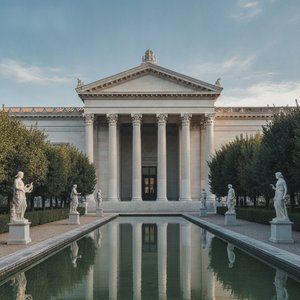
Neoclassicism Unveiled: Discovering the Timeless Elegance and Rational Order of Classical Art
Unveil the timeless elegance of Neoclassicism. Journey through an era defined by reason, order, and the revival of Greco-Roman ideals. Our expert exploration offers a sophisticated look at the transition from Rococo excess to classical precision for the true art enthusiast.

The Timeless Elegance of Academic Classicism: A Journey Through Order, Precision, and the Pursuit of Perfection
Explore the profound beauty of Academic Classicism. Discover how masters used order, precision, and classical ideals to achieve timeless perfection in art history, from Neoclassical portraits to the pursuit of ideal beauty.

The Eternal Beauty of Marble: A Guide to Sculpting Light, Stone, and the Soul of Art History
Explore the sublime artistry of marble sculpture. From Greek antiquity to the masters of light, discover how stone captures the eternal essence of human beauty and emotion through expert craftsmanship and historical mastery.
استكشف الأعمال الفنية المصنفة حسب الموضوعات والأنماط والخصائص.
