


 معاينة الحجم الواقعي
 إرسال
إرسال مشاركة
 عرض التفاصيل
 دليل الأعمال الفنية للطلاب

 تحميل
تحميل
 قطع مشابهة
 الأشعة السينية
 عرض شرائح متتابع
 الإحصائيات
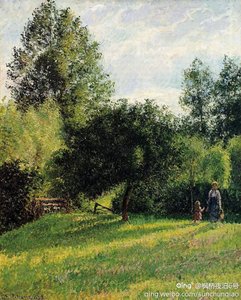
Apple Fallings


Arthur Spooner’s ‘Apple Fallings’ (c. 1890) captures rural life in a stunning realist oil painting. Explore its dappled light, impasto texture & nostalgic theme – a timeless piece!
Discover arthur spooner's art at TopImpressionists! Explore his unique style and themes. Find high-quality prints of arthur spooner's artwork to enhance your collection.
 اقرأ المزيد
نسخة زيتية مصنوعة يدوياً
لوحة زيتية مرسومة يدوياً على الكانفاس بالمقاس والإطار الذي تفضله، تُنفذ حسب الطلب على أيدي فنانينا. ( التبديل إلى المطبوعات التحويل إلى الصورة الرقمية)




































مقاس قياسي
مخصص
CM
INCH
اختر من بين أحجامنا المُعدّة مسبقاً والتي تتوافق مع النسب الأصلية للعمل الفني.
Loading sizes...

العرض
الارتفاع
يمكنك إدخال أبعاد خاصة لتناسب إطاراً أو مساحة معينة. وفي حال عدم تطابق الحجم المختار مع نسب الصورة الأصلية، سنقوم إما بقص العمل الفني أو توسيع اللوحة عبر إضافة عناصر مرسومة يدوياً. وسيتم إرسال نموذج رقمي إليك للموافقة عليه قبل بدء عملية الإنتاج.
يرجى ملاحظة أن المعاينة على الشاشة لا تعكس عملية القص أو التوسيع الفعلية؛ إذ إن النموذج الرقمي هو الوحيد الذي يوضح التكوين النهائي بدقة.
وعلى الرغم من توفر أحجام مخصصة، إلا أننا نوصي باختيار أبعاد من القائمة المحددة مسبقاً للحفاظ على النسب الأصلية للعمل الفني.
أمثلة على التعديلات الممكنة: استبدال الوجه بصورة العميل؛ إضافة حيوان أليف (مثل استبدال قطة بكلب)؛ تضمين رسالة مخفية في الخلفية؛ تغيير المناظر الطبيعية أو العناصر في الخلفية.
بعد إتمام الطلب، سيرسل فريق TopImpressionists.com بريداً إلكترونياً للعميل لطلب التعليمات وتزويده بمعاينة تجريبية (mockup).
بعد إتمام الطلب، سيرسل فريق TopImpressionists.com بريداً إلكترونياً للعميل لطلب التعليمات وتزويده بمعاينة تجريبية (mockup).
توصيل عالمي إلى خلال 3 إلى 4 أسابيع بدلاً من المدة المعتادة البالغة 5 أسابيع. (26 سبتمبر). جودة لا تهاون فيها.

شحن سريع ومجاني لجميع أنحاء العالم

قماش كتان فاخر

تأمين شامل على الشحن

ضمان استرداد الرسوم الجمركية

ضمان دقة مطابقة الألوان

سياسة الإرجاع خلال 100 يوم (في حالات العيوب فقط)

ضمان استرداد نقدي بنسبة 100%

عرض خصم الكميات
 خيار الزجاج متاح فقط للمقاسات التي تقل عن 110 سم

Apple Fallings
وسيط إعادة الإنتاج
مقاس النسخة المطبوعة
-


إجمالي السعر
$ 269
أعمال فنية مشابهة




نبذة عن الفنان
The Quiet Legacy of Arthur Spooner
In the annals of British art, certain names resonate with thunderous fame, while others linger like a soft mist over a Nottinghamshire meadow, possessing a quiet, enduring grace. Arthur Spooner (1873–1962) belongs to that latter, more intimate category. A painter whose life was deeply rooted in the English landscape, Spooner’s work serves as a window into the atmospheric beauty of a bygone era. Born in Nottingham, his early years were marked by profound personal hardship; raised in an abusive household, he faced significant adversity from a young age. Yet, even amidst such turbulence, a creative spark flickered, fueled by an innate ability to observe and interpret the world around him. This resilience would later manifest in a body of work characterized by a steadfast dedication to capturing the subtle nuances of light, nature, and movement.
Spooner’s artistic journey was shaped by formal discipline and a wandering spirit. He honed his technical prowess at the Nottingham School of Art, an institution that provided him with the foundational tools of his craft. His training instilled in him a respect for realism, yet he was never a mere copyist of nature. Instead, he sought to infuse his subjects with emotion and atmosphere, drawing inspiration from the burgeoning Impressionist movement. This synthesis of precise detail and emotive light allowed him to transcend simple documentation, turning a landscape into a sensory experience. His travels also played a surprising role in his development; tales of his youth performing jigs for workers at the Empire State Building suggest a man who was as much a part of the world's vibrant pulse as he was a silent observer of its landscapes.
Mastery of Light and Form
The true essence of Spooner’s artistry lies in his ability to manipulate texture and tone to evoke specific moods. He was particularly renowned for his equine subjects and landscapes, genres that demanded both anatomical accuracy and a delicate touch. When painting horses, he did not merely depict muscle and mane; he captured the very breath and kinetic energy of the animal, utilizing subtle tonal variations to suggest movement and vitality. His landscapes were equally evocative, often featuring scenes such as the serene Saints Bay in Guernsey or the nostalgic, dappled light of Apple Fallings. In these works, one can observe a masterful use of impasto and soft, blended brushstrokes that create a palpable sense of depth and atmosphere.
His technical repertoire was diverse, allowing him to navigate between different artistic temperaments:
- Impressionistic Light: A profound ability to render the fleeting qualities of sunlight, particularly during the "golden hours" of dawn or dusk.
- Realist Precision: An exacting eye for detail in the rendering of foliage, rocks, and animal musculature, ensuring a grounded sense of reality.
- Atmospheric Depth: The use of misty, soft-focus techniques to create a sense of distance and contemplative stillness, as seen in works like Misty Autumn.
A Lasting Impression on the Nottinghamshire Scene
While Spooner may not have sought the global spotlight, his contributions to the British art scene were significant and deeply felt within his local community. His appointment as an Associate Member of the Royal Academy (RBA) in 1920 served as a formal recognition of his skill and standing among his peers. As a teacher at the Nottingham School of Art, he also played a vital role in nurturing the next generation of British painters, passing on the traditions of landscape and figurative art that he had so masterfully refined.
His historical significance is perhaps best measured by the enduring presence of his work in public collections and the way it continues to stir the emotions of contemporary viewers. Pieces such as The Goose Fair, Nottingham (1926)—now held in the prestigious Nottingham Castle—stand as cultural landmarks, preserving the spirit of local life and civic pride. Through his canvases, Spooner achieved a rare feat: he captured the ephemeral beauty of the natural world and the dignity of everyday life, leaving behind a legacy that remains as luminous and evocative as a sunlit woodland glade.

arthur spooner
1873 - 1962
لمحة سريعة
- Artistic Movement Or Style: Impressionism
- Artists Or Movements Influenced By This Artist: ['Edward Burne-Jones']
- Artists Who Influenced This Artist:
- Claude Monet
- William Morris
- Date Of Birth: 1873
- Date Of Death: 1962
- Full Name: Arthur Eugene Spooner
- Nationality: British
- Notable Artworks:
- Goose Fair
- Welbeck Estate
- Place Of Birth: Nottingham, England
مقالات ذات صلة

أعمال بول سيزان الخالدة: 25 تحفة فنية تزين منزلك بجمال الألوان والضوء
اكتشف 25 تحفة فنية لبول سيزان، رائد الانطباعية وما بعد الانطباعية. استكشف قصص لوحاته الزيتية الشهيرة وألوانه الجريئة وتقنياته الفريدة. احصل على إلهام لديكور منزلك الفاخر مع TopImpressionists.com.

Impressionism's Masterpieces: 10 Paintings That Defined a Movement | TopImpressionists
Journey through Impressionism's heart with 10 iconic paintings by Monet, Renoir & Degas. Explore light, color & the stories behind these masterpieces. Find museum-quality art reproductions and elevate your home decor on TopImpressionists.com.

Echoes of Revolution & Romanticism: Navigating 19th-Century Art Styles
Explore the diverse world of 19th-century art! From Realism's rebellion to Impressionism’s light and beyond, discover key movements, artists & collecting tips. Expert insights for classic enthusiasts.

Capturing Light & Emotion: A Beginner's Guide to the Soul of Late Impressionism
Embark on a visual journey through Late Impressionism. Discover how masters like Monet and Van Gogh captured light and emotion, and learn expert tips for bringing these soulful, hand-painted aesthetics into your modern home decor with confidence.

19th Century Masterpieces: 10 Paintings That Defined an Era | TopImpressionists
Journey through 19th century art with TopImpressionists! Explore 10 iconic paintings – from Monet & Renoir to Courbet – and discover the stories behind Romanticism, Realism & Impressionism. Find museum-quality reproductions for your home decor. Explore the full collection online!