
 مشاركة
 مشاركة
 التفاصيل
 دليل
دليل

 تحميل الملف
 قطع مشابهة
 عرض شرائح
 الأسئلة والأجوبة
 الإحصائيات
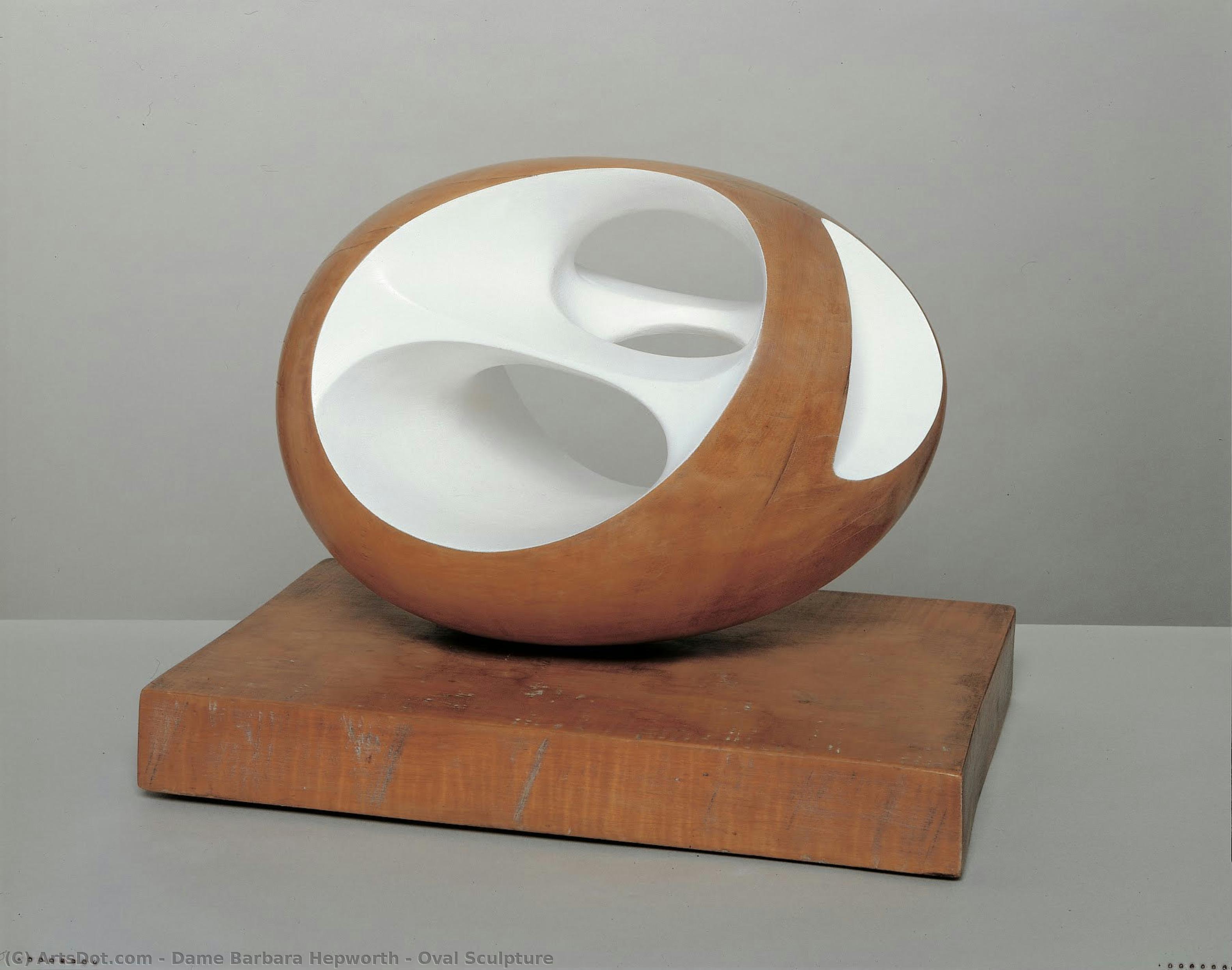
Oval Sculpture


Dame Barbara Hepworth (1903-1975) was a celebrated English artist and sculptor who revolutionized modern sculpture. Educated at Leeds School of Art and awarded a scholarship to the Royal College of Art, she co-founded Unit One Art Movement alongside Ben Nicholson and Paul Nash.
 عرض المزيد
استكشف المنحوتات الحداثية للديم باربرا هيبورث (1903-1975). رائدة الفن التجريدي، يمزج عملها - بما في ذلك 'Oval Form' و'Two Forms' - بين السريالية والتجريد. اكتشف إرثها في متحف هيبورث ويكفيلد.
إن العمل الفني المعروض في هذه الصفحة محمي بموجب قوانين حقوق الطبع والنشر، مما يعني أنه لا يحق لنا قانوناً إنشاء أو بيع نسخ مطابقة له. وتُطبق هذه الحماية بموجب الاتفاقيات الدولية مثل الـ اتفاقية برن ووفقاً للقوانين الوطنية، بما في ذلك تلك المنصوص عليها في قانون حقوق الطبع والنشر في الولايات المتحدة - الباب 17.
تتوافق هذه الطريقة تماماً مع لوائح حقوق النشر لأنها لا تتضمن نسخ أو تكرار العمل الفني المحمي، بل هي إعادة تفسير إبداعية؛ أي أنها لوحة جديدة مستوحاة من الأصل ولكنها ليست مطابقة له.
طباعة جيلي / مطبوعات فنية
طباعة جيكلي أو كانفاس بجودة المتاحف، مع سرعة في التنفيذ وخيارات متنوعة للتشطيب. ( شراء لوحة مرسومة يدويًا الانتقال إلى الصورة الرقمية)




































قياسي
حسب الطلب
CM
INCH
اختر من بين أحجامنا المُعدّة مسبقاً والتي تتوافق مع النسب الأصلية للعمل الفني.
Loading sizes...

العرض
الارتفاع
أدخل العرض والارتفاع المطلوبين ليتناسب المقاس مع إطارك أو جدارك. يرجى الملاحظة أن المطبوعة يمكن قصها فقط ولا يمكن تكبيرها لتتجاوز أبعاد الصورة الأصلية، لذا فإن اختيار مقاس بأبعاد مختلفة سيؤدي إلى فقدان جزء من الصورة. سنرسل لك نموذجاً رقمياً تجريبياً لاعتماده قبل البدء في عملية الطباعة. الصورة المعروضة في هذه الصفحة لا توضح شكل القص الفعلي — النموذج التجريبي فقط هو ما يظهر ذلك بدقة.
توصيل عالمي إلى خلال أسبوعين بدلاً من المدة القياسية البالغة 4/5 أسابيع. (9 نوفمبر)

شحن سريع ومجاني لجميع أنحاء العالم

قماش كتان عالي الجودة

تأمين شامل على الشحن

ضمان استرداد الرسوم الجمركية

ضمان مطابقة الألوان الحقيقية

سياسة الإرجاع خلال 100 يوم (في حالات العيوب فقط)

ضمان استرداد نقدي بنسبة 100%

خصم عند طلب كميات
 خيار الزجاج متاح فقط للمقاسات التي تقل عن 110 سم

Oval Sculpture
طباعة جيلي / مطبوعات فنية
مقاس النسخة المطبوعة
-


إجمالي السعر النهائي
E£ 3667
Oval Sculpture: A Meditation on Form and Space by Barbara Hepworth
Dame Barbara Hepworth’s “Oval Sculpture,” created in 1943, stands as a testament to the profound influence of modernist sculpture on British art during its formative years. This deceptively simple piece—a cast bronze version produced in 1958—captures an essence of geometric abstraction that transcends mere visual representation.
The sculpture’s core is comprised of two interlocking bowls crafted from wood, positioned vertically atop one another. At first glance, the arrangement might appear straightforward; however, Hepworth skillfully employs a technique rooted in illusionism to generate a mesmerizing effect. The subtle curvature and hollow interior of each bowl create an optical paradox—a suggestion of a larger form contained within, prompting viewers to contemplate the relationship between solid and void.
Hepworth’s artistic journey began at Leeds School of Art in 1920, where she honed her skills before securing a prestigious scholarship to study at the Royal College of Art. Her involvement with the Unit One art movement—a collaborative effort uniting Surrealism and Abstraction—established her reputation as a trailblazer within British modernism.
- Style: Hepworth’s work embodies the principles of geometric abstraction, prioritizing form and space over traditional depiction.
- Technique: The sculpture utilizes wood carving combined with bronze casting – a masterful fusion that emphasizes texture and materiality.
- Historical Context: Produced during World War II, “Oval Sculpture” reflects the anxieties and aspirations of its time—a desire to explore new aesthetic languages amidst global upheaval.
Beyond its formal qualities, "Oval Sculpture" resonates with deeper symbolic meanings. The bowl form itself has been associated with containment and receptivity – concepts that align with Hepworth’s broader exploration of the human condition. Its stillness invites contemplation, encouraging viewers to consider the interplay between internal experience and external perception.
The sculpture's placement within the Kimbell Art Museum collection underscores its enduring significance as a cornerstone of modern art history. It serves as an inspiration for interior designers seeking to infuse spaces with elegance and intellectual depth—a reminder that beauty can reside in understated geometric forms and thoughtful artistic expression.
الأسئلة والأجوبة
ما هي التقنية المستخدمة في "Oval Sculpture"، ومتى تم إنجازها؟
أُبدع العمل "Oval Sculpture" في عام 1943 باستخدام تقنية Sculpture Bronze. وتوضح المادة والتاريخ كيفية وتوقيت تنفيذ العمل الأصلي.
ماذا يصور "Oval Sculpture" للفنان باربرا هيبورث، وما هو الطابع الذي ينقله؟
تُصور "Oval Sculpture" للفنان باربرا هيبورث موضوعات sculpture, abstraction, form, space, british art, hepworth, minimalism، في أجواء Minimalist. ويصف الموضوع والأجواء معاً هذا العمل الفني.
هل يتوفر عرض شرائح لـ "Oval Sculpture" للفنان باربرا هيبورث؟
يمكنكم مشاهدة عرض متتابع للصور عبر صفحة عرض شرائح الخاصة بـ "Oval Sculpture" للفنان باربرا هيبورث.
السيرة الذاتية للفنان
البدايات والنشأة التعليمية
السيدة باربرا هيبورث، الفنانة والنحاتة الإنجليزية المرموقة، ولدت في العاشر من يناير عام 1903 في مدينة ويكفيلد بمقاطعة يوركشاير. بدأت رحلتها الفنية بالالتحاق بمدرسة ليدز للفنون منذ عام 1andom20، ثم توجت مسارها التعليمي بالحصول على منحة مقاطعة للدراسة في الكلية الملكية للفنون (RCA) في لندن، حيث استمرت دراستها من عام 1921 حتى نالت دبلومها في عام 1924.المسيرة الفنية
- تجسد أعمال السيدة باربرا هيبورث جوهر الحداثة، ولا سيما في مجال النحت الحديث، حيث كانت واحدة من القلائل من الفنانات اللواتي حققن شهرة عالمية واسعة.
- في عام 1933، ساهمت في تأسيس حركة "يونيت وان" (Unit One) الفنية بالتعاون مع بن نيكلسون، وبول ناش وغيرهم، سعيًا لدمج السريالية والتجريد في الفن البريطاني.
- اتسمت أعمال هيبورث المبكرة بالنزعة التجريدية وتفاعلها مع الحركة الفنية "تجريد-كرياسيون" (Abstraction-Création) التي اتخذت من باريس مقرًا لها.
أعمال ومعارض بارزة
- يعد منحوت البرونزي "الشكل البيضاوي (تريزيون)" جزءًا من مجموعة متحف كيمبل للفنون في فورت وورث بالولايات المتحدة. (عرض على TopImpressionists)
- أما منحوتة "شكلان"، فهي تُعرض في متحف هيبورث ويكفيلد في ويكفيلد بالمملكة المتحدة. (عرض على TopImpressionists)
- كما تضم مجموعة متحف هيبورث ويكفيلد منحوتة "توتيم" الرخامية. (عرض على TopImpressionists)
الإرث والمجموعات المتحفية
إن أعمال باربرا هيبورث تحظى بتقدير عالمي واسع، حيث تشكل منحوتاتها ولوحاتها جزءًا من مجموعات متحفية متنوعة حول العالم. ويضم متحف هيبورث ويكفيلد، الذي سُمي تيمناً بالفنانة، العديد من الروائع لفنانين مشهورين، بما في ذلك أعمال هيبورث الخاصة. (اكتشف المزيد عن متحف هيبورث ويكفيلد عبر TopImpressionists)الخاتمة
لقد تركت الأعمال الرائدة لـ السيدة باربرا هيبورث في مجال النحت البريطاني الحديث بصمة لا تُمحى في عالم الفن. ويستمر إرثها في إلهام الفنانين وعشاق الفنون على حد سواء، حيث تظل أعمالها شاهدًا حيًا على روحها المبتكرة وعبقريتها الفنية الفذة. المزيد عن باربرا هيبورث على ويكيبيديا
باربرا هيبورث
1903 - 1975 , المملكة المتحدة
حقائق سريعة
- Artistic Movement Or Style: الحداثة، التجريد
- Artists Or Movements Influenced By This Artist:
- Abstraction-Création
- Unit One
- Artists Who Influenced This Artist:
- هنري مور
- بن نيكولسون
- Date Of Birth: 1903-01-10
- Date Of Death: 1975-05-20
- Full Name: باربرا هيبورث
- Nationality: بريطانية
- Notable Artworks:
- Oval Form (Trezion)
- Two Forms
- Totem
- Place Of Birth: ويكفيلد، المملكة المتحدة
مقالات ذات صلة

The Soul of Color: A Journey into the Emotional Resonance of Lyrical Abstraction
Embark on a cultural journey through Lyrical Abstraction. Explore how masters like Kandinsky used color and motion to translate emotion into visual poetry. Discover the profound beauty of abstract expressionism and learn to curate emotional resonance in your own art collection.
استكشف الأعمال الفنية المصنفة حسب الموضوعات والأنماط والخصائص.


