

 معاينة الحجم الواقعي
 إرسال
إرسال مشاركة
 عرض التفاصيل
 دليل الأعمال الفنية للطلاب

 تحميل
تحميل
 قطع مشابهة
 الأشعة السينية
 عرض شرائح متتابع
 الإحصائيات
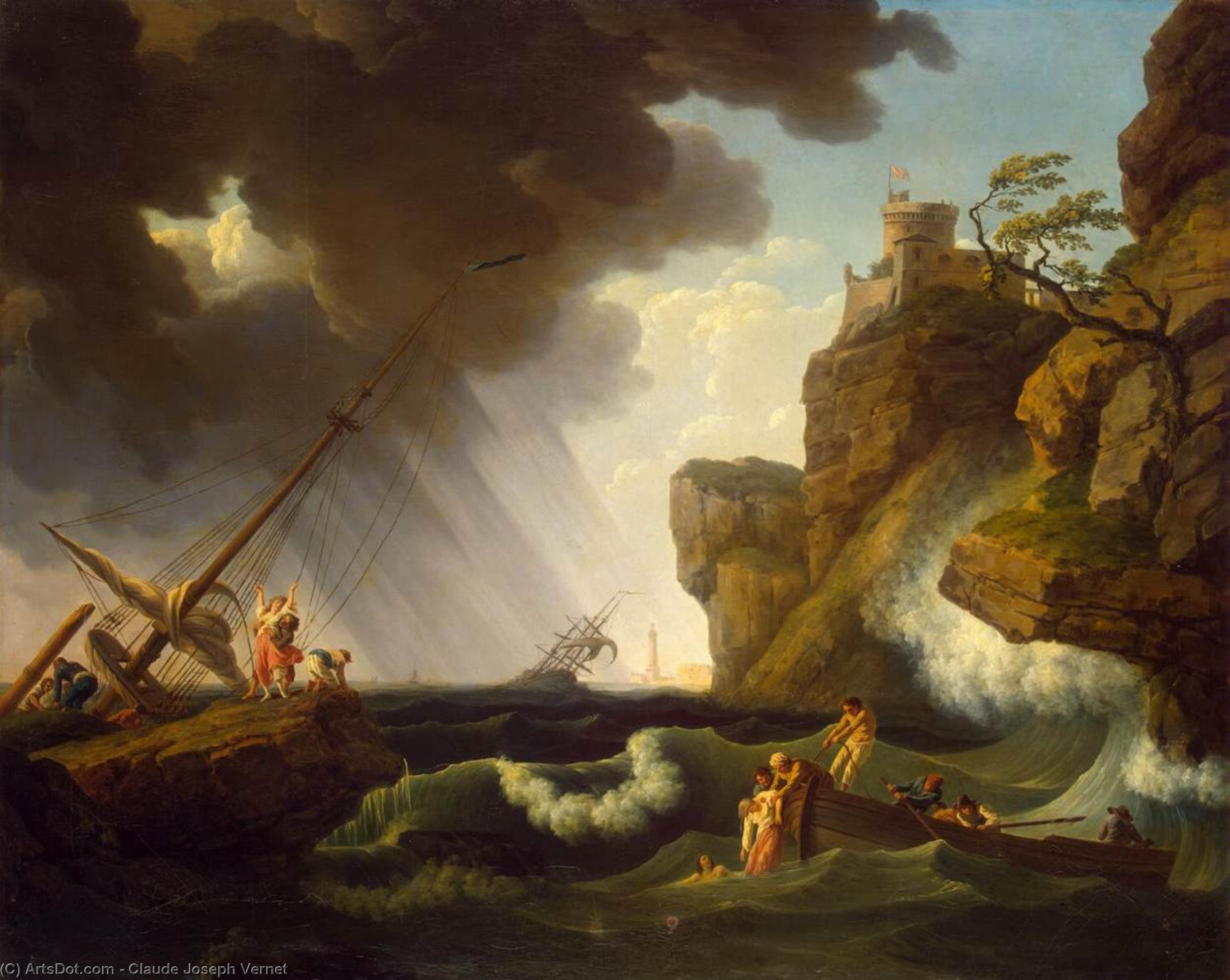
Shipwreck
 Oil On Canvas
- WallArt
- Romantic Landscape
 1763
1763- Early Modern
 102.0 x 126.0 cm
 متحف الإرميتاج
Experience Vernet’s Romantic masterpiece—a tempestuous seascape brimming with dramatic chiaroscuro and expressive brushstrokes! This monumental 1763 oil painting captures the sublime terror of a shipwreck, reflecting Enlightenment ideals and inviting you to explore its timeless beauty.
 اقرأ المزيد
كلود جوزيف فيرنيه (1714-1789): رسام فرنسي مشهور بمناظره البحرية الرائعة، وعواصفه الدرامية ومشاهده الخيل الأنيقة. اكتشف إرثه الفني!
نسخة زيتية مصنوعة يدوياً
لوحة زيتية مرسومة يدوياً على الكانفاس بالمقاس والإطار الذي تفضله، تُنفذ حسب الطلب على أيدي فنانينا. ( التبديل إلى المطبوعات التحويل إلى الصورة الرقمية)




P118B $10

P118H $10

P118W $10

P438Z $10

P508JH $12

P508YH $12

P805H $10

P805Z $10

P919BZ $10

P919G $10

P919XJ $10

P959ZH $10

P968JZ $12

W106C $8

W218G $10

W218JH $8

W218Y $10

W307PJ $10

W316G $10

W316PJ $8

W316Y $10

W398PJ $8

W4111J $10

W500HY $15

W500JH $15

W692G $12

W849H $8

W940BG $15

W953PJ $8




مقاس قياسي
مخصص
CM
INCH
اختر من بين أحجامنا المُعدّة مسبقاً والتي تتوافق مع النسب الأصلية للعمل الفني.
Loading sizes...

العرض
الارتفاع
يمكنك إدخال أبعاد خاصة لتناسب إطاراً أو مساحة معينة. وفي حال عدم تطابق الحجم المختار مع نسب الصورة الأصلية، سنقوم إما بقص العمل الفني أو توسيع اللوحة عبر إضافة عناصر مرسومة يدوياً. وسيتم إرسال نموذج رقمي إليك للموافقة عليه قبل بدء عملية الإنتاج.
يرجى ملاحظة أن المعاينة على الشاشة لا تعكس عملية القص أو التوسيع الفعلية؛ إذ إن النموذج الرقمي هو الوحيد الذي يوضح التكوين النهائي بدقة.
وعلى الرغم من توفر أحجام مخصصة، إلا أننا نوصي باختيار أبعاد من القائمة المحددة مسبقاً للحفاظ على النسب الأصلية للعمل الفني.
أمثلة على التعديلات الممكنة: استبدال الوجه بصورة العميل؛ إضافة حيوان أليف (مثل استبدال قطة بكلب)؛ تضمين رسالة مخفية في الخلفية؛ تغيير المناظر الطبيعية أو العناصر في الخلفية.
بعد إتمام الطلب، سيرسل فريق TopImpressionists.com بريداً إلكترونياً للعميل لطلب التعليمات وتزويده بمعاينة تجريبية (mockup).
بعد إتمام الطلب، سيرسل فريق TopImpressionists.com بريداً إلكترونياً للعميل لطلب التعليمات وتزويده بمعاينة تجريبية (mockup).
توصيل عالمي إلى خلال 3 إلى 4 أسابيع بدلاً من المدة المعتادة البالغة 5 أسابيع. (26 سبتمبر). جودة لا تهاون فيها.

شحن سريع ومجاني لجميع أنحاء العالم

قماش كتان فاخر

تأمين شامل على الشحن

ضمان استرداد الرسوم الجمركية

ضمان دقة مطابقة الألوان

سياسة الإرجاع خلال 100 يوم (في حالات العيوب فقط)

ضمان استرداد نقدي بنسبة 100%

عرض خصم الكميات
 خيار الزجاج متاح فقط للمقاسات التي تقل عن 110 سم

Shipwreck
وسيط إعادة الإنتاج
مقاس النسخة المطبوعة
-


إجمالي السعر
$ 269
A Tempestuous Vision of Sublime Terror
Claude Joseph Vernet’s “Shipwreck” is far more than a mere depiction of maritime disaster; it is a profound cornerstone of Romantic landscape painting that captures the very essence of human vulnerability. Completed in 1763, this oil on canvas masterpiece invites viewers into a world where the boundaries between awe and terror dissolve. The scene unfolds with a panoramic intensity, dominated by turbulent, churning seas and brooding, heavy skies that seem to press down upon the frantic figures below. As one gazes upon the work, the sheer scale of the ocean’s fury becomes palpable, establishing a sense of sublime drama that was revolutionary for its era. The composition is masterfully orchestrated to guide the eye through the chaos, from the splintering wood of the vessel to the desperate movements of the crew, creating a visceral experience that resonates long after the first encounter.
The technical brilliance of Vernet lies in his ability to translate raw, elemental energy into tangible paint. Eschewing the polished, idealized surfaces favored by Neoclassical contemporaries, Vernet embraced a more expressive and textured approach. He utilizes chiarosc lately—the dramatic interplay between piercing light and deep, swallowing shadows—to sculpt the forms of the ship and its passengers against the immense backdrop of the storm. His brushwork is notably loose and energetic, employing thick layers of impasto to mimic the frothing whitecaps of the waves and the heavy, moisture-laden atmosphere of a tempest. This tactile quality adds a layer of physical realism to the scene, making the spray of the salt water and the weight of the wind feel almost touchable to the observer.
The Philosophy of the Sublime and Historical Resonance
To understand “Shipwreck,” one must look toward the intellectual currents of the Enlightenment. During this period, philosophers such as Edmund Burke were deeply preoccupied with the concept of the sublime—the idea that beauty could be found in things that are simultaneously terrifying and overwhelming. Vernet’s work serves as a visual manifesto for this philosophy. By presenting the small, frantic figures of the shipwrecked crew against the infinite, uncontrollable power of nature, he highlights the fragility of human existence. The painting does not merely document a nautical accident; it explores the psychological state of confronting an immense force that is indifferent to human life. This tension between the monumental landscape and the minute, struggling human element provides a profound emotional depth that continues to captivate modern audiences.
For the discerning collector or interior designer, “Shipwreck” offers more than just aesthetic beauty; it brings a commanding presence and a narrative soul to any space. The painting’s dramatic tonal range—from charcoal grays to brilliant, light-pierced crests—allows it to serve as a powerful focal point in sophisticated settings. Whether placed in a grand library or a contemporary living space, the artwork evokes a sense of history, adventure, and deep contemplation. A high-quality reproduction of this masterpiece allows one to possess a fragment of the Romantic era, bringing the timeless, haunting beauty of Vernet’s maritime vision into the modern home, where it can continue to inspire awe and wonder.
نبذة عن الفنان
A Master of Maritime Light: The Life and Art of Claude-Joseph Vernet
Claude-Joseph Vernet, born in Bordeaux in 1714, wasn’t initially destined for the grand landscapes and dramatic seascapes that would define his legacy. His earliest artistic inclinations revealed a fascination with horses—a passion evident even in childhood, sketching these noble creatures from the tender age of five. This early devotion to animal anatomy, particularly equine form, would subtly inform his later work, lending a dynamic energy and realism to figures within broader compositions. Vernet’s formal training began under his father, Antoine Vernet, a decorative painter, and Nicolas-Bernard Lépicié, providing him with a solid academic foundation before he ventured towards the artistic heart of Europe: Rome. It was in Italy that Vernet truly discovered his calling, captivated not only by classical landscapes but also by the raw power and beauty of the sea. The sight of whales off the coast of Marseille proved pivotal, igniting a lifelong obsession with maritime subjects.From Roman Studies to Royal Commissions
Vernet’s time in Rome wasn't merely about replicating existing styles; it was an immersive study of light, atmosphere, and the interplay between humanity and nature. He absorbed influences from masters like Claude Lorrain and Salvator Rosa, blending their approaches into a uniquely personal vision. While Lorrain offered idealized serenity, Rosa provided dramatic intensity—Vernet skillfully synthesized these elements, creating scenes that were both visually stunning and emotionally resonant. Upon his return to France in 1753, Vernet’s talent quickly gained recognition. A pivotal moment arrived with a commission from Louis XV to paint a series of views of French seaports. This ambitious project—eventually encompassing fifteen paintings—established Vernet as the premier marine painter of his time. These weren't simply topographical records; they were evocative portrayals of national pride, showcasing France’s maritime power and its connection to the sea. Intérieur du port de Marseille (1754), for example, isn’t just a depiction of a bustling harbor—it’s an ode to commerce, industry, and the vibrant lifeblood of the city.A Legacy Forged in Light and Tempest
Vernet's artistic skill lay not only in his precise rendering of ships and harbors but also in his masterful handling of light and atmosphere. He understood how sunlight glinted off water, how clouds gathered before a storm, and how these elements could dramatically alter the mood of a scene. His paintings often feature dramatic skies, turbulent waters, and figures caught in moments of both peril and resilience. A View of the Port of Naples with Mount Vesuvius in the Background (1774), exemplifies this talent—the imposing presence of Vesuvius looms over the bustling port, a reminder of nature’s power while simultaneously highlighting human activity. This ability to balance grandeur and intimacy is a hallmark of his work. Beyond maritime scenes, Vernet also explored landscapes and hunting subjects, always maintaining a keen eye for detail and an understanding of animal anatomy—a skill honed in his youth.Influences and Artistic Development
The impact of Claude Lorrain is readily apparent in Vernet’s early compositions – the golden light, the carefully arranged classical architecture, and the sense of peaceful contemplation. However, Vernet quickly moved beyond mere imitation. He found a counterpoint in the work of Salvator Rosa, whose dramatic landscapes and depictions of shipwrecks introduced an element of danger and emotional intensity that Lorrain lacked. Vernet’s unique contribution was to fuse these two seemingly disparate styles, creating scenes that were both beautiful and awe-inspiring. He also drew inspiration from the Dutch masters of maritime painting, studying their techniques for rendering waves, clouds, and the effects of light on water. This synthesis of influences allowed Vernet to develop a distinctly French style of marine painting – one characterized by its atmospheric depth, realistic detail, and emotional resonance. His meticulous observation of nature, combined with his artistic training, resulted in paintings that were both visually stunning and scientifically accurate.Family, Recognition, and Enduring Significance
The artistic lineage continued with Vernet’s son, Antoine Charles Horace Vernet (also known as Carle Vernet), who followed in his father's footsteps, achieving renown for his own dynamic battle scenes and hunting art. This familial connection underscores the importance of tradition and mentorship within the French artistic community of the 18th century. Claude-Joseph Vernet’s influence extended beyond his immediate family; he helped to elevate landscape painting to a position of prominence in French art. His work paved the way for later generations of artists, inspiring them to explore the beauty and power of the natural world. He was elected to the Académie Royale de Peinture et de Sculpture in 1763, solidifying his reputation as one of France’s leading artists. Though he passed away in 1789, on the cusp of revolutionary change, Vernet’s legacy endures. His paintings continue to captivate viewers with their atmospheric depth, technical brilliance, and evocative storytelling—a testament to a life dedicated to capturing the essence of light, sea, and the human spirit. His series of port views remains a vital record of 18th-century France, offering invaluable insights into its maritime culture and national identity.
كلود جوزيف فيرنيه
1714 - 1789 , فرنسا
لمحة سريعة
- أعمال بارزة:
- داخلي ميناء مرسيليا
- منظر لميناء نابولي
- الاسم الكامل: كلود-جوزيف فيرنيه
- الجنسية: فرنسي
- الحركة الفنية: منظر طبيعي، بحري
- تاريخ الميلاد: 14 أغسطس 1714
- تاريخ الوفاة: 1789
- فنانون مؤثرون:
- كلود لورين
- بيرنادينو فيرجوني
- فنانون متأثرون: ['أنطوان شارل هوراس فيرنيه']
- مكان الميلاد: بوردو، فرنسا
مقالات ذات صلة

Capturing the Soul: The Emotional Magic and Sublime Grandeur of Romantic Landscape Painting
Explore the profound emotional depth of Romantic landscape painting. Discover how masters like Friedrich and Turner captured the sublime through light, shadow, and nature's power in this expert art history retrospective for discerning collectors.