


 معاينة الحجم الواقعي
 إرسال
إرسال مشاركة
 عرض التفاصيل
 دليل الأعمال الفنية للطلاب

 تحميل
تحميل
 قطع مشابهة
 الأشعة السينية
 عرض شرائح متتابع
 الإحصائيات
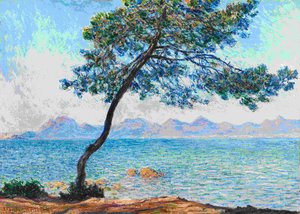
At Cap d'Antibes


 اقرأ المزيد
استكشف عالم كلود مونيه، رائد الانطباعية الفرنسي، المشهور بلوحاته الخلابة مثل "البركة" و"حقول القمح". اكتشف كيف أسر الفنان الضوء واللون في أعماله التي غيرت مسار الفن.
طباعة جيلي / مطبوعات فنية
طباعة جيكلي أو كانفاس بجودة المتاحف، مع سرعة في التنفيذ وخيارات متنوعة للتشطيب. ( اطلب نسخة مرسومة يدويًا التحويل إلى الصورة الرقمية)




P118B $10

P118H $10

P118W $10

P438Z $10

P508JH $12

P508YH $12

P805H $10

P805Z $10

P919BZ $10

P919G $10

P919XJ $10

P959ZH $10

P968JZ $12

W106C $8

W218G $10

W218JH $8

W218Y $10

W307PJ $10

W316G $10

W316PJ $8

W316Y $10

W398PJ $8

W4111J $10

W500HY $15

W500JH $15

W692G $12

W849H $8

W940BG $15

W953PJ $8




مقاس قياسي
مخصص
CM
INCH
اختر من بين أحجامنا المُعدّة مسبقاً والتي تتوافق مع النسب الأصلية للعمل الفني.
Loading sizes...

العرض
الارتفاع
يمكنك إدخال أبعاد خاصة لتناسب إطاراً أو مساحة معينة. وفي حال عدم تطابق الحجم المختار مع نسب الصورة الأصلية، سنقوم إما بقص العمل الفني أو تمديد الصورة باستخدام حافة معكوسة أو لون مصمت. وسيتم إرسال نموذج تجريبي رقمي لاعتمادك قبل بدء عملية الإنتاج.
يرجى ملاحظة أن المعاينة على الشاشة لا تعكس عملية القص أو التمديد الفعلية؛ حيث سيوضح النموذج التجريبي فقط التكوين النهائي بدقة.
وعلى الرغم من توفر أحجام مخصصة، إلا أننا نوصي باختيار أبعاد من القائمة المحددة مسبقاً للحفاظ على النسب الأصلية.
توصيل عالمي إلى خلال أسبوعين بدلاً من المدة القياسية البالغة 4/5 أسابيع. (25 سبتمبر)

شحن سريع ومجاني لجميع أنحاء العالم

قماش كتان فاخر

تأمين شامل على الشحن

ضمان استرداد الرسوم الجمركية

ضمان دقة مطابقة الألوان

سياسة الإرجاع خلال 100 يوم (في حالات العيوب فقط)

ضمان استرداد نقدي بنسبة 100%

عرض خصم الكميات
 خيار الزجاج متاح فقط للمقاسات التي تقل عن 110 سم

At Cap d'Antibes
طباعة جيلي / مطبوعات فنية
مقاس النسخة المطبوعة
-


إجمالي السعر
$ 69
A Symphony of Light and Landscape: Exploring Monet’s ‘At Cap d'Antibes’
Claude Monet’s “At Cap d'Antibes” isn’t merely a depiction of a coastal scene; it’s an embodiment of Impressionism itself—a movement that sought to capture the fleeting sensations of light and color as experienced by the artist. Painted in 1888 during his prolific explorations of the French Riviera, this canvas exemplifies Monet’s unwavering dedication to portraying nature with unprecedented immediacy. The artwork transports viewers directly into the Mediterranean air, infused with the scent of pine needles and the murmur of the sea breeze.The Scene Unfolds: Composition and Observation
The painting presents a panoramic vista dominated by the rugged slopes of Mont Sainte-Victoire—a mountain that would become a recurring motif in Monet’s oeuvre—rising majestically against the azure expanse of the Mediterranean Sea. At the foreground is a solitary pine tree, positioned strategically on the shoreline, its dark silhouette punctuating the luminous wash of color. Scattered amongst the rocks and pebbles are several boats – small vessels hinting at human presence amidst the grandeur of the landscape – adding depth and dynamism to the composition. Monet’s meticulous observation—a cornerstone of Impressionist practice—is palpable in every brushstroke; he didn't aim for photographic accuracy but rather to convey the *feeling* of being there, experiencing the interplay between sunlight and shadow.Technique: The Pursuit of Atmospheric Impression
Monet employed his signature technique – plein air painting – applying thin layers of oil paint onto canvas outdoors, allowing the pigments to blend naturally with the ambient light. This method is particularly evident in the handling of color; Monet utilized broken brushstrokes—short, irregular strokes of pigment—to create a shimmering effect that captures the subtle variations in hue and tone. The artist skillfully blended shades of emerald green for the pine needles and turquoise for the sea, layering colors to achieve an ethereal luminosity. He meticulously studied how light transformed throughout the day, documenting these changes with astonishing accuracy – a testament to his scientific curiosity alongside his artistic vision.Historical Context: Impressionism’s Embrace of Modernity
“At Cap d'Antibes” emerged during a period of significant artistic and intellectual ferment—the Belle Époque—characterized by optimism, technological advancements, and a burgeoning interest in capturing the beauty of everyday life. Impressionism challenged the academic conventions of its time, rejecting idealized representations in favor of subjective perception. Artists like Monet sought to liberate painting from the constraints of historical narrative and mythological allegory, focusing instead on capturing the sensory experience of the present moment. This painting stands as a pivotal example of this revolutionary approach, signaling a decisive break from artistic traditions and establishing Impressionism as one of the most influential movements in modern art history.Symbolic Resonance: Light, Nature, and Tranquility
Beyond its aesthetic qualities, “At Cap d'Antibes” carries symbolic weight. The mountain represents permanence and stability against the ephemeral nature of light and color—a recurring theme in Monet’s work—while the sea embodies boundless energy and renewal. The solitary pine tree symbolizes resilience and solitude, reflecting Monet’s own contemplative spirit as he wrestled with artistic challenges and personal anxieties. Ultimately, the painting invites contemplation on the sublime beauty of the natural world and the transformative power of perception.- Artist: Claude Monet
- Year Painted: 1888
- Medium: Oil on Canvas
- Dimensions: Height: 65.5 cm (canvas); Width: 92.4 cm (canvas)
- Location: Courtauld Gallery Collection Online
أعمال فنية مشابهة


نبذة عن الفنان
عالم كلود مونيه: شاعر الضوء واللون
كلود مونيه، اسم يتردد صداه في عالم الفن، لم يكن مجرد رسام للمناظر الطبيعية؛ بل كان مؤرخًا لللحظات العابرة، وشاعرًا للضوء واللون. وُلد في باريس في الرابع عشر من نوفمبر عام 1840، وتغير مسار حياته المبكرة عندما انتقلت عائلته إلى لو هافر، نورماندي، عندما كان في الخامسة من عمره. على الرغم من أنه كان مقدرًا له أن يسلك طريقًا تجاريًا على يد والده، سرعان ما ظهر موهبته الفنية الفطرية، وتجسدت أولاً في رسومات كاريكاتورية بالفحم بيعت محليًا – شهادة على كلٍ من مهارته وروح المبادرة لديه. ومع ذلك، فإن لقاءه مع يوجين بودان أثبت أنه نقطة تحول حقيقية. لم يعلّم بودان مونيه *كيف* يرسم فحسب، بل غرسه أيضًا بالفكرة الثورية المتمثلة في الرسم "في الهواء الطلق" – مباشرة من الطبيعة – وهي ممارسة ستحدد رحلته الفنية بأكملها.
بدأ تدريبه الرسمي في باريس، لفترة وجيزة في الأكاديمية السويسرية ثم تحت إشراف شارل جليير. هنا، كوّن صداقات دائمة مع فنانين آخرين مثل أوغست رينوار، رابطة بنيت على خيبة الأمل الفنية المشتركة والرغبة في التحرر من قيود الرسم الأكاديمي التقليدي. أظهرت أعماله المبكرة، على الرغم من إظهارها للكفاءة التقنية، صوتًا مميزًا كان سيحدد أسلوبه قريبًا. تلا ذلك فترة مضطربة – أجبرته الحرب الفرنسية البروسية على طلب المأوى في لندن، حيث انغمس في عمل أساتذة المناظر الطبيعية الإنجليزية مثل ويليام ترنر، مستوعبًا تأثيراته الجوية واستخدامه المبتكر للألوان.
ولادة ثورة جمالية
بعد عودته إلى فرنسا، أصبح مونيه شخصية مركزية في تمرد فني ناشئ. غير راضٍ عن المعايير المحافظة للصالون، انضم إلى قوى مع فنانين ذوي تفكير مماثل لتنظيم معارض مستقلة. أثبتت المعرض عام 1874 نقطة تحول حاسمة، ليس فقط لمونتيه ولكن للعالم الفني بأكمله. هنا عُرضت لوحته "انطباع، شروق الشمس" (Impression, soleil levant)، وهو تصوير ضبابي لميناء لو هافر عند الفجر، ومنه أتى مصطلح "الانطباعية" الساخر. ومع ذلك، التصق الاسم، وتطور إلى علامة شرف للحركة التي سعت إلى التقاط *انطباع* المشهد الذاتي بدلاً من تمثيله الدقيق.
تفتح أسلوبه المميز خلال هذه الفترة: ضربات فرشاة فضفاضة ومرئية، وألوان نابضة بالحياة وغالبًا ما تكون غير مخلوطة تُطبق جنبًا إلى جنب (تقنية تعرف باسم "اللون المكسور")، وتركيز لا يتزعزع على التقاط الصفات العابرة للضوء. سعى بلا هوادة إلى ممارسة الرسم "في الهواء الطلق"، يعمل بسرعة لتسجيل إدراكه الفوري قبل أن تغير الظروف المتغيرة المشهد. لم يكن هذا التفاني مجرد تصوير ما *يراه*، بل كيف *يشعر* استجابة لذلك – انحراف جذري عن التقاليد الفنية.
فيرني: جنة الضوء والانعكاس
في عام 1883، استقر مونيه في فيرني، شمال غرب باريس، وأنشأ منزلًا وحديقة أصبحا كلاهما ملاذه الأعظم ومصدر إلهامه. حول العقار بعناية إلى جنة معقدة، كاملة مع الزهور الغريبة، والأشجار الباكية، والأكثر شهرة، بركة زنابق الماء التي تمتد عبر جسر ياباني. لم يكن هذا مجرد حديقة مزخرفة؛ بل كان مختبرًا حيًا حيث يمكن لمونتيه دراسة تأثيرات الضوء على الماء وأوراق الشجر والانعكاسات في ظل ظروف خاضعة للرقابة.
كرس العقد الأخير من حياته تقريبًا لطلاء بركة زنابق الماء في فيرني. شرع في سلسلة الأعمال المونومنتالية "زنابق الماء" (Nymphéas)، حيث ابتكر لوحات ضخمة تصوّر سطح البركة كسجادة متغيرة باستمرار من الألوان والضوء. لم تكن هذه مجرد لوحات للزهور؛ بل كانت تجارب غامرة، صُممت لتغمر المشاهد في عالم من الجمال الهادئ والسكون التأملي. حجم هذه الأعمال مذهل، ويدفع حدود الرسم التقليدي ويتوقع التعبير المجرد.
إرث: تأثير دائم على تاريخ الفن
إن تأثير كلود مونيه على تاريخ الفن لا يقدر بثمن. لم يكن مجرد مؤسس الانطباعية؛ بل لقد غير بشكل أساسي الطريقة التي يدرك بها الفنانون ويمثلون العالم من حولهم. إن تركيزه على التجربة الذاتية، واحتضانه للرسم "في الهواء الطلق"، وتقنياته المبتكرة مهدت الطريق لاستكشاف الفن الحديث للتجريد والأشكال غير التمثيلية.
حقق مونيه نجاحًا تجاريًا كبيرًا خلال حياته – وهو أمر نادر بالنسبة للفنانين الطليعيين في عصره. لا يزال عمله يلهم الرهبة ويأسر الجماهير حول العالم، مما يعزز مكانته كواحدة من أهم الشخصيات في الفن الغربي. توفي في الخامس من ديسمبر عام 1926، تاركًا وراءه إرثًا يتردد صداه عبر الأجيال من الفنانين وعشاق الفن على حد سواء. تحتفظ مؤسسات مرموقة مثل متحف أورسيه ومتحف مارموتان مونيه في باريس بمجموعات كبيرة من تحف أعماله، مما يضمن استمرار رؤيته في إضاءة العالم.
التقنيات الفنية الرئيسية
- الرسم في الهواء الطلق: جوهر تطوره، مما يسمح بالملاحظة المباشرة للضوء والجو.
- اللون المكسور: تطبيق ضربات صغيرة من الألوان النقية جنبًا إلى جنب لدمج بصري.
- الرسم التسلسلي: تصوير نفس الموضوع في ظروف إضاءة مختلفة – يوضح القوة التحويلية للوقت والضوء.

كلود مونيه
1840 - 1926 , فرنسا
لمحة سريعة
- أعمال فنية بارزة:
- انطباع، شروق الشمس
- زنابق الماء
- حزم القش
- كاتدرائية روان
- الاسم الكامل: كلود مونيه
- الجنسية: فرنسي
- الحركة الفنية: الانطباعية
- تاريخ الميلاد: 14 نوفمبر 1840
- حركات فنية تأثرت به: ['الفن الحديث']
- فنانون أثروا فيه:
- يوجين بودان
- ويليام ترنر
- مكان الميلاد: باريس، فرنسا
مقالات ذات صلة

أعمال بول سيزان الخالدة: 25 تحفة فنية تزين منزلك بجمال الألوان والضوء
اكتشف 25 تحفة فنية لبول سيزان، رائد الانطباعية وما بعد الانطباعية. استكشف قصص لوحاته الزيتية الشهيرة وألوانه الجريئة وتقنياته الفريدة. احصل على إلهام لديكور منزلك الفاخر مع TopImpressionists.com.

Impressionistic Landscapes: 10 Masterpieces That Changed Art & Decor
Journey into the heart of Impressionism! Explore 10 masterpieces by Monet, Renoir & Degas that revolutionized landscape art. Discover their stories, techniques & find museum-quality reproductions to elevate your home decor on TopImpressionists.com.

أعلى 10 لوحات طبعت "المشهد الانطباعي": رحلة فنية في عالم الفن الراقي و الديكور
اكتشفوا 10 روائع فنية رسمت "المشهد الانطباعي"! رحلة في عالم مونيه، رينوار و بيسار. استلهموا ألوان الطبيعة و تقنيات الفنانين. ديكور منزلي راقي و لوحات زيتية مميزة. تسوقوا أعمالًا فنية أصيلة على TopImpressionists.com

Capturing Light: The Revolution of Impressionism and the Enduring Legacy of Claude Monet
Explore the revolutionary history of Impressionism and the luminous legacy of Claude Monet. Discover how his mastery of light and color redefined modern art through an expert-led journey into the heart of 19th-century France.

أعمال كلود مونيه الخالدة: 25 تحفة فنية تزين منزلك بجمال الانطباعية
اكتشف 25 تحفة فنية لكلود مونيه، رائد الانطباعية. استكشف قصص لوحاته الخالدة وتقنياته الفريدة وألوانه الساحرة. احصل على نسخ عالية الجودة لديكور منزلك الفاخر على TopImpressionists.com
استكشف الأعمال الفنية المصنفة حسب الموضوعات والأنماط والخصائص.


