


 معاينة الحجم الواقعي
 إرسال
إرسال مشاركة
 عرض التفاصيل
 دليل الأعمال الفنية للطلاب

 تحميل
تحميل
 قطع مشابهة
 الأشعة السينية
 عرض شرائح متتابع
 الإحصائيات
بُورَلَاءٌ عَلَى الإِبتَة


استكشاف لوحة مونيه الشهيرة «بُورَلَاءٌ عَلَى الإِبتَة»، مثالًا رائعًا للفن الانطباعي عام ١٨٩١. استمتع بجماله الهادئ وألوانِه الزاهية. نسخ طبق الأصل متوفرة على موقع TopImpressionists.كوم!
 اقرأ المزيد
استكشف عالم كلود مونيه، رائد الانطباعية الشهير بقدرته على تجسيد الضوء والألوان العابرة من خلال لوحاته الخالدة مثل 'زنابق الماء' و'أكوام القش'.
نسخة زيتية مصنوعة يدوياً
لوحة زيتية مرسومة يدوياً على الكانفاس بالمقاس والإطار الذي تفضله، تُنفذ حسب الطلب على أيدي فنانينا. ( التبديل إلى المطبوعات التحويل إلى الصورة الرقمية)




P118B E£10

P118H E£10

P118W E£10

P438Z E£10

P508JH E£12

P508YH E£12

P805H E£10

P805Z E£10

P919BZ E£10

P919G E£10

P919XJ E£10

P959ZH E£10

P968JZ E£12

W106C E£8

W218G E£10

W218JH E£8

W218Y E£10

W307PJ E£10

W316G E£10

W316PJ E£8

W316Y E£10

W398PJ E£8

W4111J E£10

W500HY E£15

W500JH E£15

W692G E£12

W849H E£8

W940BG E£15

W953PJ E£8




مقاس قياسي
مخصص
CM
INCH
اختر من بين أحجامنا المُعدّة مسبقاً والتي تتوافق مع النسب الأصلية للعمل الفني.
Loading sizes...

العرض
الارتفاع
أدخل العرض والارتفاع اللذين تحتاجهما، ليتناسب العمل مع إطارك أو جدارك. وبما أن هذه اللوحة مرسومة يدوياً، ففي حال اختيار مقاس بشكل مختلف، يمكن للفنان رسم مساحة إضافية حول الصورة أو تقليصها قليلاً — الخيار لك. سنرسل لك نموذجاً رقمياً تجريبياً لاعتماده قبل البدء في الرسم. علماً بأن الصورة المعروضة في هذه الصفحة لا تعكس النتيجة النهائية الحقيقية — فالنموذج التجريبي هو الوحيد الذي يوضح ذلك بدقة.
أمثلة على التعديلات الممكنة: استبدال الوجه بصورة العميل؛ إضافة حيوان أليف (مثل استبدال قطة بكلب)؛ تضمين رسالة مخفية في الخلفية؛ تغيير المناظر الطبيعية أو العناصر في الخلفية.
بعد إتمام الطلب، سيرسل فريق TopImpressionists.com بريداً إلكترونياً للعميل لطلب التعليمات وتزويده بمعاينة تجريبية (mockup).
بعد إتمام الطلب، سيرسل فريق TopImpressionists.com بريداً إلكترونياً للعميل لطلب التعليمات وتزويده بمعاينة تجريبية (mockup).
توصيل عالمي إلى خلال 3 إلى 4 أسابيع بدلاً من المدة المعتادة البالغة 5 أسابيع. (21 أكتوبر). جودة لا تهاون فيها.

شحن سريع ومجاني لجميع أنحاء العالم

قماش كتان فاخر

تأمين شامل على الشحن

ضمان استرداد الرسوم الجمركية

ضمان دقة مطابقة الألوان

سياسة الإرجاع خلال 100 يوم (في حالات العيوب فقط)

ضمان استرداد نقدي بنسبة 100%

عرض خصم الكميات
 خيار الزجاج متاح فقط للمقاسات التي تقل عن 110 سم

بُورَلَاءٌ عَلَى الإِبتَة
وسيط إعادة الإنتاج
مقاس النسخة المطبوعة
-


إجمالي السعر
E£ 13889
A Symphony of Light and Water: Exploring Monet’s *Poplars on the Epte*
Claude Monet's *Poplars on the Epte*, painted in 1891, is more than just a landscape; it’s an immersive experience of atmosphere and fleeting light – a quintessential example of Impressionism at its most evocative. This painting invites viewers into a tranquil world where nature’s beauty is captured with breathtaking sensitivity and innovative technique.The Scene: A Riverbank Reverie
The artwork depicts a serene stretch of the Epte river, lined with majestic poplar trees. Their slender forms rise vertically, their branches gracefully arching towards the water's surface, creating a delicate interplay between earth and sky. The composition isn’t about precise representation; rather, it focuses on *the impression* of this scene – the shimmering reflections, the dappled sunlight filtering through the leaves, and the overall sense of peacefulness. The river itself acts as a mirror, doubling the visual impact and enhancing the feeling of depth.Impressionism in Practice: Technique and Style
Monet’s mastery lies in his revolutionary technique. He eschewed traditional blending methods, instead employing short, broken brushstrokes of pure color – a hallmark of Impressionism. This approach doesn't aim to meticulously recreate reality but to capture the *perception* of light and its effect on form. The colors aren’t mixed on the palette; they blend in the viewer’s eye, creating a vibrant, shimmering surface that seems to breathe with life. The use of complementary colors – blues and oranges, yellows and purples – heightens this visual energy.Historical Context: A Series Obsession
*Poplars on the Epte* is part of an extensive series Monet undertook during the summer and fall of 1891. He was fascinated by the changing light conditions throughout the day and across seasons, leading him to paint the same subject repeatedly. This wasn’t simply about artistic exercise; it was a scientific investigation into the nature of perception itself. Monet even purchased the poplar trees themselves when they were threatened with being felled, demonstrating his dedication to capturing their ephemeral beauty. The series exemplifies Monet's commitment to *plein air* painting – working outdoors directly from nature.Symbolism and Emotional Resonance
While seemingly straightforward in its subject matter, *Poplars on the Epte* carries subtle symbolic weight. The poplar tree itself can be seen as representing resilience and adaptability, thriving near water yet reaching for the sky. The river symbolizes the passage of time and the constant flow of life. More broadly, the painting evokes feelings of tranquility, contemplation, and a deep connection to nature. It’s an invitation to pause, breathe, and appreciate the beauty that surrounds us.The Legacy of Monet
Claude Monet (1840-1926) was a pivotal figure in the development of modern art. His relentless pursuit of capturing light and atmosphere paved the way for countless artists who followed. *Poplars on the Epte* stands as a testament to his genius, showcasing his innovative technique, profound sensitivity, and enduring legacy.Bringing Monet Home
- A Timeless Addition: A reproduction of *Poplars on the Epte* will bring a touch of Impressionist elegance to any space.
- Interior Design Inspiration: The painting’s calming color palette and serene subject matter make it ideal for bedrooms, living rooms, or offices seeking a peaceful ambiance.
- A Conversation Starter: This iconic artwork is sure to spark conversation and inspire appreciation for the beauty of art.
الأسئلة والأجوبة
كيف يمكنني اكتشاف أعمال فنية مشابهة لـ "بُورَلَاءٌ عَلَى الإِبتَة" للفنان كلود مونيه؟
تُجمع الأعمال الفنية المشابهة لـ "بُورَلَاءٌ عَلَى الإِبتَة" للفنان كلود مونيه في صفحة أعمال مشابهة الخاصة بالعمل الفني.
ما هو الأصل الوطني الذي يقف وراء الرسم الانطباعي عمل "بُورَلَاءٌ عَلَى الإِبتَة"؟
أبدع كلود مونيه لوحة "بُورَلَاءٌ عَلَى الإِبتَة"، وهو من مواليد فرنسا، وذلك ضمن حركة الرسم الانطباعي. وتربط أصول الفنان هذا العمل بحركة الرسم الانطباعي كما يمارسها فنانون من فرنسا.
ما هي الاستخدامات والمساحات الموصى بها لـ "بُورَلَاءٌ عَلَى الإِبتَة" للفنان كلود مونيه؟
يُنصح بوضع "بُورَلَاءٌ عَلَى الإِبتَة" للفنان كلود مونيه لغرض الأجواء العامة، ويُفضل أن يكون ذلك في غرفة المعيشة. إن الجمع بين طريقة الاستخدام والمساحة المتاحة يساعد في تحديد المكان الأمثل لوضع هذه النسخة الفنية.
أعمال فنية مشابهة


نبذة عن الفنان
حياة غارقة في الضوء: عالم كلود مونيه
أوسكار كلود مونيه، الاسم الذي أصبح مرادفاً للمدرسة الانطباعية، لم يكن مجرد رسام للمناظر الطبيعية؛ بل كان مؤرخاً للحظات العابرة، وشاعراً للضوء واللون. وُلد في باريس في الرابع عشر من نوفمبر عام 1840، واتخذت حياته المبكرة مساراً غير متوقع عندما انتقلت عائلته إلى لو هافر بنورماندي وهو في الخامسة من عمره. ورغم أن والده كان يخطط له مستقبلاً تجارياً، إلا أن موهبة كلود الفنية الفطرية سرعان ما ظهرت للعلن، وتجلت أولاً في رسومات كاريكاتورية بالفحم بيعت محلياً – مما عكس مهارته وروح المبادرة لديه. ومع ذلك، كان لقاؤه مع يوجين بودان هو نقطة التحول الجوهرية؛ فلم يعلم بودان مونيه كيف يرسم فحسب، بل غرس في وجدانه الفكرة الثورية بالرسم en plein air—أي الرسم في الهواء الطلق مباشرة من قلب الطبيعة—وهي الممارسة التي ستحدد ملامح رحلته الفنية بأكملها.
بدأ تدريب مونيه الرسمي في باريس، لفترة وجيزة في الأكاديمية السويسرية ثم تحت إشراف شارل جليير. وفي هذه الأروقة، نسج صداقات دامت طويلاً مع فنانين مثل أوغست رينوار، وهي رابطة بنيت على خيبات أمل فنية مشتركة ورغبة جامحة في التحرر من قيود الرسم الأكاديمي التقليدي. وعلى الرغم من أن أعماله المبكرة أظهرت براعة تقنية، إلا أنها كانت تفتقر إلى تلك البصمة المميزة التي ستشكل هويته لاحقاً. ثم تلت ذلك فترة من الاضطرابات؛ حيث أجبرت الحرب الفرنسية البروسية مونيه على اللجوء إلى لندن، وهناك انغمس في دراسة أعمال أساتذة المناظر الطبيعية الإنجليز مثل جيه دبليو تي تيرنر، ممتصاً تأثيراتهم الجوية واستخدامهم المبتكر للألوان.
ميلاد ثورة جمالية
عند عودته إلى فرنسا، برز مونيه كشخصية محورية في تمرد فني متصاعد. وبسبب عدم رضاه عن المعايير المحافظة لـ "الصالون"، اتحد مع فنانين آخرين يشاركونه الرؤية لتنظيم معارض مستقلة. وقد شكل معرض عام 1874 لحظة فارقة، ليس لمونيه فحسب، بل لعالم الفن بأسره؛ ففي هذا المعرض عُرضت لوحته "انطباع، شروق الشمس" (Impression, soleil levant) – وهي تصوير ضبابي لميناء لو هافر عند الفجر – ومن عنوان هذه اللوحة اشتُق المصطلح الساخر "الانطباعية". ومع ذلك، التصق الاسم بالفنانين، وتحول إلى وسام شرف لحركة سعت لالتقاط الانطباع الذاتي للمشهد بدلاً من تمثيله بدقة واقعية.
ازدهر أسلوب مونيه المميز خلال هذه الفترة: ضربات فرشاة حرة وواضحة، وألوان نابضة بالحياة وغالباً غير ممزوجة توضع جنباً إلى جنب (وهي تقنية تُعرف بـ "اللون المكسور")، مع تركيز لا يتزعزع على التقاط الخصائص الزائلة للضوء. لقد سعى بلا كلل وراء ممارسة الرسم في الهواء الطلق، حيث كان يعمل بسرعة لتدوين تصوراته اللحظية قبل أن تغير الظروف المتغيرة ملامح المشهد. لم يكن هذا التفاني مجرد محاولة لتصوير ما يراه، بل كان تعبيراً عما يشعر به تجاه ذلك المشهد – في خروج جذري عن التقاليد الفنية السائدة.
جيفيرني: فردوس الضوء والانعكاس
في عام 1883، استقر مونيه في جيفيرني، شمال غرب باريس، حيث أسس منزلاً وحديقة أصبحتا ملاذه ومصدر إلهامه الأعظم. لقد حول تلك الملكية بدقة متناهية إلى فردوس غني، يضم زهوراً غريبة، وأشجار الصفصاف الباكية، والأهم من ذلك، بركة زنابق الماء التي يتوسطها جسر ياباني شهير. لم تكن هذه مجرد حديقة للزينة؛ بل كانت مختبراً حياً حيث استطاع مونيه دراسة تأثيرات الضوء على الماء، وأوراق الشجر، والانعكاسات في ظروف مدروسة.
وقد كرس العقود الأخيرة من حياته بالكامل لرسم بركة زنابق الماء في جيفيرني. وانطلق في سلسلة "زنابق الماء" (Nymphéas) الملحمية، مبتكراً لوحات ضخمة صورت سطح البركة كنسيج متغير باستمرار من الألوان والضوء. لم تكن هذه مجرد لوحات للزهور؛ بل كانت تجارب غامرة، صُممت لتغمر المشاهد في عالم من الجمال الهادئ والسكون التأملي. إن حجم هذه الأعمال يحبس الأنفاس، حيث دفع حدود الرسم التقليدي واستشرف ملامح التعبيرية التجريدية.
الإرث: أثر خالد في تاريخ الفن
إن تأثير كلود مونيه على تاريخ الفن لا يمكن قياسه. فهو لم يكن مجرد مؤسس للانطباعية، بل غير بشكل جذري الطريقة التي يدرك بها الفنانون العالم من حولهم ويمثلونه. إن تركيزه على التجربة الذاتية، وتبنيه للرسم في الهواء الطلق، وتقنياته المبتكرة، قد مهدت الطريق لاستكشاف الفن الحديث للتجريد والأشكال غير التمثيلية.
حقق مونيه نجاحاً تجارياً كبيراً خلال حياته – وهو أمر نادر للفنانين الطليعيين في عصره. ولا تزال أعماله تلهم الوجدان وتأسر الجماهير في جميع أنحاء العالم، مما يرسخ مكانته كواحد من أهم الشخصيات في الفن الغربي. رحل عن عالمنا في 5 ديسمبر 1926، تاركاً وراءه إرثاً يتردد صداه عبر أجيال من الفنانين وعشاق الفن على حد سواء. وتُحفظ مجموعات هامة من روائعه في مؤسسات مرموقة مثل متحف أورساي ومتحف مارموتان مونيه في باريس، مما يضمن أن تظل رؤيته تنير العالم.
التقنيات الفنية الرئيسية
- <الرسم في الهواء الطلق: ركيزة أساسية في تطوره، سمحت له بالملاحظة المباشرة للضوء والجو المحيط.
- <اللون المكسور: وضع ضربات صغيرة من اللون الصافي جنباً إلى جنب لتحقيق المزج البصري.
- <رسم السلاسل: تصوير نفس الموضوع تحت ظروف إضاءة وطقس مختلفة – لإظهار القوة التحويلية للزمن والضوء.

كلود مونيه
1840 - 1926 , فرنسا
لمحة سريعة
- أعمال فنية بارزة:
- انطباع، شروق الشمس
- زنابق الماء
- حزم القش
- كاتدرائية روان
- الاسم الكامل: كلود مونيه
- الجنسية: فرنسي
- الحركة الفنية: الانطباعية
- تاريخ الميلاد: 14 نوفمبر 1840
- حركات فنية تأثرت به: ['الفن الحديث']
- فنانون أثروا فيه:
- يوجين بودان
- ويليام ترنر
- مكان الميلاد: باريس، فرنسا
مقالات ذات صلة

Chasing Light: The Soulful Beauty and Eternal Legacy of Impressionist Landscapes
Discover the soulful beauty of Impressionist landscapes. Explore the mastery of Claude Monet and the revolution of light through expert art history insights and premium, hand-painted oil reproductions designed for discerning collectors.
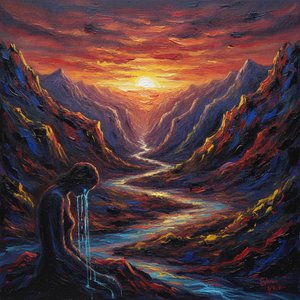
Capturing Emotion: A Journey Through the Soul of Expressionist Landscapes
Explore the profound emotional depth of Expressionist landscapes. Discover how Post-Impressionist masters moved beyond light to capture the soul through vibrant color and form. A curated journey for true art lovers seeking the beauty of expressive mastery.
استكشف الأعمال الفنية المصنفة حسب الموضوعات والأنماط والخصائص.


