


 معاينة الحجم الواقعي
 إرسال
إرسال مشاركة
 عرض التفاصيل
 دليل الأعمال الفنية للطلاب

 تحميل
تحميل
 قطع مشابهة
 الأشعة السينية
 عرض شرائح متتابع
 الإحصائيات
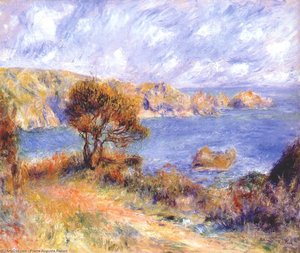
la corniche sun


Experience Claude Monet's 'La Corniche Sun'! This stunning oil painting captures a serene mountain landscape with vibrant colors and light, reflecting the Impressionist master’s unique style.
 اقرأ المزيد
استكشف عالم كلود مونيه، رائد الانطباعية الشهير بقدرته على تجسيد الضوء والألوان العابرة من خلال لوحاته الخالدة مثل 'زنابق الماء' و'أكوام القش'.
طباعة جيلي / مطبوعات فنية
طباعة جيكلي أو كانفاس بجودة المتاحف، مع سرعة في التنفيذ وخيارات متنوعة للتشطيب. ( اطلب نسخة مرسومة يدويًا التحويل إلى الصورة الرقمية)




P118B E£10

P118H E£10

P118W E£10

P438Z E£10

P508JH E£12

P508YH E£12

P805H E£10

P805Z E£10

P919BZ E£10

P919G E£10

P919XJ E£10

P959ZH E£10

P968JZ E£12

W106C E£8

W218G E£10

W218JH E£8

W218Y E£10

W307PJ E£10

W316G E£10

W316PJ E£8

W316Y E£10

W398PJ E£8

W4111J E£10

W500HY E£15

W500JH E£15

W692G E£12

W849H E£8

W940BG E£15

W953PJ E£8




مقاس قياسي
مخصص
CM
INCH
اختر من بين أحجامنا المُعدّة مسبقاً والتي تتوافق مع النسب الأصلية للعمل الفني.
Loading sizes...

العرض
الارتفاع
أدخل العرض والارتفاع اللذين تحتاجهما، ليتناسب مع إطارك أو جدارك. يمكن قص المطبوعة فقط، ولا يمكن أبداً جعلها أكبر من الصورة الأصلية، لذا فإن أي مقاس بشكل مختلف سيؤدي إلى فقدان جزء من الصورة. سنرسل لك نموذجاً رقمياً تجريبياً لاعتماده قبل البدء في عملية الطباعة. الصورة المعروضة في هذه الصفحة لا توضح القص الفعلي — النموذج التجريبي فقط هو ما يظهر ذلك.
توصيل عالمي إلى خلال أسبوعين بدلاً من المدة القياسية البالغة 4/5 أسابيع. (26 أكتوبر)

شحن سريع ومجاني لجميع أنحاء العالم

قماش كتان فاخر

تأمين شامل على الشحن

ضمان استرداد الرسوم الجمركية

ضمان دقة مطابقة الألوان

سياسة الإرجاع خلال 100 يوم (في حالات العيوب فقط)

ضمان استرداد نقدي بنسبة 100%

عرض خصم الكميات
 خيار الزجاج متاح فقط للمقاسات التي تقل عن 110 سم

la corniche sun
طباعة جيلي / مطبوعات فنية
مقاس النسخة المطبوعة
-


إجمالي السعر
E£ 3568
La Corniche Sun: A Glimpse of Monet’s Impressionistic Paradise
Claude Monet's La Corniche Sun isn’t merely a depiction of a landscape; it’s an immersion into the very essence of light and perception, a cornerstone of the Impressionist movement. This captivating oil painting reproduction, available on TopImpressionists.com, offers a profound window into Monet’s revolutionary approach to capturing the fleeting beauty of nature – a philosophy that fundamentally altered the course of art history. The scene unfolds in a sun-drenched valley nestled amongst rolling hills, a tranquil tableau punctuated by the gentle presence of two figures strolling along a dirt road, seemingly lost in the serenity of their surroundings. It’s a moment frozen in time, imbued with an atmosphere of peaceful contemplation and bathed in the golden hues of a late afternoon sun.
Monet's genius lay not just in his ability to render visual reality but in translating his *experience* of it onto canvas. He sought to capture the ‘impression’ of a scene – the way light dances, colors shift, and shadows play – rather than meticulously recreating every detail. This is vividly demonstrated here through Monet’s signature technique: short, broken brushstrokes applied with rapid succession. These strokes aren't meant to define forms precisely; instead, they create an overall sense of luminosity and movement, mimicking the way our eyes perceive light and color in a natural setting. Notice how he uses pure, unmixed colors placed side-by-side, allowing the viewer’s eye to blend them optically – a key element of Impressionism that creates a vibrant, shimmering effect.
The Artist and His Philosophy
Born Oscar-Claude Monet in 1840, Claude Monet was a pivotal figure in the development of Impressionist painting. His artistic journey began with a deep connection to nature, fostered by his mentor Eugène Boudin, who instilled in him the vital principle of “plein air” – painting outdoors directly from observation. This commitment to capturing immediate sensations profoundly influenced Monet’s work, driving him to reject the academic traditions of the time and embrace a more subjective, expressive approach. As documented on TopImpressionists.com, Monet's philosophy wasn’t simply about replicating what he saw; it was about conveying how he *felt* when he looked at the world – his emotions, his memories, his fleeting impressions.
Monet’s work resonated deeply with the intellectual and artistic currents of the late 19th century. He challenged established conventions by prioritizing personal perception over objective representation, paving the way for modern art movements that followed. His dedication to capturing the ephemeral qualities of light and color profoundly impacted artists like Renoir, Degas, and Pissarro, establishing Impressionism as a dominant force in the art world.
A Glimpse into Monet’s World
The painting's setting – a mountainous valley near Monaco – provides context for understanding Monet’s artistic choices. He frequently depicted landscapes he found inspiring, often returning to the same locations repeatedly to study their changing moods and atmospheric conditions. This dedication to observation is evident in his “Series” paintings, such as those of Rouen Cathedral, where he captured the same subject under vastly different lighting conditions throughout the year. La Corniche Sun, with its warm light and sense of tranquility, reflects Monet’s desire to capture a moment of idyllic beauty – a fleeting glimpse of harmony between humanity and nature.
Beyond its aesthetic qualities, the painting holds symbolic resonance. The two figures on the path suggest a connection to the natural world, inviting viewers to share in their peaceful contemplation. The sun itself acts as a unifying element, bathing the landscape in a radiant glow and symbolizing life, energy, and renewal. Interestingly, this scene was painted during a period of personal reflection for Monet, following the loss of his beloved wife Camille, suggesting an underlying theme of remembrance and solace.
Bringing Impressionism Home
TopImpressionists.com offers a remarkable opportunity to own a high-quality reproduction of La Corniche Sun, allowing you to bring this masterpiece into your home or office. These hand-painted reproductions faithfully capture the nuances of Monet’s brushwork and color palette, providing an authentic representation of his artistic vision. Considered alongside works like “Peupliers au bord de l'Epte Sun” and “Hôtel de Roches Noires, Trouville,” this painting exemplifies Monet’s enduring legacy as a master of light, color, and the evocative power of nature. For those interested in exploring Monet’s life and work further, the California Palace of the Legion of Honor provides an extensive collection of European art, including many examples of his celebrated oeuvre.
الأسئلة والأجوبة
هل "la corniche sun" للفنان كلود مونيه لوحة زيتية، أم رسم، أم مطبوعة؟
" la corniche sun " هي قطعة من نوع لوحات جدارية.
ما مقدار الضوء الذي تبدو ألوان "la corniche sun" عاكسة له؟
تتمتع لوحة "la corniche sun" للفنان كلود مونيه بدرجة سطوع تبلغ إضاءة هادئة. ويصف السطوع مقدار الضوء الذي تبدو الألوان عاكسة له.
هل يتوفر خيار التنزيل لـ "la corniche sun"؟
يتوفر خيار التنزيل لـ "la corniche sun": حيث توفر صفحة تحميل الخاصة بالعمل الفني تحميل صورة رقمية عالية الدقة.
أعمال فنية مشابهة




نبذة عن الفنان
حياة غارقة في الضوء: عالم كلود مونيه
أوسكار كلود مونيه، الاسم الذي أصبح مرادفاً للمدرسة الانطباعية، لم يكن مجرد رسام للمناظر الطبيعية؛ بل كان مؤرخاً للحظات العابرة، وشاعراً للضوء واللون. وُلد في باريس في الرابع عشر من نوفمبر عام 1840، واتخذت حياته المبكرة مساراً غير متوقع عندما انتقلت عائلته إلى لو هافر بنورماندي وهو في الخامسة من عمره. ورغم أن والده كان يخطط له مستقبلاً تجارياً، إلا أن موهبة كلود الفنية الفطرية سرعان ما ظهرت للعلن، وتجلت أولاً في رسومات كاريكاتورية بالفحم بيعت محلياً – مما عكس مهارته وروح المبادرة لديه. ومع ذلك، كان لقاؤه مع يوجين بودان هو نقطة التحول الجوهرية؛ فلم يعلم بودان مونيه كيف يرسم فحسب، بل غرس في وجدانه الفكرة الثورية بالرسم en plein air—أي الرسم في الهواء الطلق مباشرة من قلب الطبيعة—وهي الممارسة التي ستحدد ملامح رحلته الفنية بأكملها.
بدأ تدريب مونيه الرسمي في باريس، لفترة وجيزة في الأكاديمية السويسرية ثم تحت إشراف شارل جليير. وفي هذه الأروقة، نسج صداقات دامت طويلاً مع فنانين مثل أوغست رينوار، وهي رابطة بنيت على خيبات أمل فنية مشتركة ورغبة جامحة في التحرر من قيود الرسم الأكاديمي التقليدي. وعلى الرغم من أن أعماله المبكرة أظهرت براعة تقنية، إلا أنها كانت تفتقر إلى تلك البصمة المميزة التي ستشكل هويته لاحقاً. ثم تلت ذلك فترة من الاضطرابات؛ حيث أجبرت الحرب الفرنسية البروسية مونيه على اللجوء إلى لندن، وهناك انغمس في دراسة أعمال أساتذة المناظر الطبيعية الإنجليز مثل جيه دبليو تي تيرنر، ممتصاً تأثيراتهم الجوية واستخدامهم المبتكر للألوان.
ميلاد ثورة جمالية
عند عودته إلى فرنسا، برز مونيه كشخصية محورية في تمرد فني متصاعد. وبسبب عدم رضاه عن المعايير المحافظة لـ "الصالون"، اتحد مع فنانين آخرين يشاركونه الرؤية لتنظيم معارض مستقلة. وقد شكل معرض عام 1874 لحظة فارقة، ليس لمونيه فحسب، بل لعالم الفن بأسره؛ ففي هذا المعرض عُرضت لوحته "انطباع، شروق الشمس" (Impression, soleil levant) – وهي تصوير ضبابي لميناء لو هافر عند الفجر – ومن عنوان هذه اللوحة اشتُق المصطلح الساخر "الانطباعية". ومع ذلك، التصق الاسم بالفنانين، وتحول إلى وسام شرف لحركة سعت لالتقاط الانطباع الذاتي للمشهد بدلاً من تمثيله بدقة واقعية.
ازدهر أسلوب مونيه المميز خلال هذه الفترة: ضربات فرشاة حرة وواضحة، وألوان نابضة بالحياة وغالباً غير ممزوجة توضع جنباً إلى جنب (وهي تقنية تُعرف بـ "اللون المكسور")، مع تركيز لا يتزعزع على التقاط الخصائص الزائلة للضوء. لقد سعى بلا كلل وراء ممارسة الرسم في الهواء الطلق، حيث كان يعمل بسرعة لتدوين تصوراته اللحظية قبل أن تغير الظروف المتغيرة ملامح المشهد. لم يكن هذا التفاني مجرد محاولة لتصوير ما يراه، بل كان تعبيراً عما يشعر به تجاه ذلك المشهد – في خروج جذري عن التقاليد الفنية السائدة.
جيفيرني: فردوس الضوء والانعكاس
في عام 1883، استقر مونيه في جيفيرني، شمال غرب باريس، حيث أسس منزلاً وحديقة أصبحتا ملاذه ومصدر إلهامه الأعظم. لقد حول تلك الملكية بدقة متناهية إلى فردوس غني، يضم زهوراً غريبة، وأشجار الصفصاف الباكية، والأهم من ذلك، بركة زنابق الماء التي يتوسطها جسر ياباني شهير. لم تكن هذه مجرد حديقة للزينة؛ بل كانت مختبراً حياً حيث استطاع مونيه دراسة تأثيرات الضوء على الماء، وأوراق الشجر، والانعكاسات في ظروف مدروسة.
وقد كرس العقود الأخيرة من حياته بالكامل لرسم بركة زنابق الماء في جيفيرني. وانطلق في سلسلة "زنابق الماء" (Nymphéas) الملحمية، مبتكراً لوحات ضخمة صورت سطح البركة كنسيج متغير باستمرار من الألوان والضوء. لم تكن هذه مجرد لوحات للزهور؛ بل كانت تجارب غامرة، صُممت لتغمر المشاهد في عالم من الجمال الهادئ والسكون التأملي. إن حجم هذه الأعمال يحبس الأنفاس، حيث دفع حدود الرسم التقليدي واستشرف ملامح التعبيرية التجريدية.
الإرث: أثر خالد في تاريخ الفن
إن تأثير كلود مونيه على تاريخ الفن لا يمكن قياسه. فهو لم يكن مجرد مؤسس للانطباعية، بل غير بشكل جذري الطريقة التي يدرك بها الفنانون العالم من حولهم ويمثلونه. إن تركيزه على التجربة الذاتية، وتبنيه للرسم في الهواء الطلق، وتقنياته المبتكرة، قد مهدت الطريق لاستكشاف الفن الحديث للتجريد والأشكال غير التمثيلية.
حقق مونيه نجاحاً تجارياً كبيراً خلال حياته – وهو أمر نادر للفنانين الطليعيين في عصره. ولا تزال أعماله تلهم الوجدان وتأسر الجماهير في جميع أنحاء العالم، مما يرسخ مكانته كواحد من أهم الشخصيات في الفن الغربي. رحل عن عالمنا في 5 ديسمبر 1926، تاركاً وراءه إرثاً يتردد صداه عبر أجيال من الفنانين وعشاق الفن على حد سواء. وتُحفظ مجموعات هامة من روائعه في مؤسسات مرموقة مثل متحف أورساي ومتحف مارموتان مونيه في باريس، مما يضمن أن تظل رؤيته تنير العالم.
التقنيات الفنية الرئيسية
- <الرسم في الهواء الطلق: ركيزة أساسية في تطوره، سمحت له بالملاحظة المباشرة للضوء والجو المحيط.
- <اللون المكسور: وضع ضربات صغيرة من اللون الصافي جنباً إلى جنب لتحقيق المزج البصري.
- <رسم السلاسل: تصوير نفس الموضوع تحت ظروف إضاءة وطقس مختلفة – لإظهار القوة التحويلية للزمن والضوء.

كلود مونيه
1840 - 1926 , فرنسا
لمحة سريعة
- أعمال فنية بارزة:
- انطباع، شروق الشمس
- زنابق الماء
- حزم القش
- كاتدرائية روان
- الاسم الكامل: كلود مونيه
- الجنسية: فرنسي
- الحركة الفنية: الانطباعية
- تاريخ الميلاد: 14 نوفمبر 1840
- حركات فنية تأثرت به: ['الفن الحديث']
- فنانون أثروا فيه:
- يوجين بودان
- ويليام ترنر
- مكان الميلاد: باريس، فرنسا
مقالات ذات صلة

أعمال كلود مونيه الخالدة: 25 تحفة فنية تزين منزلك بجمال الانطباعية
اكتشف 25 تحفة فنية لكلود مونيه، رائد الانطباعية. استكشف قصص لوحاته الخالدة وتقنياته الفريدة وألوانه الساحرة. احصل على نسخ عالية الجودة لديكور منزلك الفاخر على TopImpressionists.com

أعلى 10 لوحات طبعت "المشهد الانطباعي": رحلة فنية في عالم الفن الراقي و الديكور
اكتشفوا 10 روائع فنية رسمت "المشهد الانطباعي"! رحلة في عالم مونيه، رينوار و بيسار. استلهموا ألوان الطبيعة و تقنيات الفنانين. ديكور منزلي راقي و لوحات زيتية مميزة. تسوقوا أعمالًا فنية أصيلة على TopImpressionists.com

Evocations of Place: A Historical Journey Through Landscape Art
Explore the rich history of landscape art with TopImpressionists. Discover renowned artists, movements like Impressionism & tonalism, and expert guidance for collecting timeless pieces. Find your perfect serene escape today!

Impressionism's Masterpieces: 10 Paintings That Defined a Movement | TopImpressionists
Journey through Impressionism's heart with 10 iconic paintings by Monet, Renoir & Degas. Explore light, color & the stories behind these masterpieces. Find museum-quality art reproductions and elevate your home decor on TopImpressionists.com.

Impressionistic Landscapes: 10 Masterpieces That Changed Art & Decor
Journey into the heart of Impressionism! Explore 10 masterpieces by Monet, Renoir & Degas that revolutionized landscape art. Discover their stories, techniques & find museum-quality reproductions to elevate your home decor on TopImpressionists.com.
استكشف الأعمال الفنية المصنفة حسب الموضوعات والأنماط والخصائص.


