

 معاينة الحجم الواقعي
 مشاركة
 مشاركة
 التفاصيل
 دليل
دليل

 تحميل الملف
 قطع مشابهة
 الأشعة السينية
 عرض شرائح
 الأسئلة والأجوبة
 الإحصائيات
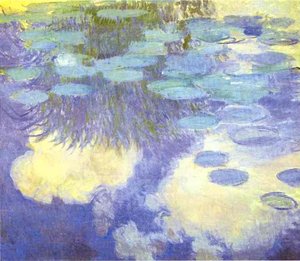
Nymphe


Experience Claude Monet's 'Nymphe,' a serene watercolor capturing lily pads and reflections in a tranquil pond. A timeless Impressionist masterpiece of light, color, and nature’s beauty.
 عرض المزيد
يُعد مونيه مؤسس الانطباعية واشتهر بسلسلة زنابق الماء. اكتشف مناظره الطبيعية الخلابة وألوانه النابضة بالحياة اليوم.
طباعة جيلي / مطبوعات فنية
طباعة جيكلي أو كانفاس بجودة المتاحف، مع سرعة في التنفيذ وخيارات متنوعة للتشطيب. ( شراء لوحة مرسومة يدويًا الانتقال إلى الصورة الرقمية)




P118B E£10

P118H E£10

P118W E£10

P438Z E£10

P508JH E£12

P508YH E£12

P805H E£10

P805Z E£10

P919BZ E£10

P919G E£10

P919XJ E£10

P959ZH E£10

P968JZ E£12

W106C E£8

W218G E£10

W218JH E£8

W218Y E£10

W307PJ E£10

W316G E£10

W316PJ E£8

W316Y E£10

W398PJ E£8

W4111J E£10

W500HY E£15

W500JH E£15

W692G E£12

W849H E£8

W940BG E£15

W953PJ E£8




قياسي
حسب الطلب
CM
INCH
اختر من بين أحجامنا المُعدّة مسبقاً والتي تتوافق مع النسب الأصلية للعمل الفني.
Loading sizes...

العرض
الارتفاع
أدخل العرض والارتفاع المطلوبين ليتناسب المقاس مع إطارك أو جدارك. يرجى الملاحظة أن المطبوعة يمكن قصها فقط ولا يمكن تكبيرها لتتجاوز أبعاد الصورة الأصلية، لذا فإن اختيار مقاس بأبعاد مختلفة سيؤدي إلى فقدان جزء من الصورة. سنرسل لك نموذجاً رقمياً تجريبياً لاعتماده قبل البدء في عملية الطباعة. الصورة المعروضة في هذه الصفحة لا توضح شكل القص الفعلي — النموذج التجريبي فقط هو ما يظهر ذلك بدقة.
توصيل عالمي إلى خلال أسبوعين بدلاً من المدة القياسية البالغة 4/5 أسابيع. (14 نوفمبر)

شحن سريع ومجاني لجميع أنحاء العالم

قماش كتان عالي الجودة

تأمين شامل على الشحن

ضمان استرداد الرسوم الجمركية

ضمان مطابقة الألوان الحقيقية

سياسة الإرجاع خلال 100 يوم (في حالات العيوب فقط)

ضمان استرداد نقدي بنسبة 100%

خصم عند طلب كميات
 خيار الزجاج متاح فقط للمقاسات التي تقل عن 110 سم

Nymphe
طباعة جيلي / مطبوعات فنية
مقاس النسخة المطبوعة
-


إجمالي السعر النهائي
E£ 3741
Nymphe by Claude Monet: A Symphony of Light and Reflection
Claude Monet’s “Nymphe” (1919) isn't merely a depiction of a pond; it’s an immersion into the very heart of Impressionism – a testament to Monet’s relentless pursuit of capturing fleeting moments of light and color. This painting, likely conceived during his mature period, offers a serene glimpse into Giverny’s famed water lily garden, yet transcends a simple landscape view. It's a meditation on reflection, tranquility, and the transformative power of nature as experienced through the artist’s uniquely sensitive eye.
The scene unfolds with an almost dreamlike quality. The dominant blues and greens of the water are punctuated by vibrant splashes of red – perhaps from the reflections of nearby foliage or the subtle hues of a distant bloom – creating a dynamic interplay that is characteristic of Monet's approach. Lily pads, rendered with loose, broken brushstrokes, float upon the surface, their textures suggesting movement and light shimmering across their edges. The careful placement of the bird in the upper right corner adds an element of life and observation, subtly drawing the viewer into the scene.
Monet’s Impressionistic Technique
Monet's mastery lies not just in his subject matter but in his technique. “Nymphe” exemplifies his signature *plein air* method – painting directly from nature, capturing the immediate impression of light and atmosphere rather than striving for photographic realism. Notice the short, choppy brushstrokes that define the water’s surface; they aren't blended to create a smooth illusion, but instead, deliberately retain their individual marks, conveying the shimmering effect of sunlight on water. This technique creates an almost vibrating sense of movement and luminosity, inviting the viewer to participate in Monet’s sensory experience.
The color palette is equally crucial. Monet wasn't interested in mixing colors on his palette to achieve a specific hue; instead, he layered pure pigments directly onto the canvas, allowing the eye to blend them optically. This creates a vibrant, luminous effect that is far more captivating than traditional, blended colors could ever be. The subtle gradations of tone and color contribute significantly to the painting’s overall atmosphere of peace and serenity.
Historical Context & Symbolism
Created in 1919, “Nymphe” reflects a pivotal moment in Monet's career. By this time, he had become one of the most celebrated figures of the Impressionist movement, having spent decades refining his approach to capturing light and color. The painting’s subject – the water lily garden at Giverny – was central to his artistic life, providing endless inspiration and a space for experimentation. The water lilies themselves have long been associated with purity, rebirth, and spiritual reflection, themes frequently explored in Impressionist art.
Interestingly, as highlighted by research from The Metropolitan Museum of Art, Monet’s decision to create this series was driven partly by commercial considerations – he sought to capitalize on the growing popularity of his water lily paintings. However, the passion evident in his description reveals a deeper commitment to capturing the beauty and essence of nature, a dedication that cemented his legacy as one of art history's most influential figures.
A Timeless Masterpiece for Your Space
TopImpressionists’s hand-painted reproductions of “Nymphe” offer an unparalleled opportunity to bring this iconic Impressionist masterpiece into your home or office. Each reproduction is created by skilled artisans, meticulously replicating Monet's technique and color palette with the highest level of detail and fidelity. Whether you are a seasoned art collector or simply seeking to add a touch of timeless beauty to your surroundings, “Nymphe” promises to be a captivating focal point – a constant reminder of the power and wonder of nature’s light.
الأسئلة والأجوبة
هل توجد أعمال فنية مشابهة لـ "Nymphe"؟
تجد الأعمال الفنية المشابهة لـ "Nymphe" للفنان كلود مونيه في صفحة أعمال مشابهة الخاصة بالعمل الفني.
ما هو الموضوع والأجواء التي يجمع بينها "Nymphe" للفنان كلود مونيه؟
تستعرض لوحة "Nymphe" موضوعات water lilies, landscape painting, french impressionism, floral composition, pond scene, light reflection, botanical art، وتجسد حالة من Serene.
ما هو اللون الطاغي الذي ينساب عبر "Nymphe" للفنان كلود مونيه؟
يتخلل اللون Green to Violet Spectrum أرجاء لوحة "Nymphe" للفنان كلود مونيه.
أعمال فنية ذات صلة



السيرة الذاتية للفنان
نشأة كلود مونيه، عائلته وتدريبه الفني
وُلد كلود مونيه في باريس بفرنسا، في الرابع عشر من نوفمبر عام 1840، ليدخل إلى عالمٍ تتصارع فيه التوقعات وتتباين المسارات. وبينما كان والده، كلود أدولف مونيه، يطمح لرسم مسار مهني أكثر استقراراً لابنه، كانت والدته، لويز جوستين أوبري مونيه، تمنحه دعماً هادئاً لميوله الإبداعية المتنامية. استقرت العائلة في نهاية المطاف في مدينة لو هافر بمنطقة نورماندي، حيث تركت الأجواء الساحلية أثراً لا يُمحى في وجدان الصبي الصغير. وقد تميزت هذه المرحلة من طفولته بموهبة مبكرة في الرسم، وهي المهارة التي ستدفعه في نهاية المطاف بعيداً عن المصالح التجارية التي كان يفضلها والده.
لكن المأساة قد طرقت الأبواب في يناير من عام 1857، حين كان مونيه في السادسة عشرة من عمره؛ إذ أدى رحيل والدته، لويز جوستين، إلى تحول مفاجئ في حياته الأسرية. أُرسل ليعيش مع عمته، ماري جين ليكادر، وهي أرملة كانت تتمتع بثروة طائلة ولم تكن لديها أطفال. وفر هذا الانتقال الاستقرار الضروري لتطوره الفني الرسمي. وخلال هذه السنوات التكوينية، التقى بـ يوجين بودان، الرجل الذي سيغير جذرياً نظرته إلى الغرض من الرسم؛ فقد عرّفه بودان على ممارسة الرسم في الهواء الطلق plein air، مشجعاً إياه على حمل أدواته إلى الطبيعة لتوثيق الواقع المباشر للعالم من حوله.
واستمر مسار تدريبه ضمن الأطر المنظمة في باريس، حيث سعى للحصول على التعليم في أكاديمية سويس، ودرس على يد الرسام الأكاديمي التاريخي شارل جليير. سمحت له هذه الفترة الدراسية بصقل قدراته التقنية، بينما كان يتلمس طريقه وسط التوتر القائم بين الأساليب الأكاديمية التقليدية والنهج القائم على الملاحظة العفوية الذي بدأ يميل إليه. إن سنوات التعليم والفقد الأولى هذه هي التي شكلت حجر الزاوية لمسيرة فنية اتسمت بالبحث الدائم عن الضوء والجو العام.
الحركة والأسلوب الانطباعي
باعتباره أحد المؤسسين للحركة الانطباعية الفرنسية، كان كلود مونيه بمثابة الممهد الرئيسي للحداثة الفنية. لقد كان الممارس الأكثر ثباتاً وإنتاجية للفلسفة الجوهرية لهذه الحركة، والتي سعت إلى التعبير عن إدراك الفرد للطبيعة وتفاعله معها. وقد تجلى هذا السعي من خلال الرسم في الهواء الطلق (plein air)، وهو أسلوب تطلب منه العمل مباشرة على لوحات ضخمة في مواجهة الطبيعة؛ حيث كان يعود غالباً إلى مرسمه لإعادة صياغة هذه الأعمال وإتمامها، ليخلق بذلك جسراً يربط بين الملاحظة المباشرة واللحظية في الخارج وبين البيئة المنضبطة داخل المرسم.
اعتمد نهجه التقني على استخدام ألوان نقية وغير وسيطة، مع توزيع غير متماثل للأشكال والكتل. وبدلاً من السعي وراء تمثيل ساكن وجامد، ابتكر طريقة فنية تقوم على رسم المشهد نفسه مرات عديدة، بهدف اقتناص التأثيرات المتغيرة للضوء وتعاقب الفصول. هذا البحث المتكرر سمح له بتوثيق الكيفية التي يغير بها الغلاف الجوي والطقس معالم موضوع واحد؛ فابتعد عمله عن الدقة الأكاديمية الصارمة، ليركز بدلاً من ذلك على الخصائص العابرة والزائلة للبيئة المحيطة.
- Impression, Sunrise (1873)
- The Road Bridge at Argenteuil (1874)
- The Walk. Lady with a Parasol (1875)
الحياة والأعمال في أرجنتوي
في عام 1871، انتقل كلود مونيه إلى أرجنتوي، تلك القرية الهادئة الرابضة شمال غرب باريس. مثلت هذه المرحلة تحولاً جوهرياً في مشهده الاجتماعي والإبداعي؛ فمع انضمام زملائه إليه في هذه القرية، ارتبطت المنطقة ارتباطاً وثيقاً بحركة الانطباعية الناشئة. لقد وفرت له هذه البيئة إيقاعاً مستقراً للحياة والضوء، وهو الإيقاع الذي صاغ ملامح معظم إنتاجه الفني خلال تلك السنوات.
كانت حياته الخاصة متشابكة بعمق مع ممارسته الفنية؛ فقد كانت زوجته الأولى، كاميل دونسيوز، حاضرةً دائمة في تكويناته الفنية، حيث كانت الملهمة والنموذج للوحاته التي تتناول الأشكال البشرية طوال ستينيات وسبعينيات القرن التاسع عشر. وفي ربيع عام 1872، وجه كلود مونيه بوصلته الفنية نحو المحيط المباشر لمنزله، فبدأ في رسم لوحات عديدة داخل حديقته الخاصة، حيث نجحت هذه الأعمال في تجسيد التحولات الموسمية للمناظر الطبيعية المحلية من خلال عدسة الملاحظة المباشرة.
- فصل الربيع (1872)
- نهر السين في أرجنتوي (حوالي 1874)
سنوات جيفيرني
في عام 1883، انتقل كلود مونيه إلى منزل وممتلكات في جيفيرني، تلك القرية الهادئة الواقعة شمال غرب باريس. لم تكن هذه الخطوة مجرد تغيير في السكن، بل كانت بداية إقامة دامت ثلاثة وأربعين عاماً، صاغت ملامح وجوده في سنواته الأخيرة. لم يكتفِ مونيه بالعيش في هذا المكان، بل أعاد تشكيله بفعالية، حيث شرع في مشروع ضخم لتنسيق الحدائق حول ممتلكاته، محولاً إياها إلى موضوع حيّ ينبض بالحياة. لقد كانت يداه منغمسة في زراعة الأرض بقدر انغماسهما في مزج الأصباغ؛ فزرع آلاف الزهور، وصمم بركة لزنابق الماء لتكون المحور البصري لتأملاته الفنية.
تحولت الحديقة إلى ملاذ للضوء والتحولات الموسمية، ومع اقتراب سنواته الأخيرة، وتحديداً في الـ 31 عاماً التي سبقت رحيله، انصب تركيزه الفني على تفاصيل هذه البيئة الفريدة. سعى بكل جوارحه إلى توثيق الطريقة التي يتفاعل بها الضوء مع الماء والنباتات، وغالباً ما كان يعمل مباشرة من قلب الحديقة ليلتقط الأحاسيس اللحظية للمشهد الطبيعي. اتسمت هذه الحقبة بتفانٍ مطلق تجاه الأجواء المتقلبة في ضيعته الخاصة، حيث بدأت الحدود الفاصلة بين الحديقة المنسقة واللوحة الفنية تتلاشى وتذوب في بعضها البعض.
- زنابق في حديقة مونيه (1900)
- ممر في حديقة مونيه في جيفيرني (1902)
- الجسر الياباني (1918)
الأعمال المحورية واللوحات المتسلسلة
تجسدت مساهمة كلود مونيه في تطور الفن الحديث من خلال عمل فني واحد صاغ، دون قصد، ملامح حركة فنية بأكملها. ففي عام 1873، قدمت لوحته انطباع، شروق الشمس الاسم الذي عُرفت به الحركة الانطباعية، رغم أن أسلوبها المتحرر وأشكالها غير المحددة بدت في البداية مثيرة للسخرية من قبل المؤسسات الفنية التقليدية. لقد كان هذا العمل بمثابة إعلان عن القطيعة مع التوقعات الصارمة لصالونات الفن، مفضلاً الإدراك البصري المباشر للضوء على اللمسات النهائية المصقولة التي كانت تفرضها التقاليد الأكاديمية.
ومع تقدم مسيرته الفنية، تحول تركيزه نحو الدراسة المتكررة لموضوع واحد، سعياً منه لالتقاط الفوارق الدقيقة والمتغيرة للضوء، والطقس، والزمن. وقد أتاحت له طريقة رسم "السلاسل" توثيق كيفية تحول المشهد الواحد تحت ظروف جوية مختلفة؛ حيث طبق هذا المنهج الدقيق في الملاحظة على موضوعات متنوعة، شملت أكوام القش، وكاتدرائيات روان، وأشجار الحور. ومن خلال هذه الدراسات، لم يكن يسعى لتصوير الشيء في ذاته فحسب، بل كان يطمح لتجسيد الهواء والضوء اللذين يحيطان به.
وقد تجلى هذا الشغف في أبهى صوره خلال سنواته الأخيرة في جيفيرني، حيث أنتج سلسلة هائلة تضم حوالي 250 لوحة زيتية بعنوان زنابق الماء (Nymphéas). ركزت هذه الأعمال على حديقة الزهور وبركة زنابق الماء، وغالباً ما كان يرسمها وهو يصارع ضعف بصره. وتمثل هذه السلسلة التزاماً عميقاً بكل ما هو عابر وزائل، في محاولة منه لتثبيت حركة المياه وانعكاس السحب على سطحها.
- انطباع، شروق الشمس (1873)
- زنابق الماء (Nymphéas)
دائرة الفنانين والتأثيرات
تشكل المسار الفني لـ كلود مونيه من خلال سلسلة من اللقاءات الحيوية والإرشادات التي دفعته بعيداً عن القيود الصارمة للتقاليد الأكاديمية. لقد تأثر تدريبه المبكر بشكل كبير بـ يوجين بودان، الذي عرفه على ممارسة الرسم في الهواء الطلق plein air. هذا التركيز على العمل في الطبيعة المفتوحة أتاح له مراقبة التأثيرات المباشرة للضوء على المناظر الطبيعية، وهو الأسلوب الذي سيحدد ملامح مسيرته المهنية بأكملها. كما استلهم من رسام المناظر الطبيعية الهولندي يوهان يونغكيند، الذي ساعد نهجه في التعامل مع الطبيعة على صقل رؤيته للعالم الطبيعي.
وفي مراسم باريس، تعزز تطوره الفني من خلال رفقة أقرانه الذين سيصبحون ركائز أساسية في تطور الرسم الحديث. فبينما كان يدرس تحت إشراف شارل جليير في أكاديمية سويس، كان زميلاً لأوغست رينوار، إلى جانب فريدريك بازيل و كاميل بيسارو. لم تكن هذه الصداقات مجرد روابط اجتماعية عابرة، بل كانت الأسس لتمرد مشترك ضد "الصالون" التقليدي القائم. وطوال مسيرته، عمل وعرض أعماله جنباً إلى جنب مع شخصيات بارزة مثل إدغار ديغا و إدوارد مانيه، مما ساهم في إحداث تحول جماعي في كيفية إدراك الضوء والجو العام على سطح اللوحة.
- انطباع، شروق الشمس (1873)
- الجسر الياباني (1918)
- زنابق الماء (Nymphéas) (1906)
السنوات الأخيرة والرحيل
كانت العقود الأخيرة من حياة كلود مونيه متشابكة بعمق مع تلك الطبيعة التي عكف على رعايتها وتشكيلها بدقة متناهية. ففي عام 1892، تزوج من أليس هوشيدي، في اتحاد منح حياته نوعاً من الاستقرار بينما كان يواصل دراساته المهووسة بالضوء والجو العام. وقد انصب تركيزه تدريجياً نحو حديقة المياه في جيفيرني، حيث أصبح التفاعل الساحر بين الانعكاسات والنباتات هو شغله الشاغل. تميزت هذه الفترة بسعي دؤوب وراء كل ما هو عابر وزائل، حيث كان يصارع التحديات الجسدية المتمثلة في ضعف بصره، محاولاً بكل إصرار التقاط الفوارق الدقيقة والمتغيرة في محيطه.
ومع اقتراب رحيله، اتسعت آفاق رؤيته الفنية؛ إذ انتقل نحو الأعمال الضخمة التي تسعى لاحتواء المشاهد وإغراقه في تفاصيلها، ولا سيما من خلال سلسلته الشهيرة للوحات زنابق الماء. لم تكن تلك الأعمال مجرد تصوير لبحيرة، بل كانت محاولات فنية لتدوين فعل الإدراك البصري ذاته. وفي الخامس من ديسمبر عام 1926، ودّعنا كلود مونيه، تاركاً وراءه إرثاً فنياً غيّر بشكل جذري الطريقة التي نرى بها الطبيعة على قماش الرسم.
ولم يكتمل انتقال إرثه من الحياة الشخصية إلى الحضور العام إلا بعد رحيله بفترة وجيزة؛ ففي مايو من عام 1927، فتح متحف الأورانجري أبوابه للجمهور، ليمنح جدارياته الضخمة موطناً دائماً. لقد صُمم هذا الفضاء ليحتفي بذلك الجو الخاص والفريد الذي قضى سنواته الأخيرة يحاول ترجمته عبر ريشته وألوانه.
الإرث والتأثير العالمي
توسع تأثير كلود مونيه بشكل ملحوظ خلال النصف الثاني من القرن العشرين، مع تنامي حضوره في الوعي العالمي. ويظل مونيه عملاقاً لا يُنازع في عالم الانطباعية، بصفته الشخصية المحورية في الحركة التي أحدثت تحولاً جذرياً في فن الرسم الفرنسي خلال النصف الثاني من القرن التاسع عشر. إن نهجه في التعامل مع الضوء والجو العام قد غيّر بشكل جوهري كيفية إدراك الرسامين للعالم الطبيعي، مبتعداً عن الجمود الأكاديمي نحو تجربة حسية أكثر فورية ومباشرة للمناظر الطبيعية.
لقد أنتج تركيزه في أواخر مسيرته الفنية على لوحات زنابق الماء مجموعة من الأعمال التي تُعد من بين الأكثر شهرة واحتفاءً في القرن العشرين. هذه الأعمال، التي تميزت غالباً بضخامة حجمها وتركيزها على الانعكاسات داخل حديقته في جيفيرني، تجاوزت كونها مجرد مناظر طبيعية لتستكشف جوهر الإدراك البصري ذاته. ومن خلال توثيق الخصائص المتغيرة للضوء عبر الدراسة المتكررة، قدم مونيه مخططاً توجيهياً للحداثة، ملهمًا أجيالاً من الفنانين الذين سعوا جاهدين لالتقاط الطبيعة الزائلة للرؤية واللون.

كلود مونيه
1840 - 1926 , فرنسا
حقائق سريعة
- أعمال فنية بارزة:
- انطباع، شروق الشمس
- زنابق الماء
- أكوام القش
- كاتدرائية روان
- الاسم الكامل: أوسكار كلود مونيه
- الجنسية: فرنسي
- الحركة الفنية أو الأسلوب: الانطباعية
- الفنانون أو الحركات التي تأثرت بهذا الفنان: ['الحداثة']
- الفنانون الذين أثروا في هذا الفنان:
- يوجين بودان
- يوهان يونغكيند
- تاريخ الميلاد: 1840
- تاريخ الوفاة: 1926
- مكان الميلاد: باريس، فرنسا
مقالات ذات صلة
Where Water Meets Light: Discovering the Ethereal Beauty of Impressionist Harbors and Maritime Masterpieces
Immerse yourself in the ethereal beauty of Impressionist harbors. Discover how masters like Claude Monet captured light and water, and bring that luminous magic into your home with our exquisite, hand-painted oil reproductions. Experience museum-quality art curated for true enthusiasts.

Claude Monet’s Giverny: The Living Canvas of Impressionist Light and Water
Explore the luminous world of Monet's Giverny through expert historical insight. Step into his living canvas today.

Mirrors of Light: Capturing the Magic of Reflections in Impressionist Masterpieces
Embark on a visual journey through the luminous world of Impressionism. Discover how masters like Claude Monet captured the magic of reflections and light, and learn how to bring this timeless, hand-painted elegance into your home with our museum-quality oil reproductions.

Mastering Light: The 25 Most Iconic Claude Monet Paintings
Immerse yourself in the luminous world of Claude Monet. Explore 25 iconic Impressionist masterpieces, from water lilies to sunrise landscapes. Find inspiration and museum-quality art reproductions for your home. Discover all masterpieces on TopImpressionists.com.

Timeless Treasures: Why a Hand-Painted Impressionist Masterpiece is the Ultimate Birthday Gift
Discover why a hand-painted Impressionist masterpiece is the ultimate birthday gift. From Monet-inspired landscapes to custom portraits, explore the timeless elegance of bespoke oil reproductions designed to become cherished family heirlooms.
استكشف الأعمال الفنية المصنفة حسب الموضوعات والأنماط والخصائص.


