


 معاينة الحجم الواقعي
 إرسال
إرسال مشاركة
 عرض التفاصيل
 دليل الأعمال الفنية للطلاب

 تحميل
تحميل
 قطع مشابهة
 الأشعة السينية
 عرض شرائح متتابع
 الإحصائيات
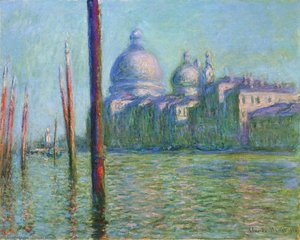
The Grand Canal


Experience Claude Monet's 'The Grand Canal,' a vibrant depiction of Venice’s iconic waterway. Capturing light and atmosphere, this Impressionist masterpiece showcases the beauty of the city.
 اقرأ المزيد
استكشف عالم كلود مونيه، رائد الانطباعية الشهير بقدرته على تجسيد الضوء والألوان العابرة من خلال لوحاته الخالدة مثل 'زنابق الماء' و'أكوام القش'.
طباعة جيلي / مطبوعات فنية
طباعة جيكلي أو كانفاس بجودة المتاحف، مع سرعة في التنفيذ وخيارات متنوعة للتشطيب. ( اطلب نسخة مرسومة يدويًا التحويل إلى الصورة الرقمية)




P118B E£10

P118H E£10

P118W E£10

P438Z E£10

P508JH E£12

P508YH E£12

P805H E£10

P805Z E£10

P919BZ E£10

P919G E£10

P919XJ E£10

P959ZH E£10

P968JZ E£12

W106C E£8

W218G E£10

W218JH E£8

W218Y E£10

W307PJ E£10

W316G E£10

W316PJ E£8

W316Y E£10

W398PJ E£8

W4111J E£10

W500HY E£15

W500JH E£15

W692G E£12

W849H E£8

W940BG E£15

W953PJ E£8




مقاس قياسي
مخصص
CM
INCH
اختر من بين أحجامنا المُعدّة مسبقاً والتي تتوافق مع النسب الأصلية للعمل الفني.
Loading sizes...

العرض
الارتفاع
أدخل العرض والارتفاع اللذين تحتاجهما، ليتناسب مع إطارك أو جدارك. يمكن قص المطبوعة فقط، ولا يمكن أبداً جعلها أكبر من الصورة الأصلية، لذا فإن أي مقاس بشكل مختلف سيؤدي إلى فقدان جزء من الصورة. سنرسل لك نموذجاً رقمياً تجريبياً لاعتماده قبل البدء في عملية الطباعة. الصورة المعروضة في هذه الصفحة لا توضح القص الفعلي — النموذج التجريبي فقط هو ما يظهر ذلك.
توصيل عالمي إلى خلال أسبوعين بدلاً من المدة القياسية البالغة 4/5 أسابيع. (27 أكتوبر)

شحن سريع ومجاني لجميع أنحاء العالم

قماش كتان فاخر

تأمين شامل على الشحن

ضمان استرداد الرسوم الجمركية

ضمان دقة مطابقة الألوان

سياسة الإرجاع خلال 100 يوم (في حالات العيوب فقط)

ضمان استرداد نقدي بنسبة 100%

عرض خصم الكميات
 خيار الزجاج متاح فقط للمقاسات التي تقل عن 110 سم

The Grand Canal
طباعة جيلي / مطبوعات فنية
مقاس النسخة المطبوعة
-


إجمالي السعر
E£ 3592
The Grand Canal’s Shimmering Embrace: Monet's Venetian Reverie
Claude Monet’s “The Grand Canal,” painted in 1908 during a fleeting visit to Venice, isn’t merely a depiction of a waterway; it’s an immersion into the very soul of light and atmosphere. Captured at a pivotal moment in his career – a time when he was wrestling with the challenges of translating the ephemeral effects of light onto canvas – this work embodies Monet's radical Impressionist philosophy: to paint not what the eye *sees*, but what the eye *feels*. The painting, a cornerstone of his Venetian series, reveals a profound shift in his approach, moving beyond simple representation towards an exploration of color and its transformative power. It’s a testament to how a single location, viewed through the lens of a master's perception, can become a universe of shimmering sensations.
The scene unfolds with remarkable immediacy. A broad expanse of water dominates the composition, reflecting the vibrant hues of the Venetian sky and buildings in a dazzling dance of light and color. A dozen gondolas, rendered as dark silhouettes against the luminous backdrop, glide along the canal’s surface, their presence subtly suggesting the bustling life that teemed beneath the city's elegant facade. Prominently featured is the Santa Maria della Salute church, its iconic dome rising majestically above the scene – a beacon of faith and architectural grandeur. Monet doesn’t attempt to meticulously recreate every detail; instead, he strategically simplifies forms, prioritizing the play of light and shadow, and the overall impression of movement and atmosphere. The clock tower, a key element in the composition, adds a vertical anchor, drawing the eye upwards and emphasizing the vastness of the sky.
Monet’s Impressionist TechniqueMonet's brushstrokes are loose and visible, characteristic of the Impressionist style. He employed short, broken strokes of pure color – a technique he developed to capture the fleeting effects of light on surfaces. Notice how he uses complementary colors—blues and oranges, greens and reds—to create visual excitement and depth. The painting is built up layer by layer, with each stroke contributing to the overall luminosity. He deliberately avoided blending colors on his palette, allowing them to mingle optically when applied to the canvas, creating a vibrant, almost iridescent effect. This technique was revolutionary at the time, challenging traditional academic painting methods that emphasized smooth transitions and realistic detail.
- Color Palette: Dominated by blues, greens, yellows, and oranges – reflecting the Venetian light.
- Brushwork: Loose, broken strokes of pure color, creating a sense of movement and vibrancy.
- Light & Shadow: Monet masterfully captures the interplay of sunlight and shadow, emphasizing the shimmering reflections on the water’s surface.
A Window into Venice – Context and Symbolism
Monet's Venetian journey was a significant departure from his usual landscapes of France. He initially expressed reservations about painting Venice, describing it as “too beautiful to be painted,” yet he couldn’t resist its allure. This trip coincided with a period of intense experimentation for Monet, driven by his desire to capture the essence of light and atmosphere in a more systematic way. The Venetian series became a crucial part of this exploration, allowing him to study how light transformed the same scene at different times of day and under varying weather conditions.
Beyond its purely visual appeal, “The Grand Canal” is rich with symbolism. The church of Santa Maria della Salute, standing proudly on the horizon, represents faith and spiritual aspiration – a powerful contrast to the fleeting beauty of the natural world that Monet sought to capture. The gondolas themselves evoke images of Venetian romance and tradition, while the water symbolizes fluidity, change, and the passage of time. The painting can be interpreted as a meditation on the relationship between art, nature, and human experience.
Monet’s Legacy – A Timeless Masterpiece
“The Grand Canal” is more than just a beautiful painting; it's a pivotal work in the history of modern art. Monet’s innovative use of color and light paved the way for subsequent generations of Impressionist and Post-Impressionist painters, including Van Gogh, Renoir, and Cézanne. His emphasis on capturing fleeting moments and subjective perceptions profoundly influenced the course of Western art.
Today, reproductions of “The Grand Canal” continue to captivate audiences worldwide, offering a glimpse into Monet’s extraordinary vision. Its shimmering colors, dynamic composition, and evocative atmosphere evoke a sense of wonder and transport viewers to the heart of Venice. Whether displayed in a grand salon or a cozy corner, this masterpiece serves as a reminder of the power of art to transform our perception of the world around us.
Further Information: For high-resolution images and detailed information about Claude Monet’s “The Grand Canal,” please visit TopImpressionists.com.
الأسئلة والأجوبة
هل ألوان "The Grand Canal" للفنان كلود مونيه مشبعة أم خافتة؟
تتميز لوحة "The Grand Canal" للفنان كلود مونيه بدرجة تشبع تبلغ Subtle Color.
من هو الفنان وما هو الأسلوب الذي يجسده العمل "The Grand Canal"؟
أبدع كلود مونيه لوحة "The Grand Canal" بأسلوب Impressionism. ويحدد الفنان والمدرسة الفنية التراث الذي ينتمي إليه هذا العمل.
ما هي الغرفة التي يُنصح بوضع "The Grand Canal" للفنان كلود مونيه فيها؟
يُنصح بوضع "The Grand Canal" للفنان كلود مونيه في Living Room. يعتمد هذا الاقتراح على موضوع العمل وألوانه وأجوائه العامة.
أعمال فنية مشابهة




نبذة عن الفنان
حياة غارقة في الضوء: عالم كلود مونيه
أوسكار كلود مونيه، الاسم الذي أصبح مرادفاً للمدرسة الانطباعية، لم يكن مجرد رسام للمناظر الطبيعية؛ بل كان مؤرخاً للحظات العابرة، وشاعراً للضوء واللون. وُلد في باريس في الرابع عشر من نوفمبر عام 1840، واتخذت حياته المبكرة مساراً غير متوقع عندما انتقلت عائلته إلى لو هافر بنورماندي وهو في الخامسة من عمره. ورغم أن والده كان يخطط له مستقبلاً تجارياً، إلا أن موهبة كلود الفنية الفطرية سرعان ما ظهرت للعلن، وتجلت أولاً في رسومات كاريكاتورية بالفحم بيعت محلياً – مما عكس مهارته وروح المبادرة لديه. ومع ذلك، كان لقاؤه مع يوجين بودان هو نقطة التحول الجوهرية؛ فلم يعلم بودان مونيه كيف يرسم فحسب، بل غرس في وجدانه الفكرة الثورية بالرسم en plein air—أي الرسم في الهواء الطلق مباشرة من قلب الطبيعة—وهي الممارسة التي ستحدد ملامح رحلته الفنية بأكملها.
بدأ تدريب مونيه الرسمي في باريس، لفترة وجيزة في الأكاديمية السويسرية ثم تحت إشراف شارل جليير. وفي هذه الأروقة، نسج صداقات دامت طويلاً مع فنانين مثل أوغست رينوار، وهي رابطة بنيت على خيبات أمل فنية مشتركة ورغبة جامحة في التحرر من قيود الرسم الأكاديمي التقليدي. وعلى الرغم من أن أعماله المبكرة أظهرت براعة تقنية، إلا أنها كانت تفتقر إلى تلك البصمة المميزة التي ستشكل هويته لاحقاً. ثم تلت ذلك فترة من الاضطرابات؛ حيث أجبرت الحرب الفرنسية البروسية مونيه على اللجوء إلى لندن، وهناك انغمس في دراسة أعمال أساتذة المناظر الطبيعية الإنجليز مثل جيه دبليو تي تيرنر، ممتصاً تأثيراتهم الجوية واستخدامهم المبتكر للألوان.
ميلاد ثورة جمالية
عند عودته إلى فرنسا، برز مونيه كشخصية محورية في تمرد فني متصاعد. وبسبب عدم رضاه عن المعايير المحافظة لـ "الصالون"، اتحد مع فنانين آخرين يشاركونه الرؤية لتنظيم معارض مستقلة. وقد شكل معرض عام 1874 لحظة فارقة، ليس لمونيه فحسب، بل لعالم الفن بأسره؛ ففي هذا المعرض عُرضت لوحته "انطباع، شروق الشمس" (Impression, soleil levant) – وهي تصوير ضبابي لميناء لو هافر عند الفجر – ومن عنوان هذه اللوحة اشتُق المصطلح الساخر "الانطباعية". ومع ذلك، التصق الاسم بالفنانين، وتحول إلى وسام شرف لحركة سعت لالتقاط الانطباع الذاتي للمشهد بدلاً من تمثيله بدقة واقعية.
ازدهر أسلوب مونيه المميز خلال هذه الفترة: ضربات فرشاة حرة وواضحة، وألوان نابضة بالحياة وغالباً غير ممزوجة توضع جنباً إلى جنب (وهي تقنية تُعرف بـ "اللون المكسور")، مع تركيز لا يتزعزع على التقاط الخصائص الزائلة للضوء. لقد سعى بلا كلل وراء ممارسة الرسم في الهواء الطلق، حيث كان يعمل بسرعة لتدوين تصوراته اللحظية قبل أن تغير الظروف المتغيرة ملامح المشهد. لم يكن هذا التفاني مجرد محاولة لتصوير ما يراه، بل كان تعبيراً عما يشعر به تجاه ذلك المشهد – في خروج جذري عن التقاليد الفنية السائدة.
جيفيرني: فردوس الضوء والانعكاس
في عام 1883، استقر مونيه في جيفيرني، شمال غرب باريس، حيث أسس منزلاً وحديقة أصبحتا ملاذه ومصدر إلهامه الأعظم. لقد حول تلك الملكية بدقة متناهية إلى فردوس غني، يضم زهوراً غريبة، وأشجار الصفصاف الباكية، والأهم من ذلك، بركة زنابق الماء التي يتوسطها جسر ياباني شهير. لم تكن هذه مجرد حديقة للزينة؛ بل كانت مختبراً حياً حيث استطاع مونيه دراسة تأثيرات الضوء على الماء، وأوراق الشجر، والانعكاسات في ظروف مدروسة.
وقد كرس العقود الأخيرة من حياته بالكامل لرسم بركة زنابق الماء في جيفيرني. وانطلق في سلسلة "زنابق الماء" (Nymphéas) الملحمية، مبتكراً لوحات ضخمة صورت سطح البركة كنسيج متغير باستمرار من الألوان والضوء. لم تكن هذه مجرد لوحات للزهور؛ بل كانت تجارب غامرة، صُممت لتغمر المشاهد في عالم من الجمال الهادئ والسكون التأملي. إن حجم هذه الأعمال يحبس الأنفاس، حيث دفع حدود الرسم التقليدي واستشرف ملامح التعبيرية التجريدية.
الإرث: أثر خالد في تاريخ الفن
إن تأثير كلود مونيه على تاريخ الفن لا يمكن قياسه. فهو لم يكن مجرد مؤسس للانطباعية، بل غير بشكل جذري الطريقة التي يدرك بها الفنانون العالم من حولهم ويمثلونه. إن تركيزه على التجربة الذاتية، وتبنيه للرسم في الهواء الطلق، وتقنياته المبتكرة، قد مهدت الطريق لاستكشاف الفن الحديث للتجريد والأشكال غير التمثيلية.
حقق مونيه نجاحاً تجارياً كبيراً خلال حياته – وهو أمر نادر للفنانين الطليعيين في عصره. ولا تزال أعماله تلهم الوجدان وتأسر الجماهير في جميع أنحاء العالم، مما يرسخ مكانته كواحد من أهم الشخصيات في الفن الغربي. رحل عن عالمنا في 5 ديسمبر 1926، تاركاً وراءه إرثاً يتردد صداه عبر أجيال من الفنانين وعشاق الفن على حد سواء. وتُحفظ مجموعات هامة من روائعه في مؤسسات مرموقة مثل متحف أورساي ومتحف مارموتان مونيه في باريس، مما يضمن أن تظل رؤيته تنير العالم.
التقنيات الفنية الرئيسية
- <الرسم في الهواء الطلق: ركيزة أساسية في تطوره، سمحت له بالملاحظة المباشرة للضوء والجو المحيط.
- <اللون المكسور: وضع ضربات صغيرة من اللون الصافي جنباً إلى جنب لتحقيق المزج البصري.
- <رسم السلاسل: تصوير نفس الموضوع تحت ظروف إضاءة وطقس مختلفة – لإظهار القوة التحويلية للزمن والضوء.

كلود مونيه
1840 - 1926 , فرنسا
لمحة سريعة
- أعمال فنية بارزة:
- انطباع، شروق الشمس
- زنابق الماء
- حزم القش
- كاتدرائية روان
- الاسم الكامل: كلود مونيه
- الجنسية: فرنسي
- الحركة الفنية: الانطباعية
- تاريخ الميلاد: 14 نوفمبر 1840
- حركات فنية تأثرت به: ['الفن الحديث']
- فنانون أثروا فيه:
- يوجين بودان
- ويليام ترنر
- مكان الميلاد: باريس، فرنسا
مقالات ذات صلة

Capturing Light: The Revolution of Impressionism and the Enduring Legacy of Claude Monet
Explore the revolutionary history of Impressionism and the luminous legacy of Claude Monet. Discover how his mastery of light and color redefined modern art through an expert-led journey into the heart of 19th-century France.

أعلى 10 لوحات طبعت "المشهد الانطباعي": رحلة فنية في عالم الفن الراقي و الديكور
اكتشفوا 10 روائع فنية رسمت "المشهد الانطباعي"! رحلة في عالم مونيه، رينوار و بيسار. استلهموا ألوان الطبيعة و تقنيات الفنانين. ديكور منزلي راقي و لوحات زيتية مميزة. تسوقوا أعمالًا فنية أصيلة على TopImpressionists.com

أروع 25 لوحة في متحف أورسيه: رحلة فنية بين انطباعية وما بعد انطباعية
اكتشف أروع 25 لوحة في متحف أورسيه الباريسي! رحلة آسرة مع مونيه، فان جوخ، ورينوار. استلهم ديكور منزلك بأعمال فنية كلاسيكية وانطباعية. احصل على نسخ عالية الجودة من TopImpressionists.com.

أعمال كلود مونيه الخالدة: 25 تحفة فنية تزين منزلك بجمال الانطباعية
اكتشف 25 تحفة فنية لكلود مونيه، رائد الانطباعية. استكشف قصص لوحاته الخالدة وتقنياته الفريدة وألوانه الساحرة. احصل على نسخ عالية الجودة لديكور منزلك الفاخر على TopImpressionists.com

Impressionistic Landscapes: 10 Masterpieces That Changed Art & Decor
Journey into the heart of Impressionism! Explore 10 masterpieces by Monet, Renoir & Degas that revolutionized landscape art. Discover their stories, techniques & find museum-quality reproductions to elevate your home decor on TopImpressionists.com.
استكشف الأعمال الفنية المصنفة حسب الموضوعات والأنماط والخصائص.


