

 معاينة الحجم الواقعي
 مشاركة
 مشاركة
 التفاصيل
 دليل
دليل

 تحميل الملف
 قطع مشابهة
 الأشعة السينية
 عرض شرائح
 الأسئلة والأجوبة
 الإحصائيات
untitled (6551)


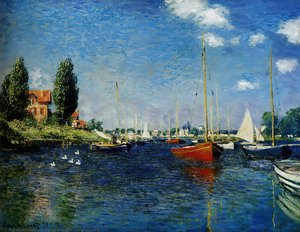
Experience the brilliance of Claude Monet's 'Untitled (6551)' – a captivating harbor scene rendered in his signature Impressionistic style. Hand-painted reproductions available.
 عرض المزيد
اشتهر رائد الانطباعية كلود مونيه بسلسلة زنابق الماء. اكتشف جمال مناظره الطبيعية المفعمة بالضوء اليوم.
طباعة جيلي / مطبوعات فنية
طباعة جيكلي أو كانفاس بجودة المتاحف، مع سرعة في التنفيذ وخيارات متنوعة للتشطيب. ( شراء لوحة مرسومة يدويًا الانتقال إلى الصورة الرقمية)




P118B E£10

P118H E£10

P118W E£10

P438Z E£10

P508JH E£12

P508YH E£12

P805H E£10

P805Z E£10

P919BZ E£10

P919G E£10

P919XJ E£10

P959ZH E£10

P968JZ E£12

W106C E£8

W218G E£10

W218JH E£8

W218Y E£10

W307PJ E£10

W316G E£10

W316PJ E£8

W316Y E£10

W398PJ E£8

W4111J E£10

W500HY E£15

W500JH E£15

W692G E£12

W849H E£8

W940BG E£15

W953PJ E£8




قياسي
حسب الطلب
CM
INCH
اختر من بين أحجامنا المُعدّة مسبقاً والتي تتوافق مع النسب الأصلية للعمل الفني.
Loading sizes...

العرض
الارتفاع
أدخل العرض والارتفاع المطلوبين ليتناسب المقاس مع إطارك أو جدارك. يرجى الملاحظة أن المطبوعة يمكن قصها فقط ولا يمكن تكبيرها لتتجاوز أبعاد الصورة الأصلية، لذا فإن اختيار مقاس بأبعاد مختلفة سيؤدي إلى فقدان جزء من الصورة. سنرسل لك نموذجاً رقمياً تجريبياً لاعتماده قبل البدء في عملية الطباعة. الصورة المعروضة في هذه الصفحة لا توضح شكل القص الفعلي — النموذج التجريبي فقط هو ما يظهر ذلك بدقة.
توصيل عالمي إلى خلال أسبوعين بدلاً من المدة القياسية البالغة 4/5 أسابيع. (10 نوفمبر)

شحن سريع ومجاني لجميع أنحاء العالم

قماش كتان عالي الجودة

تأمين شامل على الشحن

ضمان استرداد الرسوم الجمركية

ضمان مطابقة الألوان الحقيقية

سياسة الإرجاع خلال 100 يوم (في حالات العيوب فقط)

ضمان استرداد نقدي بنسبة 100%

خصم عند طلب كميات
 خيار الزجاج متاح فقط للمقاسات التي تقل عن 110 سم

untitled (6551)
طباعة جيلي / مطبوعات فنية
مقاس النسخة المطبوعة
-


إجمالي السعر النهائي
E£ 3673
The Shimmering Embrace of Trouville Harbor – A Monet Masterpiece
Claude Monet’s “Untitled (6551),” a captivating depiction of the harbor at Trouville, France, isn't merely a landscape; it’s an immersive experience. Painted around 1874, during the nascent stages of Impressionism, this work embodies the movement’s revolutionary approach to capturing fleeting moments and subjective perceptions of light and color. It represents a pivotal shift away from the rigid academic traditions that dominated art at the time, embracing instead the artist's immediate sensory response to the world around him.
The scene unfolds with remarkable immediacy. Monet masterfully utilizes loose, broken brushstrokes—a hallmark of his technique—to render the boats and their reflections on the water’s surface. These aren’t sharply defined forms but rather a vibrant dance of color and texture, suggesting movement and fluidity. Notice how he doesn't meticulously detail every hull or sail; instead, he focuses on the *impression* of these elements, prioritizing the overall atmosphere and the play of light upon them. The sky, rendered in soft blues and grays, contributes to the painting’s slightly melancholic yet serene mood – a characteristic often found in Monet’s works reflecting his personal reflections.
Impressionism: A Revolution in Perception
To truly appreciate “Untitled (6551),” one must understand the context of Impressionism. Emerging in late 19th-century France, this movement sought to break free from the constraints of traditional art academies and their emphasis on precise representation. Artists like Monet were driven by a desire to capture not just what they *saw*, but how they *felt* – the ephemeral qualities of light, color, and atmosphere. Monet’s approach was profoundly influenced by Eugène Boudin, who instilled in him the crucial practice of plein air painting—working directly outdoors to observe and record nature's immediate effects.
The painting exemplifies this philosophy perfectly. Monet wasn’t interested in creating a photographic likeness; he aimed to convey the *feeling* of being present at Trouville, experiencing the warmth of the sun on his skin, the scent of the sea air, and the gentle lapping of waves against the shore. This focus on subjective experience is what distinguishes Impressionism from earlier artistic styles.
Monet’s Technique: Light, Color, and Broken Brushstrokes
Monet's technique in “Untitled (6551)” is a testament to his innovative approach. He employed a layering of thin washes of paint—often applied directly onto the canvas—allowing the underlying surface to peek through. This creates a sense of transparency and luminosity, as if the colors themselves are radiating light. The broken brushstrokes aren’t haphazard; they're carefully considered, designed to capture the shimmering reflections on the water and the subtle shifts in color caused by changing light conditions.
Observe how he uses complementary colors—such as blues and oranges—to intensify the visual impact of the scene. These juxtapositions create a vibrant energy that draws the eye across the canvas, inviting the viewer to lose themselves in the details of the harbor. The subtle variations in tone and hue contribute to the painting’s overall sense of depth and atmosphere.
Symbolism and Emotional Resonance
Beyond its technical brilliance, “Untitled (6551)” resonates with a quiet emotional depth. The scene evokes a feeling of peaceful contemplation—a moment of respite from the bustle of everyday life. The boats themselves can be interpreted as symbols of movement, connection, and perhaps even nostalgia. The cloudy sky adds to this sense of introspection, suggesting a subtle melancholy that underlies the painting’s beauty.
Monet's ability to capture such nuanced emotions through his masterful use of color and light is what makes “Untitled (6551)” – and much of his work – so enduringly captivating. It remains a powerful reminder of the transformative potential of art to transport us beyond our immediate surroundings and into the realm of pure sensory experience.
الأسئلة والأجوبة
إلى أي مرحلة من مسيرة كلود مونيه الفنية تنتمي لوحة "untitled (6551)"؟
تندرج لوحة "untitled (6551)" ضمن مرحلة Mature Period من مسيرة كلود مونيه المهنية، وهي مرحلة تتيح مقارنة هذا العمل بأعمال الفنان الأخرى.
ما مقدار الضوء الذي تبدو ألوان "untitled (6551)" عاكسة له؟
تتمتع لوحة "untitled (6551)" للفنان كلود مونيه بدرجة سطوع تبلغ توازن مشرق؛ ويشير السطوع إلى مقدار الضوء الذي تعكسه الألوان.
هل يتوفر دليل لـ "untitled (6551)" للفنان كلود مونيه؟
تقدم صفحة دليل تعليمي الخاصة بـ "untitled (6551)" للفنان كلود مونيه ورقة حقائق قابلة للطباعة مكونة من ورقتين: تتضمن العمل الفني مع جدول بياناته، وشريطاً زمنياً يضعه ضمن الحقبة التي عاش فيها الفنان، وأعمالاً أخرى للفنان نفسه، ولوحة الألوان المقاسة، بالإضافة إلى مراجع جاهزة للاقتباس بأربعة أساليب مختلفة.
أعمال فنية ذات صلة




السيرة الذاتية للفنان
نشأة كلود مونيه المبكرة
لفهم آليات الإدراك الحديث، لا بد للمرء أن يتأمل في الجذور الخاصة والمضطربة أحياناً لحياة كلود مونيه. وُلد في الرابع عشر من نوفمبر عام 1840 في باريس، فرنسا، وكان الابن الثاني لكلود أدولف مونيه ولويز جوستين أوبري مونيه. وقد شهدت بداياته في هذا العالم مراسم تعميد رسمية في العشرين من مايو عام 1841 في كنيسة نوتردام دو لوريت في باريس، حيث سُجل باسم أوسكار كلود. إلا أن هذه الحياة الباريسية المبكرة لم تدم طويلاً؛ فبحلول عام 1845، انتقلت العائلة إلى مدينة لو هافر في نورماندي، وهي الخطوة التي نقلت بيئته من صخب المركز الحضري إلى الأجواء الساحلية المعبقة برذاذ الملح.
وقد تكسرت طمأنينة سنوات شبابه بفعل الفقد الشخصي؛ ففي يناير من عام 1857، وبينما كان في السادسة عشرة من عمره فقط، رحلت والدته عن عالمنا. هذا الحدث جرد حياته من مصدر دعم أساسي خلال سنوات تكوينه. وبينما كان والده يخطط له في البداية ليدخل عالم التجارة، كانت مسارات حياته تتجه بالفعل نحو انشغال بصري مختلف تماماً. إن هذا التحول من الحياة المنظمة في منزل باريسي إلى العناصر الطبيعية غير المتوقعة في نورماندي قد وفر له تلك المعطيات البيئية الخام التي ستشكل في نهاية المطاف نهجه الفني بأكمله في التعامل مع الضوء والجو العام.
التدريب الفني والتأثيرات الأولى
تأسست القواعد التقنية لموهبة كلود مونيه على سلسلة من الدروس العملية والواقعية التي منحت الأولوية للملاحظة المباشرة على حساب النظريات الأكاديمية الجافة. بدأت رحلته التعليمية الرسمية عندما التحق بمدرسة لو هافر الثانوية للفنون في الأول من أبريل عام 1851. وقبل الانخراط في البيئة المنظمة للمدرسة، تلقى دروسه الأولى في الرسم على يد جاك فرانس أوشارد؛ وهي تمارين مبكرة منحت يده المهارة الأساسية اللازمة لمسيرة مهنية احترافية، لكنها لم تكن سوى نقطة الانطلاق نحو نهج أكثر ثورية وجذرية في التعامل مع وسيط الرسم.
إلا أن التحول الحقيقي في مسيرته تجلى من خلال علاقته بـ يوجين بودان؛ فبودان لم يكتفِ بتعليمه كيفية التعامل مع الألوان الزيتية فحسب، بل غرس في وجدانه مفهوم الرسم في الهواء الطلق (en plein air). هذا الإصرار على العمل في مواجهة الطبيعة وعناصرها المتقلبة قد انتزع منه أمان المرسم المغلق ودفعه نحو الحرية. وعندما انتقل مونيه إلى باريس ودرس تحت إشراف شارل جليير في عام 1862، كان مساره قد اتخذ بالفعل اتجاهاً نحو اللحظة الآنية والإدراك البصري المباشر. وفي مرسم جليير، لم يكن مونيه مجرد طالب منعزل، بل كان جزءاً من جيل من الفنانين المتمردين، بمن فيهم زملاؤه أوغست رينوار و فريدريك بازيل. ولم تكن هذه الروابط مجرد صداقات اجتماعية، بل كانت البوتقة التي انصهرت فيها رؤية فنية جديدة، رفضت تماماً الأجواء القاتمة والمتحكم بها التي كانت تفرضها صالونات الفن التقليدية.
تمرد الانطباعية
لقد اعتمدت المؤسسة الفنية في القرن التاسع عشر على القيود الأكاديمية الصارمة والمظلمة التي فرضها "الصالون"، إلا أن كلود مونيه اختار مساراً مغايراً تماماً. ففي عام 1874، انضم إلى مجموعة من الفنانين لتنظيم معرض مستقل، في تحدٍ مباشر للمعايير المحافظة التي سادت ذلك العصر. لم يكن الأمر مجرد خلاف حول التقنية الفنية، بل كان قطيعة جوهرية مع التقاليد؛ فمن خلال سعيه لتسجيل العالم كما تدركه العين البشرية في لحظتها الراهنة، أصبح مونيه رائداً وممهداً للطريق نحو الحداثة. لقد ابتعد عن الواقعية الفوتوغرافية المصقولة التي كانت تفرضها الأكاديميات، ليركز بدلاً من ذلك على الإحساس الذاتي والمشاعر التي يثيرها المشهد.
وفي نهاية المطاف، استمدت الحركة اسمها من عمل فني واحد: انطباع، شروق الشمس. في البداية، كان مصطلح "الانطباعية" يحمل في طياته سخرية من النقاد الذين نظروا إلى ضربات فرشاته الحرة ومظهره الذي يبدو غير مكتمل بازدراء. لكن مونيه لم يرفض هذا اللقب، بل احتضنه، واستخدم المفهوم لتعريف أسلوب فني يتمحور حول اللحظة العابرة والمتغيرة. وبدلاً من استخدام الخلفيات الداكنة التقليدية، استبدلها بطبقات أساسية فاتحة اللون، مما سمح للضوء بأن يكون هو الموجه الأساسي لتكوين اللوحة، بدلاً من الالتزام بقواعد المنظور الخطي الصارمة.
- انطباع، شروق الشمس (1873)
الحياة في أرجنتوي وفيتوي
كانت الفترة الممتدة بين عامي 1871 و1878 في أرجنتوي بمثابة حقبة من الملاحظة الدقيقة والعميقة؛ فمن خلال عيشه على ضفاف نهر السين، صبّ كلود مونيه تركيزه على التفاصيل المنزلية واللحظات المباشرة من الحياة اليومية. وقد أثمرت هذه المرحلة عن إبداع أعمال فنية خالدة مثل لوحة نزهة في أرجنتوي، غروب الشمس (1874)، التي نجحت في أسر الضوء الفريد لغروب الشمس. لقد تشكلت ملامح حياته في تلك الفترة بوجود زوجته كاميل وابنهما جان، مما وفر له نوعاً من الاستقرار الذي شكل حجر الزاوية لتجاربه مع الضوء واللون، وذلك قبل أن تشتد الضغوط الاجتماعية المحيطة بالحركة الانطباعية.
بيد أن المأساة كانت كفيلة بكسر هذا الإيقاع الهادئ؛ فبعد رحيل كاميل في عام 1879، انتقل مونيه إلى فيتوي، حيث استقر هناك حتى عام 1881. ولم تكن هذه الخطوة مجرد انتقال مكاني، بل كانت تحولاً جذرياً في مساره الشخصي والمهني على حد سواء، إذ تزامنت خسارته لزوجته مع فترة من التغييرات العميقة في حياته الأسرية وفي رؤيته الفنية للمناظر الطبيعية. ثم انتقل بعد ذلك إلى بويسي، حيث قضى الفترة من 1881 حتى 1883. ولم تكن هذه السنوات مجرد مرحلة انتقالية عابرة، بل كانت ضرورية لصقل قدرة الفنان على ترجمة الإدراك الحسي وتحويله إلى لغة بصرية نابضة بالألوان على قماش اللوحة.
- نزهة في أرجنتوي، غروب الشمس (1874)
- كاميل مونيه في سكرات الموت (1879)
ملاذ جيفيرني
مثّل انتقال كلود مونيه إلى جيفيرني في عام 1883 تحولاً جوهرياً في مسيرته، حيث انتقل من مجرد مراقب للطبيعة إلى صانعٍ لها ومُهندسٍ لتفاصيلها. فقد أمضى السنوات الثلاث والأربعين التالية في تحويل هذه الملكية إلى بيئة مُتحكم بها، صُممت خصيصاً لتكون مختبراً للدراسة البصرية. لم تكن تلك مجرد أعمال بستنة عادية، بل كانت هندسة دقيقة لمناظر طبيعية متقنة، تضمنت بركة لزنابق الماء وجسراً يابانياً ساحراً. ومن خلال تطويع التضاريس، خلق مونيه مختبراً حياً تتفاعل فيه الأضواء مع المياه وفق رؤيته الخاصة؛ فلم يكن مجرد مشاهد للمشهد الطبيعي، بل كان المهندس المعماري الذي صاغ ملامحه.
وقد تركز اهتمام سنواته الأخيرة حول هذه البيئة المائية الساحرة، فخلال الـ 31 عاماً الأخيرة من حياته، أصبحت بركة زنابق الماء هي موضوعه الأساسي ومحور وجوده الفني. استخدم الحديقة لتوثيق الطريقة التي يذيب بها الضوء الأشكال، وكيفية انسياب الظلال وتحركها فوق سطح الماء. أثمرت هذه الفترة من الملاحظة المكثفة عن إنتاج هائل من اللوحات التي تجردت من قواعد المنظور التقليدية، لتظل أعماله من تلك الحقبة سجلاً حياً لهوسه بالخصائص الزائلة واللحظات العابرة في عالم من صنعه.
- زنابق في حديقة مونيه (1900)
- الجسر الياباني (1918)
التقنية والأسلوب الفني
كان نهج كلود مونيه في التعامل مع اللوحة بمثابة تمرد صريح على البيئات المظلمة والمتحكم بها داخل الاستوديوهات التقليدية؛ فقد آثر الرسم في الهواء الطلق en plein air، حاملاً مسنده مباشرة إلى قلب عناصر الطبيعة المتقلبة، سعياً وراء اقتناص الضوء في لحظات تجليه الحقيقية. هذا الالتزام بالآنية والسرعة استلزم لغة تقنية خاصة، حيث اعتمد على ضربات فرشاة سريعة وجلية، واستخدم أسلوب "اللون المكسور" عبر وضع أصباغ غير ممزوجة جنباً إلى جنب، مما يجبر عين المشاهد على القيام بعملية المزج بصرياً، ليخلق حقيقة بصرية مذهلة لا يمكن للأسطح الملساء والممزوجة تقليدياً أن تدركها أبداً. كما تخلى عن الخلفيات الداكنة والثقيلة التي كانت تفضلها الأكاديمية، مستعيضاً عنها بأساسات فاتحة اللون عززت من إشراق لوحاته ومنحت ألوانه حيوية فائقة.
وفي تكويناته الفنية، غالباً ما كان يتخلى عن أمان المنظور الخطي التقليدي، مائلاً نحو الترتيبات غير المتماثلة، وهو خيار هيكلي تأثر بشدة بالأسطح المسطحة في المطبوعات الخشبية اليابانية. هذا التحول نقل أعماله من محاولة النمذجة ثلاثية الأبعاد التقليدية نحو تجربة حسية أكثر مباشرة للموضوع؛ فلم يكن مهتماً بالكتلة الصلبة للجسم بقدر تركيزه على كيفية قيام ضوء الشمس والغلاف الجوي بإذابة تلك الأشكال وتحويلها إلى ألوان متغيرة. لقد كانت طريقته محاولة مدروسة لتدوين الإحساس الذاتي بالمشهد، بدلاً من السعي وراء محاكاة فوتوغرافية جامدة.
- انطباع، شروق الشمس (1872/1873)
- النزهة. سيدة بمظلة (1875)
- أكوام القش في ضوء الشمس، منتصف النهار (1890)
سلسلة زنابق الماء المهيبة
استهلكت العقود الأخيرة من حياة كلود مونيه فكرة واحدة، مهووسة، ومستمرة: بركة زنابق الماء في منزله في جيفيرني. لم يكن هذا الموضوع مجرد موضوع عابر، بل كان شغفاً أبدع من خلاله ما يقرب من 250 لوحة زيتية، وهو نتاج فني هائل صاغ ملامح مرحلته الإبداعية المتأخرة. ابتعدت هذه السلسلة عن هياكل المناظر الطبيعية التقليدية، لتركز بدلاً من ذلك على السطح المباشر والمتغير للمياه. وقد تعقدت هذه الفترة من العمل بسبب تدهور حالته الصحية، حيث رُسمت العديد من هذه اللوحات بينما كان يصارع عاصفة من المياه البيضاء (الكتاركت)؛ ومن المرجح أن هذا الضعف البصري قد أثر بعمق على نزعته نحو التجريد والتركيز المكثف على اللون والضوء، وهي السمات التي ميزت هذه السلسلة الفريدة.
إن حجم هذه الأعمال وتكرارها يكشفان عن التزام راسخ بتوثيق الخصائص المحددة والعابرة لحديقته. لم يكن مونيه يرسم مجرد بركة ماء، بل كان يسجل الطريقة التي يتفاعل بها الضوء والغلاف الجوي مع الماء عبر الزمن. والنتيجة هي مجموعة ضخمة ومتماسكة من الأعمال التي تعطي الأولوية للتجربة الحسية للبيئة على حساب الخطوط الواضحة والمحددة. لقد كان هذا أعظم جهوده المستمرة، ومحاولة دؤوبة لالتقاط جوهر موضوع واحد متغير من خلال الكثافة الفنية والتكرار اللامتناهي.
- le bassin aux nympheas - reflets verts (1920)
- Reflections of Clouds on the Water-Lily Pond (tryptich, center panel) (1920)
الإرث والتأثير الحداثي
لقد أحدث كلود مونيه تغييراً جذرياً في مسار الفن الحديث، حيث كان بمثابة الممهد الأساسي للحداثة؛ إذ نقل بؤرة التركيز في الرسم من مجرد تصوير للأجسام الصلبة إلى تسجيل للإدراك البصري في تجلياته. هذا التحول الجوهري فرض قطيعة مع القيود الأكاديمية الصارمة والمظلمة التي سادت لزمن طويل، فجاء إصراره على التقاط الإحساس الذاتي للمشهد ليغير الطريقة التي يتعامل بها الفنانون مع اللوحة. لم يكن مونيه مجرد رسام للمناظر الطبيعية، بل كان موثقاً للطريقة التي يعمل بها الضوء والغلاف الجوي على إذابة الأشكال وتفكيك حدودها.
وقد تصاعدت شعبيته ومكانته الفنية بشكل مذهل خلال النصف الثاني من القرن العشرين، مما عزز موقعه كملهم رئيسي لأجيال متعاقبة من الفنانين. إن أسلوبه القائم على استخدام الألوان غير الممزوجة وضربات الفرشاة المتقطعة قد خلق لغة بصرية جديدة مالت نحو حالة تقترب من التجريد. ويتجلى هذا التطور بوضوح في أعماله المتأخرة، حيث يتلاشى خط الأفق وينغمس المشاهد في عالم من الألوان المتغيرة. إن قدرته الفائقة على ترجمة الطبيعة العابرة للضوء إلى وسيط فني خالد تظل نقطة مركزية للدراسة لكل من يسعى لاستكشاف جذور الفكر البصري الحديث.
أين يمكنك مشاهدة أعماله اليوم
لكي تدرك الحقيقة الملموسة لمدى تأثيره الفني، لا بد من السفر إلى باريس؛ حيث يضم متحف مارموثان مونيه أكبر مجموعة من لوحاته في العالم، مما يمنحك نظرة مكثفة وشاملة على مراحل تطوره الفني. وعلى مقربة منه، يحتضن متحف أورسيه خمسة وأربعين من أعماله، مما يوفر كثافة فنية هائلة ضمن مؤسسة واحدة. تتيح هذه المجموعات فرصة فريدة للمقارنة المباشرة بين كيفية تغير أسلوبه في التعامل مع الضوء عبر العقود.
إن امتداد تأثيره يتجاوز حدود فرنسا بكثير؛ ففي الولايات المتحدة، يضم متحف المتروبوليتان للفنون في نيويورك خمسة وعشرين من أعماله، بينما يحتفظ معهد شيكاغو للفنون بسبعة عشر لوحة. تضمن هذه المقتنيات بقاء لغته البصرية متاحة للجمهور العالمي. إن رؤية هذه اللوحات وجهاً لوجه تكشف عن الملمس الحقيقي لضربات فرشاته، والتي غالباً ما تبدو مختلفة تحت إضاءة المتاحف عما تظهره النسخ الرقمية.
- انطباع، شروق الشمس (1873)
- النزهة. سيدة بمظلة (1875)
- الجسر الياباني (1918)

كلود مونيه
1840 - 1926 , فرنسا
حقائق سريعة
- Artistic Movement Or Style: الانطباعية
- Artists Or Movements Influenced By This Artist: ['الحداثة']
- Artists Who Influenced This Artist:
- يوجين بودان
- جيه دبليو تي تيرنر
- Date Of Birth: 1840
- Date Of Death: 1926
- Full Name: أوسكار كلود مونيه
- Nationality: فرنسي
- Notable Artworks:
- انطباع، شروق الشمس
- زنابق الماء
- أكوام القش
- كاتدرائية روان
- Place Of Birth: باريس، فرنسا
مقالات ذات صلة

Monet's Serial Vision: How Capturing Changing Light Birthed Modern Art
Explore the luminous legacy of Claude Monet. Discover how his revolutionary serial vision and mastery of changing light birthed Modern Art through an intimate journey into Impressionist history and technique.
استكشف الأعمال الفنية المصنفة حسب الموضوعات والأنماط والخصائص.


