

المعروض: · بالإطار:
 معاينة الحجم الواقعي
 مشاركة
 مشاركة
 التفاصيل
 دليل
دليل

 تحميل الملف
 قطع مشابهة
 الأشعة السينية
 عرض شرائح
 الأسئلة والأجوبة
 الإحصائيات

E£ 14089
نسخة زيتية مرسومة يدوياً
لوحة زيتية مرسومة يدوياً على الكانفاس بالمقاس والإطار الذي تفضله، تُنفذ حسب الطلب على أيدي فنانينا. ( التبديل إلى نسخة مطبوعة الانتقال إلى الصورة الرقمية)
المقاس
·قياسي
حسب الطلب
CM
INCH
اختر من بين أحجامنا المُعدّة مسبقاً والتي تتوافق مع النسب الأصلية للعمل الفني.
جاري تحميل المقاسات...

العرض
الارتفاع
أدخل العرض والارتفاع اللذين تحتاجهما ليتناسب العمل مع إطارك أو جدارك. وبما أن هذه اللوحة مرسومة يدوياً، ففي حال اختيار مقاس بأبعاد مختلفة، يمكن للفنان رسم مساحة إضافية حول الصورة أو تقليصها قليلاً — الخيار لك. سنرسل لك نموذجاً رقمياً تجريبياً لاعتماده قبل البدء في الرسم. علماً بأن الصورة المعروضة في هذه الصفحة لا تعكس النتيجة النهائية الحقيقية، فالنموذج التجريبي هو الوحيد الذي يوضح ذلك بدقة.
 للمزيد من المعلومات
إنهاء
·
أبيض E£1

حواف ضبابية E£1

ممتد الحواف E£1

P118B E£10

P118H E£10

P118W E£10

P438Z E£10

P508JH E£12

P508YH E£12

P805H E£10

P805Z E£10

P919BZ E£10

P919G E£10

P919XJ E£10

P959ZH E£10

P968JZ E£12

W106C E£8

W218G E£10

W218JH E£8

W218Y E£10

W307PJ E£10

W316G E£10

W316PJ E£8

W316Y E£10

W398PJ E£8

W4111J E£10

W500HY E£15

W500JH E£15

W692G E£12

W849H E£8

W940BG E£15

W953PJ E£8

H24-GOLD E£30

H24-SILVER E£30

H36-GOLD E£45

H36-SILVER E£45
تُشحن في أنبوب واقٍ، لتكون جاهزة للتأطير لدى فني الإطارات الخاص بك.
للقطع التي يتجاوز طولها ١٠٥ سم، يتم شحن الإطار كمجموعة مخصصة لخبراء التأطير — اقرأ التفاصيل.
خدمات إضافية
اختياريماذا تشمل الإضافات؟
أمثلة على ما يمكن تغييره: استبدال الوجه بصورة العميل؛ إضافة حيوان أليف (على سبيل المثال، استبدال قطة بكلب)؛ تضمين رسالة مخفية في الخلفية؛ تغيير المناظر الطبيعية أو العناصر في الخلفية.
بعد الطلب، سيقوم فريق TopImpressionists.com بمراسلة العميل عبر البريد الإلكتروني للحصول على التعليمات وتزويده بمعاينة تجريبية للعمل
بعد الطلب، سيقوم فريق TopImpressionists.com بمراسلة العميل عبر البريد الإلكتروني للحصول على التعليمات وتزويده بمعاينة تجريبية للعمل
توصيل عالمي إلى خلال 3 إلى 4 أسابيع بدلاً من المدة المعتادة البالغة 5 أسابيع. (7 نوفمبر). جودة لا تهاون فيها.
ورنيش واقٍ
بطاقة التعريف
تفاصيل اللوحة البرونزية المحفورة
This elegant plaque features the artist's name and the title of the artwork, finely engraved for a timeless presentation.
It is made from bronze with a refined, elegant finish. The text is precisely laser-engraved for a sharp and permanent result. Measuring 9x2 cm, the plaque is compact yet easy to read. It's built to be durable and scratch-resistant, offering a professional, museum-quality look. Mounting is simple thanks to the included adhesive backing.
تفاصيل اللوحة الأكريليكية الشفافة
The plaque includes essential engraved details such as the artist's name, the title of the artwork, the date it was created, the type of media used-like oil on canvas or watercolor-a brief description of the piece, and a QR code that links to the complete artwork information.
It is crafted from clear acrylic, offering a sleek, modern appearance. The text is UV-engraved in black to ensure strong visual contrast. With a size of 10x15 cm, it ensures optimal readability. It comes equipped with two metal hooks for secure wall mounting. The plaque is designed to be weather-resistant, making it suitable for various environments, and it includes interactive features that work seamlessly with smartphone scanning.
تفاصيل اللوحة الأكريليكية السوداء
This elegant plaque includes engraved information such as the artist's name, the title of the artwork, the date it was created, the type of media used (like oil on canvas or watercolor), a short description of the artwork, and a QR code for quick access to more information.
The plaque itself is made from refined black acrylic with a premium finish. The text is laser-engraved in white for high contrast and readability. Its size is 10x15 cm, designed to be easy to read. It comes with two metal hooks for professional mounting. The design is sleek and fits any interior style. It is also weather-resistant and durable, with built-in digital integration for mobile compatibility.
خيار الزجاج متاح فقط للمقاسات التي تقل عن 110 سم
 خيار الزجاج متاح فقط للمقاسات التي تقل عن 110 سم
- شحن سريع ومجاني لجميع أنحاء العالم
- قماش كتان عالي الجودة
- تأمين شامل على الشحن
- ضمان استرداد الرسوم الجمركية
- ضمان مطابقة الألوان الحقيقية
- سياسة الإرجاع خلال 100 يوم (في حالات العيوب فقط)
- ضمان استرداد نقدي بنسبة 100%
- خصم عند طلب كميات


وصف القطعة المقتناة
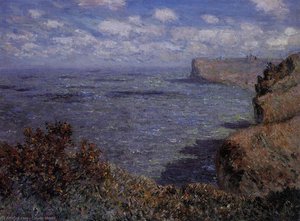
Experience Claude Monet's "View Taken From Greinval" – a breathtaking Impressionist landscape capturing the power of light and water. Witness Monet’s revolutionary techniques & Normandy’s serene beauty.
السيرة الذاتية للفنان
استكشف عالم كلود مونيه، رائد الانطباعية الشهير بقدرته على تجسيد الضوء والألوان العابرة من خلال لوحاته الخالدة مثل 'زنابق الماء' و'أكوام القش'.
عن اللوحة
A Symphony of Light and Texture: The Essence of Greinval
To stand before Claude Monet’s "View Taken From Greinval" is to step directly into the rhythmic pulse of the Normandy coastline. Painted in 1881, this masterpiece serves as a profound embodiment of Impressionism, capturing much more than a mere coastal landscape; it captures the very breath of the Atlantic. The scene unfolds with an immediate, panoramic intensity, presenting a vista where the sea meets the shore in a dramatic display of natural power. Monet does not simply depict waves crashing against rocky terrain; he invites the viewer to feel the salt spray and hear the roar of the tide through a masterful manipulation of color and light. It is a work that balances the immense, untamed energy of the ocean with an underlying sense of profound tranquility, making it a captivating centerpiece for any collection.
The emotional resonance of the piece lies in its ability to evoke atmosphere over anatomical detail. As the eye wanders across the canvas, one encounters a rich tapestry of blues—ranging from deep, brooding indigos in the troughs of the waves to ethereal, translucent cerulean where the light pierces the surface. This palette is punctuated by the textured movement of clouds that drift through a sky heavy with moisture, creating a sense of depth that pulls the observer into the horizon. The presence of a solitary figure on the right side of the composition provides a vital human connection, offering a sense of scale and a quiet moment of contemplation amidst the vastness of nature. For the interior designer, this painting offers a serene yet dynamic focal point, capable of bringing the restorative power of the seaside into a sophisticated living space.
The Impressionist Revolution: Technique and Vision
Monet’s approach in "View Taken From Greinval" represents a radical departure from the rigid academic traditions of his era. Eschewing meticulous outlines and smooth, blended finishes, he employed the signature plein air technique, painting directly from nature to capture the ephemeral qualities of light. His brushwork is famously loose and energetic, utilizing short, broken strokes that allow pigments to blend optically rather than physically on the palette. This creates a vibrating surface texture that mirrors the ceaseless movement of the sea. The way the light dances upon the cresting waves is not achieved through careful shading, but through the strategic placement of vibrant, unblended colors that catch the eye and simulate the flickering brilliance of sunlight on water.
This technique was deeply rooted in the scientific advancements of the late 19th century, particularly regarding optics and color theory. Monet was less interested in the permanent form of a rock or a wave and more obsessed with how light transformed these objects from one moment to the next. By prioritizing sensory perception over intellectual analysis, he revolutionized the way humanity perceives the natural world. For collectors of high-quality reproductions, this artwork offers an opportunity to possess a piece of art history that celebrates the beauty of the fleeting moment. It is a testament to a period when art moved away from the static and toward the living, breathing reality of our environment, making it an enduring inspiration for those who appreciate the intersection of natural beauty and technical mastery.
الأسئلة والأجوبة
كيف يربط عمل "View Taken from Greinval" للفنان كلود مونيه بين Impressionism والوطن الأم للفنان؟
أُنجز العمل الذي ينتمي إلى مدرسة Impressionism بعنوان "View Taken from Greinval" على يد فنان وُلد في فرنسا.
هل "View Taken from Greinval" للفنان كلود مونيه لوحة زيتية، أم رسم، أم مطبوعة؟
في الكتالوج، تم تصنيف "View Taken from Greinval" للفنان كلود مونيه ضمن فئة WallArt؛ وتساعد هذه الفئة في العثور على أعمال مماثلة.
هل ألوان "View Taken from Greinval" للفنان كلود مونيه مشبعة أم خافتة؟
تتميز لوحة ألوان "View Taken from Greinval" بدرجة تشبع Subtle Color.
حقائق سريعة واختبار فني
عن كلود مونيه

كلود مونيه
1840 - 1926, فرنسا
السيرة الذاتية للفنان
حياة غارقة في الضوء: عالم كلود مونيه
أوسكار كلود مونيه، الاسم الذي أصبح مرادفاً للمدرسة الانطباعية، لم يكن مجرد رسام للمناظر الطبيعية؛ بل كان مؤرخاً للحظات العابرة، وشاعراً للضوء واللون. وُلد في باريس في الرابع عشر من نوفمبر عام 1840، واتخذت حياته المبكرة مساراً غير متوقع عندما انتقلت عائلته إلى لو هافر بنورماندي وهو في الخامسة من عمره. ورغم أن والده كان يخطط له مستقبلاً تجارياً، إلا أن موهبة كلود الفنية الفطرية سرعان ما ظهرت للعلن، وتجلت أولاً في رسومات كاريكاتورية بالفحم بيعت محلياً – مما عكس مهارته وروح المبادرة لديه. ومع ذلك، كان لقاؤه مع يوجين بودان هو نقطة التحول الجوهرية؛ فلم يعلم بودان مونيه كيف يرسم فحسب، بل غرس في وجدانه الفكرة الثورية بالرسم en plein air—أي الرسم في الهواء الطلق مباشرة من قلب الطبيعة—وهي الممارسة التي ستحدد ملامح رحلته الفنية بأكملها.
بدأ تدريب مونيه الرسمي في باريس، لفترة وجيزة في الأكاديمية السويسرية ثم تحت إشراف شارل جليير. وفي هذه الأروقة، نسج صداقات دامت طويلاً مع فنانين مثل أوغست رينوار، وهي رابطة بنيت على خيبات أمل فنية مشتركة ورغبة جامحة في التحرر من قيود الرسم الأكاديمي التقليدي. وعلى الرغم من أن أعماله المبكرة أظهرت براعة تقنية، إلا أنها كانت تفتقر إلى تلك البصمة المميزة التي ستشكل هويته لاحقاً. ثم تلت ذلك فترة من الاضطرابات؛ حيث أجبرت الحرب الفرنسية البروسية مونيه على اللجوء إلى لندن، وهناك انغمس في دراسة أعمال أساتذة المناظر الطبيعية الإنجليز مثل جيه دبليو تي تيرنر، ممتصاً تأثيراتهم الجوية واستخدامهم المبتكر للألوان.
ميلاد ثورة جمالية
عند عودته إلى فرنسا، برز مونيه كشخصية محورية في تمرد فني متصاعد. وبسبب عدم رضاه عن المعايير المحافظة لـ "الصالون"، اتحد مع فنانين آخرين يشاركونه الرؤية لتنظيم معارض مستقلة. وقد شكل معرض عام 1874 لحظة فارقة، ليس لمونيه فحسب، بل لعالم الفن بأسره؛ ففي هذا المعرض عُرضت لوحته "انطباع، شروق الشمس" (Impression, soleil levant) – وهي تصوير ضبابي لميناء لو هافر عند الفجر – ومن عنوان هذه اللوحة اشتُق المصطلح الساخر "الانطباعية". ومع ذلك، التصق الاسم بالفنانين، وتحول إلى وسام شرف لحركة سعت لالتقاط الانطباع الذاتي للمشهد بدلاً من تمثيله بدقة واقعية.
ازدهر أسلوب مونيه المميز خلال هذه الفترة: ضربات فرشاة حرة وواضحة، وألوان نابضة بالحياة وغالباً غير ممزوجة توضع جنباً إلى جنب (وهي تقنية تُعرف بـ "اللون المكسور")، مع تركيز لا يتزعزع على التقاط الخصائص الزائلة للضوء. لقد سعى بلا كلل وراء ممارسة الرسم في الهواء الطلق، حيث كان يعمل بسرعة لتدوين تصوراته اللحظية قبل أن تغير الظروف المتغيرة ملامح المشهد. لم يكن هذا التفاني مجرد محاولة لتصوير ما يراه، بل كان تعبيراً عما يشعر به تجاه ذلك المشهد – في خروج جذري عن التقاليد الفنية السائدة.
جيفيرني: فردوس الضوء والانعكاس
في عام 1883، استقر مونيه في جيفيرني، شمال غرب باريس، حيث أسس منزلاً وحديقة أصبحتا ملاذه ومصدر إلهامه الأعظم. لقد حول تلك الملكية بدقة متناهية إلى فردوس غني، يضم زهوراً غريبة، وأشجار الصفصاف الباكية، والأهم من ذلك، بركة زنابق الماء التي يتوسطها جسر ياباني شهير. لم تكن هذه مجرد حديقة للزينة؛ بل كانت مختبراً حياً حيث استطاع مونيه دراسة تأثيرات الضوء على الماء، وأوراق الشجر، والانعكاسات في ظروف مدروسة.
وقد كرس العقود الأخيرة من حياته بالكامل لرسم بركة زنابق الماء في جيفيرني. وانطلق في سلسلة "زنابق الماء" (Nymphéas) الملحمية، مبتكراً لوحات ضخمة صورت سطح البركة كنسيج متغير باستمرار من الألوان والضوء. لم تكن هذه مجرد لوحات للزهور؛ بل كانت تجارب غامرة، صُممت لتغمر المشاهد في عالم من الجمال الهادئ والسكون التأملي. إن حجم هذه الأعمال يحبس الأنفاس، حيث دفع حدود الرسم التقليدي واستشرف ملامح التعبيرية التجريدية.
الإرث: أثر خالد في تاريخ الفن
إن تأثير كلود مونيه على تاريخ الفن لا يمكن قياسه. فهو لم يكن مجرد مؤسس للانطباعية، بل غير بشكل جذري الطريقة التي يدرك بها الفنانون العالم من حولهم ويمثلونه. إن تركيزه على التجربة الذاتية، وتبنيه للرسم في الهواء الطلق، وتقنياته المبتكرة، قد مهدت الطريق لاستكشاف الفن الحديث للتجريد والأشكال غير التمثيلية.
حقق مونيه نجاحاً تجارياً كبيراً خلال حياته – وهو أمر نادر للفنانين الطليعيين في عصره. ولا تزال أعماله تلهم الوجدان وتأسر الجماهير في جميع أنحاء العالم، مما يرسخ مكانته كواحد من أهم الشخصيات في الفن الغربي. رحل عن عالمنا في 5 ديسمبر 1926، تاركاً وراءه إرثاً يتردد صداه عبر أجيال من الفنانين وعشاق الفن على حد سواء. وتُحفظ مجموعات هامة من روائعه في مؤسسات مرموقة مثل متحف أورساي ومتحف مارموتان مونيه في باريس، مما يضمن أن تظل رؤيته تنير العالم.
التقنيات الفنية الرئيسية
- <الرسم في الهواء الطلق: ركيزة أساسية في تطوره، سمحت له بالملاحظة المباشرة للضوء والجو المحيط.
- <اللون المكسور: وضع ضربات صغيرة من اللون الصافي جنباً إلى جنب لتحقيق المزج البصري.
- <رسم السلاسل: تصوير نفس الموضوع تحت ظروف إضاءة وطقس مختلفة – لإظهار القوة التحويلية للزمن والضوء.
حقائق سريعة عن كلود مونيه
- أعمال فنية بارزة:
- انطباع، شروق الشمس
- زنابق الماء
- حزم القش
- كاتدرائية روان
- الاسم الكامل: كلود مونيه
- الجنسية: فرنسي
- الحركة الفنية: الانطباعية
- تاريخ الميلاد: 14 نوفمبر 1840
- حركات فنية تأثرت به: ['الفن الحديث']
- فنانون أثروا فيه:
- يوجين بودان
- ويليام ترنر
- مكان الميلاد: باريس، فرنسا
أعمال فنية ذات صلة


استكشف الأعمال الفنية المصنفة حسب الموضوعات والأنماط والخصائص.


كلود مونيه
View Taken from Greinval
() ·
بالإطار: · رُسمت يدوياً بالزيت على الكتان
الإجمالي