


 معاينة الحجم الواقعي
 إرسال
إرسال مشاركة
 عرض التفاصيل
 دليل الأعمال الفنية للطلاب

 تحميل
تحميل
 قطع مشابهة
 الأشعة السينية
 عرض شرائح متتابع
 الإحصائيات
Model


Cristóbal Balenciaga’s ‘Model’ (1967) captures a striking tweed suit – elegant, geometric & timeless. Explore this iconic fashion photograph and discover the legacy of the 'Master Couturier'.
 اقرأ المزيد
استكشف عالم كريستوبال بالينسيا إيزاغيري (بالينسيا)، مصمم الأزياء الإسباني الثوري المعروف بتصاميمه النحتية الأنيقة وتأثيره الطليعي. اكتشف لوحات مثل 'جذور الأشجار' وأثره الخالد في عالم الموضة.
إن العمل الفني المعروض في هذه الصفحة محمي بموجب قوانين حقوق الطبع والنشر، مما يعني أنه لا يحق لنا قانوناً إنشاء أو بيع نسخ مطابقة له. وتُطبق هذه الحماية بموجب الاتفاقيات الدولية مثل الـ اتفاقية برن ووفقاً للقوانين الوطنية، بما في ذلك تلك المنصوص عليها في قانون حقوق الطبع والنشر في الولايات المتحدة - الباب 17.
وكبديل قانوني ومحترم، نقدم أعمالاً فنية مخصصة ومرسومة يدوياً مستوحاة من العمل الأصلي. حيث يقوم فنانونا المهرة والمحترفون بدراسة أسلوب العمل الأصلي، وأجوائه، وجوهره الفني بعناية فائقة لابتكار قطعة جديدة وفريدة تثير الشعور ذاته - مع بقائها عملاً أصيلاً بحد ذاته.
تتوافق هذه الطريقة تماماً مع لوائح حقوق النشر لأنها لا تتضمن نسخ أو تكرار العمل الفني المحمي، بل هي إعادة تفسير إبداعية؛ أي أنها لوحة جديدة مستوحاة من الأصل ولكنها ليست مطابقة له.
نسخة زيتية مصنوعة يدوياً
لوحة زيتية مرسومة يدوياً على الكانفاس بالمقاس والإطار الذي تفضله، تُنفذ حسب الطلب على أيدي فنانينا. ( التبديل إلى المطبوعات التحويل إلى الصورة الرقمية)




P118B E£10

P118H E£10

P118W E£10

P438Z E£10

P508JH E£12

P508YH E£12

P805H E£10

P805Z E£10

P919BZ E£10

P919G E£10

P919XJ E£10

P959ZH E£10

P968JZ E£12

W106C E£8

W218G E£10

W218JH E£8

W218Y E£10

W307PJ E£10

W316G E£10

W316PJ E£8

W316Y E£10

W398PJ E£8

W4111J E£10

W500HY E£15

W500JH E£15

W692G E£12

W849H E£8

W940BG E£15

W953PJ E£8




مقاس قياسي
مخصص
CM
INCH
اختر من بين أحجامنا المُعدّة مسبقاً والتي تتوافق مع النسب الأصلية للعمل الفني.
Loading sizes...

العرض
الارتفاع
أدخل العرض والارتفاع اللذين تحتاجهما، ليتناسب العمل مع إطارك أو جدارك. وبما أن هذه اللوحة مرسومة يدوياً، ففي حال اختيار مقاس بشكل مختلف، يمكن للفنان رسم مساحة إضافية حول الصورة أو تقليصها قليلاً — الخيار لك. سنرسل لك نموذجاً رقمياً تجريبياً لاعتماده قبل البدء في الرسم. علماً بأن الصورة المعروضة في هذه الصفحة لا تعكس النتيجة النهائية الحقيقية — فالنموذج التجريبي هو الوحيد الذي يوضح ذلك بدقة.
أمثلة على التعديلات الممكنة: استبدال الوجه بصورة العميل؛ إضافة حيوان أليف (مثل استبدال قطة بكلب)؛ تضمين رسالة مخفية في الخلفية؛ تغيير المناظر الطبيعية أو العناصر في الخلفية.
بعد إتمام الطلب، سيرسل فريق TopImpressionists.com بريداً إلكترونياً للعميل لطلب التعليمات وتزويده بمعاينة تجريبية (mockup).
بعد إتمام الطلب، سيرسل فريق TopImpressionists.com بريداً إلكترونياً للعميل لطلب التعليمات وتزويده بمعاينة تجريبية (mockup).
توصيل عالمي إلى خلال 3 إلى 4 أسابيع بدلاً من المدة المعتادة البالغة 5 أسابيع. (24 أكتوبر). جودة لا تهاون فيها.

شحن سريع ومجاني لجميع أنحاء العالم

قماش كتان فاخر

تأمين شامل على الشحن

ضمان استرداد الرسوم الجمركية

ضمان دقة مطابقة الألوان

سياسة الإرجاع خلال 100 يوم (في حالات العيوب فقط)

ضمان استرداد نقدي بنسبة 100%

عرض خصم الكميات
 خيار الزجاج متاح فقط للمقاسات التي تقل عن 110 سم

Model
وسيط إعادة الإنتاج
مقاس النسخة المطبوعة
-


إجمالي السعر
E£ 13901
The Enigmatic Silhouette: Unpacking Cristóbal Balenciaga’s ‘Model’
Cristóbal Balenciaga’s 1966 photograph, “Model,” isn't merely a portrait; it’s a distilled essence of the designer’s revolutionary approach to fashion. The image captures a woman, her form enveloped in a striking tweed suit – a garment that immediately speaks of geometric precision and timeless elegance. Yet, beneath this surface simplicity lies a profound exploration of structure, proportion, and the very nature of representation. The photograph, often cited as one of Balenciaga’s most iconic works, transcends its status as a simple fashion image, offering a glimpse into the meticulous process and philosophical underpinnings of his design philosophy.
Balenciaga's genius wasn’t simply about creating beautiful clothes; it was about dissecting them, understanding their fundamental components, and rebuilding them with an almost architectural rigor. “Model” exemplifies this perfectly. The tweed itself is a deliberate choice – a robust, slightly stiff material that resists the drape of traditional fabrics, demanding a precise construction. Notice how the seams are barely visible, suggesting a layering technique designed to create volume without adding bulk. This restraint, this careful control over the fabric’s behavior, is characteristic of Balenciaga's work and reflects his deep understanding of materials – he considered himself more a craftsman than a designer in the conventional sense.
A Masterclass in Architectural Form
The suit’s silhouette isn’t simply flattering; it’s deliberately constructed to evoke a sense of solidity and strength. The fitted bodice, the subtly flared skirt – each element contributes to an overall impression of contained power. Balenciaga was deeply influenced by the art movements of his time, particularly Surrealism and Cubism, which encouraged him to deconstruct familiar forms and reassemble them in unexpected ways. This is evident in the suit’s sharp angles and its almost sculptural quality. The photograph itself becomes a study in form – a meditation on how shape can convey meaning and emotion.
The choice of David Bailey as the photographer further enhances the image's impact. Bailey, known for his stark, black-and-white portraits, captures the subject with an unflinching gaze, emphasizing her posture and the suit’s impeccable tailoring. The lighting is carefully controlled, highlighting the textures of the tweed and casting subtle shadows that accentuate the garment’s three-dimensional form. Bailey's skill lies in revealing the underlying structure of the image, mirroring Balenciaga’s own approach to design.
Echoes of a Lost Era: Context and Legacy
“Model” was created during a pivotal moment in fashion history – the mid-1960s. While Yves Saint Laurent was injecting youthful energy into Parisian couture with his Le Smoking tuxedo, Balenciaga remained steadfastly committed to his own vision of timeless elegance. His designs were often perceived as being ahead of their time, challenging conventional notions of beauty and femininity. The photograph serves as a reminder of this period of creative experimentation and the enduring influence of Balenciaga’s work.
The image also speaks to the broader cultural context of the era – a fascination with architecture, technology, and industrial design. Balenciaga's designs were often described as “architectural,” reflecting a growing interest in geometric forms and functional aesthetics. The photograph captures this spirit perfectly, suggesting that fashion could be both beautiful and intellectually stimulating.
A Timeless Icon: Reproduction and Inspiration
Today, “Model” remains one of the most recognizable images in the history of fashion photography. Its enduring appeal lies in its combination of technical skill, artistic vision, and emotional resonance. Reproductions of this photograph are highly sought after by collectors and interior designers alike, who appreciate its timeless elegance and its ability to evoke a sense of sophistication and refinement. When commissioning a hand-painted reproduction, it’s crucial to select an artist who understands Balenciaga's meticulous approach to detail and his commitment to capturing the essence of his designs.
الأسئلة والأجوبة
ما الذي يفسر الوضع المتعلق بحقوق الطبع والنشر لـ "Model" للفنان كريستوبال بالنسياغا إيزاغيري؟
تعتمد حالة حقوق الطبع والنشر لـ "Model" - لا تزال محمية بموجب حقوق الطبع والنشر - على تاريخ وفاة الفنان في 1972.
ما هي المواد المستخدمة في صنع "Model"، وبأي أسلوب تم تنفيذها؟
تُنفذ لوحة "Model" باستخدام Acrylic On Canvas، وبأسلوب Early Modernism.
هل بقيت "Model" في الموطن الأصلي لفنانها؟
نعم - العمل الفني محفوظ في البلد الأم للفنان. بلد ميلاد كريستوبال بالنسياغا إيزاغيري هو إسبانيا، بينما يقع المتحف الذي يحتفظ بالنسخة الأصلية من "Model" في إسبانيا.
نبذة عن الفنان
البدايات والمسيرة المهنية
كريستوبال بالينسيا إيزاغيري، مصمم الأزياء الإسباني الشهير، ولد في عام 1895 في غيتاريا بإسبانيا. وقد ذاع صيته عالمياً بتأسيس علامة "بالينسيا" التجارية للملابس، التي أصبحت مرادفاً للأزياء الراقية والفخامة المطلقة. إن سمعة بالينسيا كصانع أزياء يتمتع بمعايير لا تقبل المساومة قد منحت له ألقاباً خالدة؛ حيث وصفه كريستيان ديور بـ "سيدنا جميعاً"، بينما نعتته كوكو شانيل بأنه "المصمم الوحيد بالمعنى الحقيقي للكلمة".الأسلوب الفني والمؤثرات
اتسمت تصاميم بالينسيا بالأناقة المفرطة، والبساطة الساحرة، والاهتمام الدقيق بكل تفصيلة صغيرة. وقد استلهم إبداعاته من حركة الفن الطليعي (Avant-garde)، وهو ما تجلى بوضوح في تصاميمه الجريئة والمبتكرة التي كسرت القواعد التقليدية. وتضم مجموعة أعماله البارزة لوحات فنية تعكس هذا التمازج بين الموضة والفن، ومنها:- دراسة لـ 'نشيد الأنشاد الرابع' (الفن الفطري / البدائية)، وهي لوحة تستعرض نهجه التجريبي في دمج الفن بالموضة.
- جذور الأشجار (50 × 100 سم، ما بعد الانطباعية، زيت على قماش)، وهي قطعة فنية تبرز قدرته الفائقة على تجسيد جوهر الطبيعة.
- لوحة "البهلوان" (السريالية، زيت على قماش)، التي تسلط الضوء على رغبته الجامحة في تجاوز الحدود المألوفة في عالم الأزياء.
المتاحف والمجموعات الفنية
يمكن العثور على أعمال بالينسيا في مختلف المتاحف والمجموعات الفنية حول العالم، بما في ذلك:- متحف الفنون الجميلة في أستورياس (إسبانيا)، والذي يضم مجموعة متنوعة من الفن الأوروبي.
- مجموعة أندريس بلايستن (المكسيك)، وهي مجموعة فنية مكسيكية تستعرض روائع الفن اللاتيني الأمريكي.
- المتحف الذي دمره الحريق (الولايات المتحدة)، وهو حدث مأساوي في تاريخ الفن الأمريكي.
الإرث والأثر الخالد
إن إرث بالينسيا يتجاوز حدود تصاميم الأزياء؛ فقد ألهم أجيالاً متعاقبة من المصممين، ولا تزال أعماله تُحتفى بها لما تحمله من خلود وأناقة لا تزول مع الزمن. وبصفته كريستوبال بالينسيا إيزاغيري، فإنه يظل شخصية أيقونية لا تُنسى في عالم الأزياء الراقية.- شاهد المزيد من أعمال كريستوبال بالينسيا إيزاغيري عبر https://TopImpressionists.com/@/cristobal-balenciaga-eizaguirre
- استكشف مجموعة متحف الفنون الجميلة في أستورياس عبر /ar/art/show/art-d3atkt-ar/
- تعرف على المزيد حول مجموعة أندريس بلايستن عبر https://TopImpressionists.com/@@/a@d3bqc7-the-museum-destroyed-by-fire-(united-states)

كريستوبال بالنسياغا إيزاغيري
1895 - 1972 , إسبانيا
لمحة سريعة
- Artistic Movement Or Style: الفن الطليعي / السريالية
- Artists Or Movements Influenced By This Artist: ['هوبير دي جيفينشي']
- Artists Who Influenced This Artist:
- كريستيان ديور
- كوكو شانيل
- Date Of Birth: 21 يناير 1895
- Date Of Death: 23 مارس 1972
- Full Name: كريستوبال بالينسيا إيزاغيري
- Nationality: إسباني
- Notable Artworks:
- دراسة لـ 'نشيد الأناشيد IV'
- جذور الأشجار
- بهلوان
- Place Of Birth: غيتاريا، إسبانيا
مقالات ذات صلة

Gianfranco Ferré: Deconstructing Haute Couture – A Legacy of Architectural Form
Explore the revolutionary world of Gianfranco Ferré, 'the architect of fashion.' Discover his architectural approach to haute couture, iconic Dior designs, and lasting influence on luxury style. A deep dive for collectors & enthusiasts.

Cristóbal Balenciaga: Deconstructing Haute Couture's Architectural Legacy
Explore the revolutionary world of Cristóbal Balenciaga, the 'couturier's couturier'. Discover his architectural designs, lasting influence on haute couture, and guide to collecting rare pieces. A connoisseur’s resource.

Draped Narratives: Fashion as Symbol & Subject in Historical Art
Explore the fascinating history of fashion as a symbol of power & status in art! Discover masterpieces from Gainsborough to Tissot and learn how clothing shaped societal narratives. Find museum-quality reproductions at TopImpressionists.
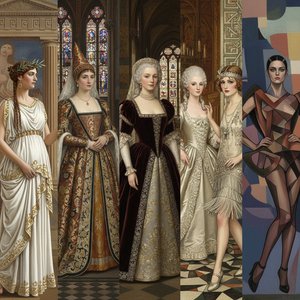
Style Through the Ages: Iconic Artworks That Defined the Evolution of Fashion Design
Explore the breathtaking intersection of fine art and high fashion. Discover how iconic masterpieces from Art Deco to Impressionism have shaped the world of luxury couture and timeless design in this curated visual journey.

The Lens of Luxury: A Visual Journey Through the Evolution and Artistry of Fashion Photography
Embark on a visual journey through the evolution of fashion photography. Discover how masters like Gianfranco Ferré blended geometry, surrealism, and texture to redefine high-fashion art for collectors and connoisseurs of luxury imagery.
استكشف الأعمال الفنية المصنفة حسب الموضوعات والأنماط والخصائص.
