


 معاينة الحجم الحقيقي
 مشاركة
 مشاركة
 التفاصيل
 الدليل

 تحميل الملف
 قطع مشابهة
 الأشعة السينية
 عرض شرائح
 الإحصائيات
صورة ذاتية بين الساعة والسرير


هذا الاستجابة بتنسيق JSON تفي بمتطلبات الطلب من خلال توفير وصف مُحسّن لمحركات البحث ويُلتزم بإرشادات التنسيق الصارمة.
 عرض المزيد
اكتشف الفنان النرويجي إدفارد مونش (1863-1944)، رائد التعبيرية! استكشف لوحته الشهيرة 'الصراخ' وغيرها من الأعمال التي تستكشف القلق، الوفاة، الحب، والمواضيع النفسية. أيقونة الفن الحديث.
نسخة زيتية مصنوعة يدوياً
لوحة زيتية مرسومة يدوياً على الكانفاس بالمقاس والإطار الذي تفضله، تُنفذ حسب الطلب على أيدي فنانينا. ( التحويل إلى المطبوعات الانتقال إلى الصورة الرقمية)




P118B $10

P118H $10

P118W $10

P438Z $10

P508JH $12

P508YH $12

P805H $10

P805Z $10

P919BZ $10

P919G $10

P919XJ $10

P959ZH $10

P968JZ $12

W106C $8

W218G $10

W218JH $8

W218Y $10

W307PJ $10

W316G $10

W316PJ $8

W316Y $10

W398PJ $8

W4111J $10

W500HY $15

W500JH $15

W692G $12

W849H $8

W940BG $15

W953PJ $8




قياسي
حسب الطلب
CM
INCH
اختر من بين أحجامنا المُعدّة مسبقًا والتي تتطابق مع النسب الأصلية للعمل الفني.
Loading sizes...

العرض
الارتفاع
يمكنك إدخال أبعادك الخاصة لتناسب إطارًا معينًا أو مساحة محددة. وإذا لم يتطابق الحجم الذي اخترته مع نسب الصورة الأصلية، فسنقوم إما بقص العمل الفني أو توسيع اللوحة بإضافة عناصر مرسومة يدويًا. سيتم إرسال نموذج رقمي إليك للموافقة عليه قبل بدء الإنتاج.
يرجى ملاحظة أن المعاينة على الشاشة لا تعكس عملية القص أو التوسيع الفعلية؛ حيث إن النموذج الرقمي وحده هو الذي سيوضح التكوين النهائي بدقة.
وعلى الرغم من توفر أحجام مخصصة، إلا أننا نوصي باختيار أبعاد من القائمة المحددة مسبقًا للحفاظ على النسب الأصلية للعمل الفني.
أمثلة على التعديلات الممكنة: استبدال الوجه بصورة العميل؛ إضافة حيوان أليف (مثل استبدال قطة بكلب)؛ تضمين رسالة مخفية في الخلفية؛ تغيير المناظر الطبيعية أو العناصر في الخلفية.
بعد إتمام الطلب، سيرسل فريق TopImpressionists.com بريداً إلكترونياً للعميل لطلب التعليمات وتزويده بمعاينة تجريبية (mockup).
بعد إتمام الطلب، سيرسل فريق TopImpressionists.com بريداً إلكترونياً للعميل لطلب التعليمات وتزويده بمعاينة تجريبية (mockup).
توصيل عالمي إلى خلال 3 إلى 4 أسابيع بدلاً من المدة المعتادة البالغة 5 أسابيع. (23 سبتمبر). جودة لا تهاون فيها.

شحن سريع ومجاني لجميع أنحاء العالم

قماش كتان عالي الجودة

تأمين شحن شامل

ضمان استرداد الرسوم الجمركية

ضمان مطابقة الألوان الحقيقية

سياسة الإرجاع خلال 100 يوم (في حالات العيوب فقط)

ضمان استرداد نقدي بنسبة 100%

خصم عند طلب عدة قطع
 خيار الزجاج متاح فقط للمقاسات التي تقل عن 110 سم

صورة ذاتية بين الساعة والسرير
خامة إعادة الإنتاج
مقاس النسخة المطبوعة
-


السعر الإجمالي النهائي
$ 269
Self Portrait Between Clock and Bed
Edvard Munch’s Self Portrait Between Clock and Bed stands as a haunting emblem of Expressionism—a movement dedicated to conveying raw emotion rather than objective representation. Created in 1940-43 during Munch’s final artistic period, this painting isn't merely an image; it’s a visceral exploration of anxiety, mortality, and the inescapable confrontation with one’s own fading vitality. It resides within the Munch Museum in Oslo and is accompanied by reproductions available on TopImpressionists.com.Munch’s artistic journey was profoundly shaped by personal tragedy—the early deaths of his mother and sister instilled a deep preoccupation with loss and suffering that permeated his oeuvre. This painting embodies precisely this psychological intensity, reflecting his own anxieties about aging and the encroaching darkness of death.
Analysis of Style and Technique
The artwork’s distinctive style is unmistakably Expressionist. Munch eschewed traditional realism, opting instead for distorted forms and jarring lines to communicate inner turmoil. Thick brushstrokes dominate the canvas, layering colors—primarily muted yellows, blues, and reds—to create an atmosphere of unease and melancholy. The artist meticulously applied pigment, capturing not just what he saw but how he *felt*. This technique is evident in the way Munch renders the figure’s torso and limbs, emphasizing their fragility and vulnerability.Symbolism: Time, Mortality, and Isolation
- The Clock: Representing relentless time passing and impending doom, the clock dominates the composition. Its facelessness underscores the indifference of time to human suffering.
- The Bed: Symbolizing rest, vulnerability, and ultimately death, the bed contrasts sharply with the vibrancy of the room behind it.
- The Room Behind: The illuminated room symbolizes Munch’s past life—a reminder of what has been lost and a poignant contrast to his present state.
Munch's deliberate use of color contributes significantly to the painting’s emotional impact. The muted yellows and blues evoke feelings of sadness and decay, while the reds hint at suppressed passion and impending danger. These colors aren’t merely decorative; they are integral to conveying Munch’s psychological state.
Historical Context: Expressionism's Roots
Expressionism emerged in early 20th-century Europe as a reaction against Impressionism’s focus on optical perception. Artists like Munch sought to express subjective experience—fear, anxiety, despair—rather than objective reality. They utilized distorted forms and bold colors to convey raw emotion, mirroring the turbulent social and intellectual climate of the time. Munch's influence extended beyond painting; he championed Expressionist ideals and helped establish it as a prominent artistic movement.
To appreciate Self Portrait Between Clock and Bed fully, consider its place within Expressionism’s broader artistic landscape. Explore other notable works by Munch—such as *Despair* and *Puberty*, available on TopImpressionists.com—to gain a deeper understanding of his artistic vision.
- Discover the raw emotional power of Edvard Munch's art
- Explore our collection of hand-made oil painting reproductions on TopImpressionists.com
- Experience the intensity and depth of Expressionism firsthand
You can also delve into other masterpieces by Munch, including *The Scream*, showcased at SFMOMA and The Metropolitan Museum of Art in New York—accessible on TopImpressionists.com.
السيرة الذاتية للفنان
إدفارد مونش: رسام الروح والمعاناة
في قلب النرويج، حيث تتلاقى المناظر الطبيعية الخلابة مع صقيع الشتاء القارس، وُلد إدفارد مونش عام 1863، ليصبح أحد أبرز فناني القرن العشرين. لم يكن مونش مجرد رسام؛ بل كان شاعرًا بصريًا، عبّر عن أعماق النفس البشرية بجرأة وشاعرية فريدة. حياته، التي طبعتها الفواجع والآلام، كانت بمثابة الوقود الذي أشعل شرارة إبداعه، وحوّلها إلى نافذة تطل على عالم من القلق الوجودي والمعاناة الإنسانية.
نشأ مونش في كنف عائلة تعيش ظروفًا قاسية. فقدت والدته وشقيقته بسبب مرض السل المدمر، مما ترك ندوبًا عميقة في نفسه الصغيرة. هذه التجارب المبكرة لم تكن مجرد أحداث عابرة؛ بل أصبحت جزءًا لا يتجزأ من رؤيته الفنية، وألهبته لاستكشاف أعماق الخوف والحزن والوحدة. كما ساهمت معتقدات والده الدينية الصارمة وصراعاته النفسية في تعزيز الشعور بالرهبة الذي سيطر على عالم مونش، وشكل ليس فقط حياته الشخصية بل أيضًا اللغة الرمزية لأعماله الفنية.
من التلمذة إلى الانطلاق: رحلة فنان نحو الذات
بدأ مونش طريقه الفني بتلقي التعليم في المعهد الملكي للفنون والتصميم في كريستيانا (أوسلو)، لكن نقطة التحول الحقيقية كانت لقاؤه بالفيلسوف النيليستي هانس ييغر. شجعه ييغر على التخلي عن الأساليب الأكاديمية التقليدية، والانطلاق نحو استكشاف ذاته الداخلية وعواطفه العميقة. هذا التحول الجذري أدى إلى ظهور أسلوبه المميز – أسلوب يتسم بالعاطفة الخام والأشكال المشوهة والرفض المطلق للتمثيل الطبيعي.
رحلاته إلى باريس في التسعينيات من القرن التاسع عشر عرّضته للحركة التعبيرية الصاعدة، حيث استمد الإلهام من فنانين مثل بول غوغان وفنسنت فان جوخ وهنري دو تولوز لوتريك. تبنى مونش استخدام الألوان الجريئة والضربات الفرشاة المعبرة، لكنه لم يكتفِ بمجرد تقليدهم؛ بل صهر هذه التأثيرات في أسلوبه الخاص، ليخلق لغة بصرية قادرة على التعبير عن أكثر المشاعر الإنسانية عمقًا وإيلامًا. كما كانت لقاءاته مع المسرحي أغسطس سترندبيرغ حاسمة، حيث أثرت استكشافاته النفسية في أعماله الفنية.
"الصراخ": رمز القلق الوجودي
الصراخ (The Scream)، ربما أشهر لوحات مونش وأكثرها تأثيرًا، تتجاوز كونها مجرد عمل فني لتصبح رمزًا عالميًا للقلق الوجودي. يجسد المشهد المتأرجح والألوان النارية والوجه المشوه في اللوحة صرخة أبدية ضد لامبالاة الكون. لم يكن مونش يرسم ما يراه بالعين المجردة؛ بل كان يسعى إلى تجسيد ما يشعر به في أعماق روحه، وتحويل الألم النفسي إلى شكل مرئي ملموس.
إلى جانب الصراخ، تبرز أعمال أخرى مثل المدامنة (Madonna)، التي تستكشف موضوعات الجنس والأمومة والموت بجرأة وصراحة غير مسبوقة. كما أن سلسلة الطفل المريض، المستوحاة من فقدان شقيقته صوفي، تقدم تذكيرًا مؤثرًا بالخسارة والضعف الإنساني. أما لوحات الكآبة الأولى والثانية، فتصور ببراعة عميقة الحزن والعزلة، وتكشف عن هشاشة الروح البشرية.
إرث فنان: تأثير مونش على الفن الحديث
لا يمكن إنكار مساهمة إدفارد مونش في الفن الحديث. فهو يعتبر شخصية محورية في تطور التعبيرية، ومهد الطريق أمام جيل من الفنانين الذين أولوا الأولوية للعاطفة الذاتية على التمثيل الموضوعي. استمرت أعماله في إلهام وإثارة الجدل لدى الجمهور على مر الأجيال، مما رسخ مكانته كواحد من أكثر الشخصيات تأثيرًا وديمومة في تاريخ الفن. لم يكن مونش يهدف إلى خلق صور جميلة فحسب؛ بل سعى إلى الكشف عن الحقيقة – حتى لو كانت مؤلمة ومزعجة.
على الرغم من الشهرة والتقدير الذي حققه، ظلت حياة مونش مليئة بالصراعات النفسية والعزلة. لكنه استمر في الإبداع، تاركًا وراءه إرثًا فنيًا غنيًا يستمر في تحدي وإلهام المشاهدين حول العالم. إن إرث مونش لا يقتصر على لوحاته فحسب؛ بل يتعلق بالشجاعة التي أظهرها في مواجهة تعقيدات الوجود الإنساني، وتحويل هذه التجارب إلى فن يتحدث إلى أعماقنا.

إدفارد مونش
1863 - 1944 , السويد
حقائق سريعة
- الأعمال البارزة:
- الصرخة
- العذراء
- الطفل المريض
- الكآبة الأولى والثانية
- الاسم الكامل: إدفارد مونش
- الجنسية: نرويجي
- الحركات الفنية المتأثرة: ['التعبيرية الألمانية']
- الحركة الفنية: التعبيرية
- الفنانون المؤثرون:
- بول غوغان
- فنسنت فان جوخ
- هنري دو تولوز-لوترك
- تاريخ الميلاد: 12 ديسمبر 1863
- مكان الميلاد: أديزبruk، السويد
مقالات ذات صلة

The Raw Emotion of Expressionism: A Deep Dive into its History, Characteristics & Enduring Influence
Explore the raw emotion of Expressionism with TopImpressionists. Discover its history, key artists like Kirchner & Munch, and lasting influence on modern art. Expert insights for collectors & enthusiasts.
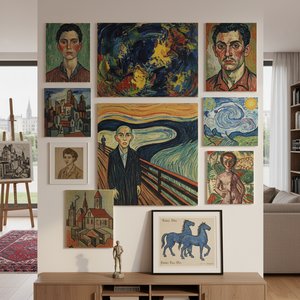
أعلى 10 روائع تعرّف على حركة التعبيرية الفنية | TopImpressionists
اكتشف روائع التعبيرية الفنية! استكشف 10 لوحات أيقونية مع فان جوخ وموش، وأكثر. تعرف على تاريخ الفن، أساليب الفنانين، وابتكر ديكورًا فريدًا. احصل على إعادة إنتاج عالية الجودة من TopImpressionists.com.

أعمال إدوارد مونك الخالدة: 25 تحفة فنية تعبّر عن الروح الإنسانية | TopImpressionists
اكتشف 25 تحفة فنية لإدوارد مونك، رائد التعبيرية. استكشف قصص لوحاته المؤثرة وتقنياته الفريدة وألوانه العميقة. احصل على نسخ عالية الجودة لديكور منزلي فاخر على TopImpressionists.com

Edvard Munch: Anxiety, Modernity & the Dawn of Expressionism
Explore the profound world of Edvard Munch, pioneer of Expressionism. Discover the origins of 'The Scream' & his haunting depictions of anxiety, mortality, and love. Expert analysis & high-quality reproductions at TopImpressionists.

Reflecting the Self: A History of Portraiture & Psychological Insight
Explore the fascinating history of self-portraiture from Renaissance masters like Dürer & Rembrandt to modern interpretations. Discover the psychological insights and artistic techniques behind these iconic works. Expert analysis for art enthusiasts.
استكشف الأعمال الفنية المصنفة حسب الموضوعات والأنماط والخصائص.


