


 معاينة الحجم الواقعي
 إرسال
إرسال مشاركة
 عرض التفاصيل
 دليل الأعمال الفنية للطلاب

 تحميل
تحميل
 قطع مشابهة
 الأشعة السينية
 عرض شرائح متتابع
 الإحصائيات
Circle Theatre


Edward Hopper’s evocative ‘Circle Theatre’ captures the lonely beauty of urban solitude—a quintessential American scene rendered in masterful realism during the mid-century period. Observe the quiet theater and vintage automobile, inviting you to explore this timeless masterpiece.
 اقرأ المزيد
إدوارد هوبر: رسام الواقعية الأمريكية البارز، يصور العزلة والحياة الحضرية ببراعة من خلال الضوء والظل. اكتشف لوحاته الشهيرة مثل "المترصدون" و"منازل بجوار السكة الحديدية"، أيقونة فنية خالدة.
إن العمل الفني المعروض في هذه الصفحة محمي بموجب قوانين حقوق الطبع والنشر، مما يعني أنه لا يحق لنا قانوناً إنشاء أو بيع نسخ مطابقة له. وتُطبق هذه الحماية بموجب الاتفاقيات الدولية مثل الـ اتفاقية برن ووفقاً للقوانين الوطنية، بما في ذلك تلك المنصوص عليها في قانون حقوق الطبع والنشر في الولايات المتحدة - الباب 17.
تتوافق هذه الطريقة تماماً مع لوائح حقوق النشر لأنها لا تتضمن نسخ أو تكرار العمل الفني المحمي، بل هي إعادة تفسير إبداعية؛ أي أنها لوحة جديدة مستوحاة من الأصل ولكنها ليست مطابقة له.
طباعة جيلي / مطبوعات فنية
طباعة جيكلي أو كانفاس بجودة المتاحف، مع سرعة في التنفيذ وخيارات متنوعة للتشطيب. ( اطلب نسخة مرسومة يدويًا التحويل إلى الصورة الرقمية)




P118B E£10

P118H E£10

P118W E£10

P438Z E£10

P508JH E£12

P508YH E£12

P805H E£10

P805Z E£10

P919BZ E£10

P919G E£10

P919XJ E£10

P959ZH E£10

P968JZ E£12

W106C E£8

W218G E£10

W218JH E£8

W218Y E£10

W307PJ E£10

W316G E£10

W316PJ E£8

W316Y E£10

W398PJ E£8

W4111J E£10

W500HY E£15

W500JH E£15

W692G E£12

W849H E£8

W940BG E£15

W953PJ E£8




مقاس قياسي
مخصص
CM
INCH
اختر من بين أحجامنا المُعدّة مسبقاً والتي تتوافق مع النسب الأصلية للعمل الفني.
Loading sizes...

العرض
الارتفاع
أدخل العرض والارتفاع اللذين تحتاجهما، ليتناسب مع إطارك أو جدارك. يمكن قص المطبوعة فقط، ولا يمكن أبداً جعلها أكبر من الصورة الأصلية، لذا فإن أي مقاس بشكل مختلف سيؤدي إلى فقدان جزء من الصورة. سنرسل لك نموذجاً رقمياً تجريبياً لاعتماده قبل البدء في عملية الطباعة. الصورة المعروضة في هذه الصفحة لا توضح القص الفعلي — النموذج التجريبي فقط هو ما يظهر ذلك.
توصيل عالمي إلى خلال أسبوعين بدلاً من المدة القياسية البالغة 4/5 أسابيع. (26 أكتوبر)

شحن سريع ومجاني لجميع أنحاء العالم

قماش كتان فاخر

تأمين شامل على الشحن

ضمان استرداد الرسوم الجمركية

ضمان دقة مطابقة الألوان

سياسة الإرجاع خلال 100 يوم (في حالات العيوب فقط)

ضمان استرداد نقدي بنسبة 100%

عرض خصم الكميات
 خيار الزجاج متاح فقط للمقاسات التي تقل عن 110 سم

Circle Theatre
طباعة جيلي / مطبوعات فنية
مقاس النسخة المطبوعة
-


إجمالي السعر
E£ 3568
A Symphony of Solitude: The Urban Soul of Circle Theatre
In the quiet, heavy atmosphere of Edward Hopper’s "Circle Theatre," we are invited to witness more than just a street corner in a bustling metropolis; we are invited to feel the profound weight of modern existence. Painted during a transformative era of American history, this masterpiece serves as a poignant meditation on the paradox of urban life—the way one can be surrounded by the movement of a city yet remain utterly alone. As the late afternoon light filters through the scene, it casts a diffused, almost cinematic glow over the weathered brickwork and the passing vintage automobile, creating a moment frozen in time that feels both intensely real and hauntingly dreamlike.
Hopper’s mastery of American Realism is on full display through his meticulous attention to detail and his unparalleled ability to manipulate light and shadow. Unlike the fleeting, bright impressions of the Impressionists, Hopper’s technique involves a deliberate, layered approach to oil on canvas. He renders the chrome gleam of a passing car and the stark geometry of the theater sign with such precision that the textures feel palpable to the viewer. His palette, dominated by muted yellows, deep reds, and earthy browns, does not merely decorate the scene; it builds an emotional landscape of melancholy and stillness. The way light interacts with the architectural surfaces creates a sense of depth that draws the eye into the shadows, where the true narrative of the painting resides.
The Architecture of Isolation and Modernity
To understand "Circle Theatre," one must look through the lens of the 1930s—a period defined by the Great Depression and a rapid, often disorienting shift toward urbanization. The theater itself stands as a powerful symbol of human aspiration and the desire for communal entertainment, yet in Hopper’s vision, it remains strangely vacant, a silent sentinel amidst the traffic. This disconnect between the grandeur of the urban infrastructure and the palpable emptiness within it reflects the growing anxieties of an era grappling with the impersonal nature of modern life. The presence of pedestrians and vehicles provides a rhythmic movement to the composition, yet they seem like ghosts passing through a stage, emphasizing the theme of transient connection.
For the discerning collector or interior designer, this artwork offers a sophisticated emotional anchor for any space. It is a piece that commands attention not through loud colors, but through its quiet, commanding presence. A high-quality reproduction of "Circle Theatre" brings a sense of intellectual depth and timeless elegance to a room, making it an ideal centerpiece for those who appreciate art that provokes thought and invites contemplation. Whether placed in a contemporary gallery setting or a classic study, the painting’s ability to evoke both the grandeur of the American cityscape and the intimate ache of solitude ensures its enduring relevance in the modern home.
الأسئلة والأجوبة
هل تُعدّ "Circle Theatre" للفنان إدوارد هوبر لوحةً زاهية الألوان أم داكنة؟
من حيث السطوع الملحوظ، فإن "Circle Theatre" للفنان إدوارد هوبر يتميز بـ bright.
ما هي الاستخدامات المقترحة لـ "Circle Theatre" للفنان إدوارد هوبر؟
الاستخدام الموصى به لنسخة مطبوعة من "Circle Theatre" هو Mood.
إلى أي لون يميل "Circle Theatre"؟
اللون السائد في "Circle Theatre" للفنان إدوارد هوبر هو Blue-Violet to Rose. ويمثل هذا اللون النغمة الأساسية لمجموعة الألوان المستخدمة.
نبذة عن الفنان
إدوارد هوبر: شاعر الوحدة في المشهد الأمريكي
إدوارد هوبر، اسم يتردد صداه بقوة مع الهدوء والغموض الدقيق الذي ساد الحياة الأمريكية في القرن العشرين، لم يكن مجرد رسام للمشاهد؛ بل كان شاعراً للضوء والظل، ومؤرخاً للعزلة الحديثة. ولد في نيكاك، نيويورك، عام 1882 لعائلة من الطبقة المتوسطة ذات أصول هولندية، زودته سنواته الأولى بتربية مستقرة غذت ميوله الفنية. منذ الرسومات الطفولية المؤرخة والموقعة بدقة، بدا واضحاً أن الملاحظة الدقيقة والموهبة الفطرية في الرسم كانت جوهر وجوده. على الرغم من أنه شُجع في البداية على العمل في مجال الرسوم التوضيحية التجارية - اقتراح عملي من والديه - اتجهت طموحات هوبر نحو الفن الرفيع، مما دفعه إلى مدرسة نيويورك للفنون حيث درس تحت إشراف ويليام ميريت تشيس وروبرت هنري. زرعت هذه السنوات التكوينية ليس فقط المهارات التقنية، ولكن أيضاً تقديره للواقعية والتزامه بتصوير العالم كما يراه - دون تجميل وصادقاً. أثرت كتابات رالف والدو إمرسون بعمق في هوبر، وعززت إحساسه بالفردية والملاحظة الدقيقة - وهي صفات ستصبح علامات مميزة لرؤيته الفنية. عرّضه السفر المبكر إلى باريس لـ Impressionism، لكن هوبر سرعان ما انحرف عن ضرباته الفرشاة العابرة، محفوراً طريقه الخاص الذي يميزه.إيجاد صوته: الواقعية والمشهد الأمريكي
لم تكن رحلة هوبر الفنية فورية أو سهلة. لقد كافح لاكتشاف صوته المميز، وتجربة أنماط مختلفة قبل الاستقرار على الواقعية التي ستعرف مسيرته المهنية. لم يكن هذا مجرد تكرار للواقع؛ بل كان تقطيراً لجوهرها، وإزالة التفاصيل غير الضرورية للكشف عن الحقائق العاطفية الكامنة. بدأت لوحاته في التركيز على مشاهد الحياة اليومية - المنازل والمقاهي والمكاتب وغرف الفنادق - مشحونة بإحساس بالهدوء وغالباً ما تكون الوحدة. كان لديه قدرة استثنائية على التقاط الحالات النفسية لموضوعاته، والإشارة إلى الروايات دون ذكرها بشكل صريح. أصبحت الدقة في تصوير الضوء والظل أمراً بالغ الأهمية، ليس كعناصر وصفية فحسب، بل كإشارات عاطفية، مما يخلق أجواءً آسرة ومقلقة في آن واحد. بيت بالقرب من السكة الحديدية (1925)، مثال رئيسي على هذا النهج - تكوين يبدو بسيطاً يشع بإحساس عميق بالعزلة والغموض. أظهرت أعمال هوبر في مجال الطباعة، والتي غالباً ما يتم تجاهلها، مواضيع وأنماط مماثلة لرسوماته، مما يدل على إتقانه عبر الوسائط المختلفة. لم يكن مهتماً بالروايات التاريخية الكبرى أو الرمزية المجردة؛ لقد ركز على الأمور العادية، ورفعها من خلال الملاحظة الدقيقة والرنين العاطفي.رؤى رمزية: نايتهوكس وخارجها
على الرغم من أن مسيرة هوبر المهنية تطورت تدريجياً، إلا أن بعض الأعمال قفزت به إلى اعتراف واسع النطاق. نايت هوكس (1942)، ربما لوحته الأكثر شهرة، أصبحت رمزاً فورياً للثقافة الأمريكية. مشهد المطعم الليلي، المغمور بضوء فلورسنت صارخ، يجسد بشكل مثالي الانفصال واللامبالاة في الحياة الحضرية الحديثة. يبدو أن الشخصيات الموجودة داخلها غارقة في أفكارها الخاصة، منفصلة عن بعضها البعض على الرغم من قربهم - وهو تعليق مؤثر على الحالة الإنسانية. محطة وقود (1940)، بتصويره المذهل لمحطة وقود على جانب الطريق، يوضح اهتمام هوبر بالمناظر الطبيعية الأمريكية وثقافة السيارات الناشئة. تشمل الأعمال البارزة الأخرى مثل *أوتومات* و *مكتب في مدينة صغيرة* و *الصيف* كل منها يقدم رؤى فريدة حول تعقيدات المجتمع الأمريكي في القرن العشرين. لم تكن هذه اللوحات مجرد تصوير للأماكن؛ بل كانت استكشافاً للمزاج وعلم النفس والمشاهد الدرامية الدقيقة التي تتكشف في الإعدادات العادية. لعبت زوجته، جوزفين نيڤيسون هوبر، دوراً حيوياً ليس فقط كرفيقة مدى الحياة له، ولكن أيضاً كنموذج متكرر، مما ساهم بشكل كبير في تصوير شخصياته النسائية.المواضيع والإرث: تأثير دائم
تنتشر عدة مواضيع متكررة في أعمال هوبر. العزلة الحضرية هي الأكثر بروزاً - إحساس بالوحدة التي يعيشها الأفراد وسط الحشود. استكشف المناظر الطبيعية الأمريكية، سواء كانت ريفية أو حضرية، وغالباً ما يؤكد على خلوها وقسوتها. يتعمق عمله في الواقعية النفسية، ويستكشف حياة موضوعاته الداخلية بحساسية تتجاوز مجرد التمثيل. هناك أيضاً تيار من الحنين إلى الماضي الأبسط، جنبًا إلى جنب مع الاعتراف بتعقيدات وقلق الحياة الحديثة. لا يمكن إنكار تأثير هوبر على الفنانين اللاحقين. ألهم أسلوبه الفريد عدد لا يحصى من الرسامين، بما في ذلك بيير سانفورد روس، ويستمر في صدى الفنانين المعاصرين الباحثين عن التقاط جوهر التجربة الإنسانية. تظل لوحاته مرغوبة للغاية من قبل جامعي التحف وتُعرض في المتاحف الكبرى حول العالم، مما يرسخ مكانته كشخصية محورية في تاريخ الفن الأمريكي. أكثر من مجرد فنان، كان إدوارد هوبر فيلسوفاً بصرياً، وقدم رؤى عميقة حول الحالة الإنسانية من خلال استخدامه البارع للضوء والظل والتكوين.- يكمن إرثه ليس فقط في جمال لوحاته ولكن أيضاً في قدرتها الدائمة على إثارة الأفكار وإثارة المشاعر وتذكيرنا بالعزلة الهادئة التي غالباً ما تحدد حياتنا.
- تستمر أعمال هوبر في جذب الجماهير لأنها تتحدث إلى موضوعات عالمية من الوحدة والعزلة والبحث عن المعنى في عالم يتغير بسرعة.
- أصبحت لوحاته تمثيلات أيقونية للثقافة الأمريكية، وغالباً ما تستخدم لتمثيل القلق والطموح في القرن العشرين - وما بعده.
- لقد أثر جمال هوبر بعمق على صانعي الأفلام (مثل ألفريد هيتشكوك) والكتاب، مما ألهم العديد من الأعمال التي تستكشف موضوعات مماثلة للانفصال والتوتر النفسي.

إدوارد هوبر
1931 - 1967 , الولايات المتحدة الأمريكية
لمحة سريعة
- أعمال فنية بارزة:
- Nighthawks
- House by the Railroad
- Gas
- Automat
- الاسم الكامل: إدوارد هوبر
- الجنسية: أمريكي
- الحركة الفنية: الواقعية الأمريكية
- تاريخ الميلاد: 22 يوليو 1882
- حركات أو فنانون تأثروا به: ['بيير سانفورد روس']
- فنانون مؤثرون:
- ويليام ميريت تشيس
- روبرت هنري
- مكان الميلاد: أبّر ناياك، الولايات المتحدة الأمريكية
مقالات ذات صلة

Capturing the Soul of Nature: A Journey Through the Sublime Majesty of American Romanticism
Explore the breathtaking beauty of American Romanticism. Discover how Hudson River School masters captured the sublime spirit of the wilderness through luminous oil landscapes and emotional depth. A journey into the soul of nature for the true art enthusiast.

The Unvarnished Truth: A Cultural Journey Through the Soul of American Realism
Explore the profound beauty of American Realism. From the Ashcan School's urban grit to intimate portraits, discover how artists captured the authentic soul of a nation through unvarnished truth and masterful observation.
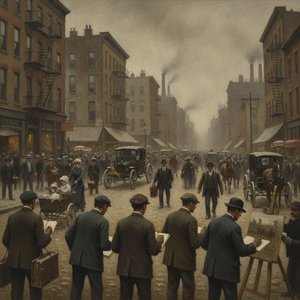
The Ashcan School: Capturing the Raw, Unfiltered Soul of Urban Life through American Realism
Discover the raw beauty of the Ashcan School. Explore how masters like Bellows and Henri captured the gritty, vibrant soul of early 20th-century New York through profound American Realism and evocative urban landscapes.
استكشف الأعمال الفنية المصنفة حسب الموضوعات والأنماط والخصائص.


