

المعروض: · بالإطار:
 معاينة الحجم الواقعي
 مشاركة
 مشاركة
 التفاصيل
 دليل
دليل

 تحميل الملف
 قطع مشابهة
 الأشعة السينية
 عرض شرائح
 الأسئلة والأجوبة
 الإحصائيات

E£ 14090
نسخة زيتية مرسومة يدوياً
لوحة زيتية مرسومة يدوياً على الكانفاس بالمقاس والإطار الذي تفضله، تُنفذ حسب الطلب على أيدي فنانينا. ( التبديل إلى نسخة مطبوعة الانتقال إلى الصورة الرقمية)
هذا العمل الفني محمي بموجب حقوق الطبع والنشر
إن العمل الفني المعروض في هذه الصفحة محمي بموجب قوانين حقوق الطبع والنشر، مما يعني أنه لا يحق لنا قانوناً إنشاء أو بيع نسخ مطابقة له. وتُطبق هذه الحماية بموجب الاتفاقيات الدولية مثل الـ اتفاقية برن ووفقاً للقوانين الوطنية، بما في ذلك تلك المنصوص عليها في قانون حقوق الطبع والنشر في الولايات المتحدة - الباب 17.
وكبديل قانوني وراقٍ، نقدم أعمالاً فنية مخصصة ومرسومة يدوياً مستوحاة من العمل الأصلي. حيث يقوم فنانونا المهرة والمحترفون بدراسة أسلوب العمل الأصلي وأجوائه وجوهره الفني بعناية فائقة، لابتكار قطعة جديدة وفريدة تثير الشعور ذاته - مع بقائها عملاً أصيلاً بحد ذاته.
تتوافق هذه الطريقة تماماً مع لوائح حقوق النشر لأنها لا تتضمن نسخ أو تكرار العمل الفني المحمي، بل هي إعادة تفسير إبداعية؛ أي أنها لوحة جديدة مستوحاة من الأصل ولكنها ليست مطابقة له.
 للمزيد من المعلومات
المقاس
·قياسي
حسب الطلب
CM
INCH
اختر من بين أحجامنا المُعدّة مسبقاً والتي تتوافق مع النسب الأصلية للعمل الفني.
جاري تحميل المقاسات...

العرض
الارتفاع
أدخل العرض والارتفاع اللذين تحتاجهما ليتناسب العمل مع إطارك أو جدارك. وبما أن هذه اللوحة مرسومة يدوياً، ففي حال اختيار مقاس بأبعاد مختلفة، يمكن للفنان رسم مساحة إضافية حول الصورة أو تقليصها قليلاً — الخيار لك. سنرسل لك نموذجاً رقمياً تجريبياً لاعتماده قبل البدء في الرسم. علماً بأن الصورة المعروضة في هذه الصفحة لا تعكس النتيجة النهائية الحقيقية، فالنموذج التجريبي هو الوحيد الذي يوضح ذلك بدقة.
إنهاء
·
أبيض E£1

حواف ضبابية E£1

ممتد الحواف E£1

P118B E£10

P118H E£10

P118W E£10

P438Z E£10

P508JH E£12

P508YH E£12

P805H E£10

P805Z E£10

P919BZ E£10

P919G E£10

P919XJ E£10

P959ZH E£10

P968JZ E£12

W106C E£8

W218G E£10

W218JH E£8

W218Y E£10

W307PJ E£10

W316G E£10

W316PJ E£8

W316Y E£10

W398PJ E£8

W4111J E£10

W500HY E£15

W500JH E£15

W692G E£12

W849H E£8

W940BG E£15

W953PJ E£8

H24-GOLD E£30

H24-SILVER E£30

H36-GOLD E£45

H36-SILVER E£45
تُشحن في أنبوب واقٍ، لتكون جاهزة للتأطير لدى فني الإطارات الخاص بك.
للقطع التي يتجاوز طولها ١٠٥ سم، يتم شحن الإطار كمجموعة مخصصة لخبراء التأطير — اقرأ التفاصيل.
خدمات إضافية
اختياريماذا تشمل الإضافات؟
أمثلة على ما يمكن تغييره: استبدال الوجه بصورة العميل؛ إضافة حيوان أليف (على سبيل المثال، استبدال قطة بكلب)؛ تضمين رسالة مخفية في الخلفية؛ تغيير المناظر الطبيعية أو العناصر في الخلفية.
بعد الطلب، سيقوم فريق TopImpressionists.com بمراسلة العميل عبر البريد الإلكتروني للحصول على التعليمات وتزويده بمعاينة تجريبية للعمل
بعد الطلب، سيقوم فريق TopImpressionists.com بمراسلة العميل عبر البريد الإلكتروني للحصول على التعليمات وتزويده بمعاينة تجريبية للعمل
توصيل عالمي إلى خلال 3 إلى 4 أسابيع بدلاً من المدة المعتادة البالغة 5 أسابيع. (8 نوفمبر). جودة لا تهاون فيها.
ورنيش واقٍ
بطاقة التعريف
تفاصيل اللوحة البرونزية المحفورة
This elegant plaque features the artist's name and the title of the artwork, finely engraved for a timeless presentation.
It is made from bronze with a refined, elegant finish. The text is precisely laser-engraved for a sharp and permanent result. Measuring 9x2 cm, the plaque is compact yet easy to read. It's built to be durable and scratch-resistant, offering a professional, museum-quality look. Mounting is simple thanks to the included adhesive backing.
تفاصيل اللوحة الأكريليكية الشفافة
The plaque includes essential engraved details such as the artist's name, the title of the artwork, the date it was created, the type of media used-like oil on canvas or watercolor-a brief description of the piece, and a QR code that links to the complete artwork information.
It is crafted from clear acrylic, offering a sleek, modern appearance. The text is UV-engraved in black to ensure strong visual contrast. With a size of 10x15 cm, it ensures optimal readability. It comes equipped with two metal hooks for secure wall mounting. The plaque is designed to be weather-resistant, making it suitable for various environments, and it includes interactive features that work seamlessly with smartphone scanning.
تفاصيل اللوحة الأكريليكية السوداء
This elegant plaque includes engraved information such as the artist's name, the title of the artwork, the date it was created, the type of media used (like oil on canvas or watercolor), a short description of the artwork, and a QR code for quick access to more information.
The plaque itself is made from refined black acrylic with a premium finish. The text is laser-engraved in white for high contrast and readability. Its size is 10x15 cm, designed to be easy to read. It comes with two metal hooks for professional mounting. The design is sleek and fits any interior style. It is also weather-resistant and durable, with built-in digital integration for mobile compatibility.
خيار الزجاج متاح فقط للمقاسات التي تقل عن 110 سم
 خيار الزجاج متاح فقط للمقاسات التي تقل عن 110 سم
- شحن سريع ومجاني لجميع أنحاء العالم
- قماش كتان عالي الجودة
- تأمين شامل على الشحن
- ضمان استرداد الرسوم الجمركية
- ضمان مطابقة الألوان الحقيقية
- سياسة الإرجاع خلال 100 يوم (في حالات العيوب فقط)
- ضمان استرداد نقدي بنسبة 100%
- خصم عند طلب كميات


وصف القطعة المقتناة
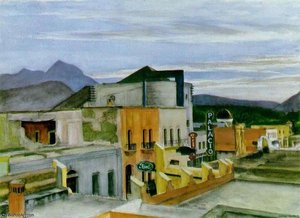
Edward Hopper's "El Palacio" captures urban solitude with striking realism—a black-and-white depiction of a city street, evoking quiet contemplation and the essence of American modern life.
السيرة الذاتية للفنان
إدوارد هوبر: رسام الواقعية الأمريكية البارز، يصور العزلة والحياة الحضرية ببراعة من خلال الضوء والظل. اكتشف لوحاته الشهيرة مثل "المترصدون" و"منازل بجوار السكة الحديدية"، أيقونة فنية خالدة.
عن اللوحة
A Silent Cityscape: Unveiling Edward Hopper's "El Palacio"
Edward Hopper’s 1946 painting, “El Palacio,” isn’t merely a depiction of a city street; it’s a carefully constructed tableau of urban solitude and the quiet anxieties of modern life. Rendered in stark black and white, the image immediately draws the viewer into a scene brimming with understated tension. The composition is dominated by towering buildings on either side, their windows like watchful eyes observing the few figures that populate the street below. The painting’s power lies not in dramatic action or vibrant color—rather, it resides in the subtle details and the palpable sense of detachment that permeates every element.
Hopper masterfully employs light and shadow to create a mood of melancholic introspection. The strong directional lighting emphasizes the textures of the buildings and casts deep shadows, contributing to the painting’s overall feeling of confinement. The open windows invite glimpses into private lives, yet they simultaneously reinforce the sense that these individuals are isolated within their own worlds. The signs visible in the scene—including the prominent “El Palacio”—add a layer of mystery, hinting at a grand establishment and perhaps suggesting a world beyond the immediate view.
The Painter’s Palette: Technique and Style
“El Palacio” exemplifies Hopper's signature style – a blend of realism and psychological insight. He was known for his ability to capture fleeting moments of human experience, often focusing on scenes of loneliness or alienation. Hopper’s technique is characterized by precise observation and meticulous detail. The buildings are rendered with remarkable accuracy, capturing their architectural forms and the subtle variations in surface texture. His use of line is particularly noteworthy; he employs clean, confident lines to define shapes and create a sense of solidity, while simultaneously suggesting movement through the arrangement of elements within the composition.
The painting’s monochromatic palette—a deliberate choice by Hopper—heightens its emotional impact. The absence of color forces the viewer to focus on form, light, and shadow, intensifying the feeling of isolation and emphasizing the starkness of the urban environment. Hopper's approach was rooted in a desire to represent reality as he perceived it, unburdened by sentimentality or romanticism. He sought to capture the essence of American life—its beauty, its challenges, and its inherent loneliness—with unflinching honesty.
Historical Context: The Post-War Landscape
“El Palacio” was created in 1946, a period marked by significant social and cultural shifts following World War II. America was grappling with the aftermath of conflict, experiencing rapid urbanization, and confronting new anxieties about identity and purpose. Hopper’s work resonated deeply with this mood, reflecting the growing sense of alienation and disillusionment that characterized the post-war era. The painting can be seen as a commentary on the changing nature of American society—a world increasingly defined by anonymity, isolation, and the breakdown of traditional social structures.
Interestingly, Hopper himself described the scene as “suggested by a restaurant on Greenwich Avenue where two streets meet.” This anecdote reveals his meticulous approach to composition and his desire to capture not just a literal representation but also an emotional truth. The painting’s enduring appeal lies in its ability to evoke a sense of familiarity—a recognition of the quiet, often overlooked moments that shape our lives.
Symbolism and Emotional Resonance
Beyond its realistic depiction of a city street, “El Palacio” is rich in symbolic meaning. The towering buildings represent the impersonal forces of urban life, while the open windows symbolize both opportunity and isolation. The figures within the scene—their faces obscured by shadow—suggest a sense of anonymity and detachment. Hopper’s masterful use of light and shadow creates a powerful emotional atmosphere, evoking feelings of loneliness, longing, and perhaps even a touch of melancholy.
Ultimately, “El Palacio” is a poignant meditation on the human condition – a reminder that even in the midst of bustling urban environments, we can still experience profound solitude. It’s a painting that invites contemplation and encourages us to consider our own place within the larger narrative of American life.
الأسئلة والأجوبة
ما مدى تشبع لوحة ألوان "el palacio"؟
تتميز ألوان "el palacio" للفنان إدوارد هوبر بدرجة تشبع Subtle Color، حيث يعبر التشبع عن مدى حيوية الألوان أو خفوتها.
هل توجد أعمال فنية مشابهة لـ "el palacio"؟
يمكنكم العثور على أعمال مشابهة لـ "el palacio" في صفحة أعمال مشابهة الخاصة بالعمل الفني.
أين يمكنني شراء نسخ مرسومة يدوياً من "el palacio" للفنان إدوارد هوبر؟
تتوفر النسخ المرسومة يدوياً من "el palacio" للفنان إدوارد هوبر للبيع عبر هذا الموقع: نسخة زيتية مرسومة يدوياً على قماش الكتان، ويمكن طلبها من خلال صفحة نسخة زيتية مرسومة يدوياً.
حقائق سريعة واختبار فني
عن إدوارد هوبر

إدوارد هوبر
1931 - 1967, الولايات المتحدة الأمريكية
السيرة الذاتية للفنان
إدوارد هوبر: شاعر الوحدة في المشهد الأمريكي
إدوارد هوبر، اسم يتردد صداه بقوة مع الهدوء والغموض الدقيق الذي ساد الحياة الأمريكية في القرن العشرين، لم يكن مجرد رسام للمشاهد؛ بل كان شاعراً للضوء والظل، ومؤرخاً للعزلة الحديثة. ولد في نيكاك، نيويورك، عام 1882 لعائلة من الطبقة المتوسطة ذات أصول هولندية، زودته سنواته الأولى بتربية مستقرة غذت ميوله الفنية. منذ الرسومات الطفولية المؤرخة والموقعة بدقة، بدا واضحاً أن الملاحظة الدقيقة والموهبة الفطرية في الرسم كانت جوهر وجوده. على الرغم من أنه شُجع في البداية على العمل في مجال الرسوم التوضيحية التجارية - اقتراح عملي من والديه - اتجهت طموحات هوبر نحو الفن الرفيع، مما دفعه إلى مدرسة نيويورك للفنون حيث درس تحت إشراف ويليام ميريت تشيس وروبرت هنري. زرعت هذه السنوات التكوينية ليس فقط المهارات التقنية، ولكن أيضاً تقديره للواقعية والتزامه بتصوير العالم كما يراه - دون تجميل وصادقاً. أثرت كتابات رالف والدو إمرسون بعمق في هوبر، وعززت إحساسه بالفردية والملاحظة الدقيقة - وهي صفات ستصبح علامات مميزة لرؤيته الفنية. عرّضه السفر المبكر إلى باريس لـ Impressionism، لكن هوبر سرعان ما انحرف عن ضرباته الفرشاة العابرة، محفوراً طريقه الخاص الذي يميزه.إيجاد صوته: الواقعية والمشهد الأمريكي
لم تكن رحلة هوبر الفنية فورية أو سهلة. لقد كافح لاكتشاف صوته المميز، وتجربة أنماط مختلفة قبل الاستقرار على الواقعية التي ستعرف مسيرته المهنية. لم يكن هذا مجرد تكرار للواقع؛ بل كان تقطيراً لجوهرها، وإزالة التفاصيل غير الضرورية للكشف عن الحقائق العاطفية الكامنة. بدأت لوحاته في التركيز على مشاهد الحياة اليومية - المنازل والمقاهي والمكاتب وغرف الفنادق - مشحونة بإحساس بالهدوء وغالباً ما تكون الوحدة. كان لديه قدرة استثنائية على التقاط الحالات النفسية لموضوعاته، والإشارة إلى الروايات دون ذكرها بشكل صريح. أصبحت الدقة في تصوير الضوء والظل أمراً بالغ الأهمية، ليس كعناصر وصفية فحسب، بل كإشارات عاطفية، مما يخلق أجواءً آسرة ومقلقة في آن واحد. بيت بالقرب من السكة الحديدية (1925)، مثال رئيسي على هذا النهج - تكوين يبدو بسيطاً يشع بإحساس عميق بالعزلة والغموض. أظهرت أعمال هوبر في مجال الطباعة، والتي غالباً ما يتم تجاهلها، مواضيع وأنماط مماثلة لرسوماته، مما يدل على إتقانه عبر الوسائط المختلفة. لم يكن مهتماً بالروايات التاريخية الكبرى أو الرمزية المجردة؛ لقد ركز على الأمور العادية، ورفعها من خلال الملاحظة الدقيقة والرنين العاطفي.رؤى رمزية: نايتهوكس وخارجها
على الرغم من أن مسيرة هوبر المهنية تطورت تدريجياً، إلا أن بعض الأعمال قفزت به إلى اعتراف واسع النطاق. نايت هوكس (1942)، ربما لوحته الأكثر شهرة، أصبحت رمزاً فورياً للثقافة الأمريكية. مشهد المطعم الليلي، المغمور بضوء فلورسنت صارخ، يجسد بشكل مثالي الانفصال واللامبالاة في الحياة الحضرية الحديثة. يبدو أن الشخصيات الموجودة داخلها غارقة في أفكارها الخاصة، منفصلة عن بعضها البعض على الرغم من قربهم - وهو تعليق مؤثر على الحالة الإنسانية. محطة وقود (1940)، بتصويره المذهل لمحطة وقود على جانب الطريق، يوضح اهتمام هوبر بالمناظر الطبيعية الأمريكية وثقافة السيارات الناشئة. تشمل الأعمال البارزة الأخرى مثل *أوتومات* و *مكتب في مدينة صغيرة* و *الصيف* كل منها يقدم رؤى فريدة حول تعقيدات المجتمع الأمريكي في القرن العشرين. لم تكن هذه اللوحات مجرد تصوير للأماكن؛ بل كانت استكشافاً للمزاج وعلم النفس والمشاهد الدرامية الدقيقة التي تتكشف في الإعدادات العادية. لعبت زوجته، جوزفين نيڤيسون هوبر، دوراً حيوياً ليس فقط كرفيقة مدى الحياة له، ولكن أيضاً كنموذج متكرر، مما ساهم بشكل كبير في تصوير شخصياته النسائية.المواضيع والإرث: تأثير دائم
تنتشر عدة مواضيع متكررة في أعمال هوبر. العزلة الحضرية هي الأكثر بروزاً - إحساس بالوحدة التي يعيشها الأفراد وسط الحشود. استكشف المناظر الطبيعية الأمريكية، سواء كانت ريفية أو حضرية، وغالباً ما يؤكد على خلوها وقسوتها. يتعمق عمله في الواقعية النفسية، ويستكشف حياة موضوعاته الداخلية بحساسية تتجاوز مجرد التمثيل. هناك أيضاً تيار من الحنين إلى الماضي الأبسط، جنبًا إلى جنب مع الاعتراف بتعقيدات وقلق الحياة الحديثة. لا يمكن إنكار تأثير هوبر على الفنانين اللاحقين. ألهم أسلوبه الفريد عدد لا يحصى من الرسامين، بما في ذلك بيير سانفورد روس، ويستمر في صدى الفنانين المعاصرين الباحثين عن التقاط جوهر التجربة الإنسانية. تظل لوحاته مرغوبة للغاية من قبل جامعي التحف وتُعرض في المتاحف الكبرى حول العالم، مما يرسخ مكانته كشخصية محورية في تاريخ الفن الأمريكي. أكثر من مجرد فنان، كان إدوارد هوبر فيلسوفاً بصرياً، وقدم رؤى عميقة حول الحالة الإنسانية من خلال استخدامه البارع للضوء والظل والتكوين.- يكمن إرثه ليس فقط في جمال لوحاته ولكن أيضاً في قدرتها الدائمة على إثارة الأفكار وإثارة المشاعر وتذكيرنا بالعزلة الهادئة التي غالباً ما تحدد حياتنا.
- تستمر أعمال هوبر في جذب الجماهير لأنها تتحدث إلى موضوعات عالمية من الوحدة والعزلة والبحث عن المعنى في عالم يتغير بسرعة.
- أصبحت لوحاته تمثيلات أيقونية للثقافة الأمريكية، وغالباً ما تستخدم لتمثيل القلق والطموح في القرن العشرين - وما بعده.
- لقد أثر جمال هوبر بعمق على صانعي الأفلام (مثل ألفريد هيتشكوك) والكتاب، مما ألهم العديد من الأعمال التي تستكشف موضوعات مماثلة للانفصال والتوتر النفسي.
حقائق سريعة عن إدوارد هوبر
- أعمال فنية بارزة:
- Nighthawks
- House by the Railroad
- Gas
- Automat
- الاسم الكامل: إدوارد هوبر
- الجنسية: أمريكي
- الحركة الفنية: الواقعية الأمريكية
- تاريخ الميلاد: 22 يوليو 1882
- حركات أو فنانون تأثروا به: ['بيير سانفورد روس']
- فنانون مؤثرون:
- ويليام ميريت تشيس
- روبرت هنري
- مكان الميلاد: أبّر ناياك، الولايات المتحدة الأمريكية
استكشف الأعمال الفنية المصنفة حسب الموضوعات والأنماط والخصائص.




إدوارد هوبر
el palacio
() ·
بالإطار: · رُسمت يدوياً بالزيت على الكتان
الإجمالي