

المعروض: · بالإطار:
 معاينة الحجم الواقعي

 مشاركة
 مشاركة
 التفاصيل
 دليل


 تحميل الملف
 قطع مشابهة
 الأشعة السينية
 عرض شرائح
 الأسئلة والأجوبة
 الإحصائيات

E£ 14977
نسخة زيتية مرسومة يدوياً
لوحة زيتية مرسومة يدوياً على الكانفاس بالمقاس والإطار الذي تفضله، تُنفذ حسب الطلب على أيدي فنانينا. ( التبديل إلى نسخة مطبوعة الانتقال إلى الصورة الرقمية)
هذا العمل الفني محمي بموجب حقوق الطبع والنشر
إن العمل الفني المعروض في هذه الصفحة محمي بموجب قوانين حقوق الطبع والنشر، مما يعني أنه لا يحق لنا قانوناً إنشاء أو بيع نسخ مطابقة له. وتُطبق هذه الحماية بموجب الاتفاقيات الدولية مثل الـ اتفاقية برن ووفقاً للقوانين الوطنية، بما في ذلك تلك المنصوص عليها في قانون حقوق الطبع والنشر في الولايات المتحدة - الباب 17.
وكبديل قانوني وراقٍ، نقدم أعمالاً فنية مخصصة ومرسومة يدوياً مستوحاة من العمل الأصلي. حيث يقوم فنانونا المهرة والمحترفون بدراسة أسلوب العمل الأصلي وأجوائه وجوهره الفني بعناية فائقة، لابتكار قطعة جديدة وفريدة تثير الشعور ذاته - مع بقائها عملاً أصيلاً بحد ذاته.
تتوافق هذه الطريقة تماماً مع لوائح حقوق النشر لأنها لا تتضمن نسخ أو تكرار العمل الفني المحمي، بل هي إعادة تفسير إبداعية؛ أي أنها لوحة جديدة مستوحاة من الأصل ولكنها ليست مطابقة له.
 للمزيد من المعلومات
المقاس
·قياسي
حسب الطلب
CM
INCH
اختر من بين أحجامنا المُعدّة مسبقاً والتي تتوافق مع النسب الأصلية للعمل الفني.
جاري تحميل المقاسات...

العرض
الارتفاع
أدخل العرض والارتفاع اللذين تحتاجهما ليتناسب العمل مع إطارك أو جدارك. وبما أن هذه اللوحة مرسومة يدوياً، ففي حال اختيار مقاس بأبعاد مختلفة، يمكن للفنان رسم مساحة إضافية حول الصورة أو تقليصها قليلاً — الخيار لك. سنرسل لك نموذجاً رقمياً تجريبياً لاعتماده قبل البدء في الرسم. علماً بأن الصورة المعروضة في هذه الصفحة لا تعكس النتيجة النهائية الحقيقية، فالنموذج التجريبي هو الوحيد الذي يوضح ذلك بدقة.
إنهاء
·
أبيض E£1

حواف ضبابية E£1

ممتد الحواف E£1

P118B E£10

P118H E£10

P118W E£10

P438Z E£10

P508JH E£12

P508YH E£12

P805H E£10

P805Z E£10

P919BZ E£10

P919G E£10

P919XJ E£10

P959ZH E£10

P968JZ E£12

W106C E£8

W218G E£10

W218JH E£8

W218Y E£10

W307PJ E£10

W316G E£10

W316PJ E£8

W316Y E£10

W398PJ E£8

W4111J E£10

W500HY E£15

W500JH E£15

W692G E£12

W849H E£8

W940BG E£15

W953PJ E£8

H24-GOLD E£30

H24-SILVER E£30

H36-GOLD E£45

H36-SILVER E£45
تُشحن في أنبوب واقٍ، لتكون جاهزة للتأطير لدى فني الإطارات الخاص بك.
للقطع التي يتجاوز طولها ١٠٥ سم، يتم شحن الإطار كمجموعة مخصصة لخبراء التأطير — اقرأ التفاصيل.
خدمات إضافية
اختياريماذا تشمل الإضافات؟
أمثلة على ما يمكن تغييره: استبدال الوجه بصورة العميل؛ إضافة حيوان أليف (على سبيل المثال، استبدال قطة بكلب)؛ تضمين رسالة مخفية في الخلفية؛ تغيير المناظر الطبيعية أو العناصر في الخلفية.
بعد الطلب، سيقوم فريق TopImpressionists.com بمراسلة العميل عبر البريد الإلكتروني للحصول على التعليمات وتزويده بمعاينة تجريبية للعمل
بعد الطلب، سيقوم فريق TopImpressionists.com بمراسلة العميل عبر البريد الإلكتروني للحصول على التعليمات وتزويده بمعاينة تجريبية للعمل
توصيل عالمي إلى خلال 3 إلى 4 أسابيع بدلاً من المدة المعتادة البالغة 5 أسابيع. (23 نوفمبر). جودة لا تهاون فيها.
ورنيش واقٍ
بطاقة التعريف
تفاصيل اللوحة البرونزية المحفورة
This elegant plaque features the artist's name and the title of the artwork, finely engraved for a timeless presentation.
It is made from bronze with a refined, elegant finish. The text is precisely laser-engraved for a sharp and permanent result. Measuring 9x2 cm, the plaque is compact yet easy to read. It's built to be durable and scratch-resistant, offering a professional, museum-quality look. Mounting is simple thanks to the included adhesive backing.
تفاصيل اللوحة الأكريليكية الشفافة
The plaque includes essential engraved details such as the artist's name, the title of the artwork, the date it was created, the type of media used-like oil on canvas or watercolor-a brief description of the piece, and a QR code that links to the complete artwork information.
It is crafted from clear acrylic, offering a sleek, modern appearance. The text is UV-engraved in black to ensure strong visual contrast. With a size of 10x15 cm, it ensures optimal readability. It comes equipped with two metal hooks for secure wall mounting. The plaque is designed to be weather-resistant, making it suitable for various environments, and it includes interactive features that work seamlessly with smartphone scanning.
تفاصيل اللوحة الأكريليكية السوداء
This elegant plaque includes engraved information such as the artist's name, the title of the artwork, the date it was created, the type of media used (like oil on canvas or watercolor), a short description of the artwork, and a QR code for quick access to more information.
The plaque itself is made from refined black acrylic with a premium finish. The text is laser-engraved in white for high contrast and readability. Its size is 10x15 cm, designed to be easy to read. It comes with two metal hooks for professional mounting. The design is sleek and fits any interior style. It is also weather-resistant and durable, with built-in digital integration for mobile compatibility.
خيار الزجاج متاح فقط للمقاسات التي تقل عن 110 سم
 خيار الزجاج متاح فقط للمقاسات التي تقل عن 110 سم
- شحن سريع ومجاني لجميع أنحاء العالم
- قماش كتان عالي الجودة
- تأمين شامل على الشحن
- ضمان استرداد الرسوم الجمركية
- ضمان مطابقة الألوان الحقيقية
- سياسة الإرجاع خلال 100 يوم (في حالات العيوب فقط)
- ضمان استرداد نقدي بنسبة 100%
- خصم عند طلب كميات


وصف القطعة المقتناة
Edward Hopper's 'Intermission' captures a solitary woman in a theater aisle, evoking quiet contemplation and the poignant beauty of modern isolation. A timeless masterpiece.
السيرة الذاتية للفنان
واقعي أمريكي جسد العزلة الحضرية والضوء المثير للمشاعر، مخلداً سكون مقهى في وقت متأخر من الليل أو محطة وقود منعزلة على جانب الطريق.
عن اللوحة
The Quiet Drama of a Waiting Room
Edward Hopper’s Intermission, painted in 1963, isn't merely a depiction of a theater lobby; it’s a meticulously crafted tableau of human isolation and the poignant beauty of unspoken moments. The painting immediately draws the viewer into a scene steeped in a muted, almost melancholic atmosphere – a stark contrast to the vibrant energy typically associated with theatrical performances. Hopper masterfully employs his signature style, characterized by simplified forms, precise lines, and an astute observation of light and shadow, to create a space that feels both familiar and profoundly unsettling.
The composition itself is a study in restraint and suggestion. A woman, seated alone in a green aisle seat, dominates the foreground, her posture conveying a quiet contemplation that invites speculation about her thoughts and experiences. The surrounding chairs, arranged in neat rows, contribute to a sense of impersonal order, emphasizing her solitude within this public space. Hopper’s use of horizontal lines – the walls, the floor, the seats – creates a feeling of stillness, while subtle variations in tone and texture hint at the underlying complexity of the scene.
A Masterclass in Light and Shadow
Hopper's technical skill is evident in his precise rendering of light. The diffused illumination emanating from the unseen stage casts soft shadows that subtly define the forms, creating a sense of depth without resorting to dramatic contrasts. This delicate handling of light isn’t merely aesthetic; it serves to heighten the painting’s emotional impact, suggesting both vulnerability and resilience. Notice how the light catches the woman's dress, highlighting her form while simultaneously obscuring details, adding to the air of mystery surrounding her.
The color palette—predominantly muted greens, grays, and blacks—further reinforces the painting’s somber mood. The subtle shifts in tone within these hues create a sense of visual richness, preventing the scene from feeling flat or lifeless. Hopper's choice of colors is deliberate, evoking the atmosphere of a late-night theater lobby – a space often associated with anticipation, reflection, and perhaps even a touch of melancholy.
Symbolism and the Poetics of Modern Life
Intermission resonates deeply because it taps into universal themes of loneliness, isolation, and the passage of time. The woman’s solitary presence in the theater lobby speaks to the human condition—the feeling of being present yet detached, observing life from a distance. The clock visible in the background subtly reinforces this sense of temporal awareness, reminding us that time continues to move forward even as we remain suspended in these moments of quiet contemplation.
Hopper’s work is often interpreted as a reflection on the alienation and anonymity of modern urban life. The theater itself can be seen as a metaphor for the human drama—a stage upon which we all play our roles, often feeling like solitary figures amidst a vast audience. The painting's enduring appeal lies in its ability to capture these complex emotions with remarkable subtlety and grace.
A Legacy of Quiet Observation
Intermission stands as a testament to Edward Hopper’s extraordinary talent for capturing the essence of American life—its beauty, its loneliness, and its quiet moments of introspection. Painted in his later years, it represents a culmination of his artistic vision, demonstrating his mastery of light, composition, and symbolism. Reproductions of this iconic work continue to captivate viewers, inviting us to pause, reflect, and contemplate the universal themes that resonate within its carefully constructed scene.
الأسئلة والأجوبة
كيف يرتبط موضوع "Intermission" بالمواضيع المعتادة لدى إدوارد هوبر؟
يصور "Intermission" موضوعات waiting room, isolation, theater, loneliness, diner, mid-century, hopper، بينما تتمثل الثيمات المتكررة لدى إدوارد هوبر في hopper’s realism, urban isolation, american life, mid-century themes, theater, cinema, performance spaces, solitude. وتُظهر المقارنة بينهما مدى ارتباط هذا العمل بالموضوعات المعتادة للفنان.
من هو الفنان الذي يُنسب إليه العمل "Intermission"؟
يُنسب العمل "Intermission" إلى إدوارد هوبر.
ما الشعور الذي يثيره "Intermission" للفنان إدوارد هوبر؟
تجسد لوحة "Intermission" للفنان إدوارد هوبر إحساساً Melancholic ضمن أجواء Calm عامة.
حقائق سريعة واختبار فني
عن إدوارد هوبر

إدوارد هوبر
1882 - 1967, الولايات المتحدة الأمريكية
السيرة الذاتية للفنان
هدوء المشهد الأمريكي
ولد إدوارد هوبر في أبر نياك، الولايات المتحدة الأمريكية. قضى سنواته الأولى في مراقبة العالم بعين ثابتة، وهي عادة بدأت برسومات الطفولة المؤرخة والموقعة بدقة متناهية. وبينما اقترح والداه مساراً عملياً في مجال الرسوم التوضيحية التجارية، ظل تركيزه منصباً على الفن الرفيع. درس في مدرسة نيويورك للفنون تحت إشراف ويليام ميريت تشيس و روبرت هنري. علمتْه هذه السنوات المهارة التقنية اللازمة لتصوير العالم على حقيقته، دون تجميل أو زيف. لم يسعَ وراء ضربات الفرشاة العابرة التي ميزت الانطباعيين الذين التقى بهم في باريس، بل طور بدلاً من ذلك طريقة في الرؤية تفضل سكون اللحظة على صخب الحشود.
غالباً ما تتمحور أعماله حول الأمور العادية؛ فقد تأمل المنازل، والمقاهي، والمكاتب، وغرف الفنادق، مجرداً إياها من التفاصيل غير الضرورية ليكشف عن الحقيقة العاطفية الكامنة في المشهد. في لوحة منزل بجوار السكة الحديدية (1925)، يكشف التكوين البسيط عن إحساس بالغموض والعزلة. لم يستخدم الضوء والظل لمجرد وصف الغرفة، بل لخلق حالة شعورية؛ فأصبح التصوير الدقيق للظل على جدار أو الطريقة التي يلامس بها الضوء نافذة، هي وسيلته للتعبير عن الحالة النفسية لموضوعاته.
الضوء والداخل الحضري
تعد الطريقة التي ينساب بها الضوء إلى الفضاء عنصراً محورياً في لوحاته. ففي لوحة نايت هوكس (1942)، يخترق الضوء الفلوري الصارخ لمقهى في وقت متأخر من الليل عتمة شارع حضري مهجور. تبدو الشخصيات في الداخل قريبة جسدياً، لكنها تائهة في أفكارها الخاصة، ومنفصلة عن بعضها البعض. أصبح هذا الإحساس بالهوية المجهولة في مدينة مزدحمة موضوعاً متكرراً في أعماله؛ حيث جسد توتر الوجود وحيداً في مكان عام، وهو شعور يتردد صداه في أعمال مثل أوتومات و مكتب في مدينة صغيرة. لقد كان مهتماً بكيفية تفاعل الضوء الاصطناعي مع الظلام الطبيعي لليل.
كانت زوجته، جوزفين نيفيسون هوبر، حاضرة دائماً في حياته، فقد كانت فنانة وخدمت كملهمة له في كثير من الأحيان، ويظهر حضورها في ملامح العديد من شخصياته النسائية. عاشا معاً حياة متواضعة، وغالباً ما قضيا فصول الصيف في نيو إنجلاند، مما أثر على المناظر الطبيعية التي رسمها. إن تصويراته للمناظر الطبيعية الأمريكية، سواء الريفية منها أو الحضرية، تؤكد غالباً على نوع من القسوة أو الفراغ. وسواء كان المشهد محطة وقود على جانب الطريق في لوحة الغاز (1940) أو غرفة هادئة في فندق، فإن الموضوع يظل دائماً هو نقطة التقاء المكان المادي بالتجربة الداخلية الخاصة.
إرث من الملاحظة
يمتد تأثير إدوارد هوبر إلى اللغة البصرية للسينما والأدب، حيث لفتت قدرته على خلق توتر نفسي من خلال التكوين انتباه الكثيرين ممن يدرسون كيفية سرد القصص عبر الصور. لا تزال لوحاته محفوظة في كبرى المتاحف حول العالم، ضمن مجموعات مثل متحف ويتني للفن الأمريكي و متحف الفنون الجميلة في بوسطن. لم يكن يهدف إلى تقديم سرديات تاريخية كبرى، بل وجد موضوعاته في الزوايا الهادئة من الحياة اليومية، محولاً نافذة بسيطة أو غريباً عابراً إلى دراسة للحالة الإنسانية. إن عمله يظل دراسة للصمت الذي يوجد بين البشر.
حقائق سريعة عن إدوارد هوبر
- Artistic Movement Or Style: الواقعية الأمريكية
- Artists Or Movements Influenced By This Artist: ['بيير سانفورد روس']
- Artists Who Influenced This Artist:
- ويليام ميريت تشيس
- روبرت هنري
- إدغار ديغا
- إدوارد مانيه
- Date Of Birth: 1931
- Date Of Death: 1967
- Full Name: إدوارد هوبر
- Nationality: أمريكي
- Notable Artworks:
- نايت هوكس
- غاز
- منزل بجوار السكة الحديدية
- أوتومات
- مكتب في مدينة صغيرة
- وقت الصيف
- Place Of Birth: أبر نياك، الولايات المتحدة الأمريكية
استكشف الأعمال الفنية المصنفة حسب الموضوعات والأنماط والخصائص.


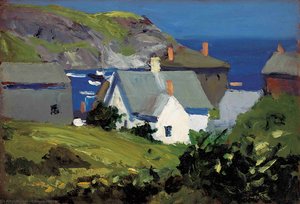


إدوارد هوبر
Intermission
() ·
بالإطار: · رُسمت يدوياً بالزيت على الكتان
الإجمالي