

المعروض: · بالإطار:
 معاينة الحجم الواقعي
 مشاركة
 مشاركة
 التفاصيل
 دليل
دليل

 تحميل الملف
 قطع مشابهة
 الأشعة السينية
 عرض شرائح
 الأسئلة والأجوبة
 الإحصائيات

E£ 14070
نسخة زيتية مرسومة يدوياً
لوحة زيتية مرسومة يدوياً على الكانفاس بالمقاس والإطار الذي تفضله، تُنفذ حسب الطلب على أيدي فنانينا. ( التبديل إلى نسخة مطبوعة الانتقال إلى الصورة الرقمية)
المقاس
·قياسي
حسب الطلب
CM
INCH
اختر من بين أحجامنا المُعدّة مسبقاً والتي تتوافق مع النسب الأصلية للعمل الفني.
جاري تحميل المقاسات...

العرض
الارتفاع
أدخل العرض والارتفاع اللذين تحتاجهما ليتناسب العمل مع إطارك أو جدارك. وبما أن هذه اللوحة مرسومة يدوياً، ففي حال اختيار مقاس بأبعاد مختلفة، يمكن للفنان رسم مساحة إضافية حول الصورة أو تقليصها قليلاً — الخيار لك. سنرسل لك نموذجاً رقمياً تجريبياً لاعتماده قبل البدء في الرسم. علماً بأن الصورة المعروضة في هذه الصفحة لا تعكس النتيجة النهائية الحقيقية، فالنموذج التجريبي هو الوحيد الذي يوضح ذلك بدقة.
 للمزيد من المعلومات
إنهاء
·
أبيض E£1

حواف ضبابية E£1

ممتد الحواف E£1

P118B E£10

P118H E£10

P118W E£10

P438Z E£10

P508JH E£12

P508YH E£12

P805H E£10

P805Z E£10

P919BZ E£10

P919G E£10

P919XJ E£10

P959ZH E£10

P968JZ E£12

W106C E£8

W218G E£10

W218JH E£8

W218Y E£10

W307PJ E£10

W316G E£10

W316PJ E£8

W316Y E£10

W398PJ E£8

W4111J E£10

W500HY E£15

W500JH E£15

W692G E£12

W849H E£8

W940BG E£15

W953PJ E£8

H24-GOLD E£30

H24-SILVER E£30

H36-GOLD E£45

H36-SILVER E£45
تُشحن في أنبوب واقٍ، لتكون جاهزة للتأطير لدى فني الإطارات الخاص بك.
للقطع التي يتجاوز طولها ١٠٥ سم، يتم شحن الإطار كمجموعة مخصصة لخبراء التأطير — اقرأ التفاصيل.
خدمات إضافية
اختياريماذا تشمل الإضافات؟
أمثلة على ما يمكن تغييره: استبدال الوجه بصورة العميل؛ إضافة حيوان أليف (على سبيل المثال، استبدال قطة بكلب)؛ تضمين رسالة مخفية في الخلفية؛ تغيير المناظر الطبيعية أو العناصر في الخلفية.
بعد الطلب، سيقوم فريق TopImpressionists.com بمراسلة العميل عبر البريد الإلكتروني للحصول على التعليمات وتزويده بمعاينة تجريبية للعمل
بعد الطلب، سيقوم فريق TopImpressionists.com بمراسلة العميل عبر البريد الإلكتروني للحصول على التعليمات وتزويده بمعاينة تجريبية للعمل
توصيل عالمي إلى خلال 3 إلى 4 أسابيع بدلاً من المدة المعتادة البالغة 5 أسابيع. (5 نوفمبر). جودة لا تهاون فيها.
ورنيش واقٍ
بطاقة التعريف
تفاصيل اللوحة البرونزية المحفورة
This elegant plaque features the artist's name and the title of the artwork, finely engraved for a timeless presentation.
It is made from bronze with a refined, elegant finish. The text is precisely laser-engraved for a sharp and permanent result. Measuring 9x2 cm, the plaque is compact yet easy to read. It's built to be durable and scratch-resistant, offering a professional, museum-quality look. Mounting is simple thanks to the included adhesive backing.
تفاصيل اللوحة الأكريليكية الشفافة
The plaque includes essential engraved details such as the artist's name, the title of the artwork, the date it was created, the type of media used-like oil on canvas or watercolor-a brief description of the piece, and a QR code that links to the complete artwork information.
It is crafted from clear acrylic, offering a sleek, modern appearance. The text is UV-engraved in black to ensure strong visual contrast. With a size of 10x15 cm, it ensures optimal readability. It comes equipped with two metal hooks for secure wall mounting. The plaque is designed to be weather-resistant, making it suitable for various environments, and it includes interactive features that work seamlessly with smartphone scanning.
تفاصيل اللوحة الأكريليكية السوداء
This elegant plaque includes engraved information such as the artist's name, the title of the artwork, the date it was created, the type of media used (like oil on canvas or watercolor), a short description of the artwork, and a QR code for quick access to more information.
The plaque itself is made from refined black acrylic with a premium finish. The text is laser-engraved in white for high contrast and readability. Its size is 10x15 cm, designed to be easy to read. It comes with two metal hooks for professional mounting. The design is sleek and fits any interior style. It is also weather-resistant and durable, with built-in digital integration for mobile compatibility.
خيار الزجاج متاح فقط للمقاسات التي تقل عن 110 سم
 خيار الزجاج متاح فقط للمقاسات التي تقل عن 110 سم
- شحن سريع ومجاني لجميع أنحاء العالم
- قماش كتان عالي الجودة
- تأمين شامل على الشحن
- ضمان استرداد الرسوم الجمركية
- ضمان مطابقة الألوان الحقيقية
- سياسة الإرجاع خلال 100 يوم (في حالات العيوب فقط)
- ضمان استرداد نقدي بنسبة 100%
- خصم عند طلب كميات


وصف القطعة المقتناة
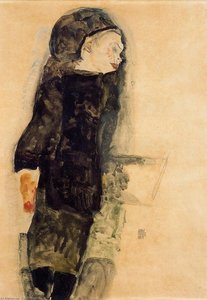
Witness Egon Schiele's haunting 'Child in Black.' This watercolor captures a young figure amidst a somber setting, reflecting the artist’s Expressionist style and exploration of mortality. A poignant portrait from 1911.
السيرة الذاتية للفنان
اكتشف عالم إغون شيلي، الرائد التعبيري النمساوي! لوحاته الصادمة والمؤثرة تستكشف موضوعات الموت، والعزلة، والوجود الإنساني بأسلوب فريد. استمتع بنسخ يدوية رائعة لأعماله!
عن اللوحة
A Fragmented Soul: Egon Schiele’s ‘Child in Black’
Egon Schiele's “Child in Black,” painted in 1911, isn’t merely a portrait; it’s a distilled essence of anxiety and nascent sexuality, a haunting glimpse into the artist’s intensely personal world. Created during a period of profound upheaval – both personally and within European art – this watercolor captures a young figure, likely a girl, rendered with an unsettling directness that speaks volumes about Schiele's fascination with vulnerability and the darker aspects of human experience. The painting immediately draws the viewer in with its muted palette—a symphony of grays, blacks, and subtle blues—creating an atmosphere of quiet contemplation tinged with unease. It’s a visual embodiment of Expressionism’s core tenets: prioritizing emotional impact over realistic representation.
The Artist's Crucible: Schiele’s Biography and the Shadow of Loss
To truly appreciate “Child in Black,” one must understand the turbulent backdrop against which it was created. Born in 1890 in Tulln an der Donau, Austria, Egon Schiele’s life was tragically shaped by illness and loss from a young age. The death of his father, a railway station master, due to syphilis at just fourteen profoundly impacted him, fueling a lifelong preoccupation with mortality and the fragility of existence. This early trauma, coupled with the subsequent loss of his sister Elvira, instilled in Schiele a deep-seated sense of melancholy and an unflinching gaze upon the human condition. His uncle’s guardianship, marked by control and disapproval of his artistic pursuits, further contributed to his independent spirit and rebellious nature – qualities that would become hallmarks of his work. The painting can be seen as a direct reflection of this internal struggle, a visual manifestation of grief and uncertainty.
Expressionist Techniques: Line, Color, and the Unveiling of Emotion
Schiele’s mastery lies in his distinctive technique—a raw, almost violent application of watercolor. Notice the loose, gestural lines that define the child's form; they aren’t precise or idealized but rather convey a sense of immediacy and emotional intensity. The figure is rendered with an unsettling lack of detail, emphasizing its vulnerability and drawing attention to the subtle shifts in expression—a slight tilt of the head, a downward gaze – that hint at inner turmoil. The use of color is equally deliberate: the dominant blacks and grays create a somber mood, while small touches of blue suggest a melancholic longing. The background, with its indistinct wall and cryptic writing (likely a title or description), further isolates the child, intensifying the sense of loneliness and introspection. It’s a technique that prioritizes feeling over form, echoing the core principles of Expressionism.
Symbolic Resonance: Mortality, Innocence, and the Unspoken
“Child in Black” is rich with symbolic potential. The child herself represents innocence—a fleeting, vulnerable state threatened by the encroaching realities of life and death. The black clothing could symbolize mourning or a sense of impending doom, while the hat adds an element of defiance, suggesting a quiet resistance to the forces that seek to diminish her spirit. The painting’s overall atmosphere evokes a sense of unease, prompting viewers to contemplate themes of mortality, loss, and the complexities of human emotion. It's not a cheerful portrait; it’s a poignant meditation on the darker aspects of existence—a subject Schiele explored relentlessly throughout his tragically short career. The ambiguity surrounding the child’s identity further enhances the painting’s power, inviting viewers to project their own anxieties and interpretations onto the scene.
TopImpressionists offers meticulously crafted hand-painted reproductions of “Child in Black,” allowing you to bring this powerful work of art into your home or office. Each reproduction is created by skilled artists using archival-quality materials, ensuring that it captures the essence and emotional depth of Schiele’s original masterpiece. Explore our collection today and experience the haunting beauty of “Child in Black” firsthand.
الأسئلة والأجوبة
ما هو الشعور الذي يجسده "Child in Black" للفنان إغون شيله؟
تتجلى النبرة العاطفية لـ "Child in Black" للفنان إغون شيله في كونها Melancholic، مما يلخص الإحساس الذي يفيض به العمل الفني.
ما الذي يضفيه "Child in Black" للفنان إغون شيله على أجواء التصميم الداخلي؟
بأجوائه التي تتسم بـ Dramatic، يُقترح وضع لوحة "Child in Black" في Living Room.
ما هي التقنية المستخدمة في تنفيذ "Child in Black" للفنان إغون شيله؟
نُفذت لوحة "Child in Black" باستخدام Acrylic On Canvas.
حقائق سريعة واختبار فني
عن إغون شيله

إغون شيله
1890 - 1918, أوٽرېڊېش
السيرة الذاتية للفنان
حياة صيغت بالتعبير
وُلد إغون شيله عام 1890 في بلدة تولن آن دير دوناو النمساوية، وكانت حياته رحلة عاصفة اتسمت برؤية فنية استثنائية ومعاناة شخصية عميقة في آن واحد. خيمت ظلال المرض والفقد على سنواته الأولى؛ حيث فقد والده بعد صراعه مع مرض الزهري عندما كان إغون في الرابعة عشرة من عمره فقط، وهي مأساة ترددت أصداؤها بعمق في أعماله، مما غذى هوسه بالموت وهشاشة الوجود. نشأ في البداية تحت رعاية والدته، ثم تحت وصاية عمه ليوبولد تسيهاتشيك التي كانت تتسم ببعض السيطرة، فافتقرت طفولة شيله إلى الاستقرار التقليدي لكنها ولّدت روحاً مستقلة بشدة. حتى وهو صبي، أظهر شغفاً مكثفاً بالقطارات—وهو عنصر ظهر ببراعة في لوحاته اللاحقة—وموهبة ناشئة في الرسم، رغم أن هذا الشغف قوبل في البداية برفض والده الذي رآه تشتيتاً عن المساعي الأكثر عملية. كما ألقت الوفاة المبكرة لأخته إلفيرا بظلال طويلة على نفسية الفنان الشاب. هذه التجارزم التكوينية غرست فيه حساسية وخشونة عاطفية أصبحت سمات مميزة لتعبيره الفني، وصراعاً مستمراً مع موضوعات الحياة والموت والشرط الإنساني.
بوتقة فيينا: التطور الفني
بدأ تدريب شيله الفني الرسمي في مدرسة الفنون والحرف (Kunstgewerbeschule) في فيينا، لكنه سرعان ما وجد نفسه مقيداً بنهجها المحافظ. انتقل بعد ذلك إلى أكاديمية الفنون الجمعة (Akademie der bildenden Künste)، ليزداد شعوره بخيبة الأمل تجاه تقاليدها الأكاديمية الصارمة. قاده هذا الاستياء إلى التخلي عن التدريب الرسمي تماماً، واختار بدلاً من ذلك شق طريقه الخاص، في شهادة على قناعته الفنية الراسخة. كان تأثير غوستاف كليمت محورياً خلال هذه السنوات الأولى؛ فقد أعجب شيله بأسلوب كليمت الزخرفي واستكشافه للرمزية، بل وتلقى الإرشاد من هذا الفنان المرموق. ومع ذلك، سرعان ما ابتعد شيله عن جماليات كليمت، مطوراً صوتاً فردياً متميزاً يتسم بالصدق الصادم والحدة النفسية. شارك في تأسيس مجموعة فيينا الجديدة للفنون (Neues Wiener Kunstgruppe) عام 1909، منضوياً تحت لواء فنانين تقدميين آخرين تحدوا المعايير الفنية السائدة. بدأت أعماله الأولى، التي كانت غالباً بورتريهات وصوراً ذاتية مثيرة للقلق، تبرز كبيانات قوية عن الاضطراب العاطفي، مبرزةً أشكالاً مشوهة وإحساساً ملموساً بالضعف. لم تكن هذه اللوحات مجرد تمثيلات للشكل المادي، بل كانت استكشافات للمشهد الداخلي—للقلق والرغبات والمخاوف التي تطارد النفس البشرية. لقد سعى لتصوير ليس ما *رآه*، بل ما *شعر به*.
العاطفة الخام والحقيقة الجلية
يمكن التعرف على فن إغون شيله على الفور بفضل صدقه الخام وعمقه النفسي. فقد واجه بلا خوف موضوعات كانت تُعتبر غالباً من المحرمات—الجنس، الموت، القلق، والعزلة—بنظرة لا تعرف التراجع. يتميز أسلوبه الفريد بأشكال مستطيلة، ووضعيات ملتوية، وخطوط تعبيرية تنقل إحساساً بعدم الارتياح والحدة العاطفية. أصبح الشكل البشري، وخاصة العري، موضوعه الأساسي، ليس كعنصر للجمال المثالي بل كوسيلة لاستكشاف تعقيدات التجربة الإنسانية. وتشكل الصور الذاتية جزءاً كبيراً من نتاجه الفني، حيث تقدم لمحات حميمة عن عالمه الداخلي—العالم الذي اتسم غالباً بالوحدة والشك في الذات. لم يتردد في تصوير نفسه في وضعيات غير جذابة أو ضعيفة، كاشفاً عن مستوى عميق من الوعي الذاتي والتأمل الباطني. وإلى جانب الصور الذاتية، رسم شيله العديد من البورتريهات للآخرين، ملتقطاً ملامحهم بواقعية مقلقة يبدو أنها تخترق السطح. ورغم أن لوحاته الطبيعية كانت أقل مركزية في أعماله مقارنة بلوحاته التشخيصية، إلا أنها تظهر براعته في الشكل واللون، وغالباً ما تعكس نفس الحدة العاطفية الموجودة في بورتريهاته. ويعد استخدام الخط لافتاً بشكل خاص في أعمال شيله؛ فهو ليس مجرد أداة لتحديد الشكل بل قوة تعبيرية تنقل العاطفة والتوتر النفسي. كما أن الرموز المتكررة مثل نبات الفيزاليس—الذي يرمز للموت والزوال بغلافه الورقي الرقيق—تؤكد بشكل أكبر على هذا الانشغال بالموت.
إرث انقطع فجأة: الإنجازات والأهمية
على الرغم من مواجهته للرقابة والتحديات القانونية—بما في ذلك السجن لفترة قصيرة بتهمة إفساد القاصرين بفنه—نال شيله الاعتراف داخل دوائر الطليعة في فيينا. تحدت أعماله تقاليد عصره، مما أثار الإعجاب والاستياء في آن واحد. وبحلول وقت وفاته المبكر أثناء جائحة الإنفلونزا الإسبانية عام 1918 عن عمر ناهز ثمانية وعشرين عاماً، كان قد رسخ مكانته كشخصية رائدة في التعبيرية النمساوية. وتقف أعمال هامة مثل بورتريه ذاتي مع الفيزاليس، وزوج يحتضنان بعضهما، ومنظر طبيعي للحقل (كروزيبرج بالقرب من كروماو) كشواهد على عبقريته الفنية. إن تأثيره على الأجيال اللاحقة من الفنانين أمر لا يمكن إنكاره، خاصة أولئك المهتمين باستكشاف الموضوعات النفسية وتحدي المعايير الفنية التقليدية. ولا يزال نهج شيله الجريء في الشكل والموضوع يتردد صداه لدى الجمهور اليوم، مما يجعله أحد أهم الشخصيات وأكثرها تأثيراً في فن أوائل القرن العشرين. وتوجد لوحاته الآن في مجموعات المتاحف الكبرى حول العالم، بما في ذلك متحف ليوبولد في فيينا ومركز إغون شيله للفنون في تشيسكي كروملوف، مما يضمن استمرار إرثه الفني. لقد ترك وراءه نتاجاً فنياً ليس جذاباً جمالياً فحسب، بل هو إنساني بعمق—شهادة على قدرة الفن على مواجهة تعقيدات الوجود بالصدق والشجاعة والرؤية الثابتة.
- الموضوعات الرئيسية: الموت، الجنس، العزلة، الاضطراب النفسي.
- التأثيرات: غوستاف كليمت، الانفصال الفييناوي، الصدمات الشخصية.
- خصائص الأسلوب: أشكال مستطيلة، وضعيات ملتوية، خطوط تعبيرية، عاطفة خام.
حقائق سريعة عن إغون شيله
- Artistic Movement Or Style: التعبيرية الفنية
- Artists Who Influenced This Artist:
- غُسْتَاف كْلِمْت
- مُعَلِّمٌ أَوْسْتْرِيَانِي
- Date Of Birth: ١٢ يونيو ١٨٩٠
- Date Of Death: ٣١ أكتوبر ١٩١٨
- Full Name: إِغُون شَيْلَة
- Nationality: أَوْسْتْرِيَانِي
- Notable Artworks: ['إِطْيَارَةٌ بِالْجِسْمَانِ وَالرُّوحِ"، "زَوْجٌ يَتَّضَمُّ"، "لَهَبَةُ الْأَرْضِ تَكْرِيمًا لِلْقُرْبَةِ']
- Place Of Birth: تۇلْن، أَوْسْتْرِيَا


استكشف الأعمال الفنية المصنفة حسب الموضوعات والأنماط والخصائص.


إغون شيله
Child in Black
() ·
بالإطار: · رُسمت يدوياً بالزيت على الكتان
الإجمالي